Artwork
The Prodigal Son as a Swineherd
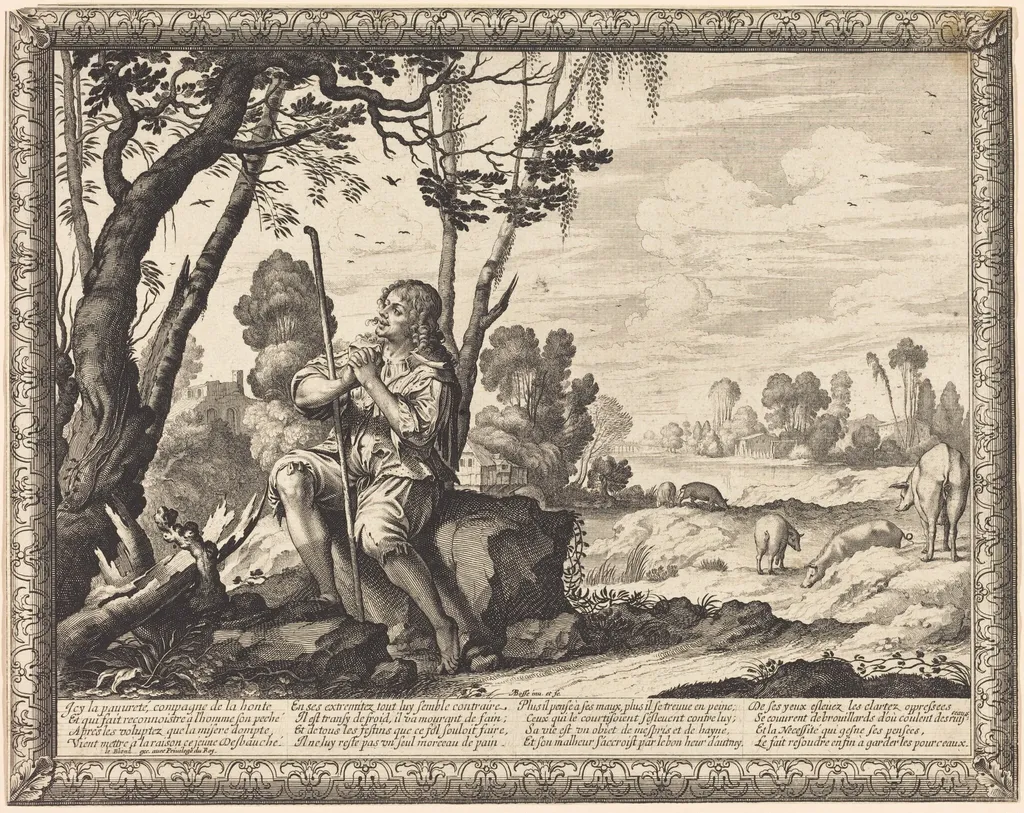
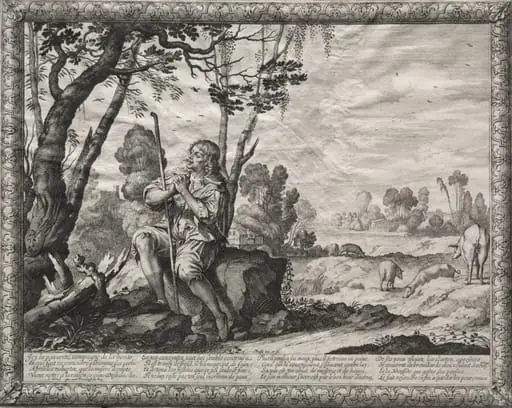
The Prodigal Son as a Swineherd is an ink print by the Baroque artist Abraham Bosse. It dates from 1639 and is held in the collection of the National Gallery of Art.
About this work
Overview
Abraham Bosse’s 1639 engraving titled *The Prodigal Son as a Swineherd* presents a solitary figure attending to a group of pigs within a modest countryside setting. Rendered in stark, linear detail, the work captures the moment of destitution experienced by the biblical prodigal son after his fall from wealth, emphasizing his humble attire and somber demeanor.
Subject & Meaning
The image visualizes the scriptural episode in which the wayward son, having exhausted his inheritance, assumes the lowly role of a swineherd. Bosse’s composition underscores themes of loss and repentance, using the contrast between the man’s plain clothing and the indifferent animals to highlight his reduced status and inner melancholy.
Technique & Style
Executed as an engraving, the work relies on fine incised lines to model forms and convey texture. Bosse’s restrained line work avoids elaborate shading, instead suggesting depth and emotion through the density of strokes. This economical approach reflects his broader interest in printmaking as a means of disseminating narrative scenes.
History & Provenance
Created during Bosse’s most prolific period in the early seventeenth century, the print aligns with his reputation for producing religious and genre subjects for a wide audience. While specific ownership records are limited, the engraving circulated among collectors of French prints, contributing to Bosse’s standing as a leading practitioner of the medium in his era.
Artist & collection

Artist
Abraham Bosse (c. 1604 – 14 February 1676) was a French artist, mainly as a printmaker in etching, but also in watercolour.

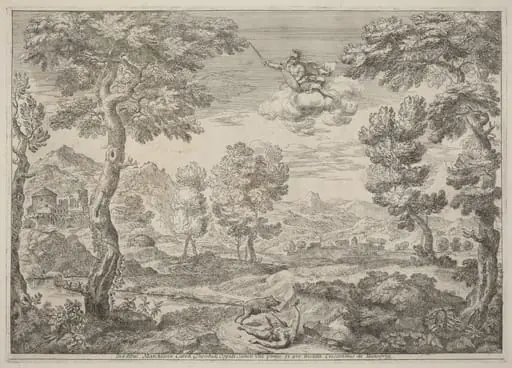 Mars's Revenge on Adonis
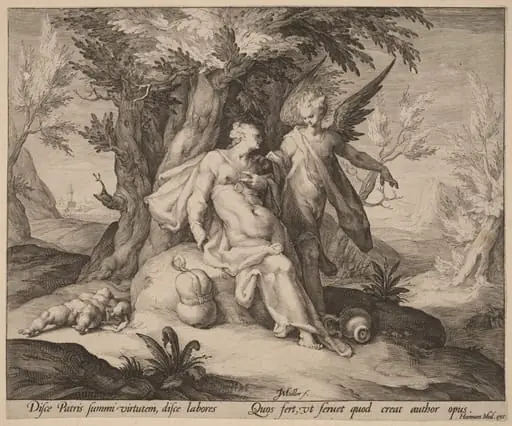 Hagar in the Desert Consoled by an Angel
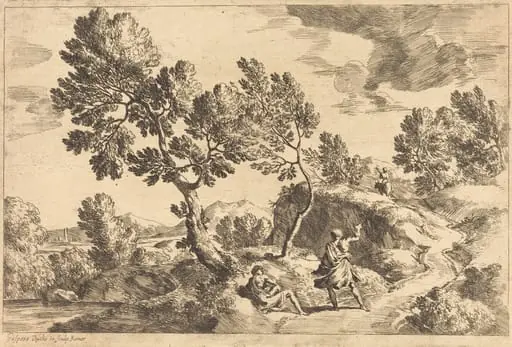 Roman Landscape
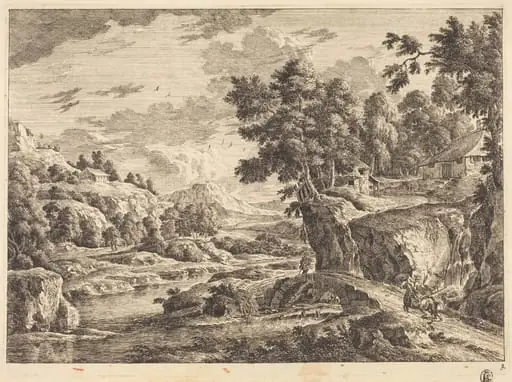 Landscape with a Bridge and Three Farm Buildings
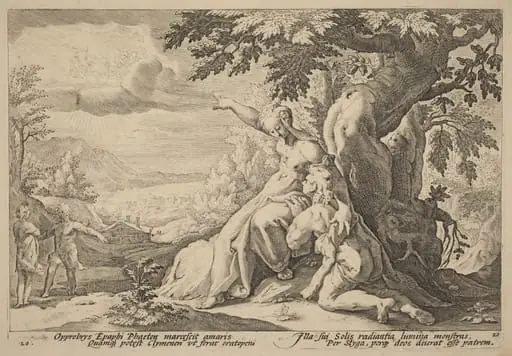 Clymene Urging Phaeton to Find Helios
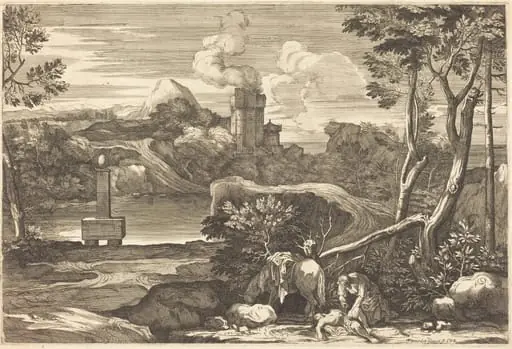 The Samaritan Pours Oil and Wine in the Wounds of a Man Left for Dead
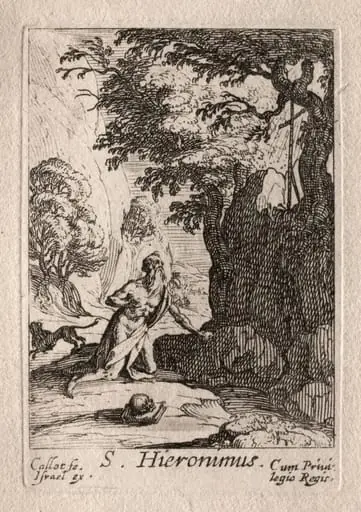 Les Penitents: St. Jérome
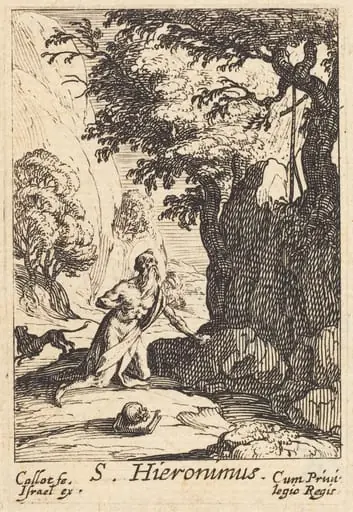 Saint Jerome
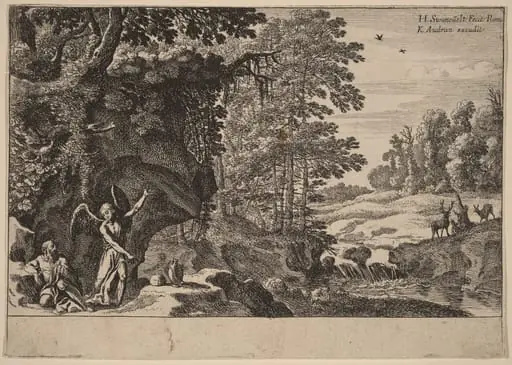 Elijah in the Wilderness
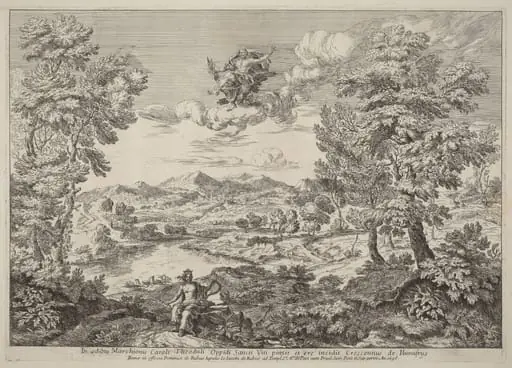 Jupiter in a Landscape
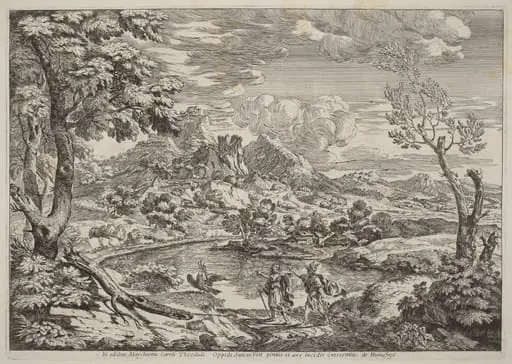 A Man Showing Mercury the Eagle of Jupiter
 The Prodigal Son: The Prodigal Tending the Pigs