Artwork
Jesus and the Samaritan
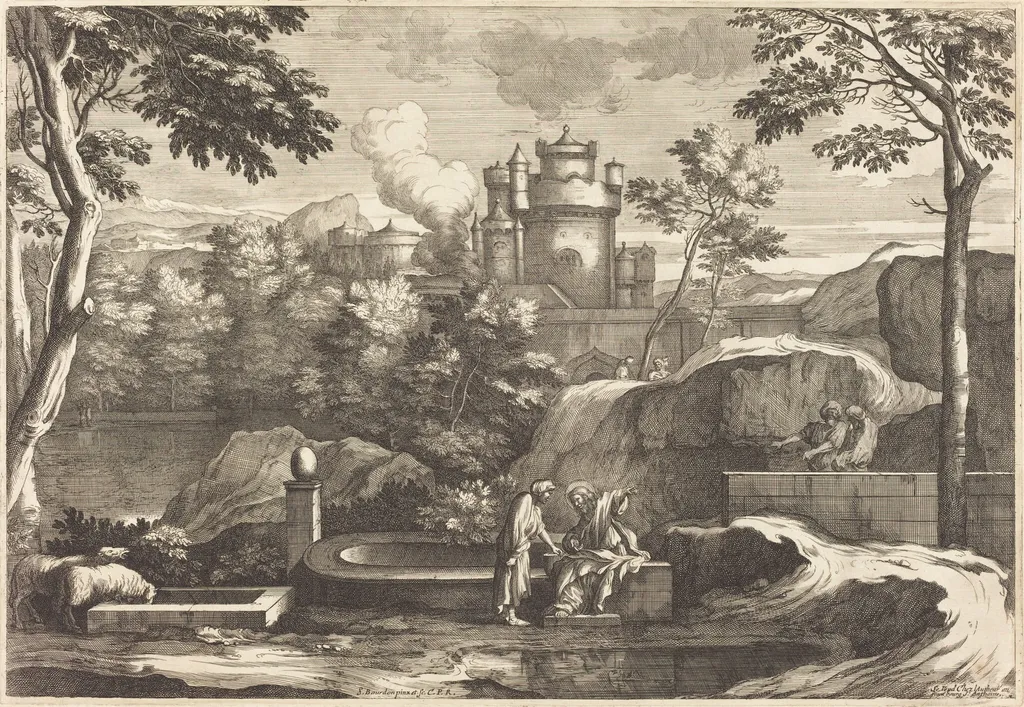
Jesus and the Samaritan is an ink print by the Baroque artist Sébastien Bourdon. It dates from 1644 and is held in the collection of the National Gallery of Art.
About this work
Overview
Created in 1644, the engraving titled *Jesus and the Samaritan* is the work of French artist Sébastien Bourdon, who was active as both a painter and a printmaker in the mid‑seventeenth century. The piece presents a tranquil biblical encounter rendered in black‑and‑white line work, characteristic of the period’s devotional prints.
Subject & Meaning
The image portrays the encounter between Jesus and the Samaritan woman at the well, a narrative drawn from the Gospel of John. By placing the two figures in a modest, natural setting, Bourdon emphasizes the intimate exchange of words and the spiritual revelation that the episode symbolizes.
Technique & Style
Bourdon employs fine cross‑hatching to model forms, generate shadows, and suggest texture in both the figures’ garments and the surrounding landscape. The careful arrangement of lines creates a sense of depth, while the composition balances the human drama with a detailed, yet restrained, architectural backdrop.
History & Provenance
The engraving emerged during Bourdon’s early career, preceding his later large‑scale religious paintings such as *The Crucifixion of St. Peter* for Notre‑Dame. Though the original print’s ownership trail is not fully documented, it has been catalogued among 17th‑century French prints and appears in several museum collections devoted to Baroque graphic art.
Artist & collection
Artist
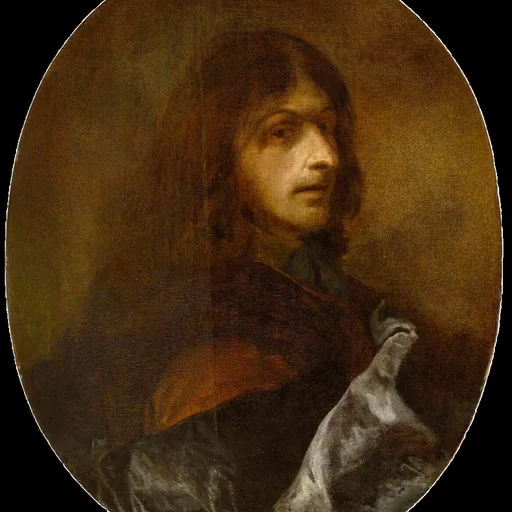
Sébastien Bourdon (French pronunciation: ; 2 February 1616 – 8 May 1671) was a French painter and engraver. His chef d'œuvre is The Crucifixion of St. Peter made for the cathedral of Notre Dame.

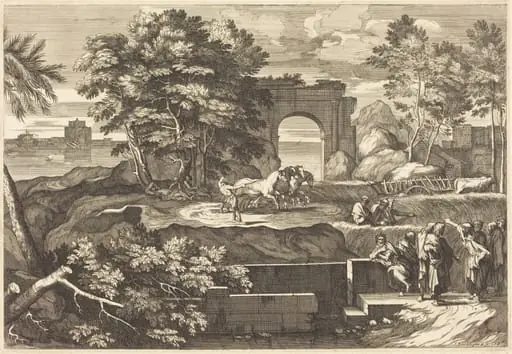 The Pharisees Complain to Our Lord
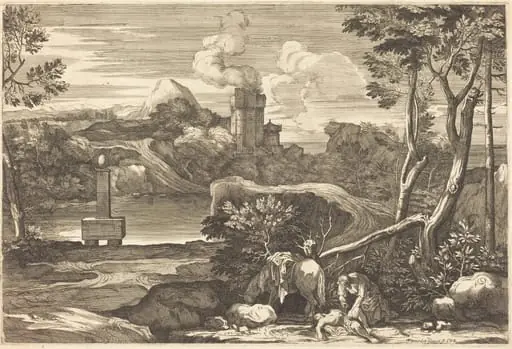 The Samaritan Pours Oil and Wine in the Wounds of a Man Left for Dead
 Classical Landscape with a Tempietto
 The Baptism of Christ, Set in a Mountainous Landscape
 Landscape with a Bridge and Three Farm Buildings
 Landscape with a Traveler Resting
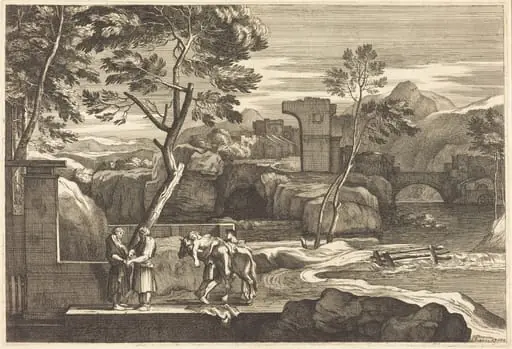 The Samaritan Takes the Man to an Inn
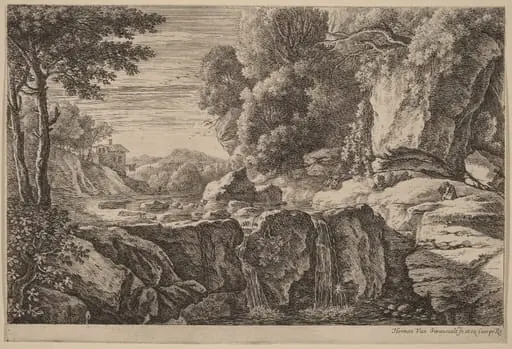 The Small Waterfall
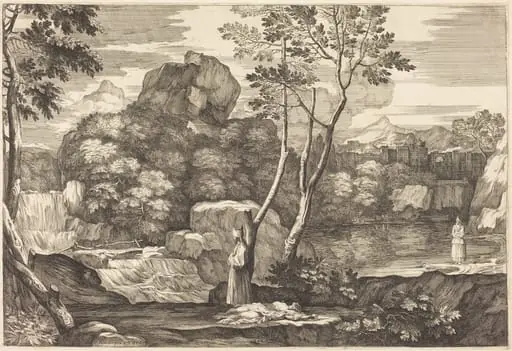 The Levite and the Priest Pass the Man Without Helping Him
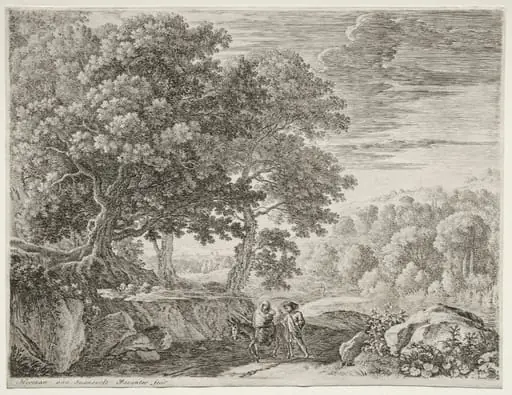 The Flight into Egypt: The Holy Family
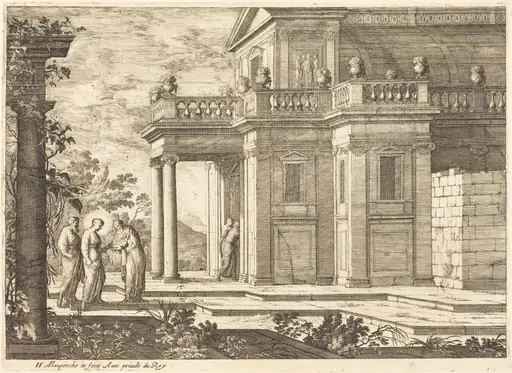 Presentation in the Temple
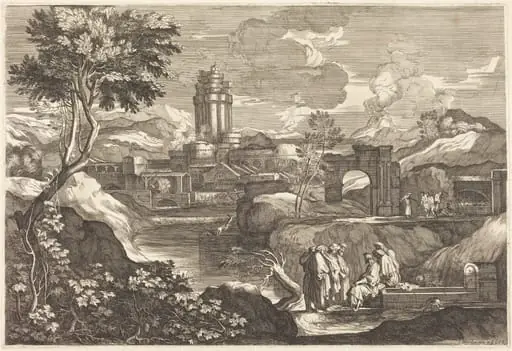 Jesus Telling the Parable of the Father who Sends his Workers to his Vineyard