Artwork
Presentation in the Temple
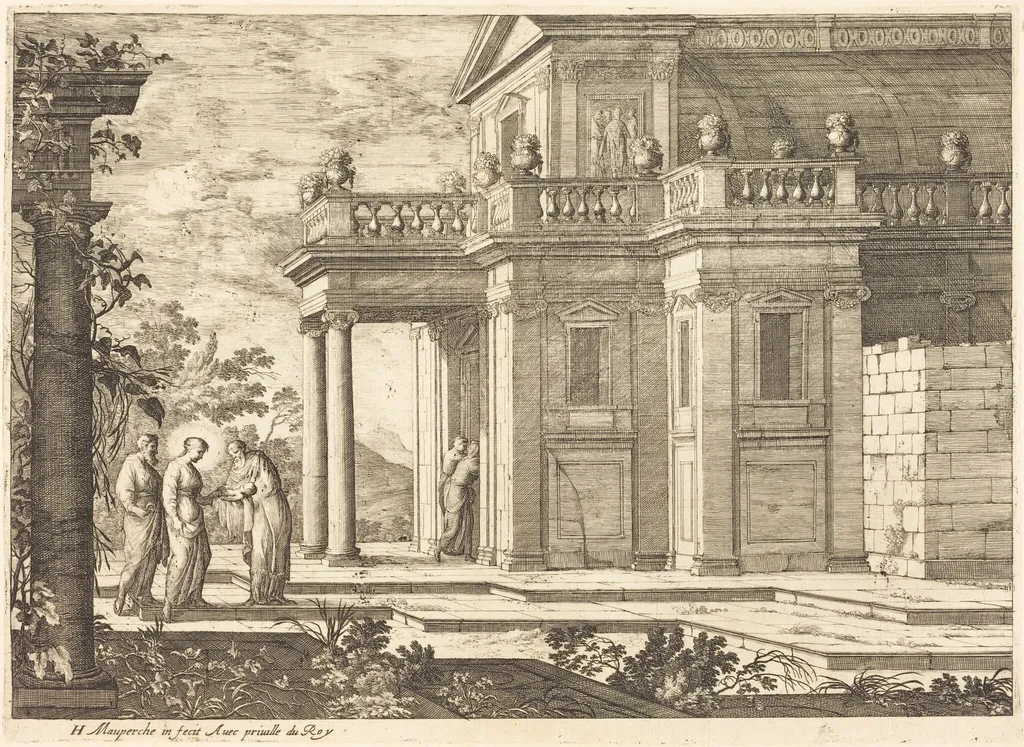
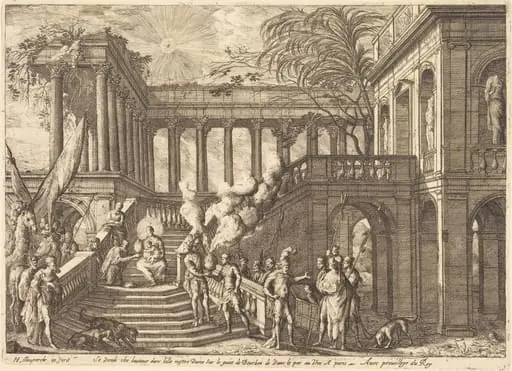
Presentation in the Temple is an ink print by the Baroque artist Henri Mauperché. It dates from 1644 and is held in the collection of the National Gallery of Art.
About this work
Overview
Henri Mauperché, a French artist active in mid-17th century Paris, produced this etching in 1644.
Henri Mauperché, a French artist active in mid-17th century Paris, produced this etching in 1644. Though primarily known for imaginative landscape compositions, he turned here to a religious subject, rendering it with the precision typical of printmaking of the era. The work reflects his skill in translating architectural detail and human figures into the linear language of etching, bridging narrative content with decorative structure.
Subject & Meaning
The scene illustrates the biblical Presentation of Jesus at the Temple, as described in the Gospel of Luke. The central figure, a woman holding a child, represents Mary presenting the infant to the priest, while the other figures may signify Anna the prophetess and a temple attendant. The setting, though richly imagined, serves to elevate the sacred moment through monumental architecture, aligning the divine with the grandeur of classical design.
Technique & Style
Mauperché employed fine, controlled lines to model form and texture, particularly in the drapery of garments and the stonework of the building. The etching’s intricate detailing—statues, moldings, and foliage—creates a sense of depth and richness reminiscent of painted compositions. The framing wreath and surrounding vegetation suggest a decorative intent, blending natural and architectural elements in a manner characteristic of his capriccio style.
History & Provenance
Created in Paris during a period of flourishing print culture, the etching likely circulated among collectors and artists interested in religious imagery rendered with artistic flair. While specific early ownership records are not documented, Mauperché’s prints were known in French artistic circles, and this work exemplifies the demand for finely executed religious prints that combined spiritual themes with visual sophistication.
Context
In 17th-century France, etching was increasingly used to reproduce both religious narratives and architectural fantasies. Mauperché’s work aligns with contemporaries who fused biblical subjects with idealized settings, reflecting broader trends in Baroque visual culture. His approach, blending real and invented elements, resonated with audiences familiar with both sacred texts and the ornamental aesthetics of contemporary design.
Legacy
Though Mauperché is not widely remembered today, his etchings contribute to the understanding of how religious themes were adapted in print form during the Baroque era. His integration of landscape and architecture into sacred scenes influenced later printmakers who sought to elevate narrative subjects through elaborate, atmospheric settings, preserving a distinctive French approach to etched composition.
Artist & collection
Artist
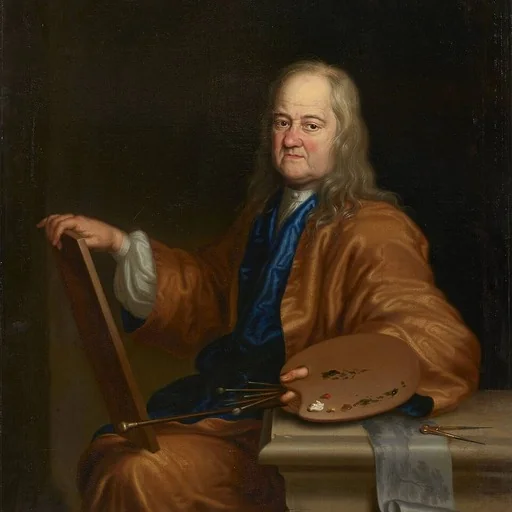
Henri Mauperché (c.1602, Paris – 26 December 1686, Paris) was a French landscape painter and engraver. His name is also given as Henri Maupercher and Henri Montpercher. Most of his landscapes are capriccios.

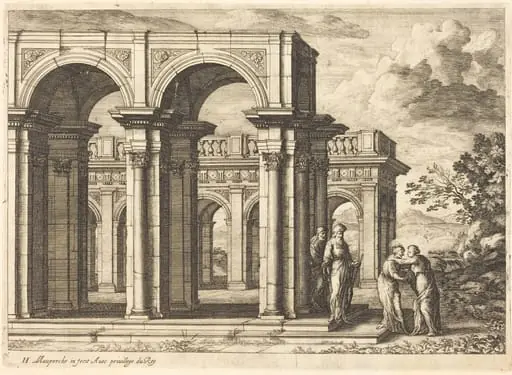 Meeting of Mary and Elizabeth
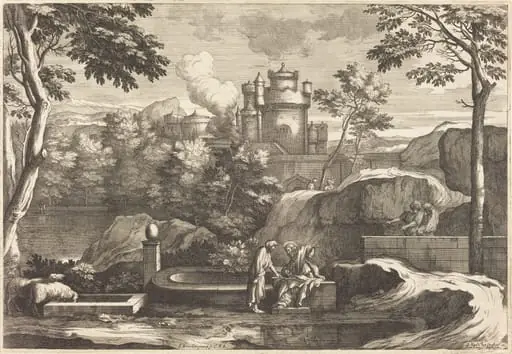 Jesus and the Samaritan
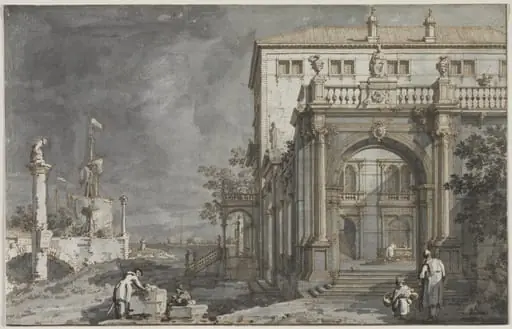 Capriccio: A Palace with a Courtyard by the Lagoon
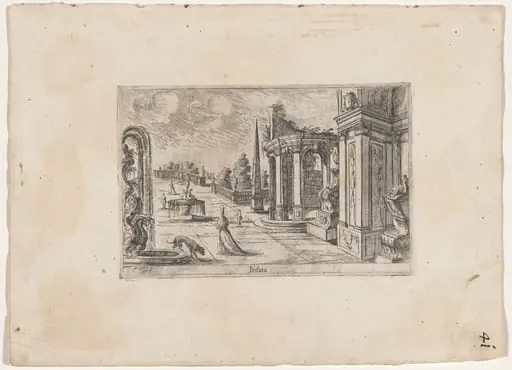 Design for a Garden Court
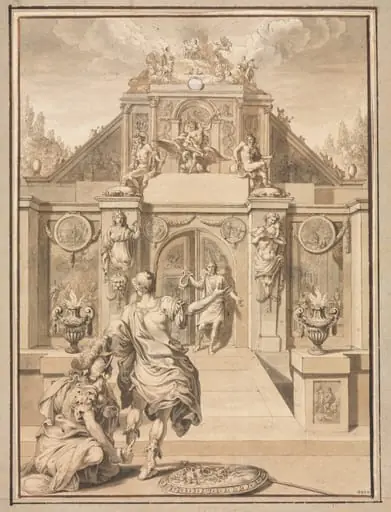 Perseus and Minerva before a Temple
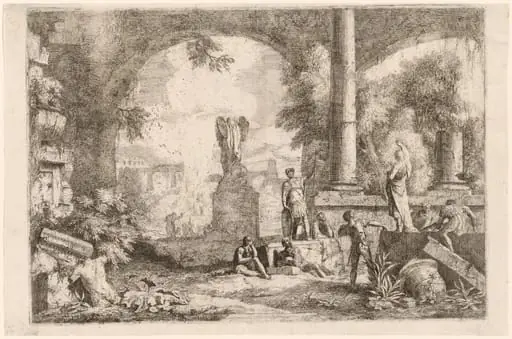 Capriccio of Antique Ruins with Men Gazing at a Classical Orator
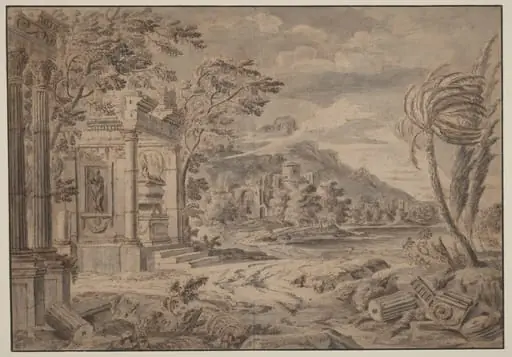 Antique Ruins along a Mountain Coast
![Temporalis Aeternitas [Second Version], by Italian 17th Century](https://artifactworldgallery.com/img/italian-17th-century--temporalis-aeternitas-second-version--2b55857961773f67-w320.webp) Temporalis Aeternitas [Second Version]
Temporalis Aeternitas [Second Version]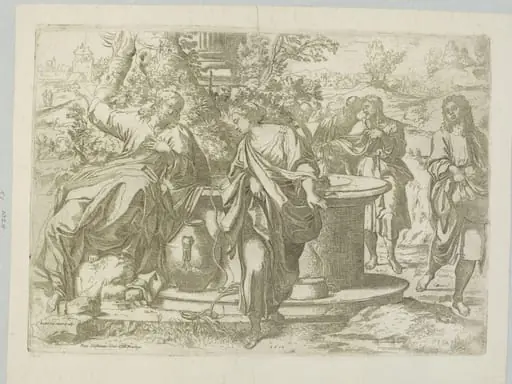 Christ and the Woman of Samaria
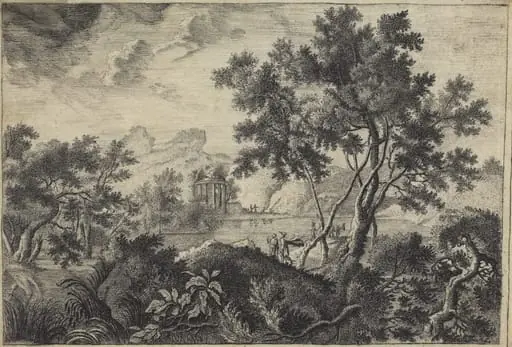 Classical Landscape with a Tempietto
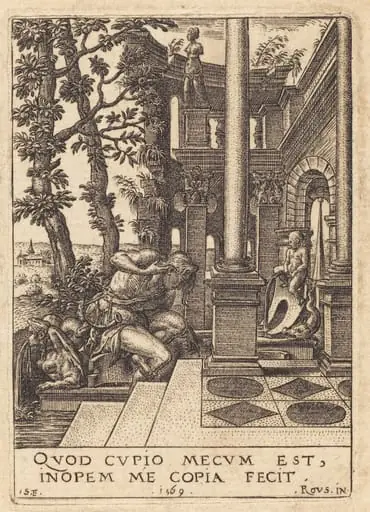 Narcissus at the Fountain