Artwork
Mosque of Sidi Bou-Said
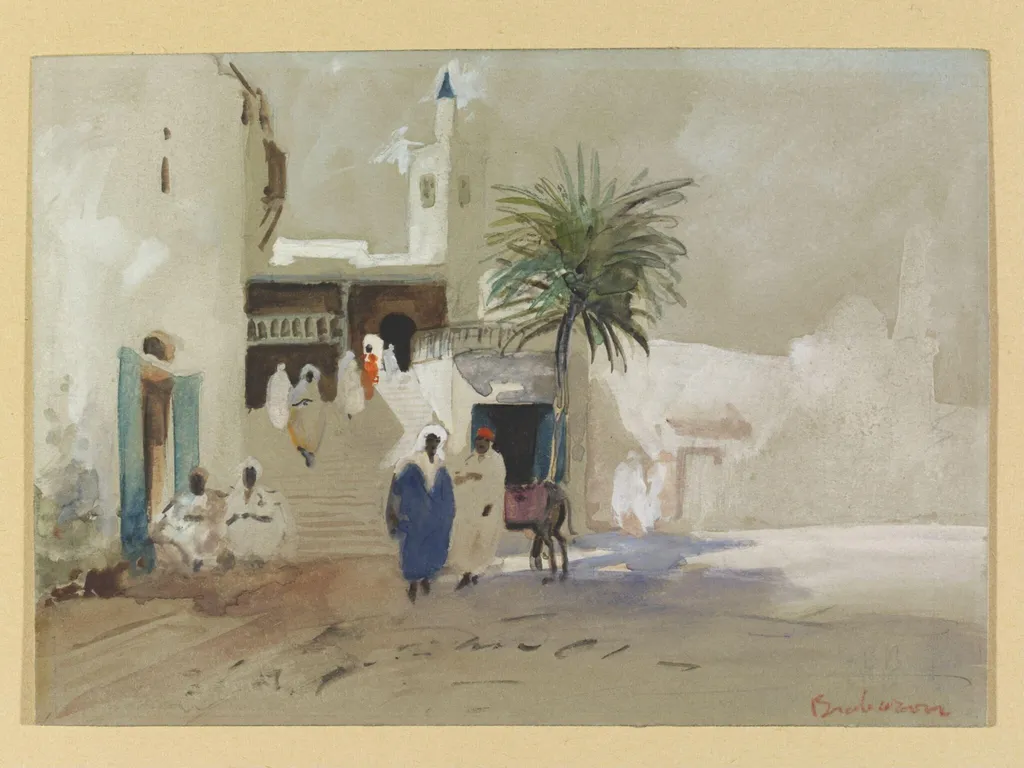
Mosque of Sidi Bou-Said is a watercolor work on paper by the Impressionist artist Hercules Brabazon Brabazon. It dates from 1860 and is held in the collection of the Victoria and Albert Museum.
About this work
Overview
Hercules Brabazon created this watercolour in 1860, capturing the Mosque of Sidi Bou-Said in Tunisia. The work is a quiet observation of daily life in a North African town, rendered with delicate washes of pigment. It was acquired in July 1861 by G. Norman of Westbourne Grove for two pounds, reflecting its modest status as a travel sketch rather than a grand commission.
Subject & Meaning
The scene presents a tranquil street before the mosque, with figures in local dress moving or resting in the shade. The architecture, defined by white walls and blue trim, anchors the composition, while a lone palm tree adds vertical rhythm. The absence of dramatic action emphasizes stillness, suggesting a moment of ordinary life rather than a ceremonial or tourist view.
Technique & Style
Brabazon employed transparent watercolour to achieve a light, airy quality. Soft washes blend seamlessly, allowing the paper’s texture to contribute to the atmosphere. Details are suggested rather than sharply defined, creating a sense of immediacy. The muted palette and gentle tonal shifts reflect a preference for atmospheric effect over precise documentation.
History & Provenance
The painting entered private hands in 1861 when purchased by G. Norman, a London resident. Its survival in documented ownership suggests it was valued as a personal memento of travel rather than a public artwork. No further exhibition or institutional record is known, indicating it remained within domestic collections.
Context
His work aligns with a broader 19th-century European interest in North African scenes, though his approach avoids exoticism, favoring understated observation.
Brabazon traveled widely in the Mediterranean during the 1850s and 1860s, producing sketches that documented regional architecture and customs. His work aligns with a broader 19th-century European interest in North African scenes, though his approach avoids exoticism, favoring understated observation. This piece reflects the growing practice of artists recording everyday life beyond Europe’s borders.
Legacy
Though not widely exhibited, the watercolour stands as an example of 19th-century British travel art that prioritized quiet realism over spectacle. It contributes to a lesser-known body of work that records non-European environments with sensitivity, offering insight into how foreign landscapes were perceived through the lens of personal experience rather than imperial narrative.
Own this work as a print
Artist & collection
Artist
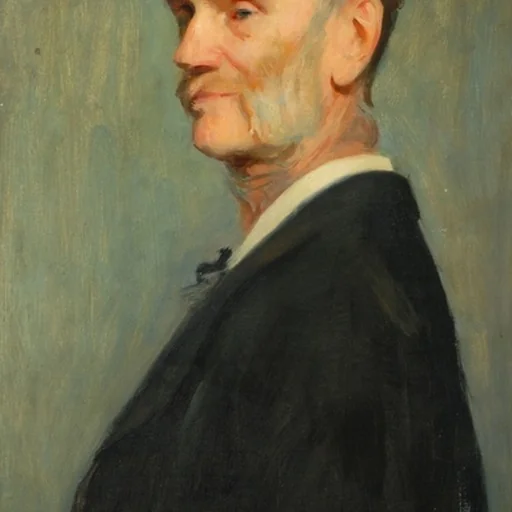
Hercules Brabazon Brabazon (born Hercules Brabazon Sharpe; 27 November 1821 – 14 May 1906) was an English artist, accomplished in Turner-manner watercolours.

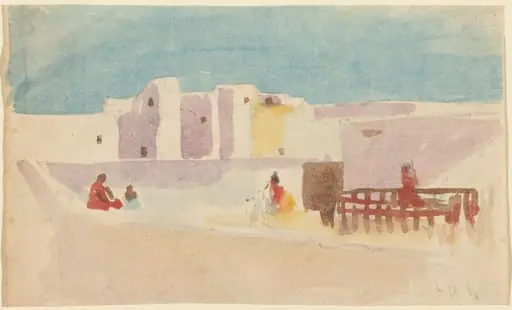 Walls of a North African City
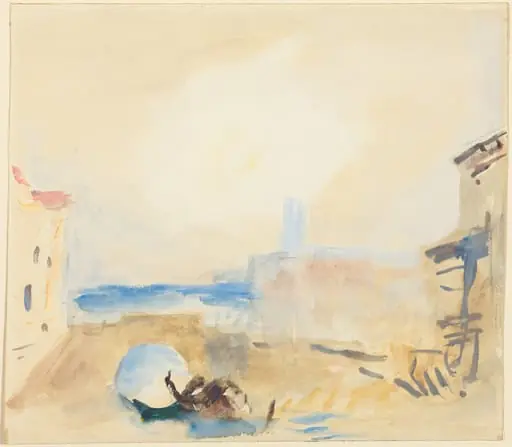 A Gondola Passing Under a Bridge in Venice
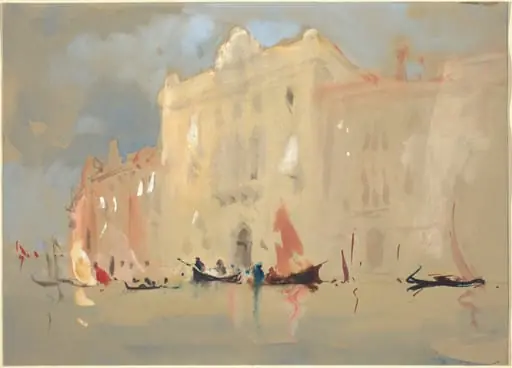 Gondolas Before a Palace on the Grand Canal in Venice
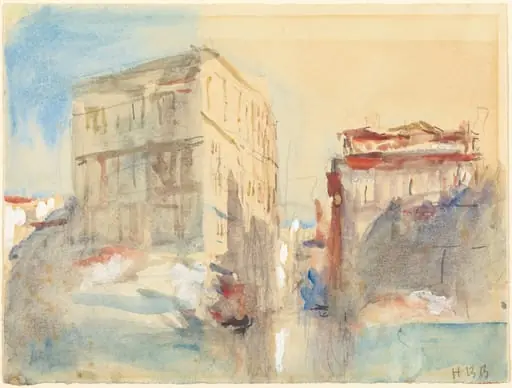 Palaces on the Grand Canal in Venice
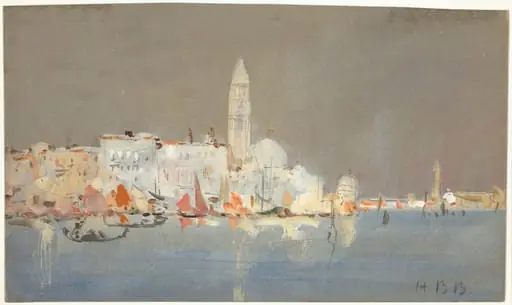 Venetian Capriccio with a Campanile
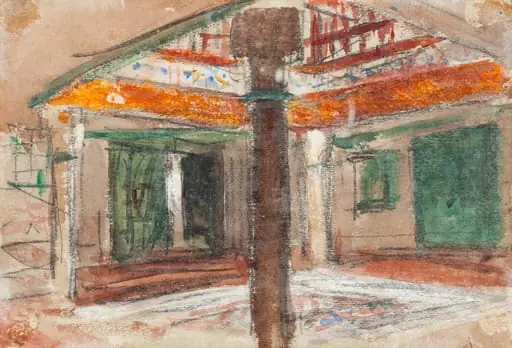 Interior of an Exotic Palace
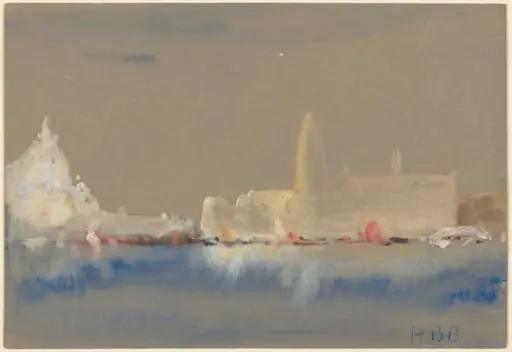 The Salute and the Palazzo Ducale from the Bacino di San Marco
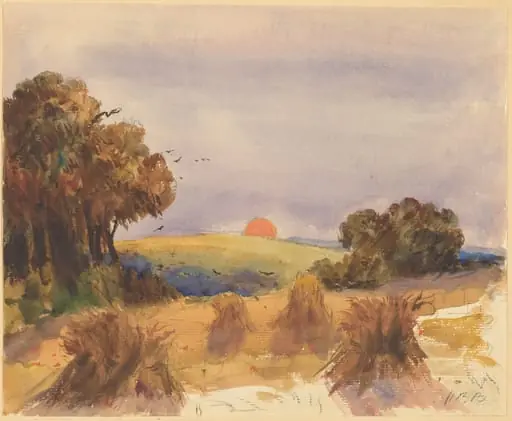 A Cornfield at Sunset
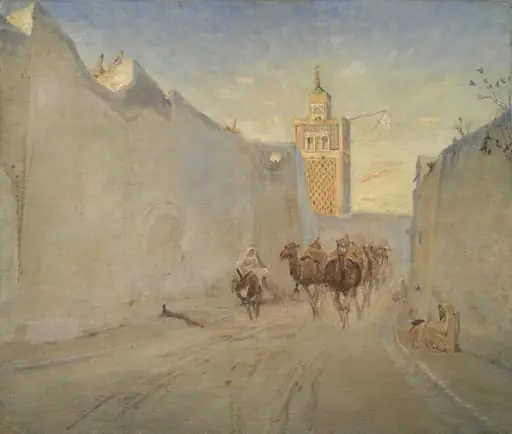 Camels in a Street in Tunisia
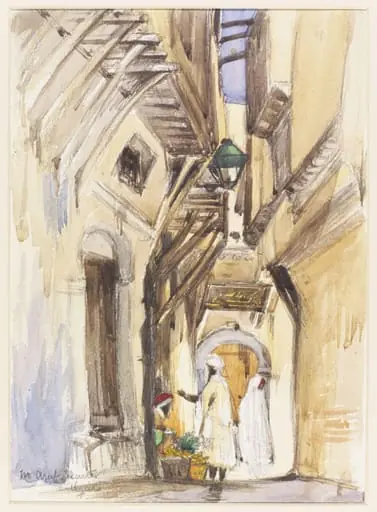 In Arab Quarter Algiers
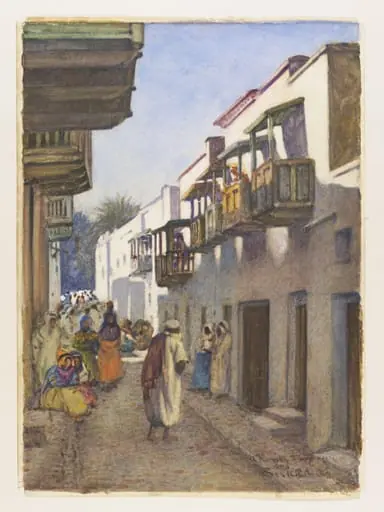 Biskra
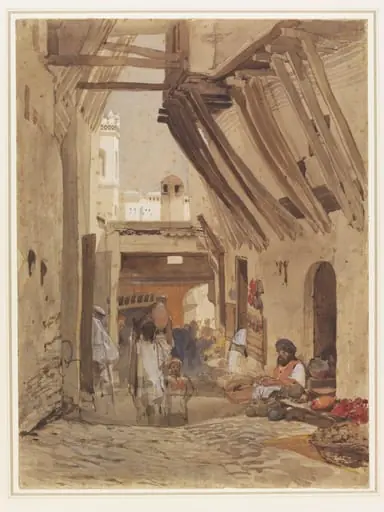 Street Scene
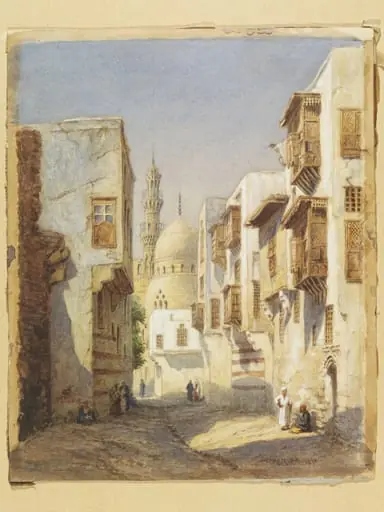 Darb al-Ahmer, Cairo, with the Mosque and Tomb of Amir Khayrbak
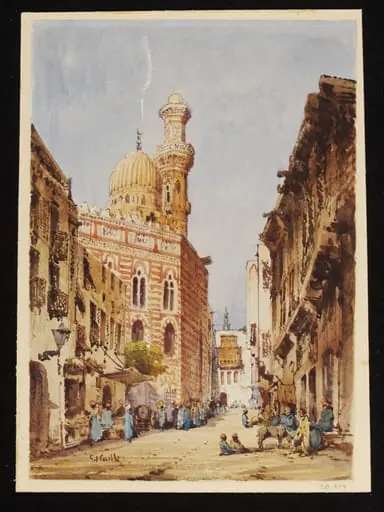 Sharia Bab al-Wazir with the Madrasah and Tomb of Sultan Shaban II (Umm al-Sultan)
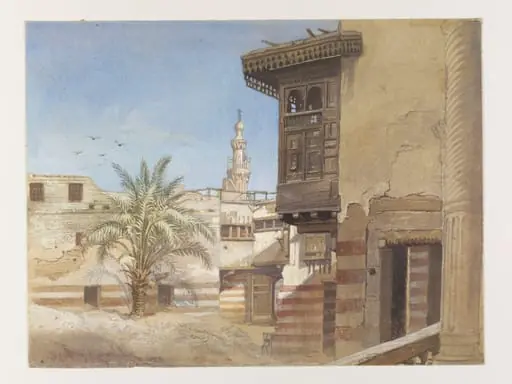 View from the Loggia of the Summer Reception Room (Makad) in the House of the Memluk Raduan Bey, Cairo
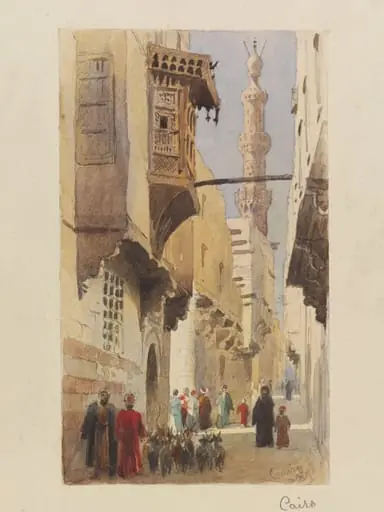 Cairo
Cairo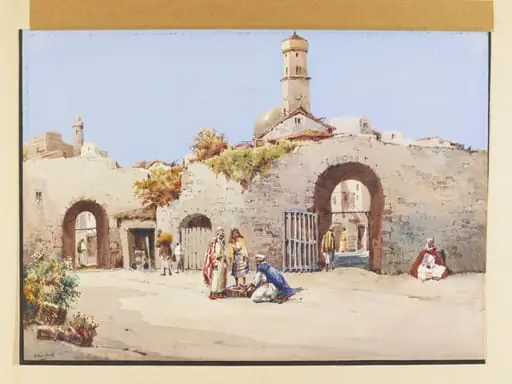 The City Walls, Jaffa, Palestine
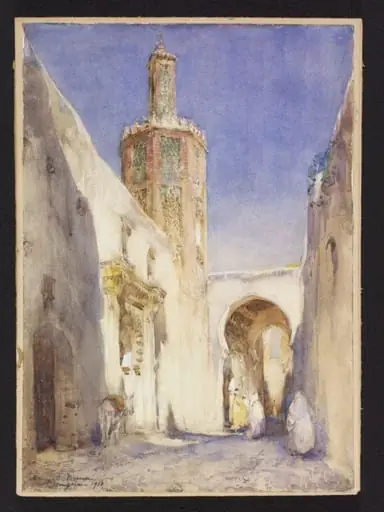 A Street in Tangier
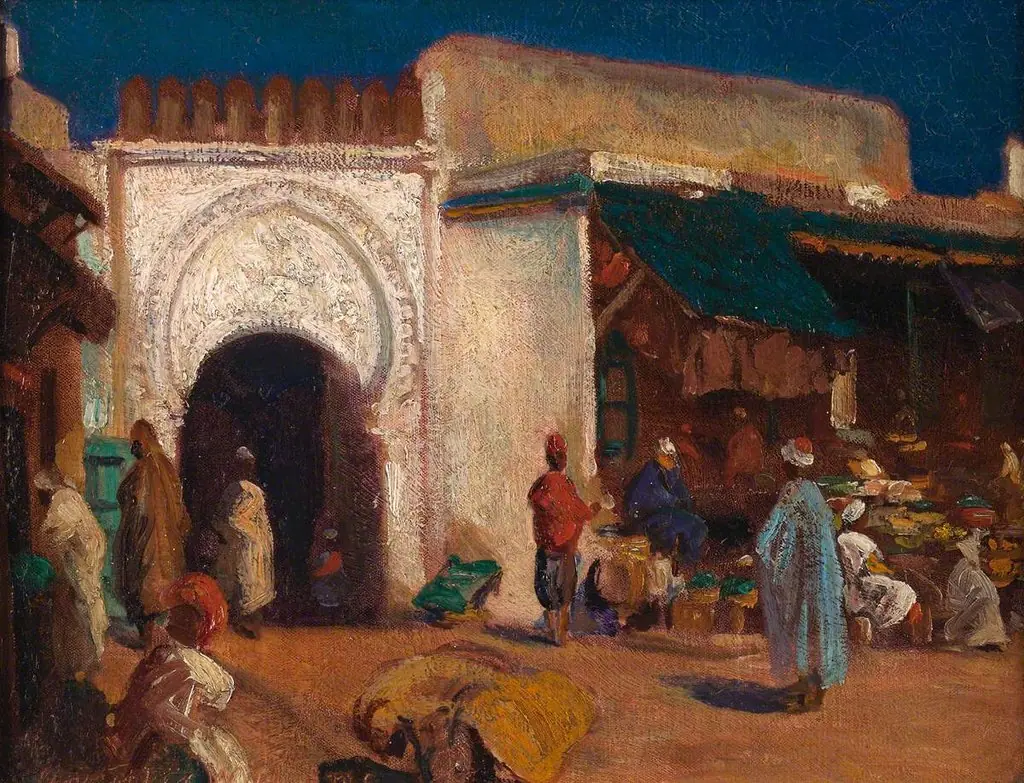 Tangiers
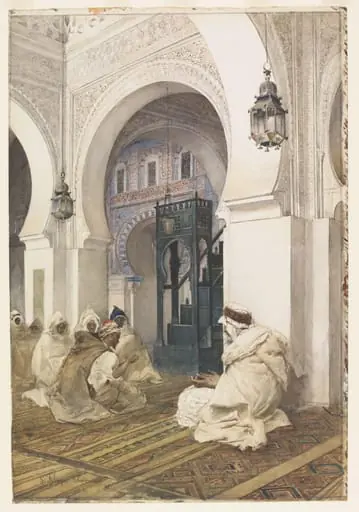 Mosque of Sidi Bu Madyan, Tlemcen