Artwork
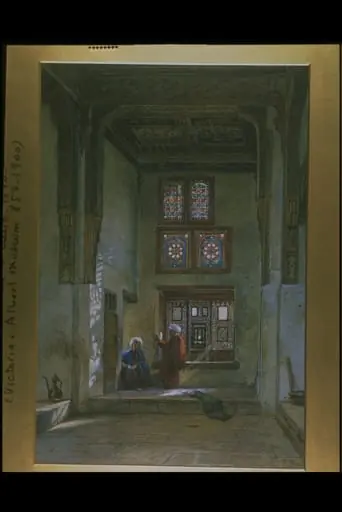
View from the Loggia of the Summer Reception Room (Makad) in the House of the Memluk Raduan Bey, Cairo
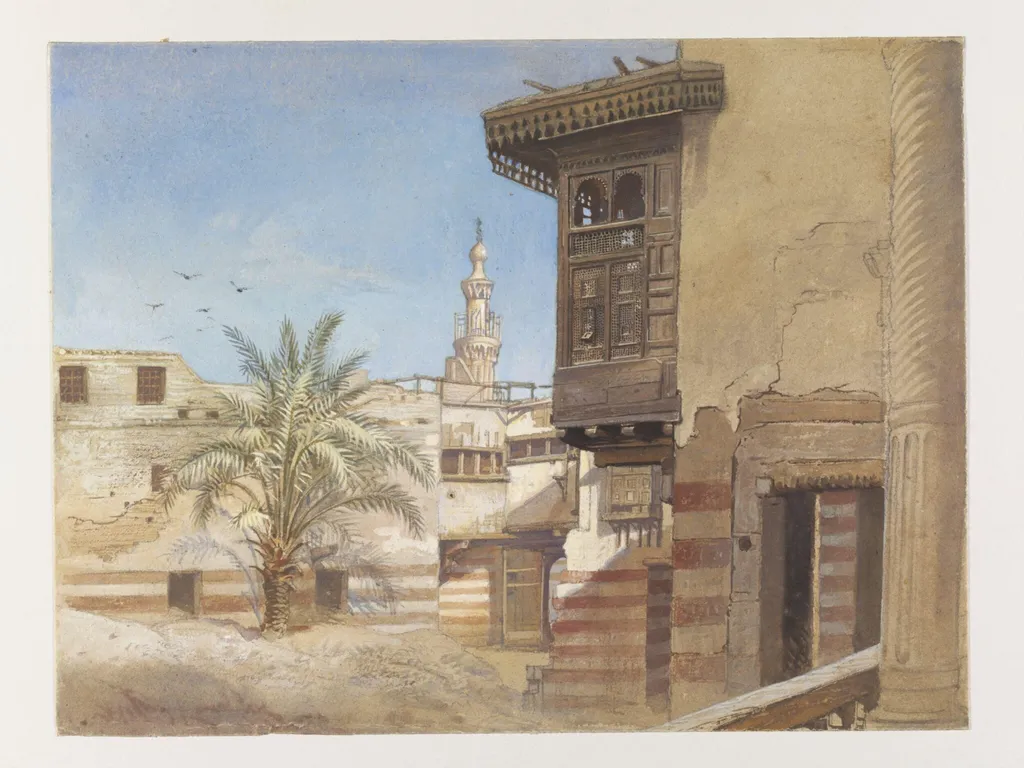
View from the Loggia of the Summer Reception Room (Makad) in the House of the Memluk Raduan Bey, Cairo is a watercolor work on paper by the Impressionist artist Frank Dillon. It dates from 1869 and is held in the collection of the Victoria and Albert Museum.
About this work
This watercolour painting is from 1869-1970. It's by Frank Dillon, an artist who worked in the style of Impressionism and Realism.
The painting shows a view from a loggia in a house in Cairo. It was created to record and preserve the exotic domestic architecture of the city.
To learn more about the style and techniques used in this painting, look up the movement: Realism.
Overview
View from the Loggia of the Summer Reception Room (Makad) in the House of the Memluk Raduan Bey, Cairo is a watercolour painting created between 1869-1870 by Frank Dillon. The work captures a scene from a loggia in a Cairo residence, blending architectural precision with figural elements.
Subject & Meaning
The painting aims to preserve the exotic domestic architecture of 19th-century Cairo, particularly its interiors, which were under threat from modernization. By including inhabitants in traditional attire, Dillon provides scale and enhances the appeal of the depicted space.
Technique & Style
Executed in watercolour, the piece reflects Dillon's adherence to Realism, emphasizing accuracy in capturing the architectural details of the loggia and its surroundings. While associated with the Impressionist circle, this work prioritizes representational clarity over Impressionist light effects.
History & Provenance
Created during Dillon's engagement with preserving Islamic monuments in Cairo, this watercolour is part of his broader campaign to promote and record non-European architectural traditions. Dillon's travels to Portugal, Spain, Morocco, and Japan influenced his interest in documenting diverse architectural styles.
Context
The painting emerges from 19th-century European architectural and design reform movements, which sought inspiration in non-European styles. Dillon, influenced by Owen Jones' circle, contributed to this trend by highlighting the decorative and architectural merits of Cairo's domestic spaces.
Legacy
While specific lasting impacts of this piece are not widely documented, it contributes to the broader legacy of 19th-century artists who helped raise awareness about the importance of preserving traditional architectures facing destruction due to urban progress.
Own this work as a print
Artist & collection

Artist
Frank Edward Dillon, known in later years as Pop Dillon, was an American baseball player and manager.


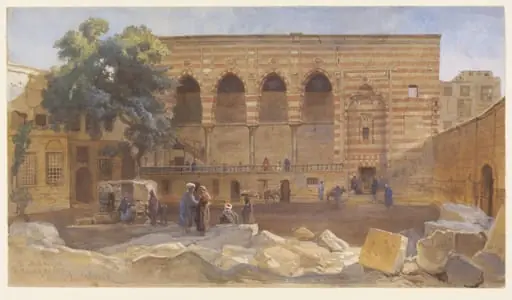
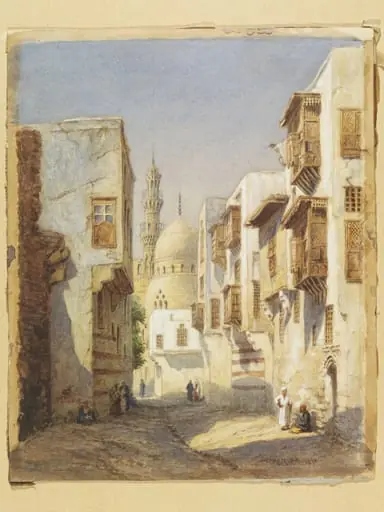 Darb al-Ahmer, Cairo, with the Mosque and Tomb of Amir Khayrbak
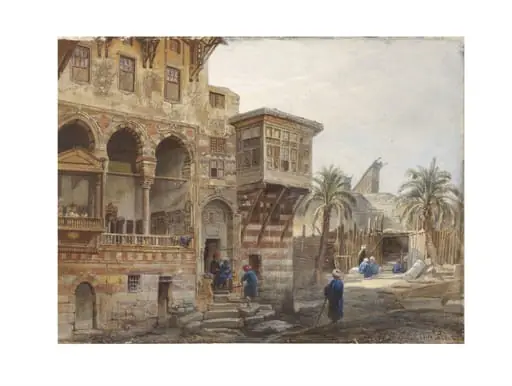
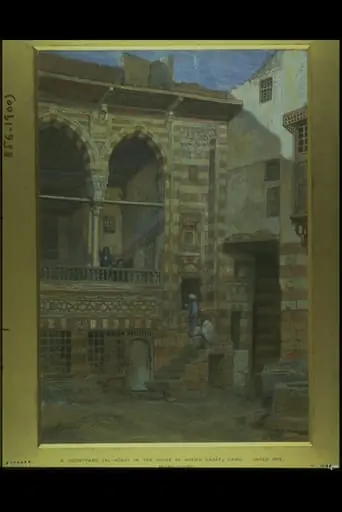 Courtyard and Maq'ad (Loggia) of the Mufti House in Cairo
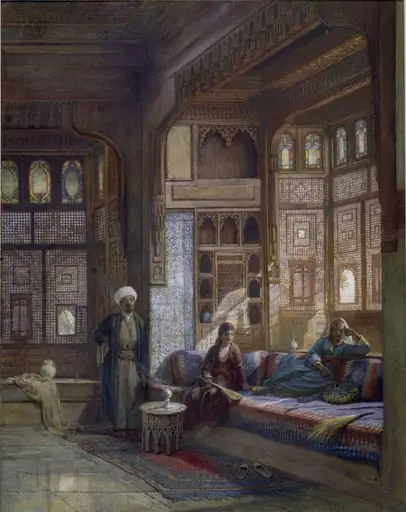
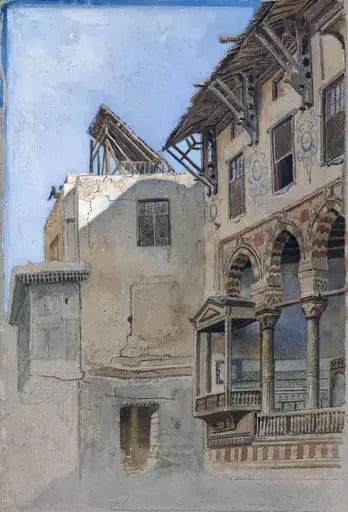 Loggia of the Summer Reception Room (Makad) in the House of the Memluk Raduan Bey, Cairo
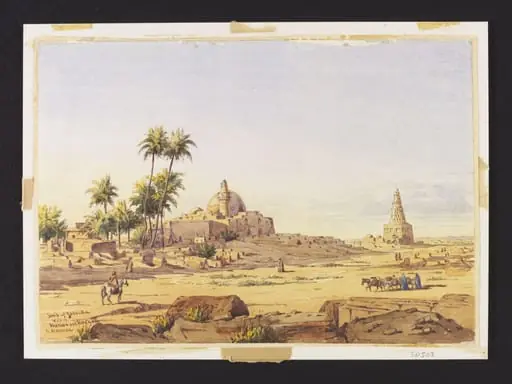 Tomb of Zobeida wife of Haroon ool Rashid in distance
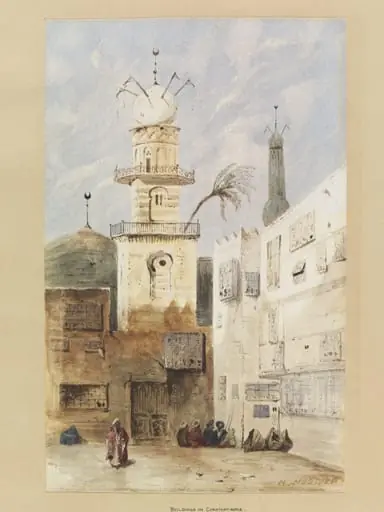 Mosque, possibly in North Africa
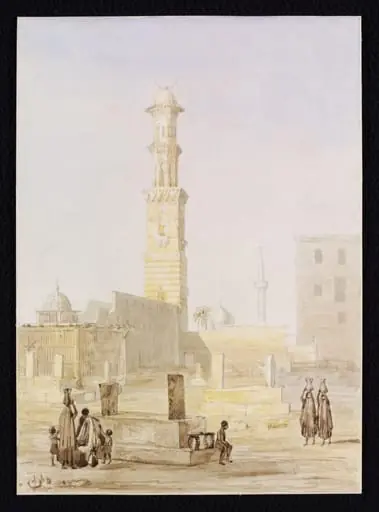 Tombs near Cairo
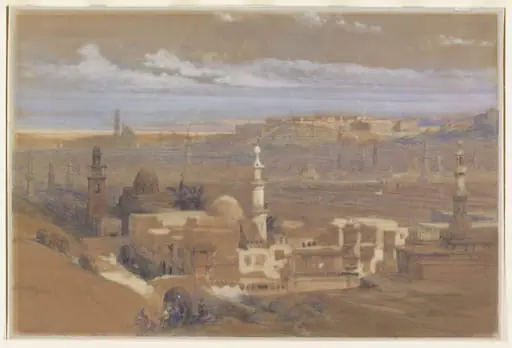 Grand Cairo