Artwork
H Beard Print Collection
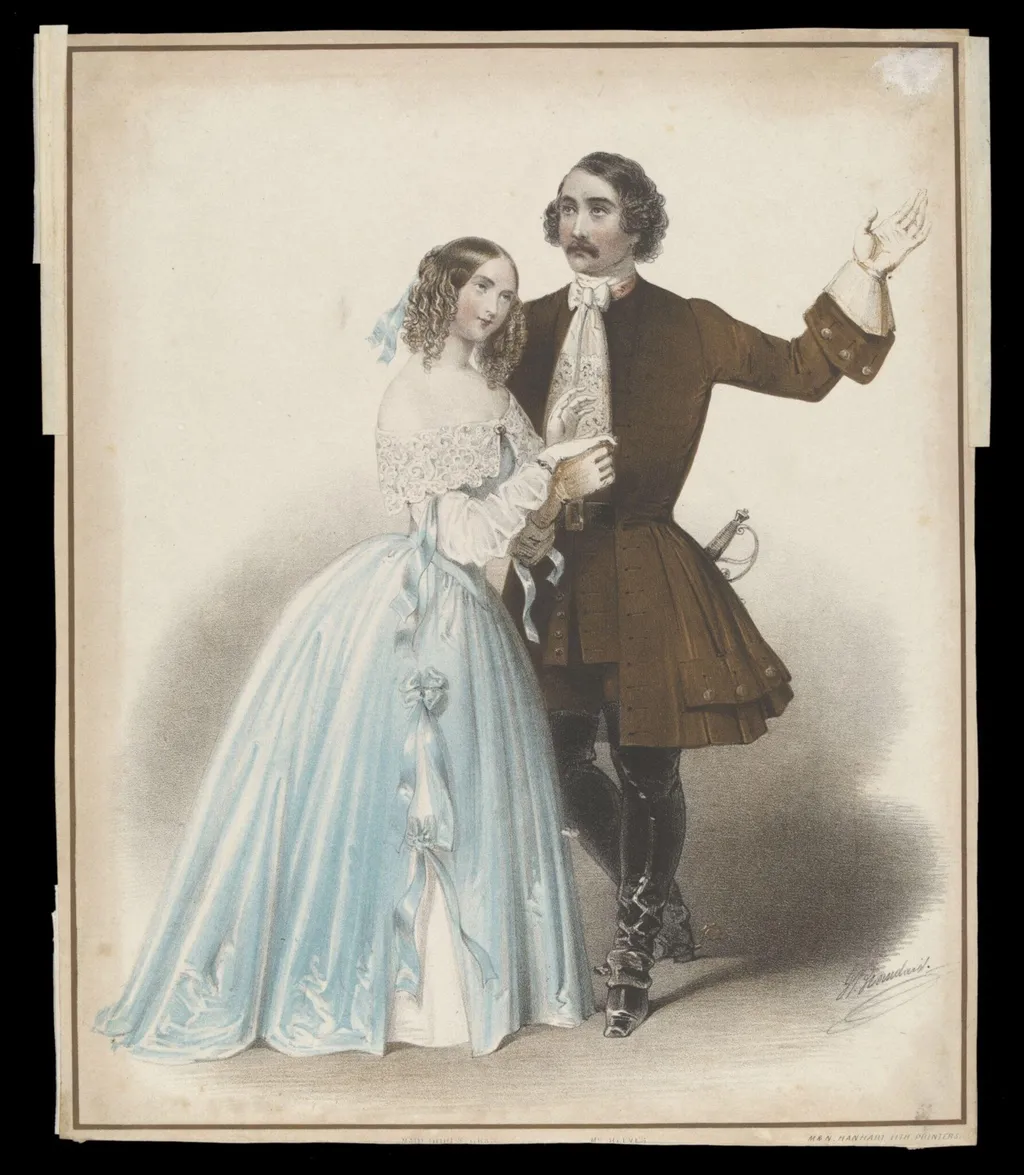
H Beard Print Collection is a print by the Romanticist artist John Brandard. It dates from 1847 and is held in the collection of the Victoria and Albert Museum.
About this work
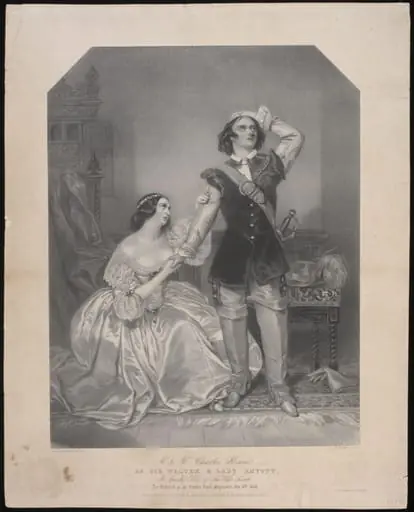
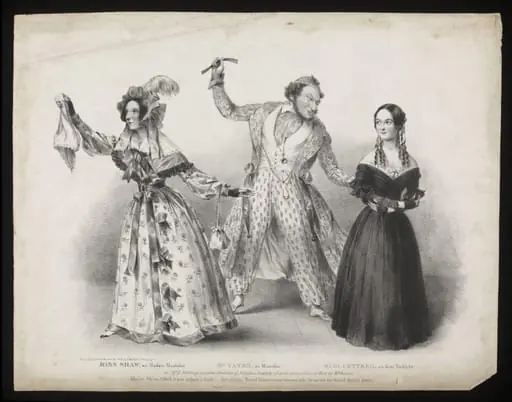
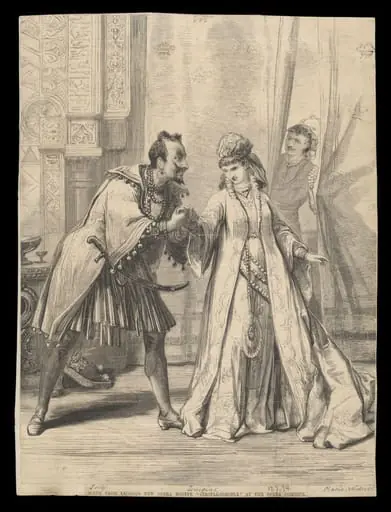
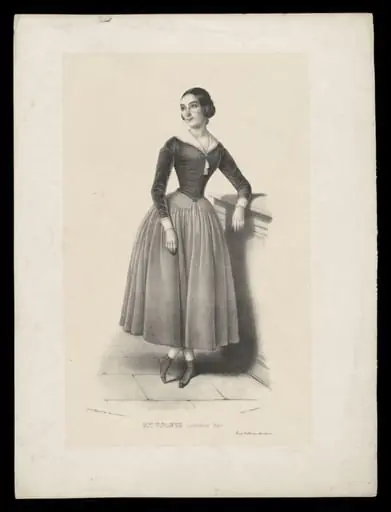
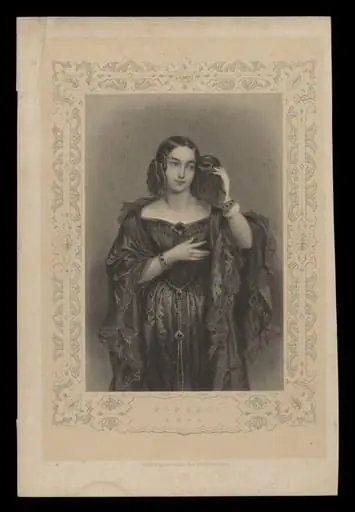
This print shows singers Madame Dorus-Gras and Mr Reeves. It’s a portrait from around 1847. Made by John Brandard using print techniques.
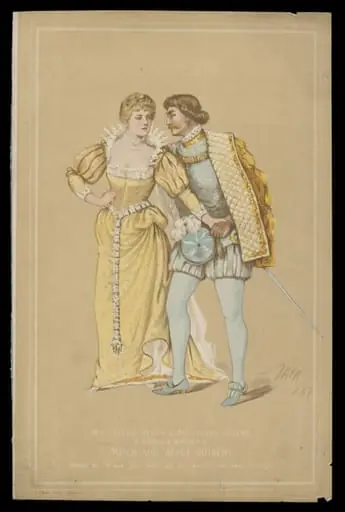
The singers wore fancy stage costumes. One costume included a cummerbund, a wide fabric belt. The print was produced by M. & N. Hanhart, a known printing firm.
Check out the Victoria and Albert Museum for more prints like this.
Overview
This print, created around 1847 by John Brandard, depicts two opera performers: Madame Dorus-Gras and Mr. Reeves. Produced by the London-based firm M. & N. Hanhart, it belongs to a genre of theatrical portraiture popular in mid-19th-century Britain. The image captures the singers in their stage attire, reflecting the era’s fascination with performance and celebrity culture.
Subject & Meaning
The portrait highlights two prominent singers of the time, presenting them not as private individuals but as public figures defined by their roles on stage.
The portrait highlights two prominent singers of the time, presenting them not as private individuals but as public figures defined by their roles on stage. Their elaborate costumes, including Dorus-Gras’s cummerbund, signal their operatic personas rather than personal identity. The image functions as both a record of performance and a commercial artifact, catering to audiences eager to connect with their favorite artists.
Technique & Style
Brandard employed engraving and lithographic methods to achieve fine detail in the figures and fabrics. The composition is formal, with the subjects posed frontally against a plain background, emphasizing their costumes and facial expressions. The printing by M. & N. Hanhart ensured crisp lines and consistent tonal gradations, typical of high-quality theatrical prints of the period.
History & Provenance
The print was produced during a period of growing demand for affordable visual memorabilia of stage performers. M. & N. Hanhart, known for their theatrical prints, distributed such images widely. While specific ownership history is not documented, similar works from this firm are held in institutional collections, including the Victoria and Albert Museum, suggesting broad circulation among middle-class collectors.
Context
In the 1840s, London’s opera houses attracted diverse audiences, and images of singers became popular consumer goods. Brandard’s prints were part of a market that transformed performers into visual icons. This print reflects the intersection of art, commerce, and popular entertainment, where theatrical fame was commodified through mass-produced imagery.
Legacy
Though not widely known today, Brandard’s prints remain valuable as historical documents of 19th-century performance culture. They offer insight into how public figures were represented and consumed visually before photography became dominant. Institutions like the V&A preserve such works as key examples of Victorian visual media and the early commodification of celebrity.
Artist & collection
Artist
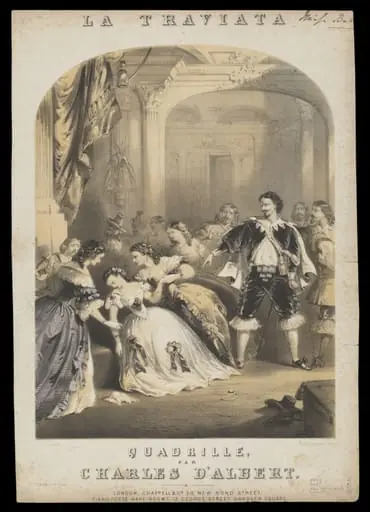
John Brandard made detailed prints for the theater world in the 1830s–1850s, turning operas and ballets into eye-catching sheet music covers and playbills.

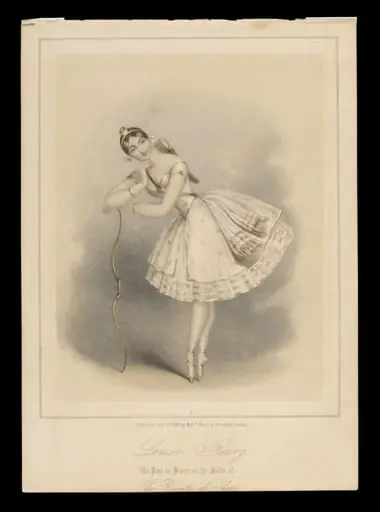
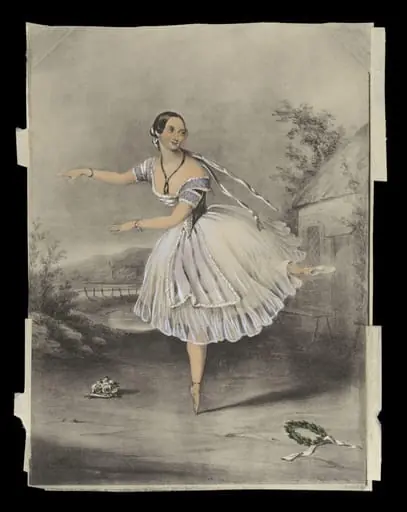
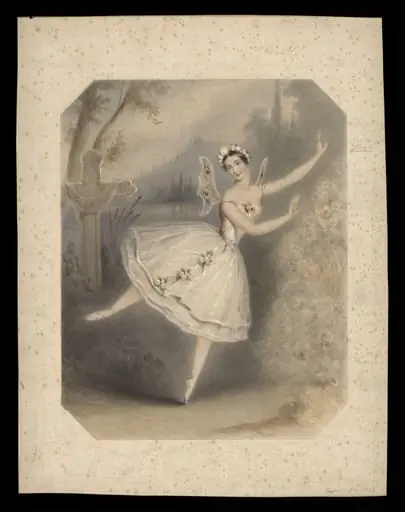
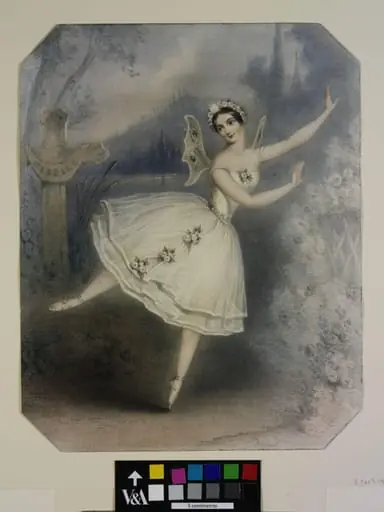
 H Beard Print Collection
 H Beard Print Collection
 H Beard Print Collection
 H Beard Print Collection
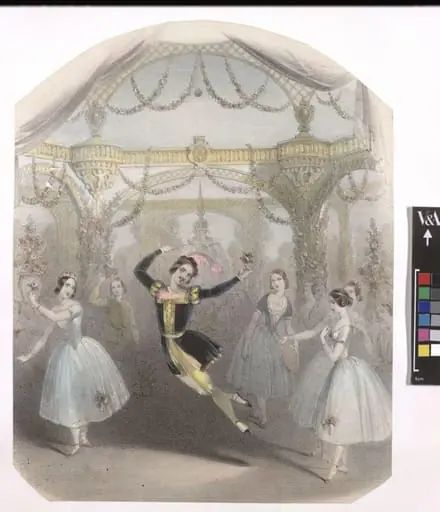
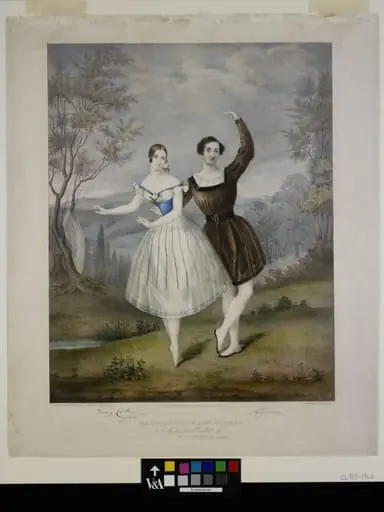 Madle Cerito & Sigr Guerra. In the favorite Ballet of, "Le lac des Fées." By Guerra. Fanny Cerito. A Guerra
 H Beard Print Collection
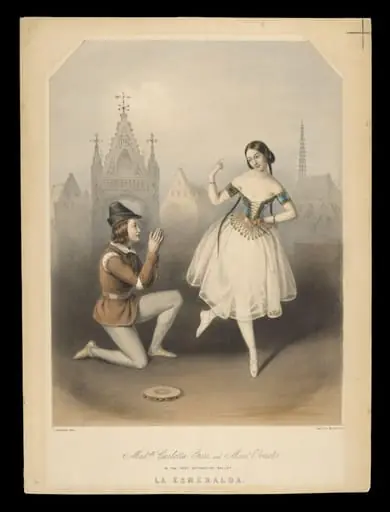 Print Collection
 H Beard Print Collection
 H Beard Print Collection
 H Beard Print Collection
 H Beard Print Collection