Artwork
Solomon de Bray
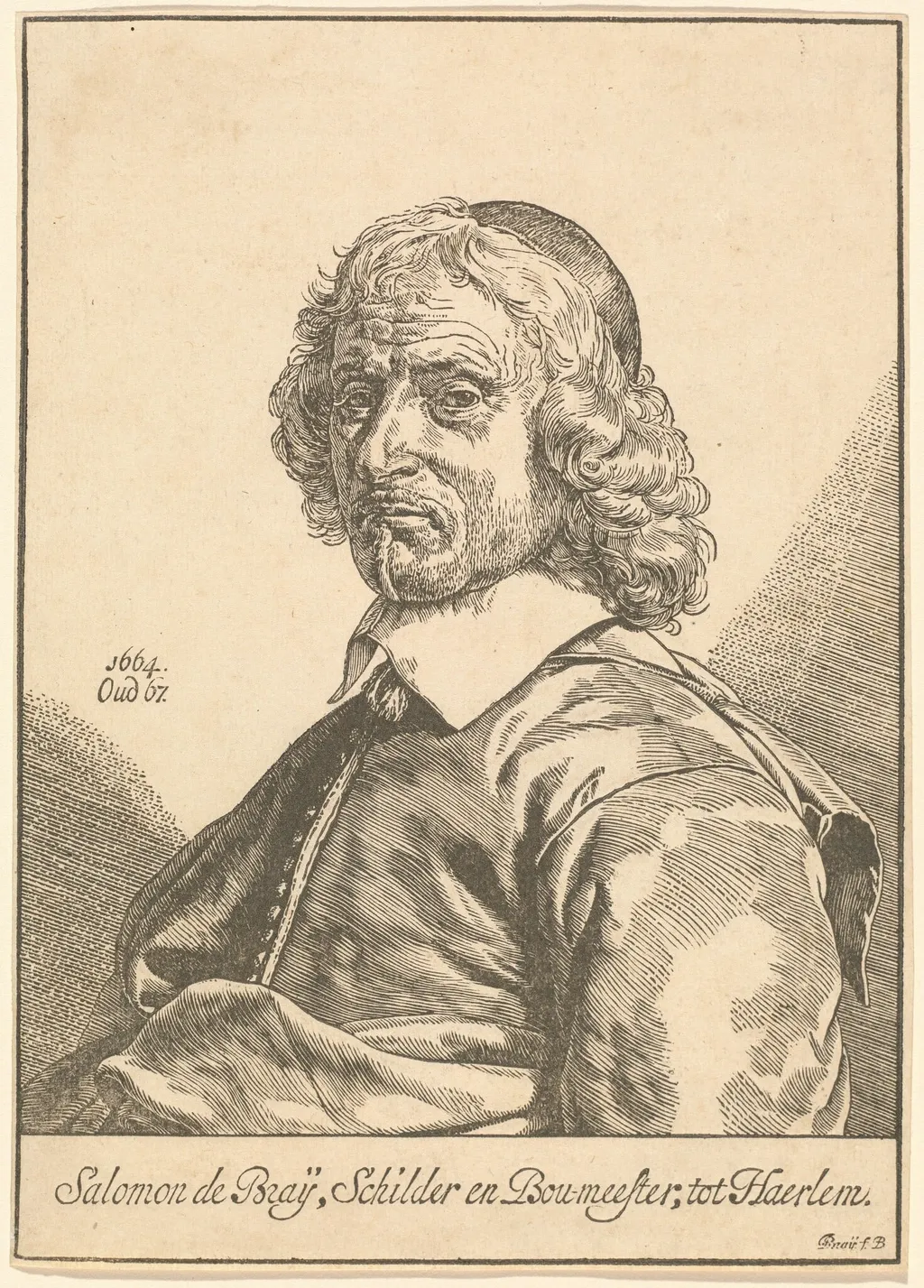
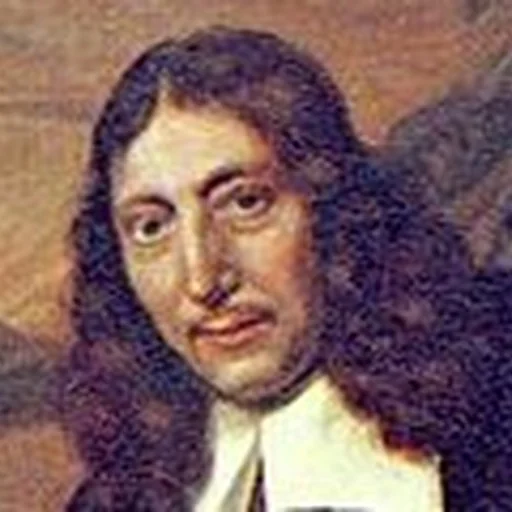
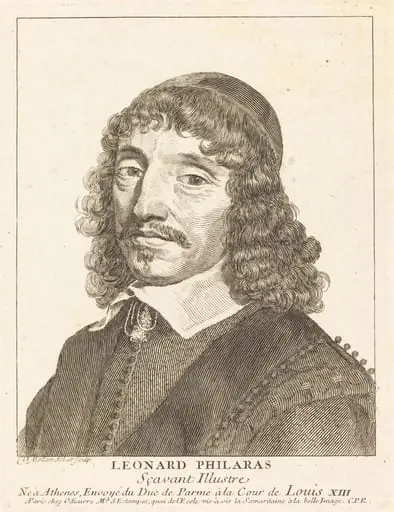
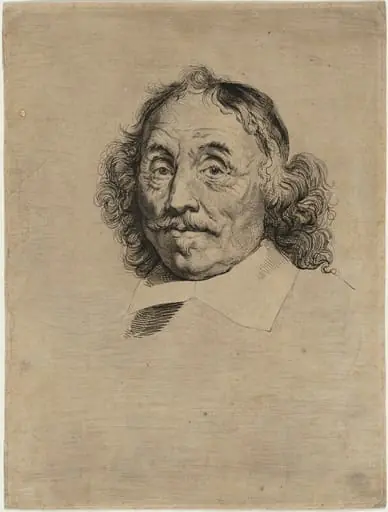
Solomon de Bray is an ink print by the Baroque artist Dirck de Bray. It dates from 1664 and is held in the collection of the National Gallery of Art.
About this work
Overview
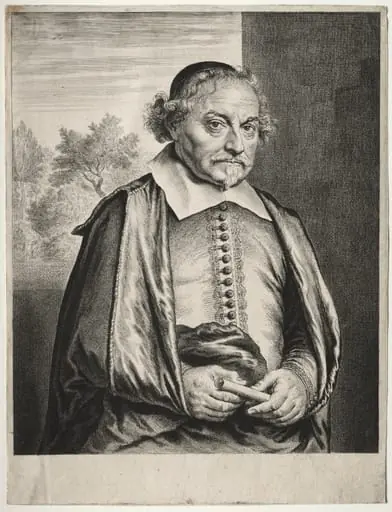
Dirck de Bray’s 1664 woodcut on laid paper presents a half‑length portrait of a bearded man with wavy hair. The figure wears a dark shirt accented by a white collar, and his head is turned slightly toward the viewer, creating a direct, solemn gaze.
Subject & Meaning
The sitter’s serious expression and straightforward pose suggest a formal representation, likely intended to convey status or personal virtue. The modest attire and lack of ornamental background focus attention on the individual’s character rather than external symbols.
Technique & Style
Executed as a woodcut, the image relies on carved lines and cross‑hatching to render texture in the hair, beard, and fabric. The contrast between the light background and darker shading behind the head and shoulder adds depth, while the laid‑paper surface enhances the tactile quality of the print.
History & Provenance
Created in the mid‑seventeenth century, the print belongs to Dirck de Bray’s body of work within the Dutch Baroque period. Its survival on laid paper indicates it was produced for a limited audience, typical of portrait prints intended for private circulation.
Context
During the 1660s, Dutch printmakers often used woodcut to disseminate portraiture, balancing affordability with a high degree of detail. De Bray’s approach reflects the broader Baroque interest in realistic depiction and the nuanced rendering of facial features.
Artist & collection