Artwork
Cornelis van Poelenburgh
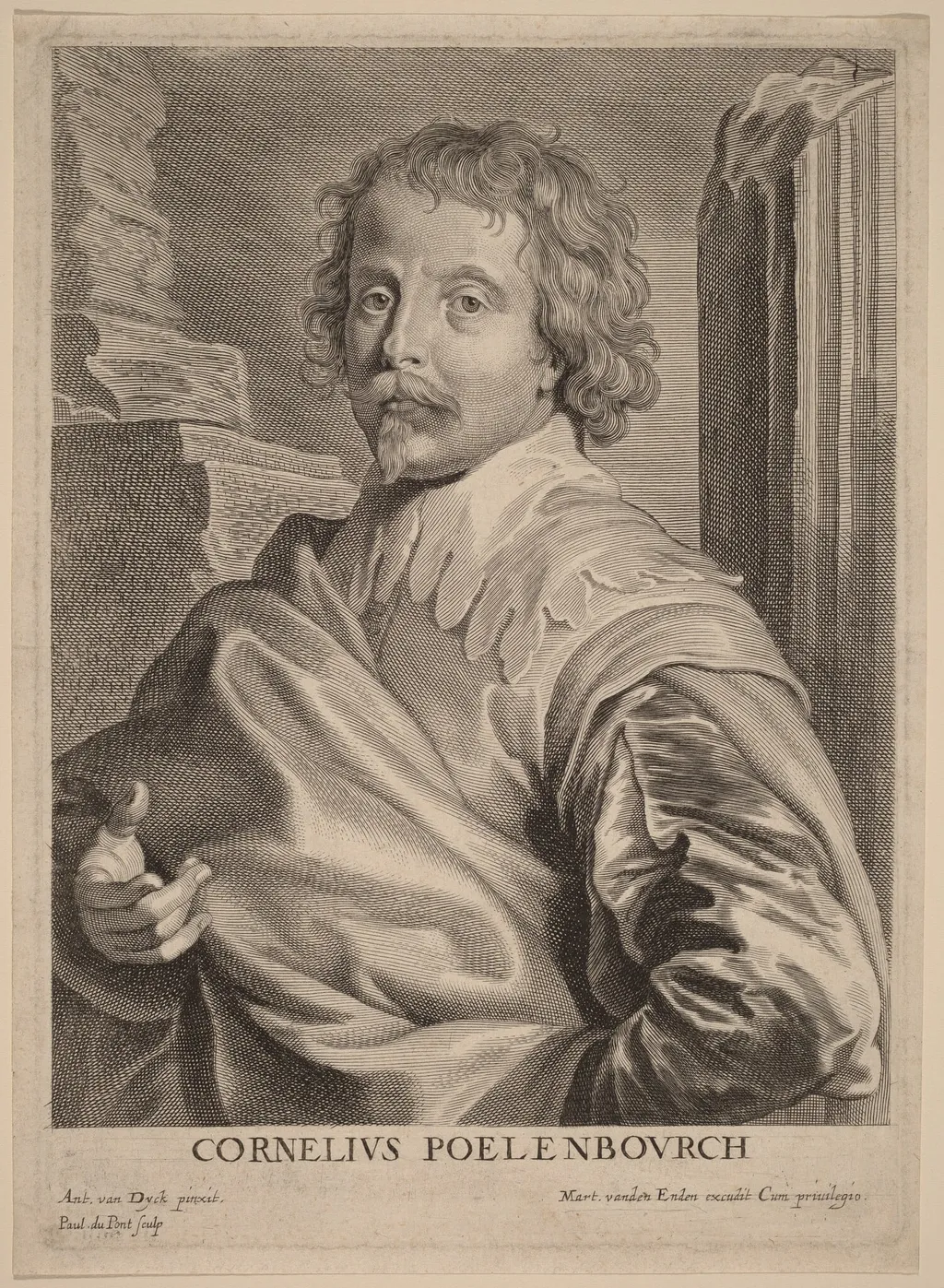
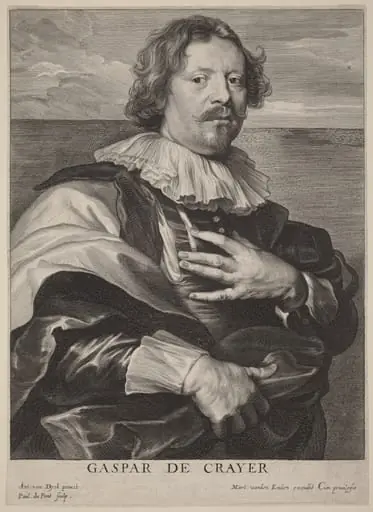
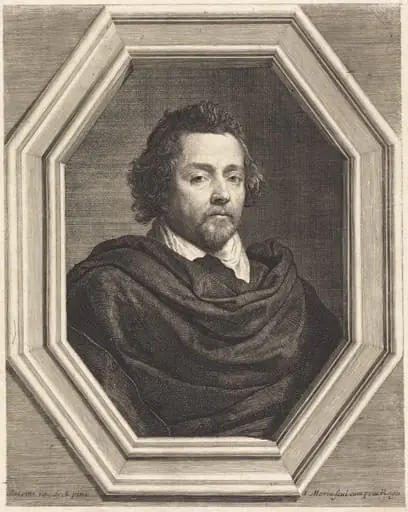
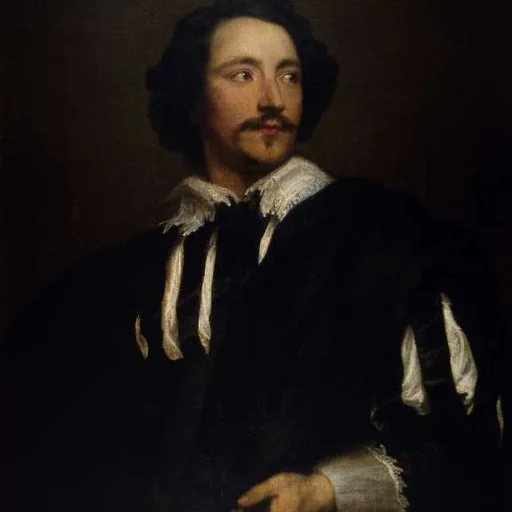
Cornelis van Poelenburgh is an ink print by the Baroque artist Paulus Pontius. It dates from 1634 and is held in the collection of the National Gallery of Art.
About this work
Overview
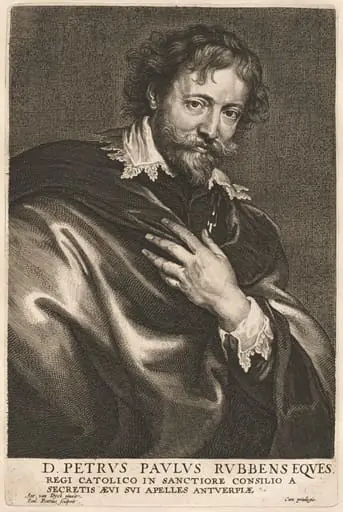
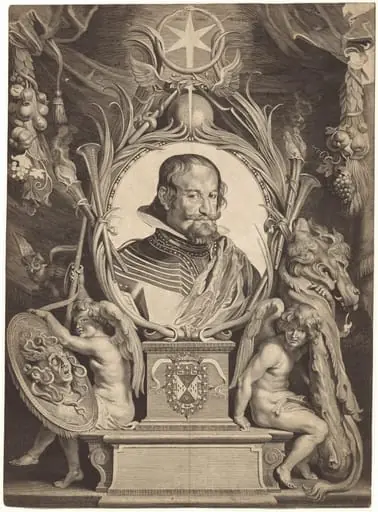
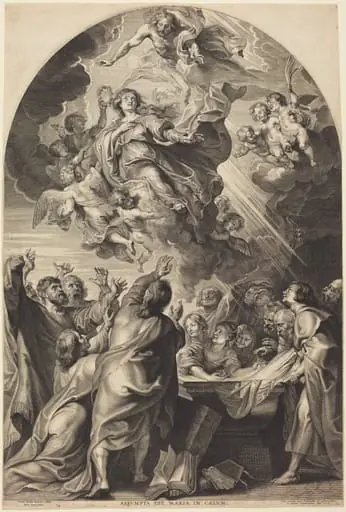
This engraving, produced around 1634 by Paulus Pontius, portrays the Dutch painter Cornelis van Poelenburgh. Executed in the medium of intaglio printmaking, the work reflects Pontius’s skill as a reproductive artist trained in the Rubens workshop. It captures a portrait of van Poelenburgh with careful attention to texture and form, typical of early 17th-century Flemish printmaking traditions.
Subject & Meaning
Cornelis van Poelenburgh was known for his small-scale Italianate landscapes, often populated with mythological or biblical figures.
Cornelis van Poelenburgh was known for his small-scale Italianate landscapes, often populated with mythological or biblical figures. The portrait presents him in a contemplative pose, dressed in the loose, high-collared attire of a learned artist. The dark background and subtle lighting emphasize his face and hands, suggesting an identity rooted in intellectual and creative labor rather than aristocratic status.
Technique & Style
Pontius employed fine, controlled lines to render the texture of fabric, hair, and skin, demonstrating mastery of engraving. The contrast between the illuminated face and the shadowed background enhances three-dimensionality. Details like the curl of the mustache and the folds of the shirt are rendered with precision, aligning with Baroque ideals of naturalism and tactile realism in portraiture.
History & Provenance
Created during Pontius’s active years following Rubens’s death, the engraving likely served to document prominent artists of the period. It may have been part of a series of portraits commissioned by publishers or collectors interested in preserving the likenesses of leading Northern European painters. No definitive early ownership records are known, but the work circulated among print collectors in the Low Countries.
Context
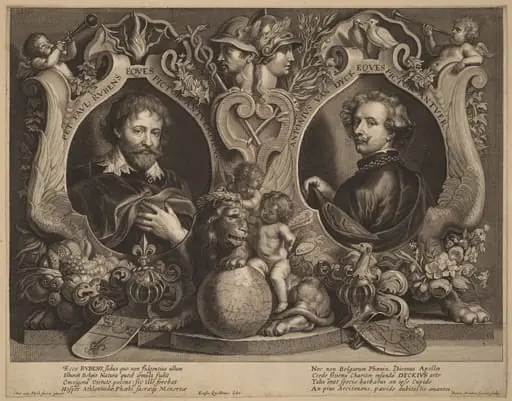
In the 1630s, engraved portraits of artists were increasingly used to establish reputations and disseminate images beyond the original paintings. Pontius, working within a network that included van Dyck and Jordaens, contributed to this trend. Van Poelenburgh’s inclusion reflects his recognition among peers, despite his relative obscurity compared to contemporaries like Rembrandt or Ruisdael.
Legacy
The engraving remains one of the few reliable visual records of Cornelis van Poelenburgh’s appearance. It provides insight into how artists were visually represented in their time—not as celebrities, but as figures of quiet professional dignity. Pontius’s technique influenced later reproductive printmakers, preserving the likenesses of artists who might otherwise have been forgotten.
Artist & collection
Artist
Paulus Pontius (27 May 1603 – 16 January 1658) was a Flemish engraver and painter.