Artwork
Jean-Louis Guez de Balzac
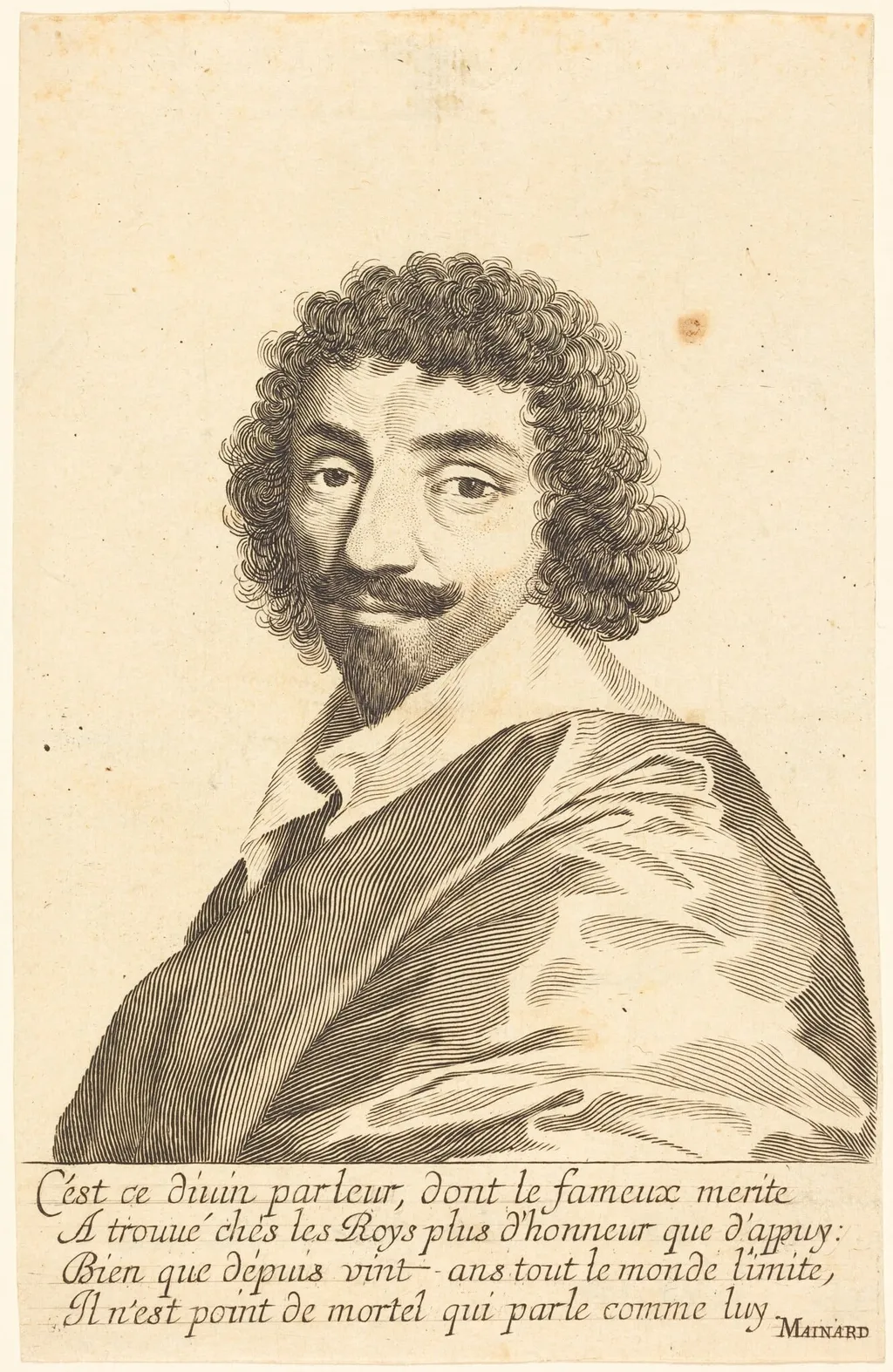
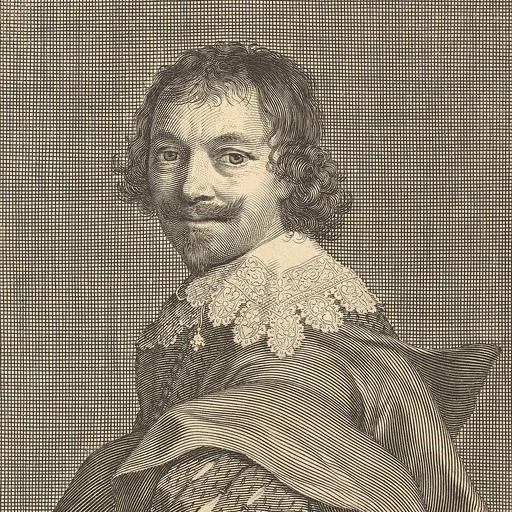
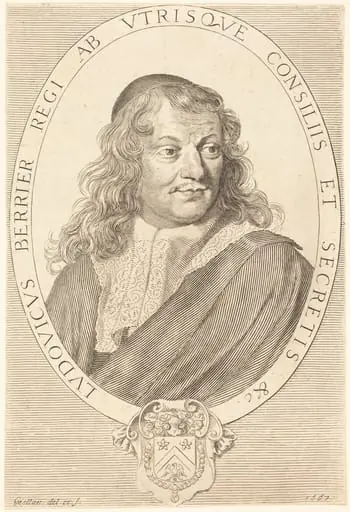
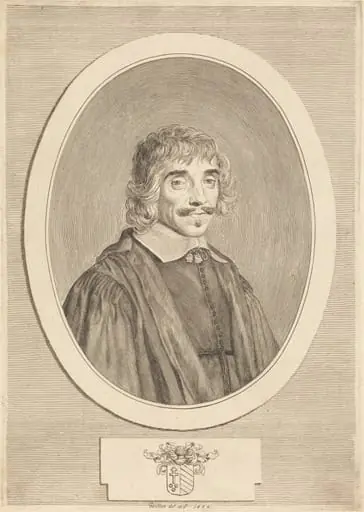
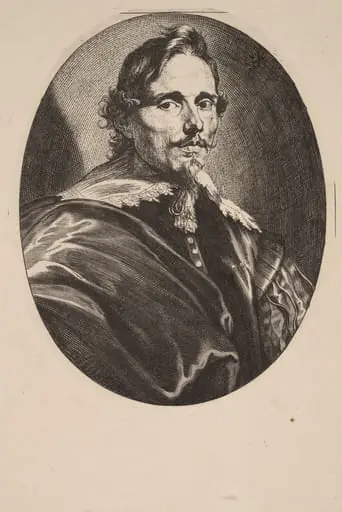
Jean-Louis Guez de Balzac is an ink print by the Baroque artist Claude Mellan. It dates from 1637 and is held in the collection of the National Gallery of Art.
About this work
Overview
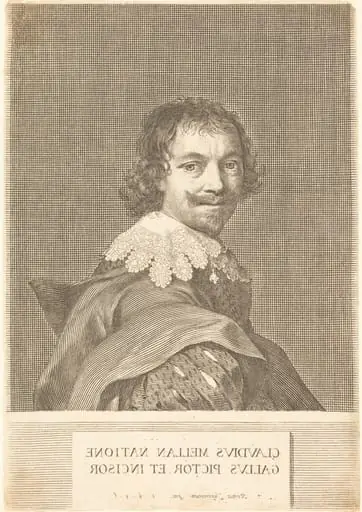
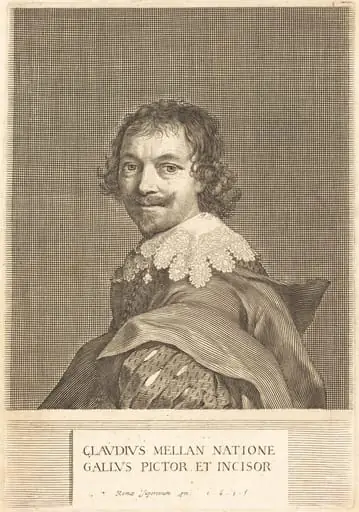
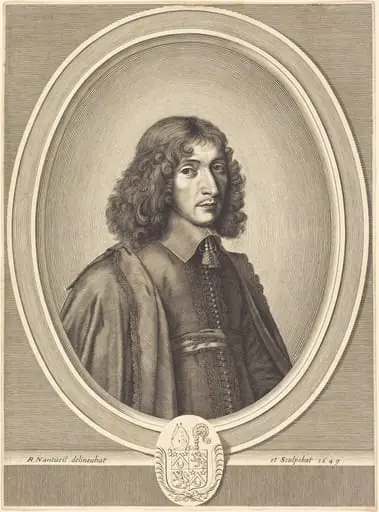
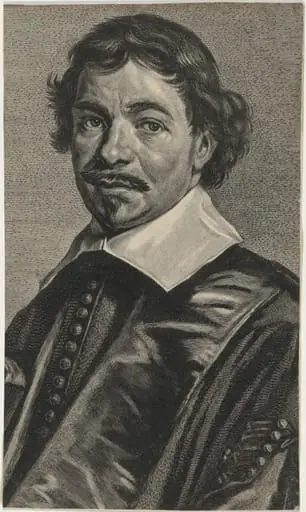
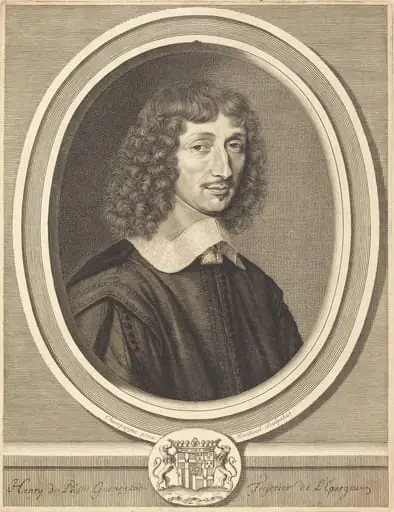
This black-and-white engraving, dated around 1637, depicts Jean-Louis Guez de Balzac, a French writer and stylist. Executed on laid paper, the portrait is rendered entirely in fine, precise lines. The medium emphasizes tonal gradation through dense cross-hatching rather than wash or tone, a hallmark of Claude Mellan’s approach to portraiture in print.
Subject & Meaning
The subject, Jean-Louis Guez de Balzac, was renowned for his refined prose and influence on French literary style. The portrait captures him with a contemplative expression, dressed in a loose, draped robe that suggests scholarly dignity. Inscriptions beneath the image honor his rhetorical skill, framing the image as both likeness and tribute to his intellectual authority.
Technique & Style
Claude Mellan employed a technique of intricate, interwoven lines to model form and texture. Shadows and fabric folds are built through meticulous cross-hatching, with no use of tone or wash. The sharpness of the lines and the paper’s slight yellowing reflect the print’s age and the precision of hand-engraved copperplate work, typical of early 17th-century French printmaking.
History & Provenance
Created circa 1637, the engraving was likely produced during Balzac’s lifetime as part of a broader cultural effort to memorialize prominent literary figures. It circulated among intellectual circles in France and may have been collected by patrons of the arts. Its survival on original laid paper suggests careful preservation over centuries.
Context
In mid-17th century France, engraved portraits of writers were increasingly used to elevate literary figures to the status of public intellectuals. Mellan’s work aligns with this trend, reflecting a society that valued textual mastery and sought visual representations to accompany literary achievement, bridging print culture and humanist ideals.
Legacy
The engraving remains a significant example of Mellan’s mastery of line and his contribution to French portrait engraving. It documents how visual art served literary culture, preserving the image of a key figure in the development of French prose. Its technical discipline continues to inform studies of early modern print techniques.
Artist & collection