Artwork
Vanitas
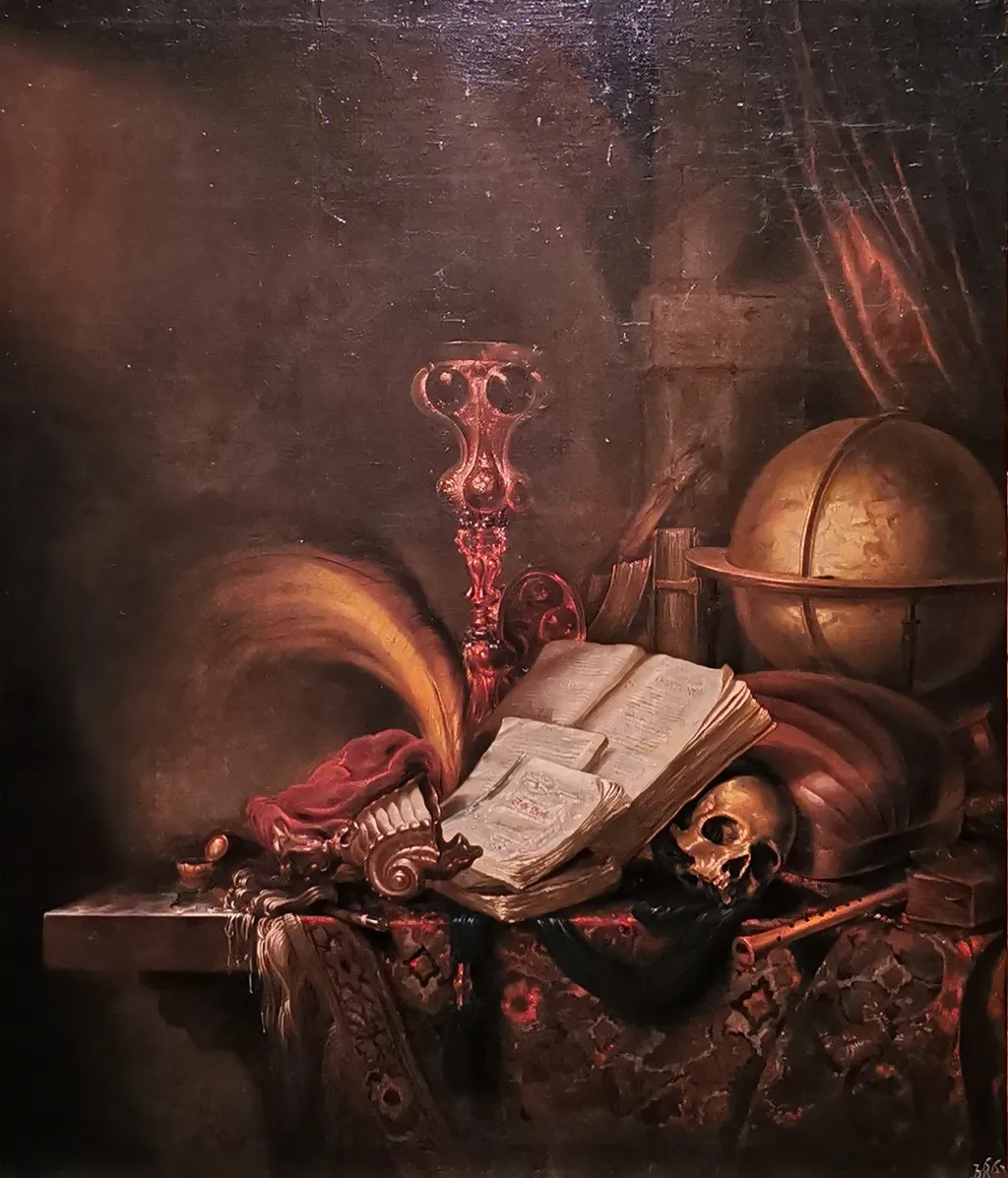
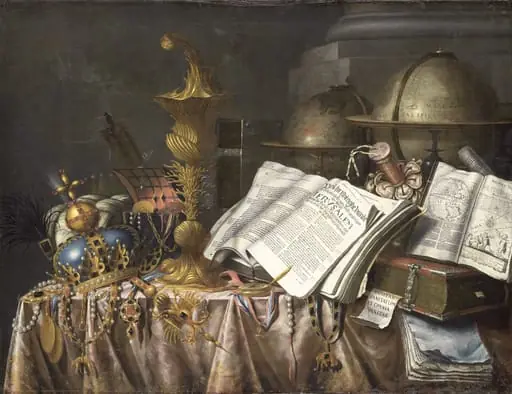
Vanitas is an oil painting by the Dutch Golden Age artist Brodero Matthisen. It dates from 1651 and is held in the collection of the Staatliche Kunstsammlungen Dresden.
About this work
Overview
The work resides in the Gemäldegalerie Alte Meister, where it contributes to a broader tradition of vanitas imagery in Dutch and Flemish painting.
Painted in 1651 by Brodero Matthisen, Vanitas is an oil-on-canvas still life that reflects the moral and philosophical concerns of 17th-century Northern European art. It presents a carefully arranged ensemble of symbolic objects meant to evoke the transience of life and the futility of worldly pursuits. The work resides in the Gemäldegalerie Alte Meister, where it contributes to a broader tradition of vanitas imagery in Dutch and Flemish painting.
Subject & Meaning
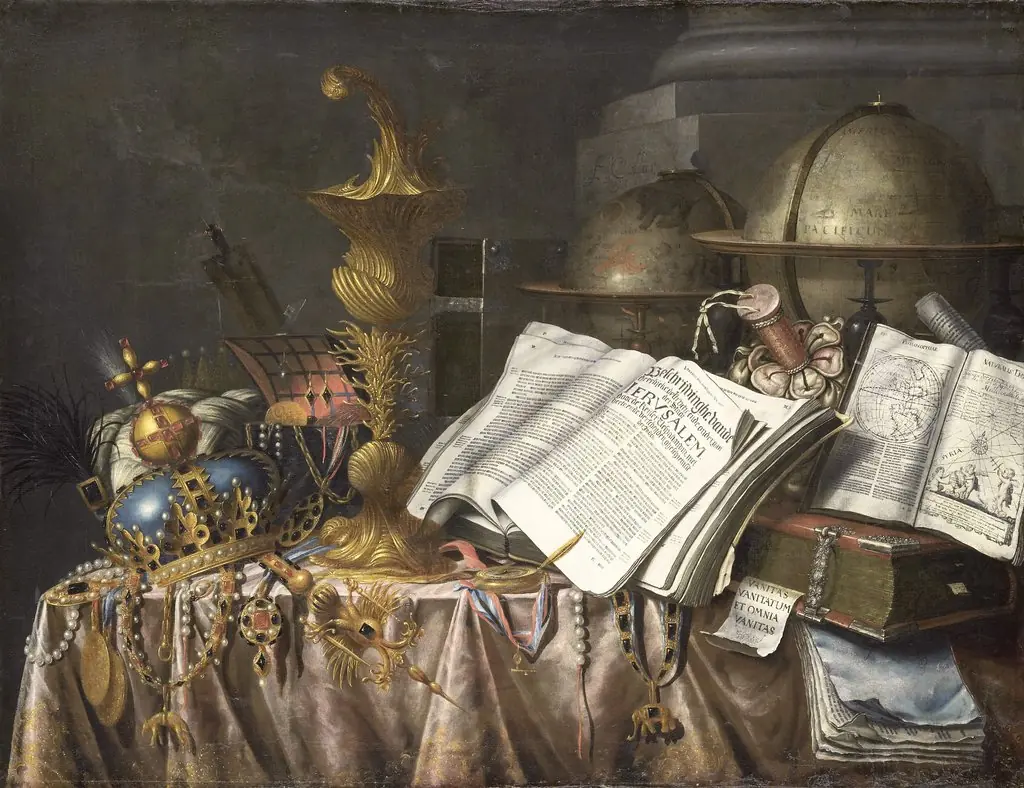
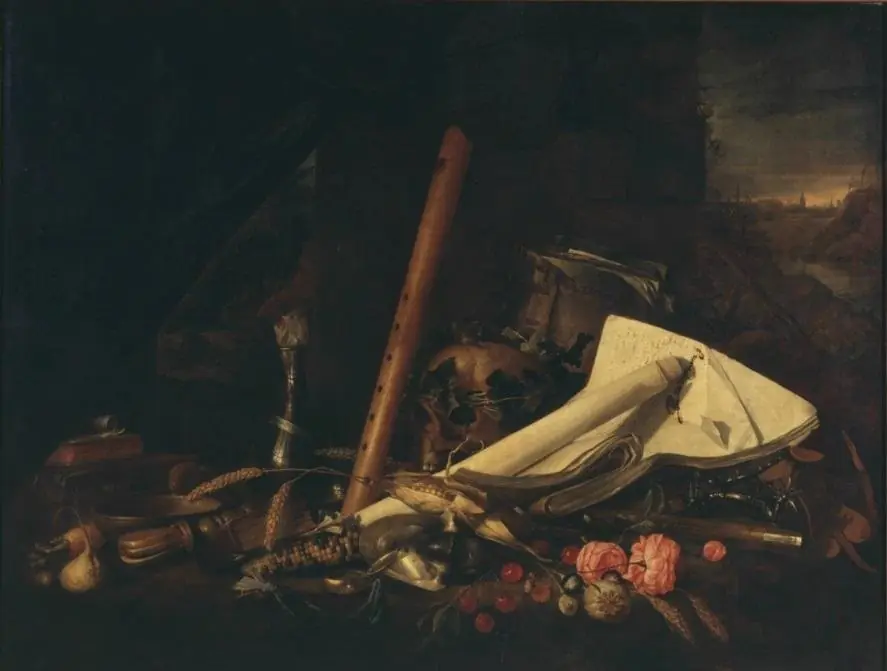
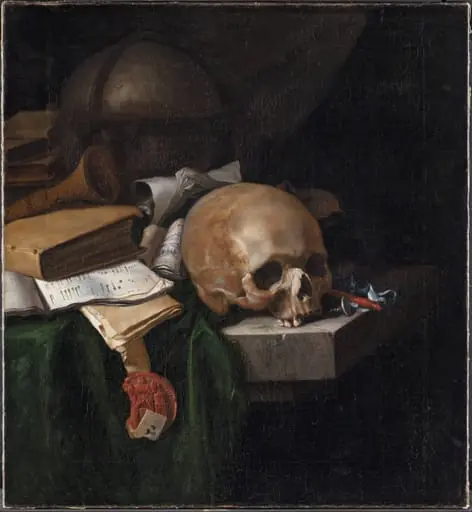
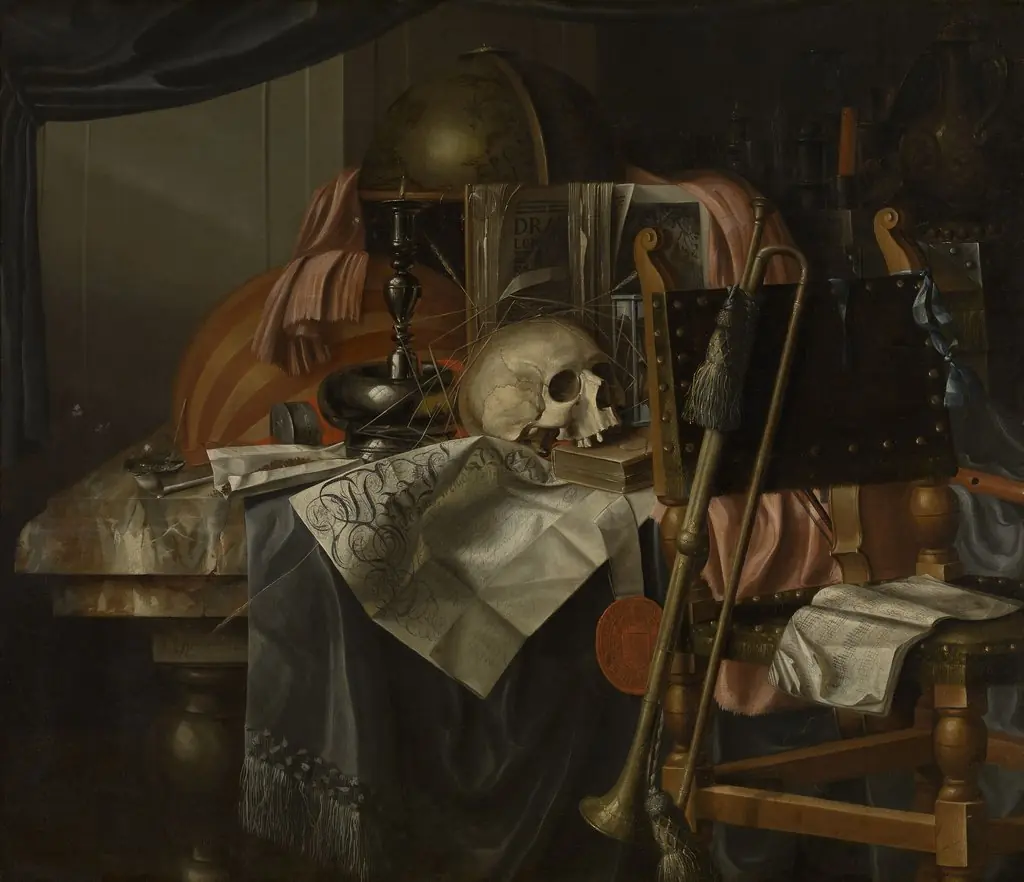
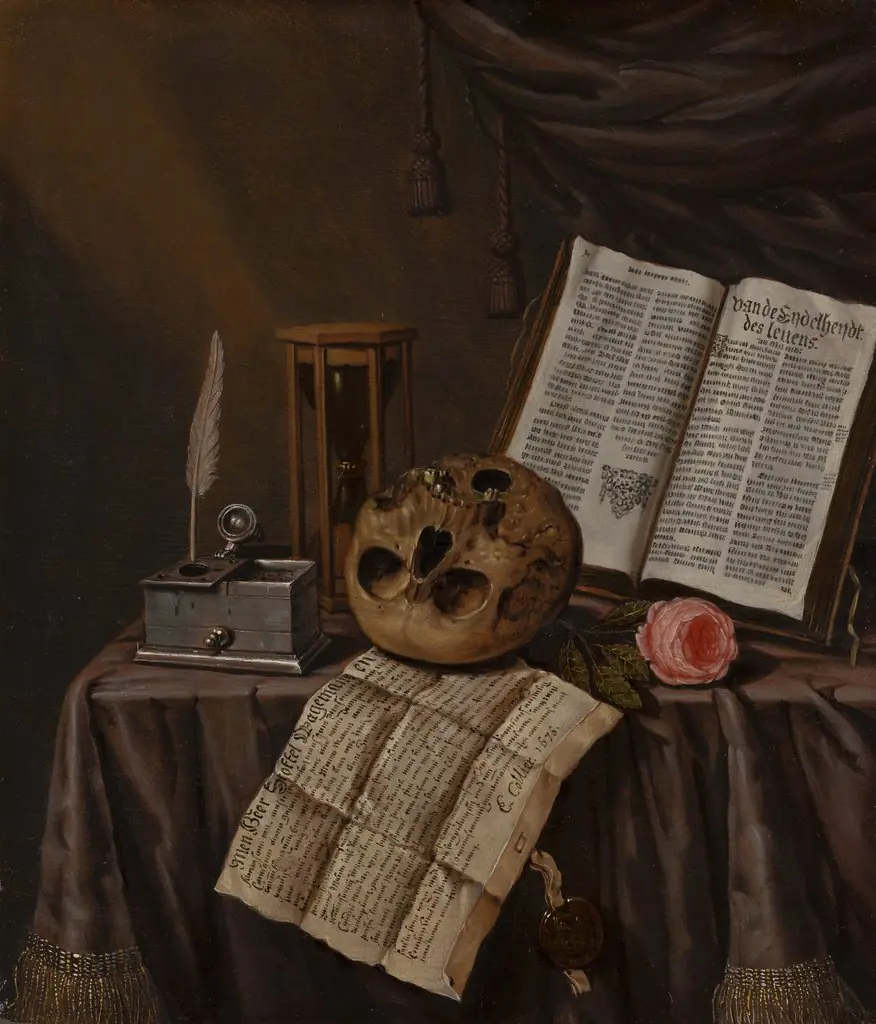
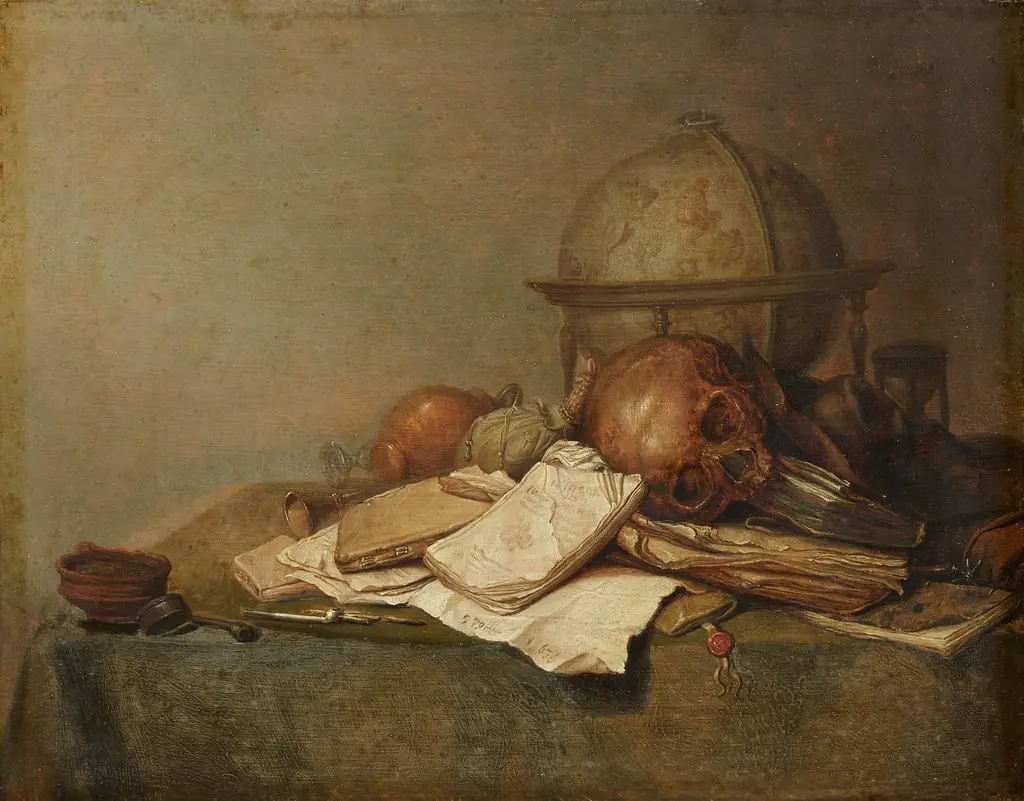
The painting’s composition includes a skull, a closed book, a globe, a seashell, and a draped red cloth—each element carrying symbolic weight. The skull signifies mortality, the book represents knowledge and intellectual ambition, and the globe alludes to earthly power and exploration. The shell, often linked to pilgrimage or vanity, and the rich fabric suggest fleeting luxury. Together, they form a quiet meditation on impermanence and the inevitability of death.
Technique & Style
Matthisen employs chiaroscuro to model forms with subtle gradations of light and shadow, enhancing the three-dimensionality of the objects. The palette is restrained, dominated by earthy browns and muted golds, with the red cloth providing a restrained contrast. Brushwork is precise, capturing textures—leather bindings, polished bone, curved shell—without overt flourish. The arrangement is balanced yet informal, avoiding theatricality in favor of sober realism.
History & Provenance
Created in 1651, the painting entered the collection of the Gemäldegalerie Alte Meister in Dresden, likely during the 18th or early 19th century as part of a broader acquisition of Northern European works. Its attribution to Brodero Matthisen, a lesser-known artist of the period, suggests it was valued for its thematic coherence rather than the artist’s fame. No significant alterations or restorations are documented in public records.
Context
Vanitas paintings flourished in the Netherlands and Germany during the 17th century, often commissioned by wealthy patrons as reminders of spiritual priorities amid rising commercialism. Religious reform movements and the trauma of the Thirty Years’ War reinforced preoccupations with mortality. Matthisen’s work aligns with this trend, offering a contemplative, non-dramatic interpretation that reflects the introspective tone of post-war Northern European culture.
Legacy
Though not widely reproduced or studied, the painting remains a representative example of quiet vanitas tradition, distinct from more ornate or allegorical versions. Its restrained aesthetic and emphasis on material texture influenced later still-life painters who favored understated symbolism. Today, it serves as a quiet testament to the enduring cultural preoccupation with time, decay, and the limits of human achievement.
Own this work as a print
Artist & collection

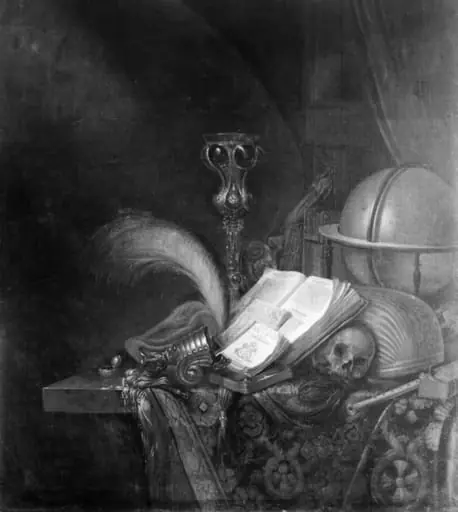 Still Life with a Bird of Paradise and Other Things
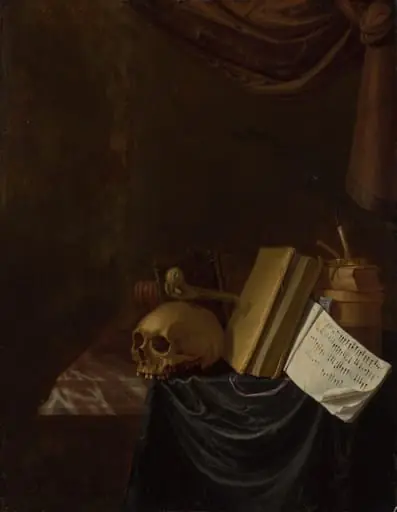 Untitled
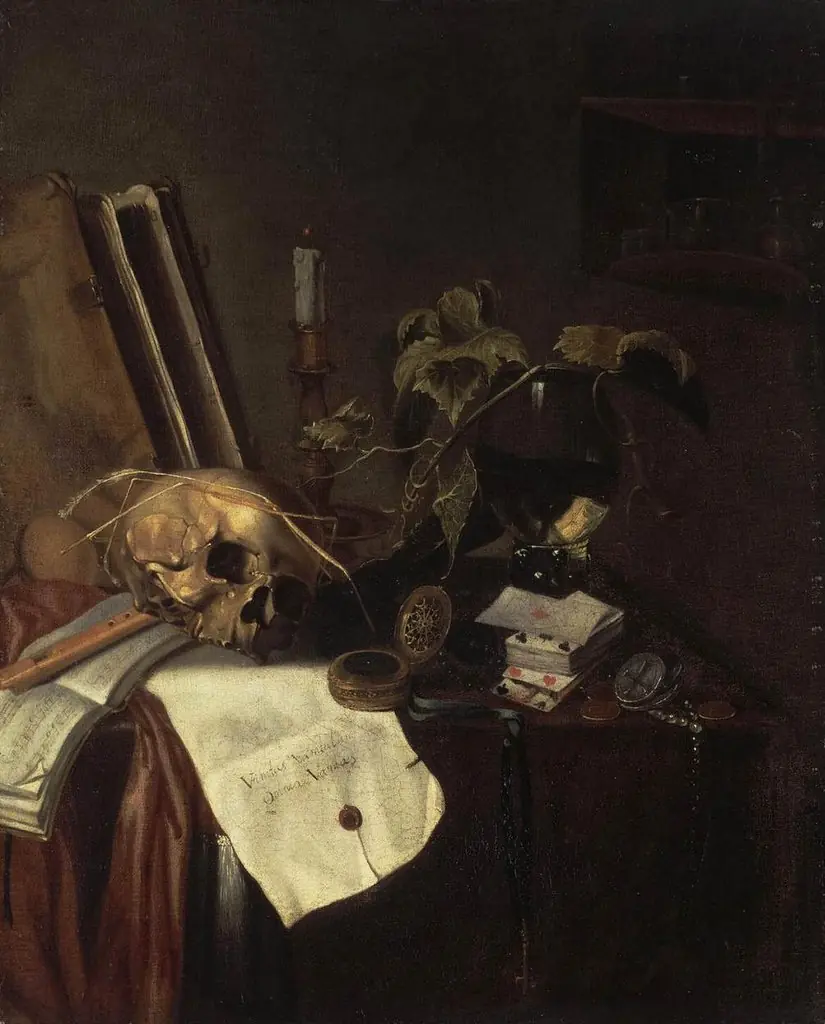 Still Life
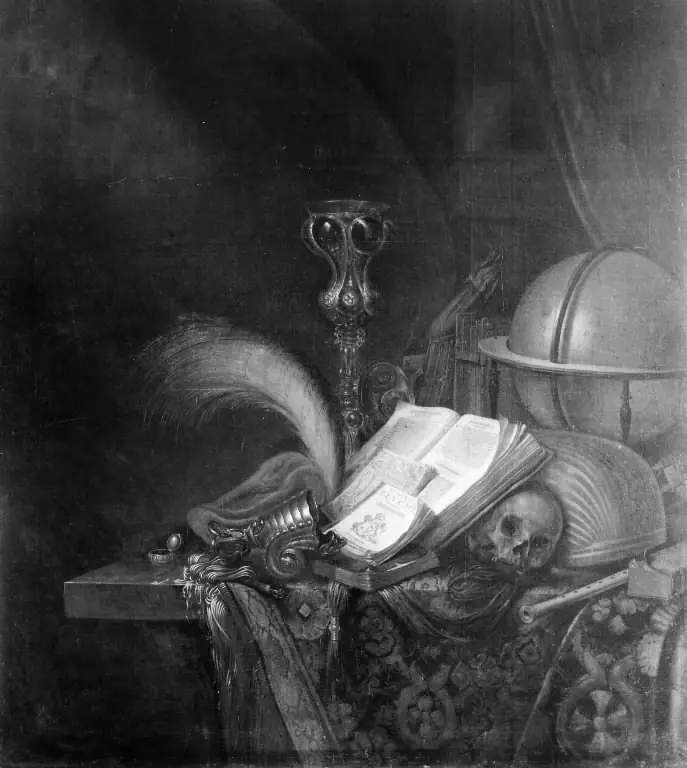 Still Life with a Bird of Paradise and Other Things
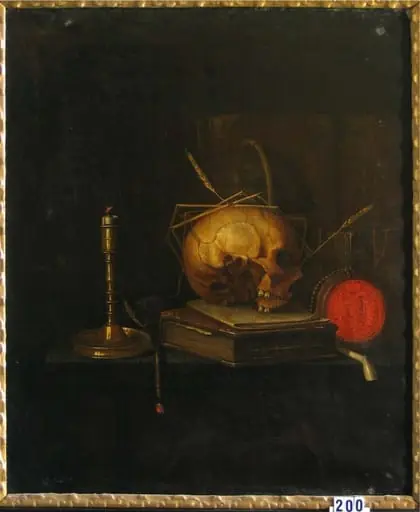 Deșertăciunea deșertăciunilor (pandant: Memento mori)
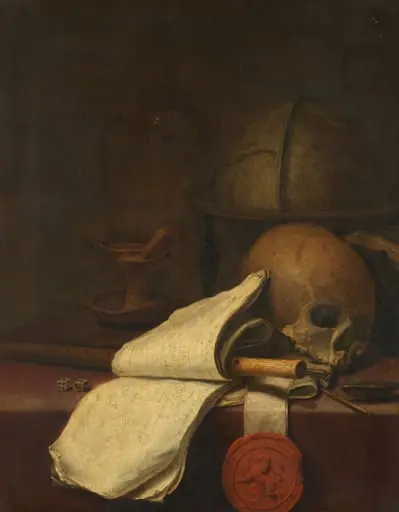 Vanitas Still Life
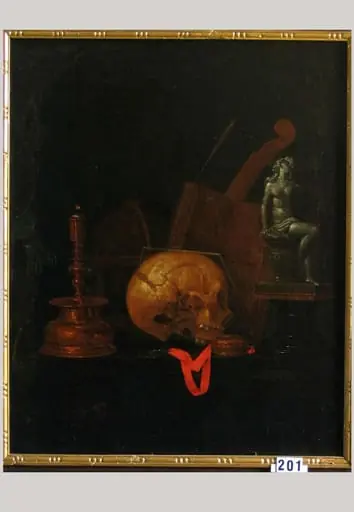 Memento mori (pandant: Deșertăciunea deșertăciunilor)
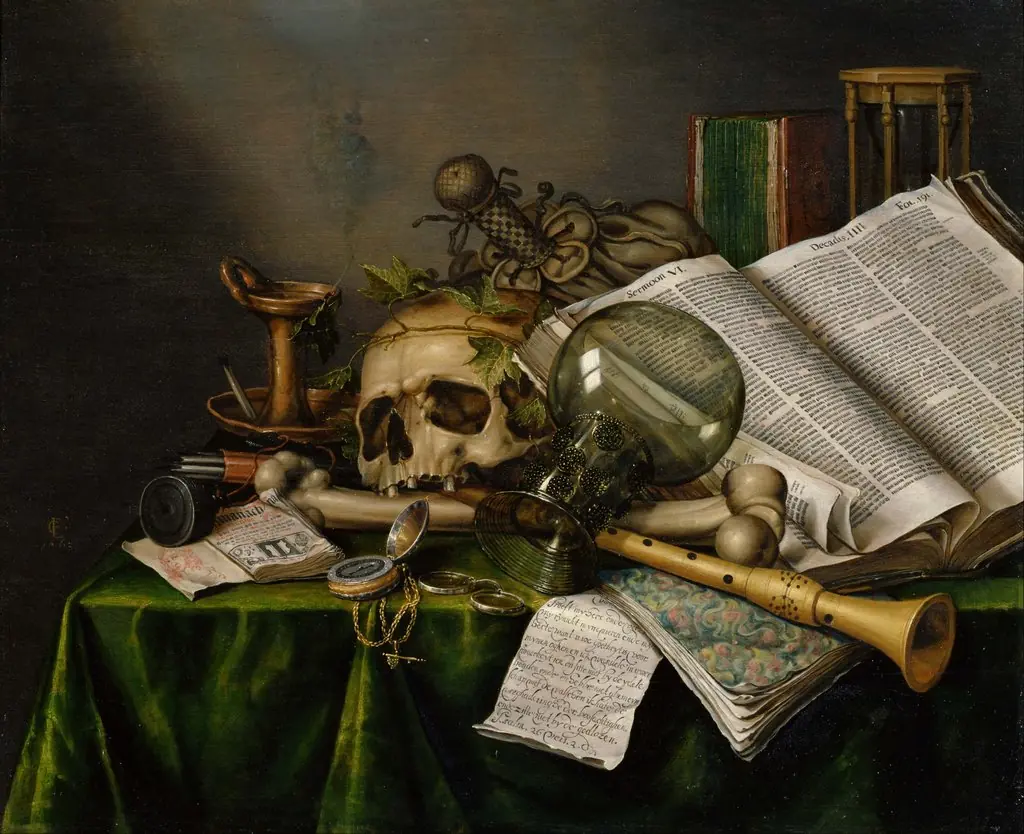 Vanitas, Still Life with Books and Manuscripts and a Skull
 Vanitas Still Life