Artwork
Vanitas
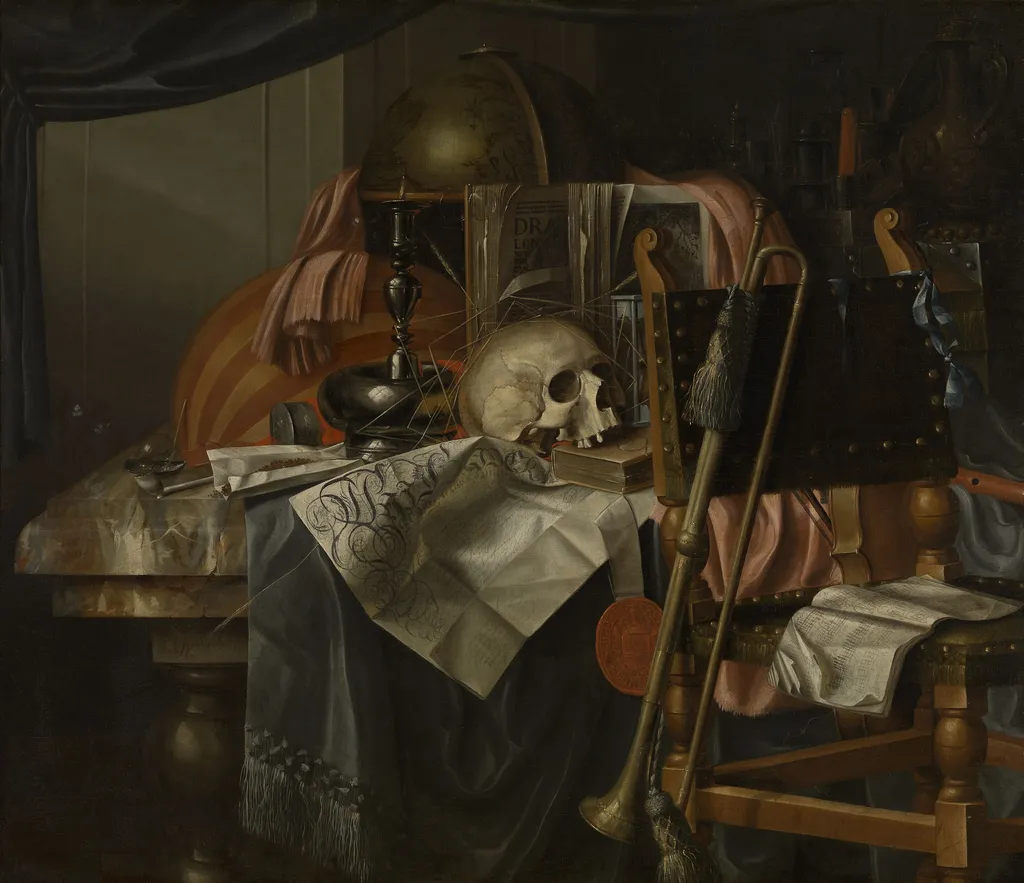
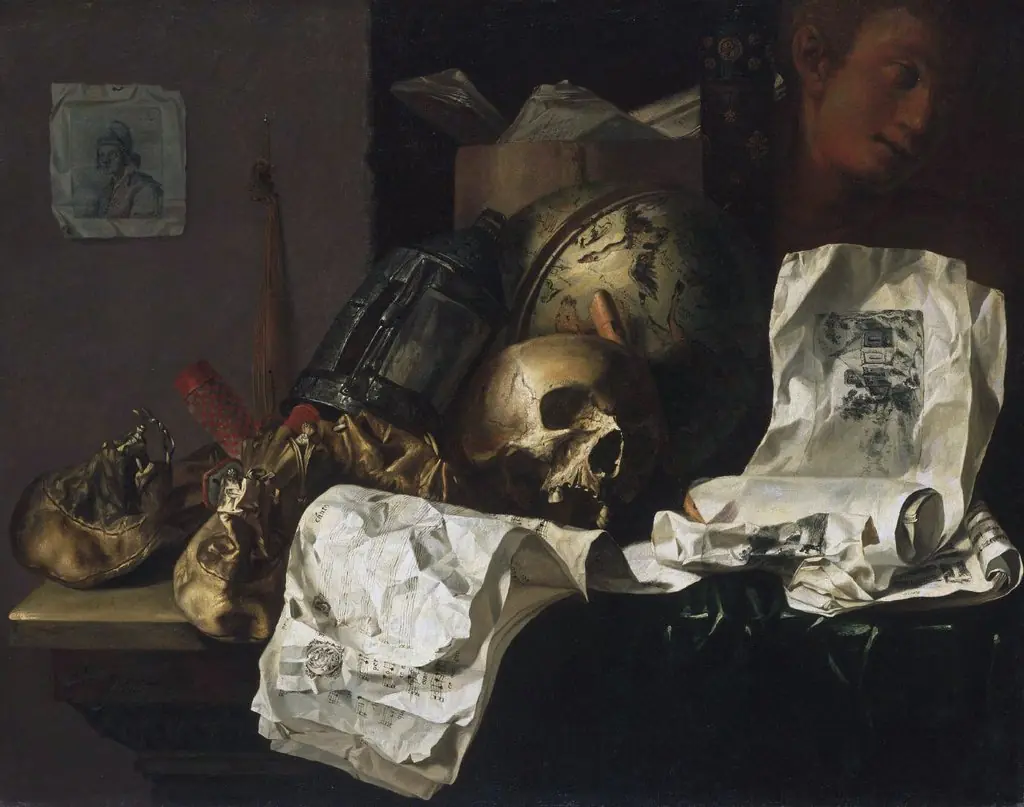
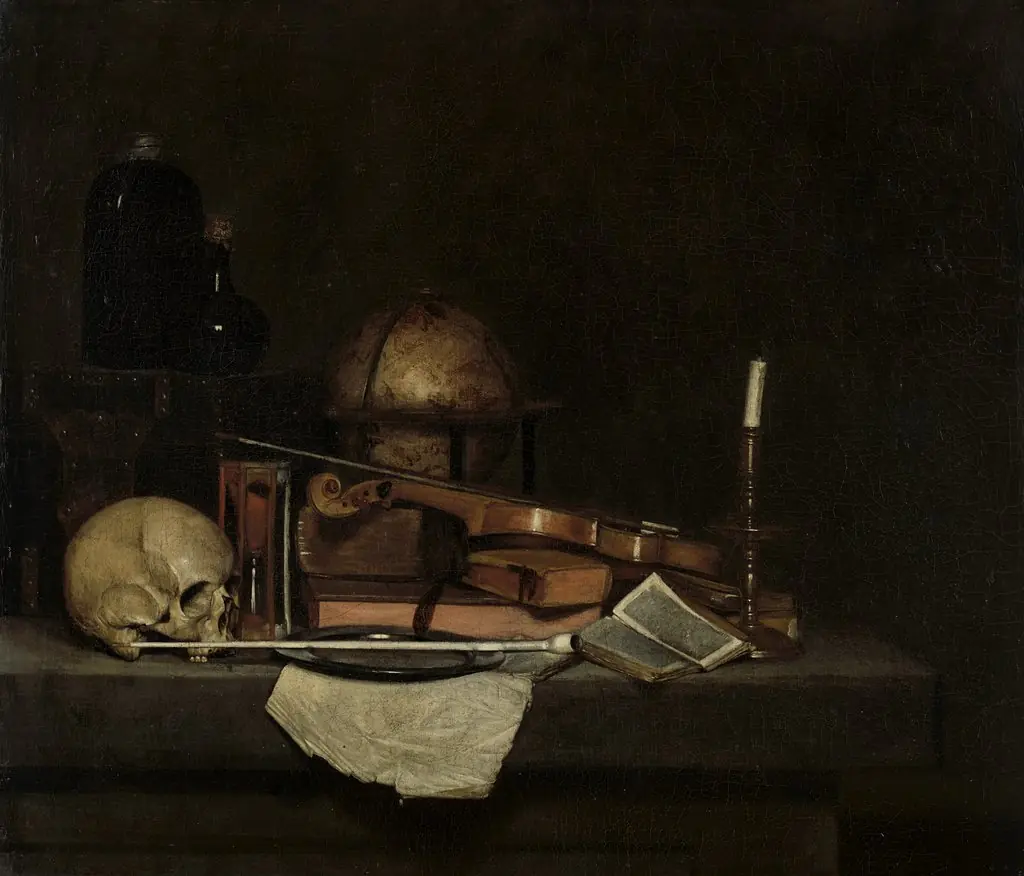
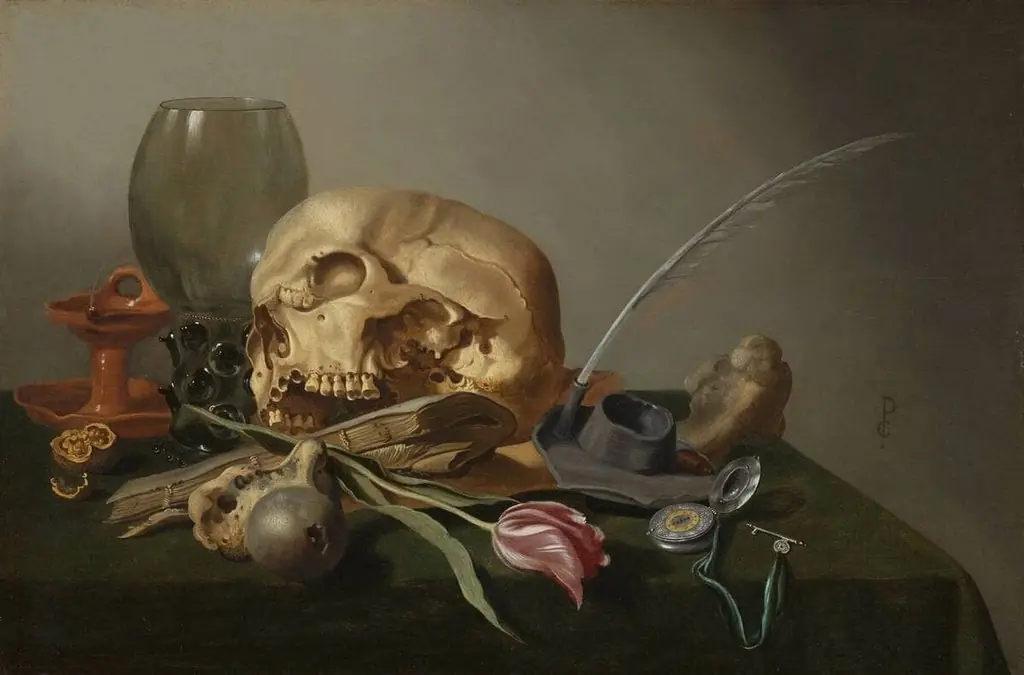
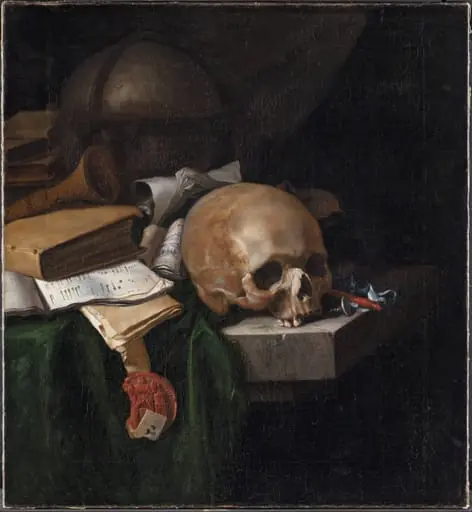
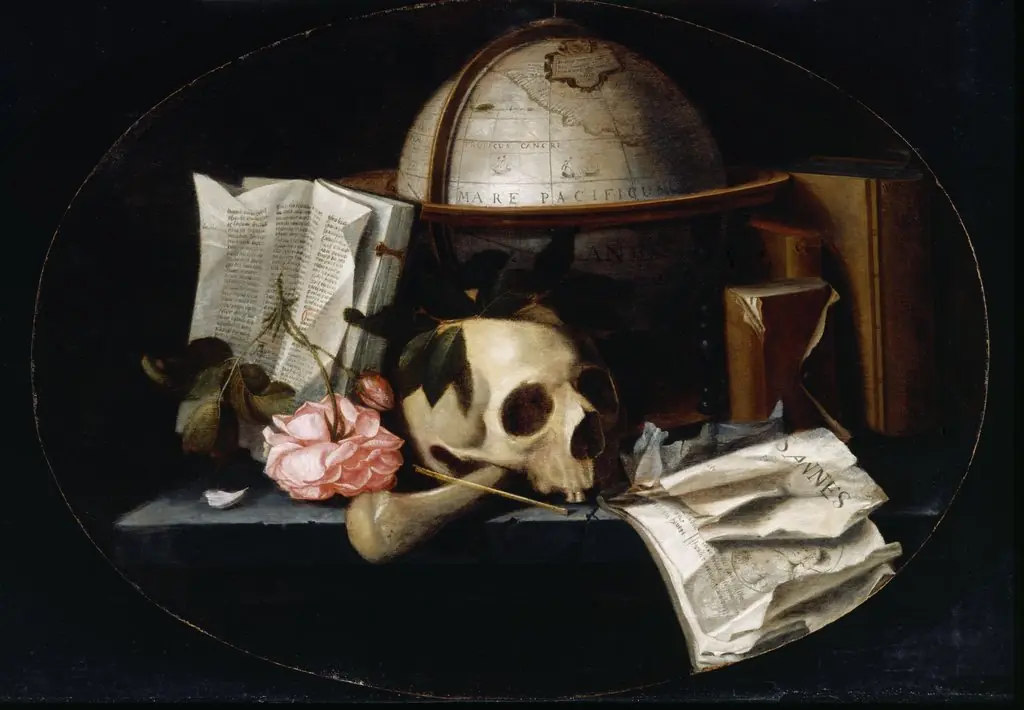
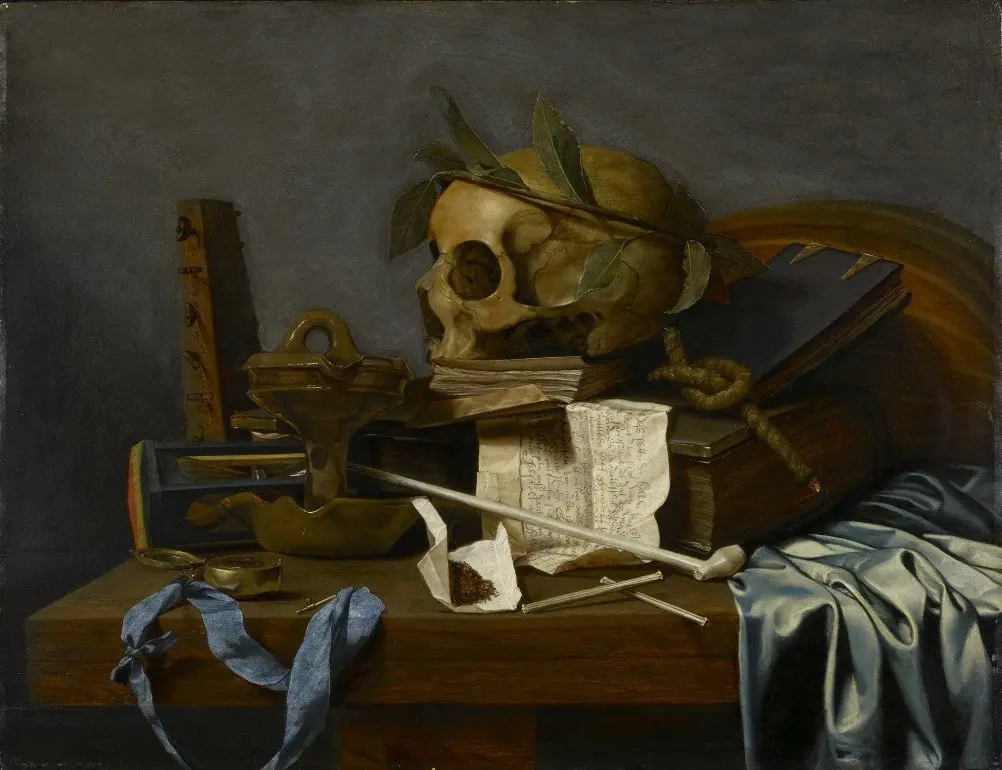
Vanitas is an oil painting by the Flemish Baroque painting artist Franciscus Gijsbrechts. It dates from 1650 and is held in the collection of the Royal Museum of Fine Arts Antwerp.
About this work
Overview
Painted circa 1650 by Franciscus Gijsbrechts, this oil-on-canvas still life belongs to the vanitas tradition within Flemish Baroque art.
Painted circa 1650 by Franciscus Gijsbrechts, this oil-on-canvas still life belongs to the vanitas tradition within Flemish Baroque art. Gijsbrechts, active in the latter half of the seventeenth century, specialized in illusionistic compositions that merged symbolic still life with trompe-l'œil effects. His work reflects a broader cultural preoccupation with transience, rooted in religious and moral thought of the period.
Subject & Meaning
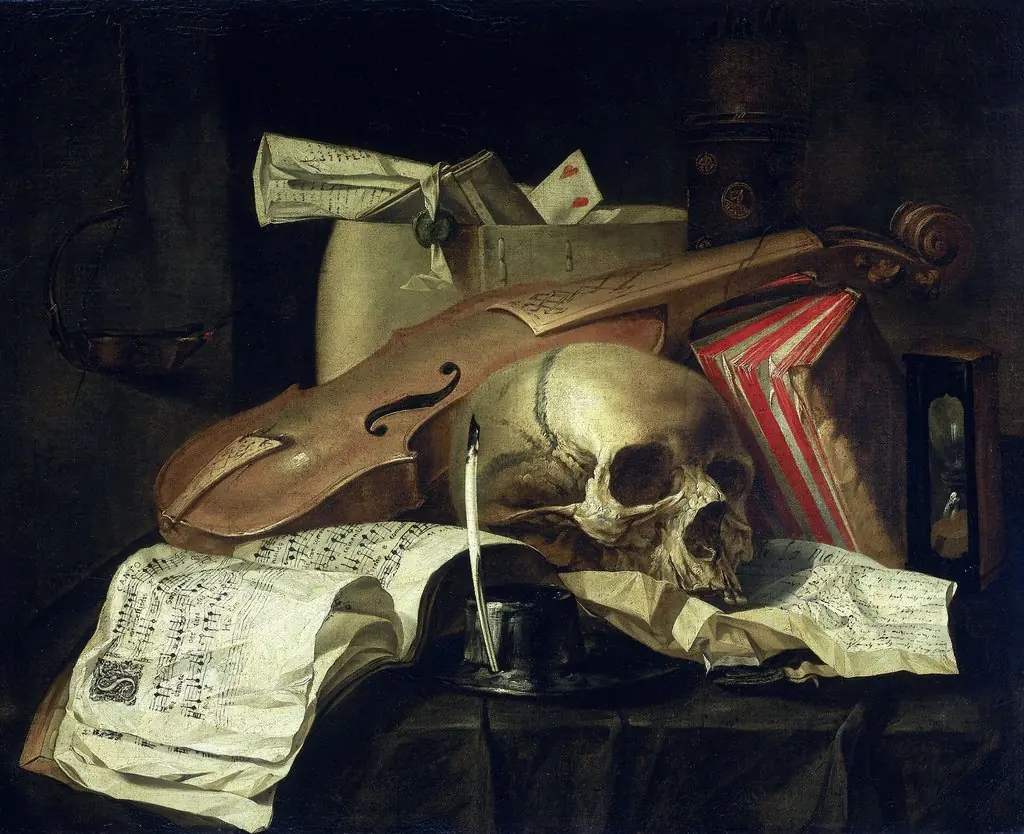
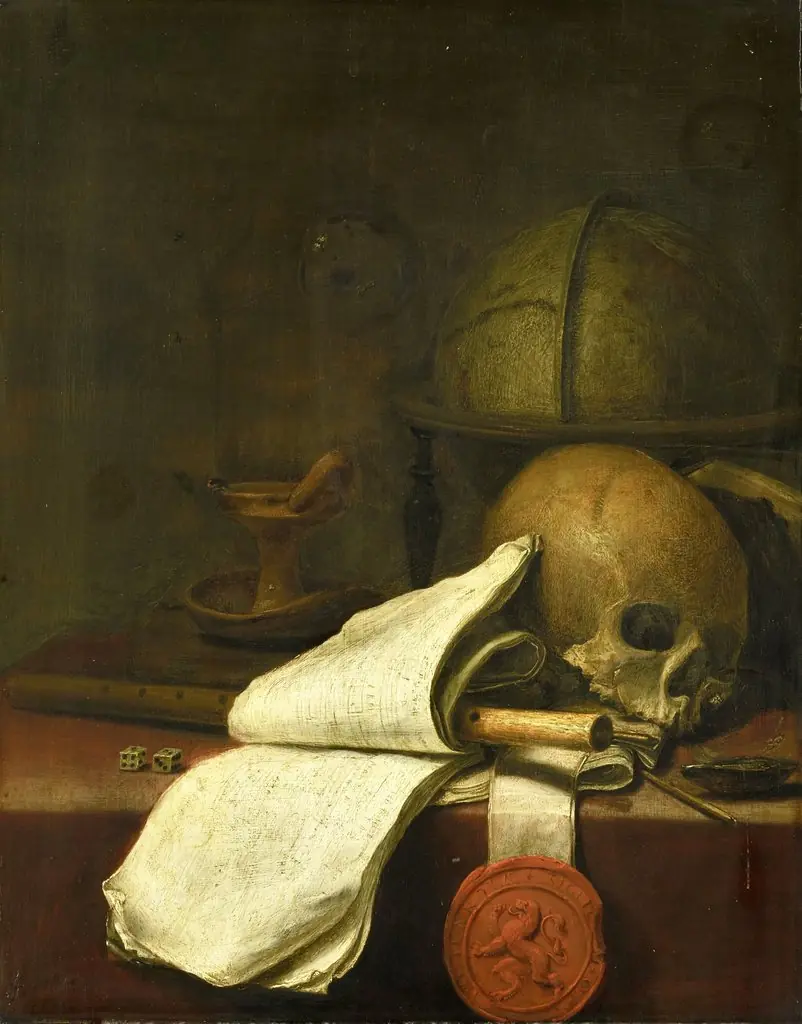
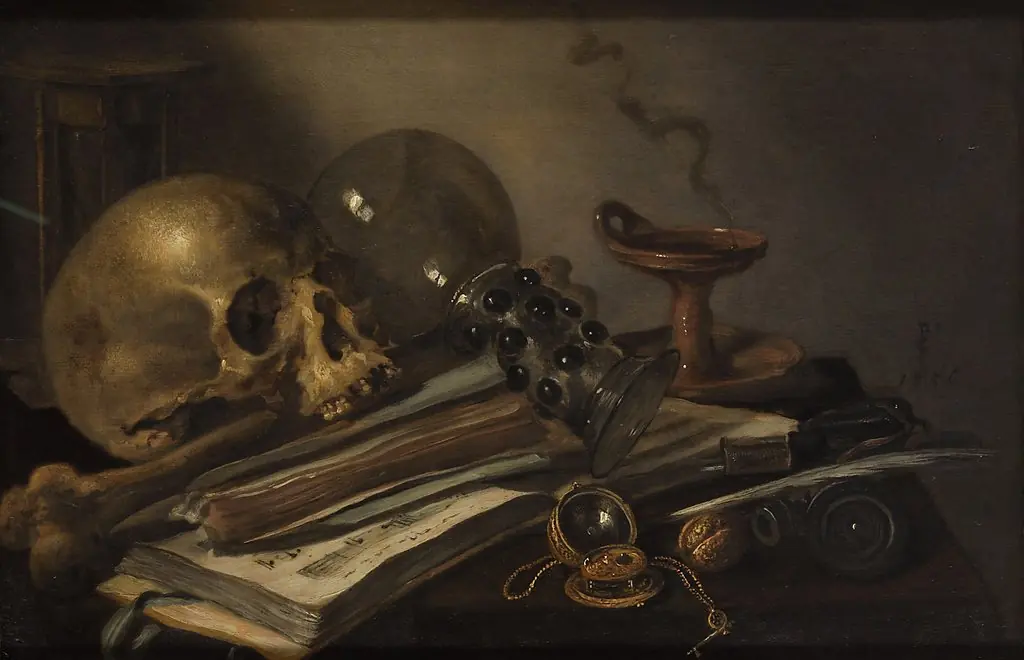
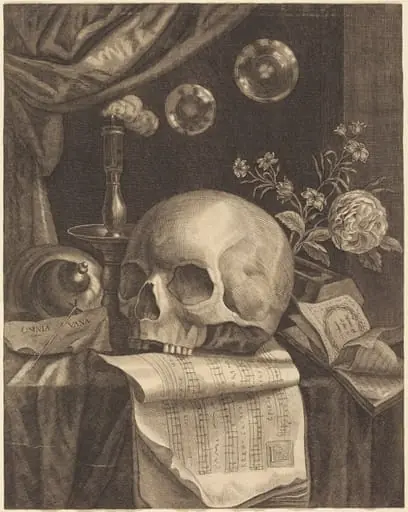
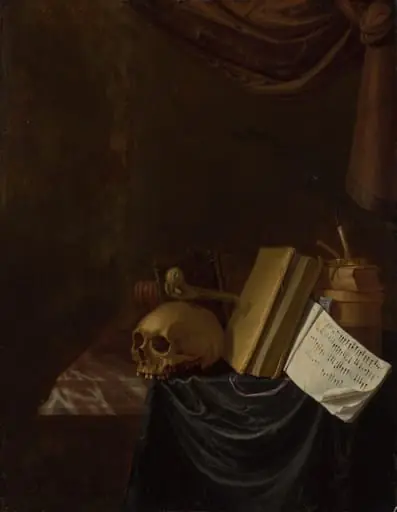
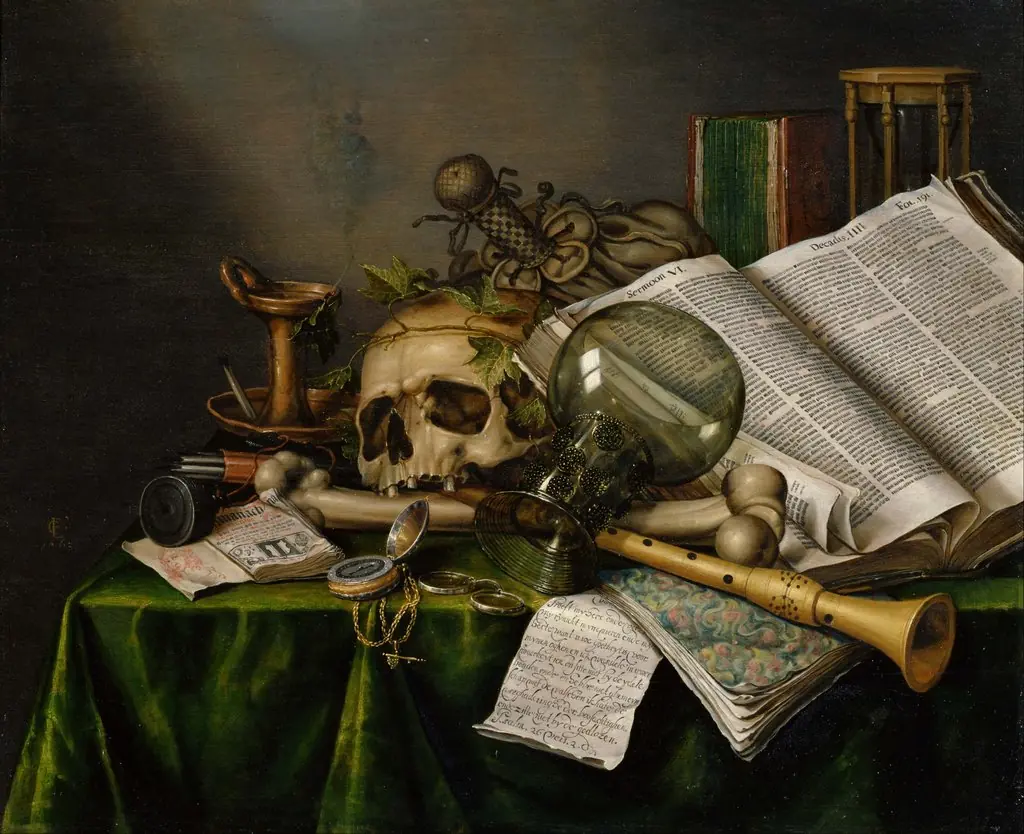
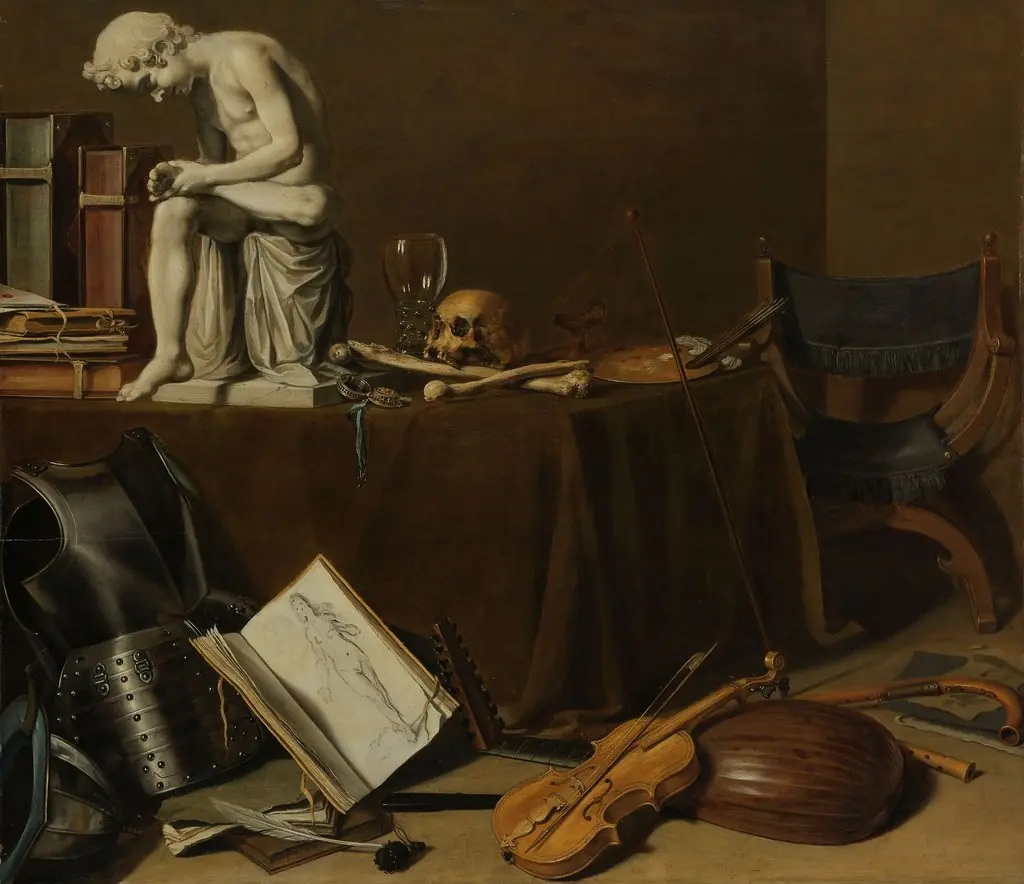
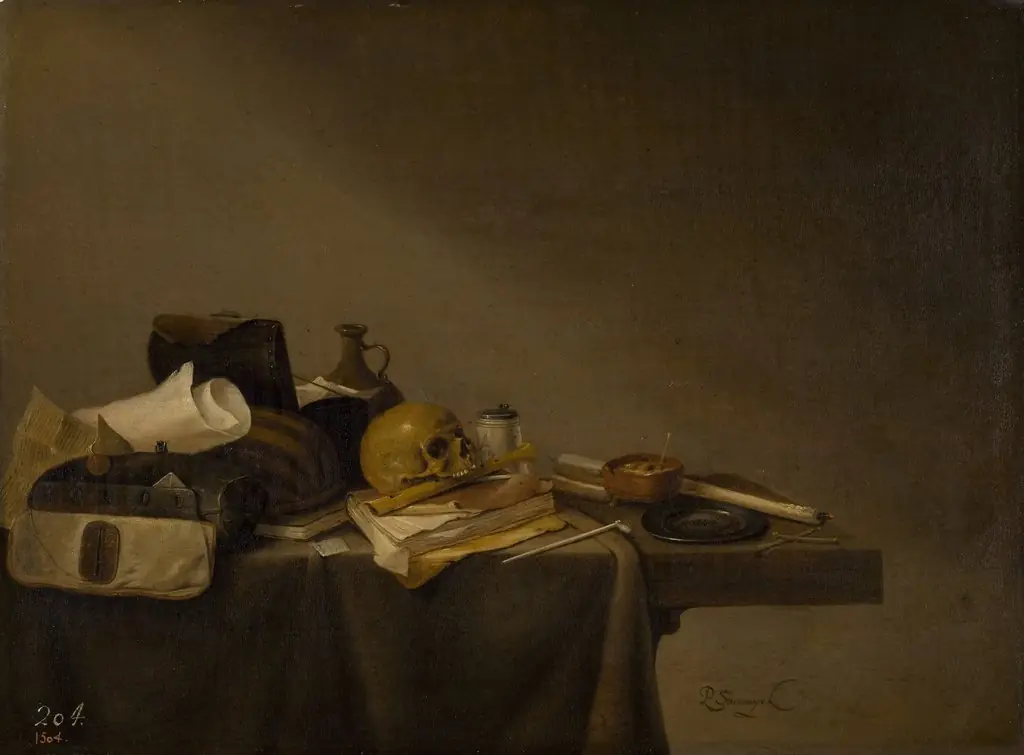
The painting presents a collection of objects—skulls, extinguished candles, wilting flowers, and overturned vessels—each carrying symbolic weight tied to mortality and the futility of earthly pursuits. These elements, arranged with deliberate imbalance, serve as visual meditations on decay and the impermanence of life, aligning with Christian teachings on humility and the afterlife.
Technique & Style
Gijsbrechts employed precise brushwork and careful lighting to render surfaces with convincing realism, from the sheen of glass to the texture of parchment. His use of shadow and perspective creates a tactile illusion, drawing the viewer into a space that appears tangible yet is carefully constructed to question perception. The composition avoids ornamentation, focusing attention on the symbolic weight of each object.
History & Provenance
The painting entered the collection of the Royal Museum of Fine Arts Antwerp in the nineteenth century, where it remains today. Its attribution to Franciscus Gijsbrechts is supported by stylistic parallels with his other known works and documented family ties to his father, Cornelis Norbertus Gijsbrechts, also a painter of illusionistic still lifes.
Context
Flemish vanitas paintings flourished in the mid-seventeenth century amid religious upheaval and economic change. Urban elites commissioned such works as reminders of spiritual priorities amid material wealth. Gijsbrechts’ approach, influenced by earlier Dutch and Flemish traditions, contributed to a regional dialogue on the limits of perception and the moral responsibilities of observation.
Legacy
Gijsbrechts’ work helped sustain the vanitas genre through technical refinement and psychological subtlety. Though less widely known than contemporaries, his paintings exemplify how illusionism could serve moral ends. His influence is visible in later still-life traditions that continued to explore the boundary between appearance and truth.
Own this work as a print
Artist & collection
Artist
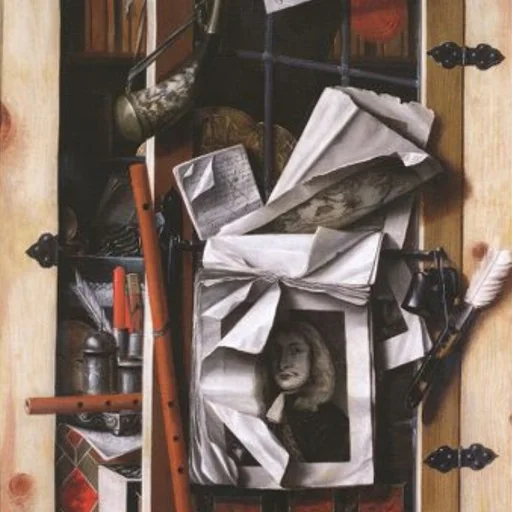
Franciscus Gijsbrechts, also spelled Gysbrechts, (1649, Antwerp – after 1677), was a Flemish painter who specialised in vanitas still lifes and trompe-l'œil paintings.