Artwork
Herbert Beerbohm Tree as King John in <i>King John</i> by William Shakespeare
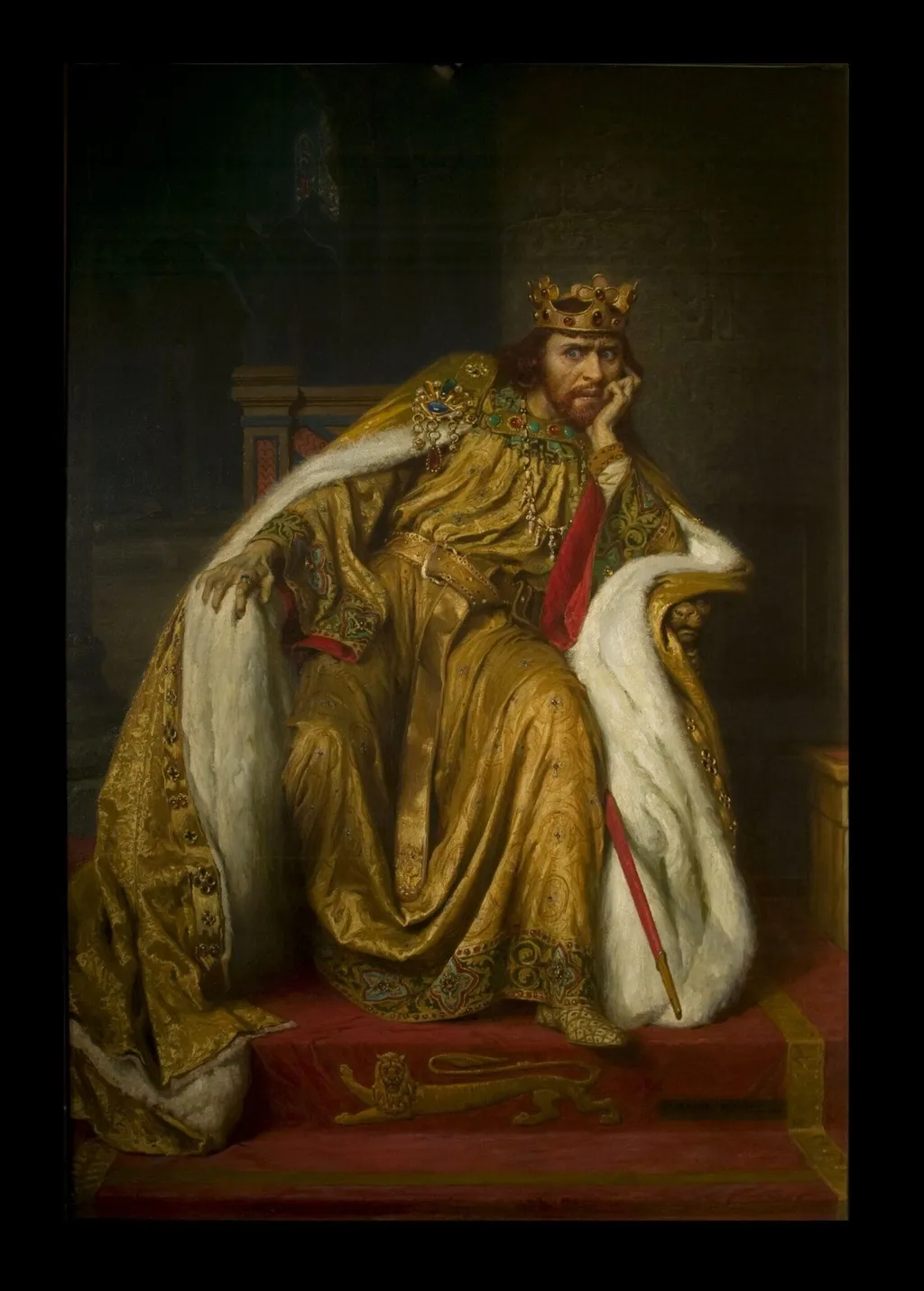
Herbert Beerbohm Tree as King John in <i>King John</i> by William Shakespeare is a paint painting by the Impressionist artist Charles Buchel. It dates from 1900 and is held in the collection of the Victoria and Albert Museum.
About this work
Overview
An oil on canvas portrait by Charles Buchel, completed in 1900, captures Herbert Beerbohm Tree in the role of King John from Shakespeare’s history play.
An oil on canvas portrait by Charles Buchel, completed in 1900, captures Herbert Beerbohm Tree in the role of King John from Shakespeare’s history play. Measuring over two meters in height, it is the largest and most elaborate of Buchel’s three portraits of Tree in character. Painted in Buchel’s studio, the work preserves Tree’s full theatrical costume, makeup, and posture as performed on stage, reflecting the fusion of live theater and fine art in late Victorian England.
Subject & Meaning
The portrait depicts Tree as King John in Act 4 of Shakespeare’s play, holding a scepter and dressed in an opulent costume designed by Percy Anderson. The imagery emphasizes royal authority and historical gravitas, aligning with Tree’s reputation for lavish, archaeologically inspired Shakespearean productions. Rather than conveying psychological depth, the image functions as a document of theatrical spectacle, celebrating the actor’s command of a role central to his career at Her Majesty’s Theatre.
Technique & Style
Buchel employed a naturalistic style with careful attention to textile detail and lighting, using chiaroscuro to model the folds of the gold silk gown and fur-lined cloak. The background is muted, directing focus to the figure’s form and costume. The painting’s scale and formal composition echo traditional portraiture of nobility, elevating the actor to the status of his historical subject. Brushwork is precise, reflecting Buchel’s background in theatrical illustration and his commitment to documentary accuracy.
History & Provenance
Commissioned after the successful 114-performance run of King John at Her Majesty’s Theatre, the painting was created from life during a studio session in which Tree arrived fully costumed. Buchel, who had collaborated with Tree for over a decade on promotional materials and interior decorations, produced this as his most ambitious portrait. The work remained closely associated with Tree’s theatrical legacy and was later acquired by institutions preserving British stage history.
Context
In late 19th-century London, actor-managers like Tree wielded significant cultural influence, blending artistic vision with commercial enterprise. Tree’s productions were notable for their historical accuracy in costume and set design, a trend supported by scholars and critics. Buchel’s portrait emerged from this milieu, where theater was increasingly treated as a visual art form worthy of permanent representation. The painting reflects a broader interest in preserving ephemeral performances through static imagery.
Legacy
The portrait endures as a key visual record of Victorian Shakespearean performance, illustrating the intersection of theater, costume design, and portraiture. Buchel’s detailed rendering of Anderson’s costume has informed later reconstructions of period stage dress. While Tree’s interpretations have faded from active performance, this painting remains a reference point for scholars studying the material culture of British theater at the turn of the century.
Artist & collection
Artist
Charles Buchel (Karl August Büchel) (1872–1950) was a British artist. Buchel was born in Mainz, Germany, but immigrated to England as a child. Buchel studied art at the Royal Academy Schools. He was hired by the…

 Portrait of Ernest Shackleton (1874 - 1922), Polar Explorer
 Herbert Beerbohm Tree as Othello in <i>Othello</i> by William Shakespeare
 Stage Setting for 'Twelfth Night' by William Shakespeare
 Herbert Beerbohm Tree as Mark Antony in <i>Julius Caesar</i> by William Shakespeare
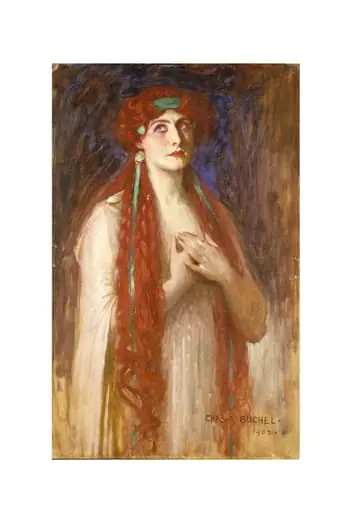 Nancy Price as Calypso in <i>Ulysses</i> by Stephen Phillips
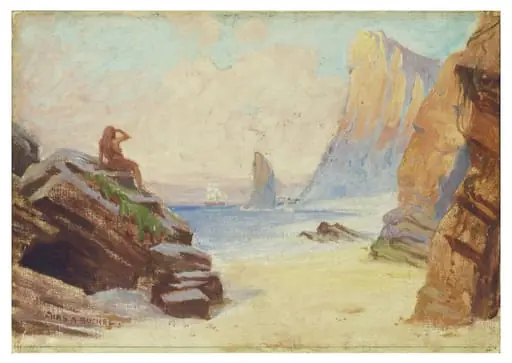 The Setting for the Last Scene of <i>The Tempest</i> by William Shakespeare
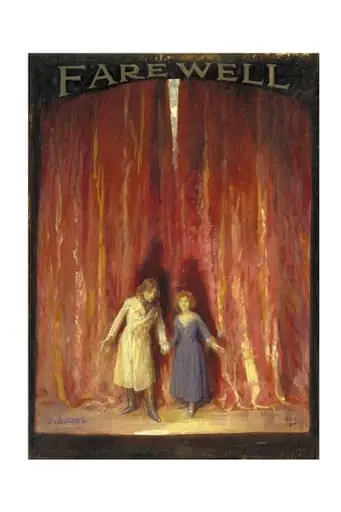 Sir John Martin-Harvey as Sydney Carton and Nina de Silva as Mimi in <i>The Only Way</i> by Freeman Wills and Frederick Langbridge
 H Beard Print Collection
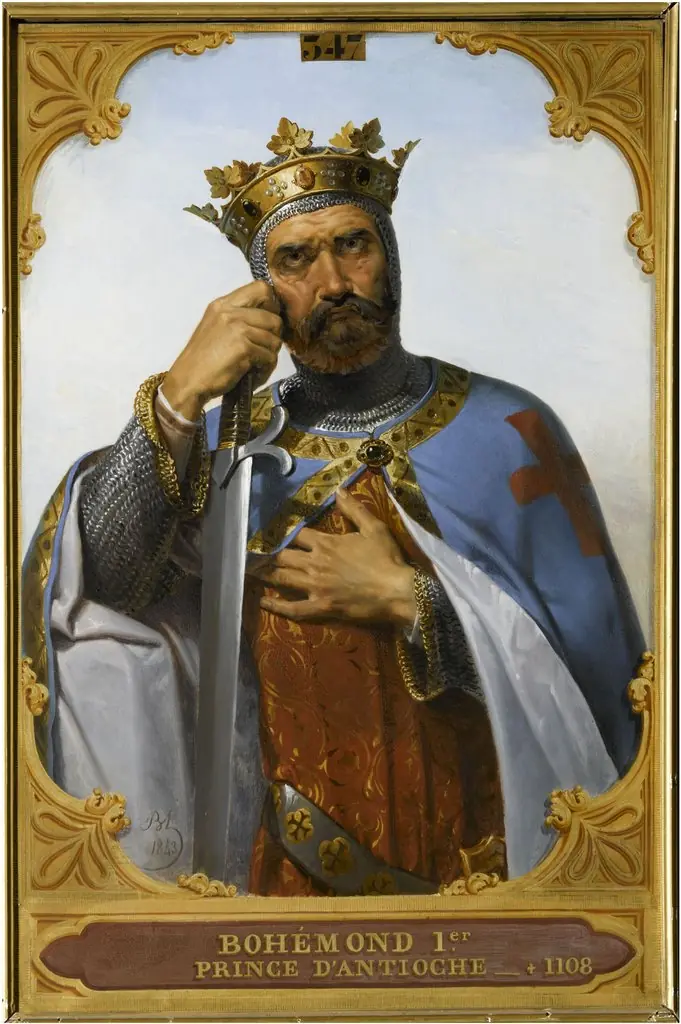 Imaginary portrait of Bohemond I
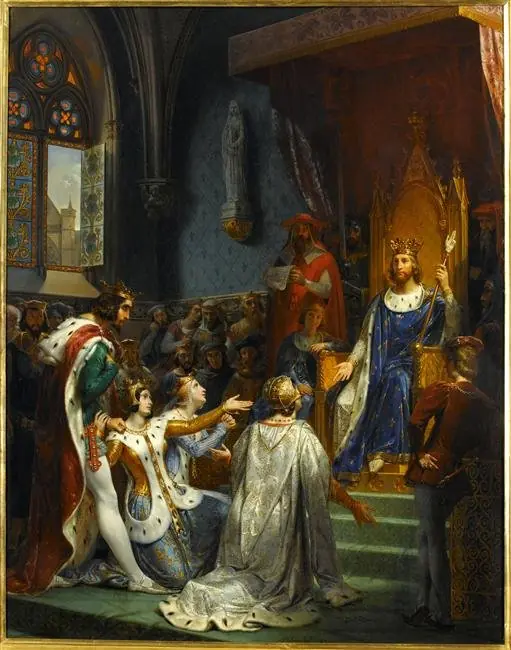 John II receives the submission of Charles II of Navarre
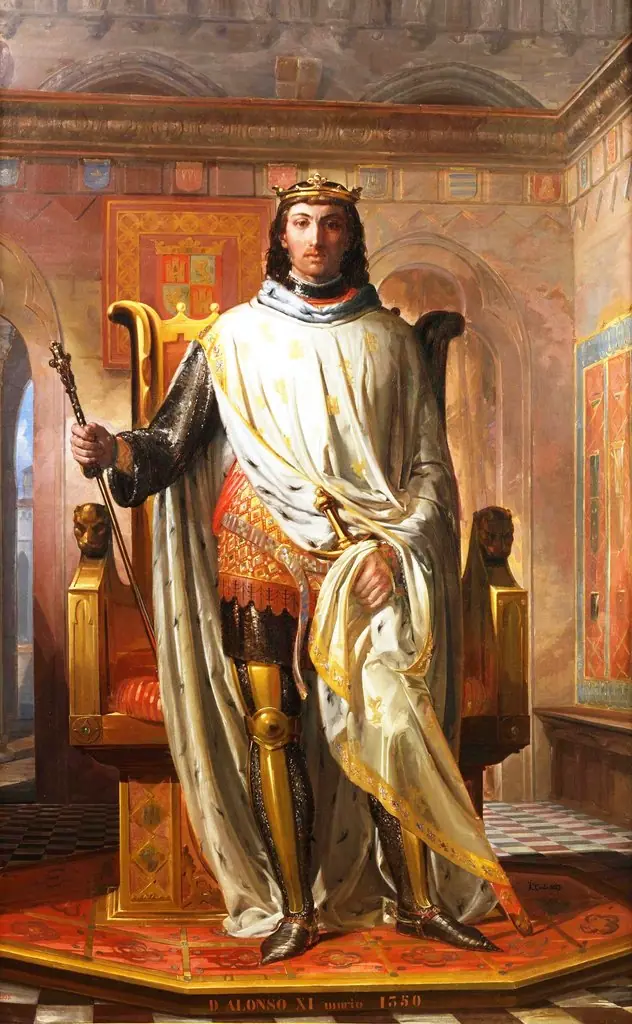 Alfonso XI
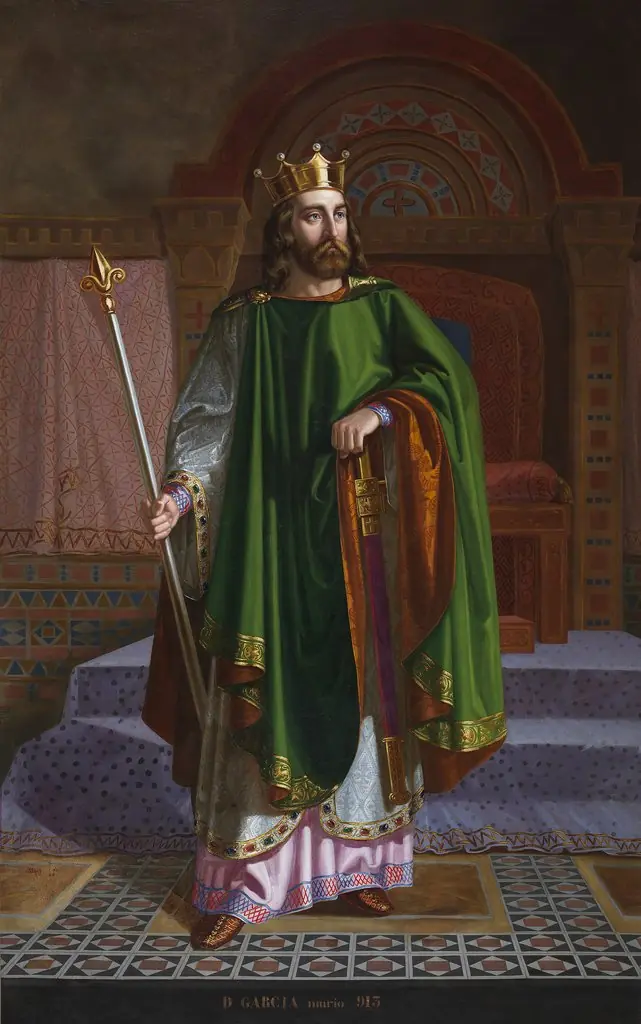 García I, rey de León
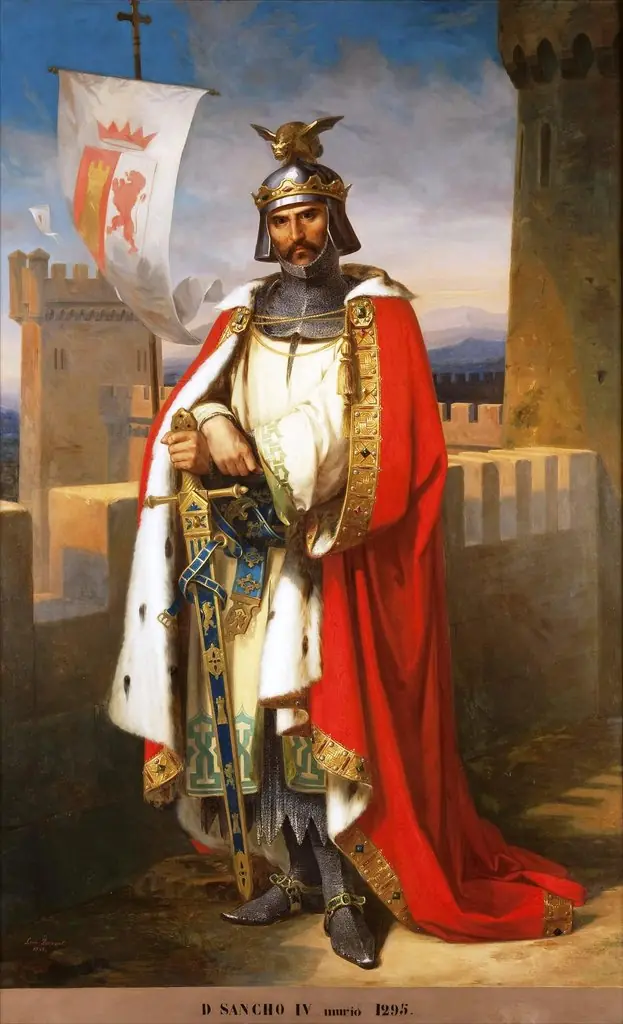 Sancho IV
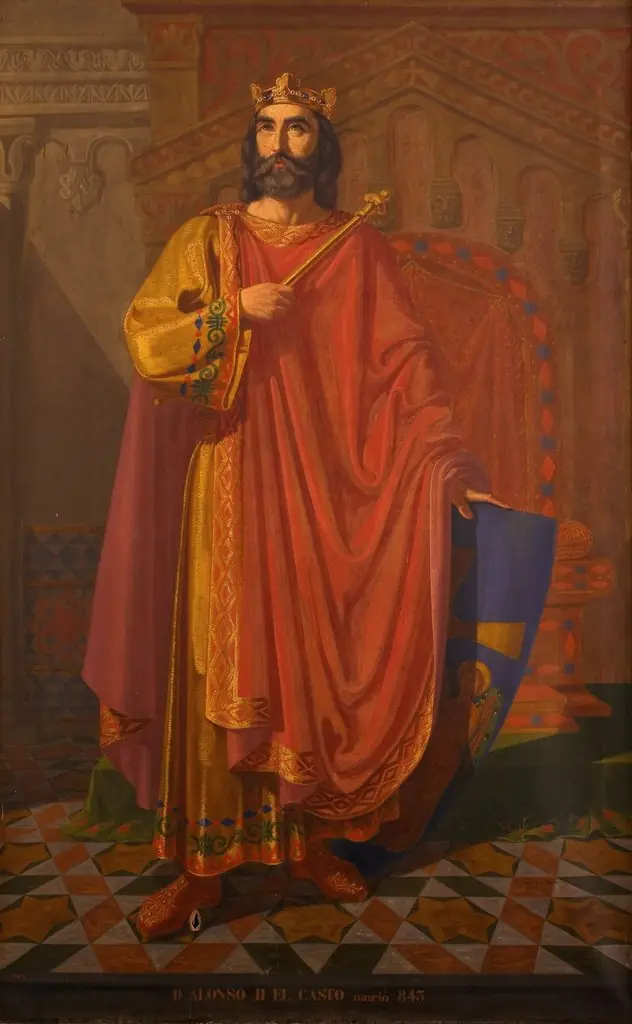 Alfonso II el Casto
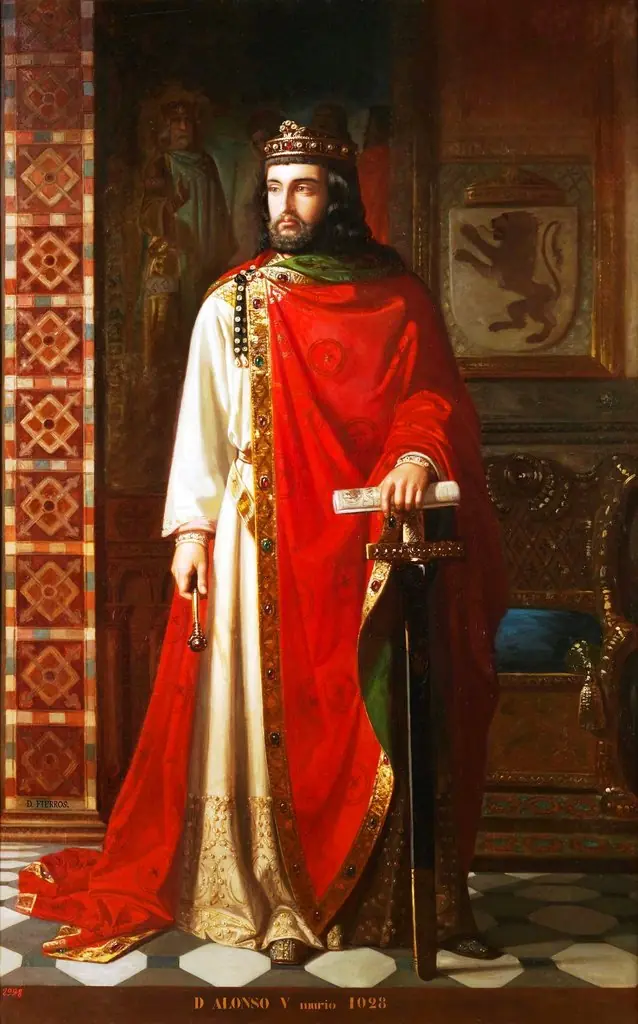 Alfonso V
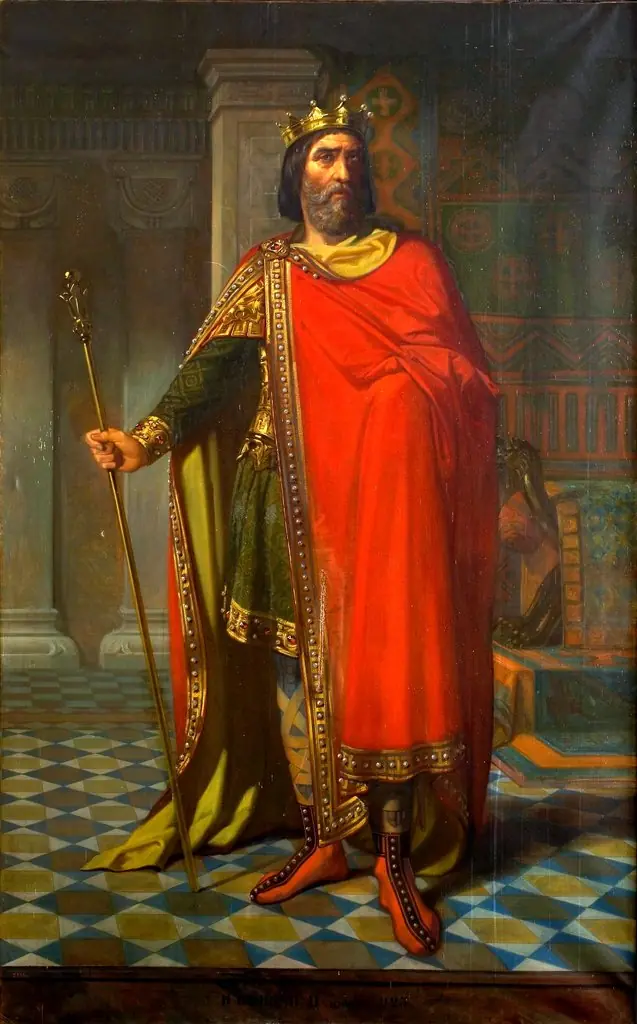 Ordoño II rey de León
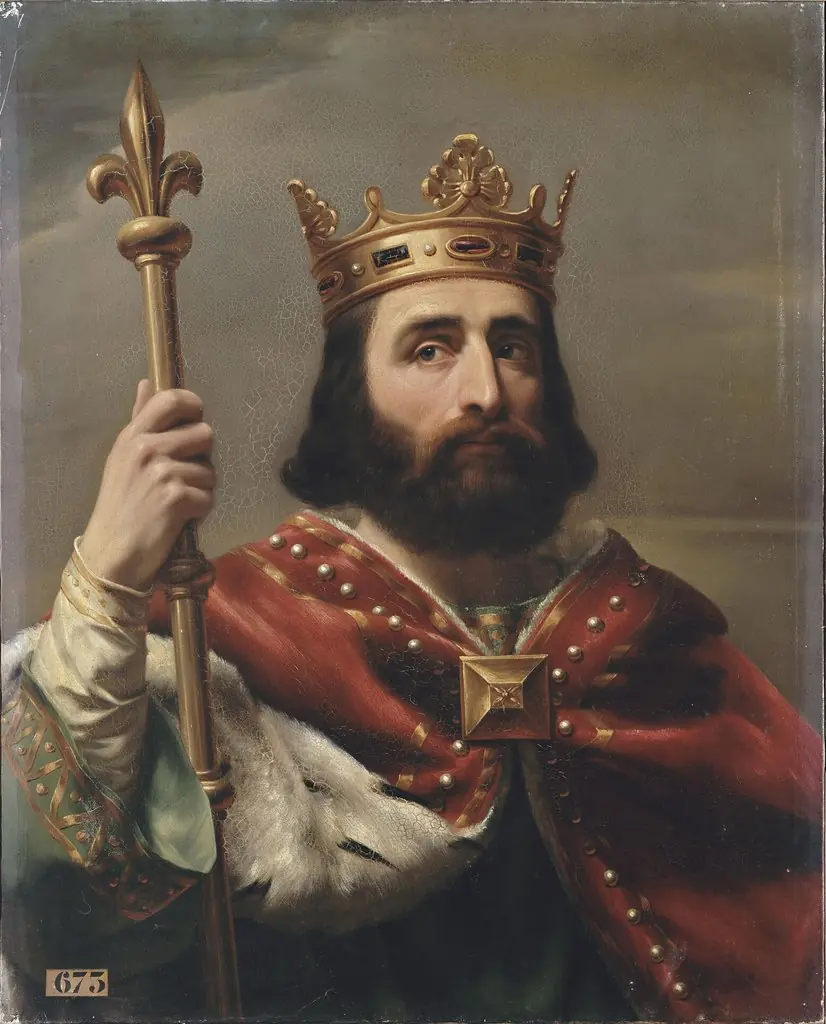 Pépin III, dit le Bref, roi des Francs (714-768)
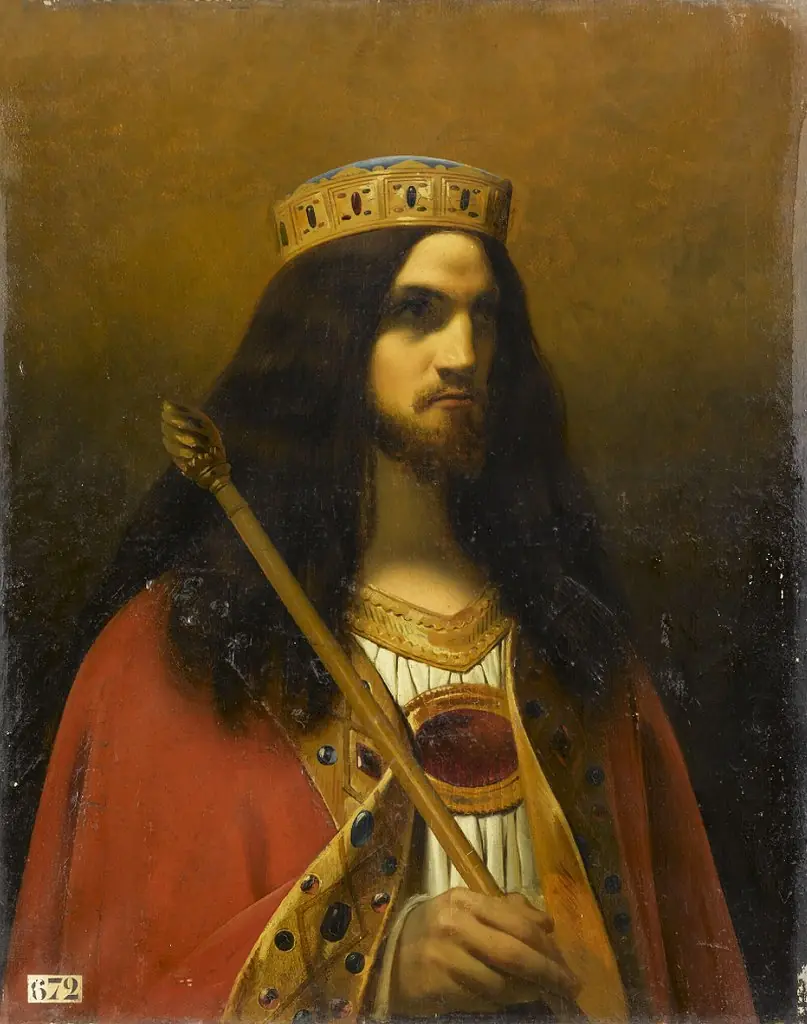 Childeric III, King of the Franks
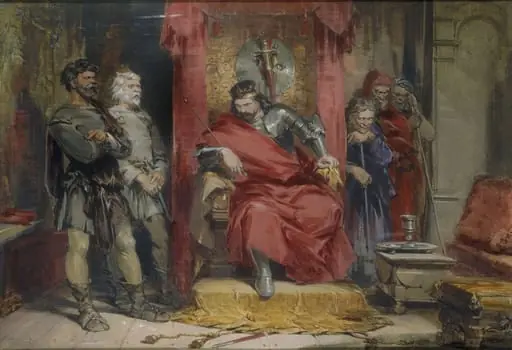 Macbeth instructing the murderers employed to kill Banquo