Artwork
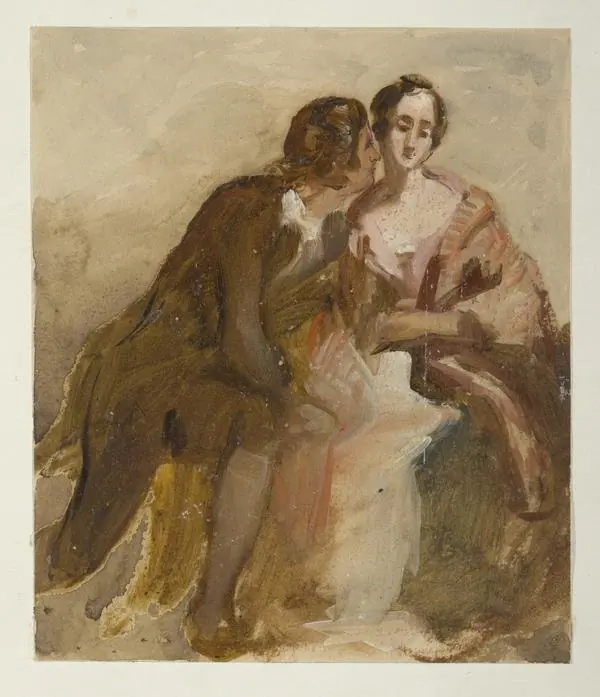
Sir John Martin-Harvey as Sydney Carton and Nina de Silva as Mimi in <i>The Only Way</i> by Freeman Wills and Frederick Langbridge
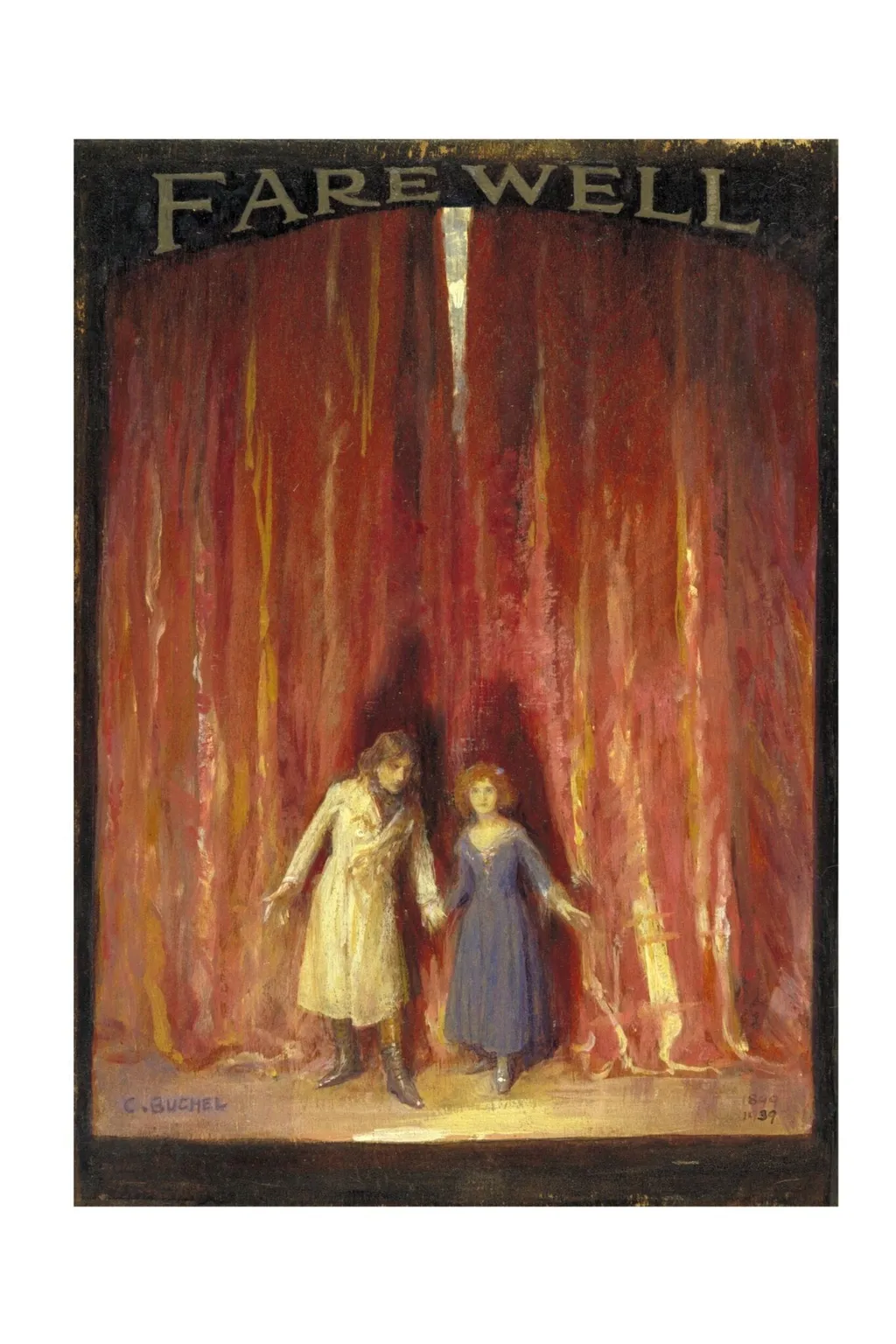
Sir John Martin-Harvey as Sydney Carton and Nina de Silva as Mimi in <i>The Only Way</i> by Freeman Wills and Frederick Langbridge is a paint painting by the British Romanticist artist Charles Buchel. It dates from 1939 and is held in the collection of the Victoria and Albert Museum.
About this work
Overview
It depicts two principal actors in character: Sir John Martin-Harvey as Sydney Carton and Nina de Silva as Mimi.
Painted in 1939 by Charles Buchel, this work captures a theatrical moment from the stage adaptation of Charles Dickens’s A Tale of Two Cities, titled The Only Way. It depicts two principal actors in character: Sir John Martin-Harvey as Sydney Carton and Nina de Silva as Mimi. The composition focuses on their presence on stage, rendered with attention to costume and expression, reflecting Buchel’s longstanding engagement with theatrical portraiture.
Subject & Meaning
The scene portrays a pivotal emotional exchange between Sydney Carton, a disillusioned lawyer seeking redemption, and Mimi, a young woman tied to his moral journey. Buchel freezes a moment of quiet intensity, emphasizing psychological depth over narrative action. The costumes and setting evoke late 18th-century Paris, grounding the image in Dickens’s historical context while honoring the play’s dramatic interpretation.
Technique & Style
Buchel employs a naturalistic style with soft modeling and muted tones to convey the intimacy of the stage moment. Brushwork is controlled, favoring clarity of form over dramatic lighting or texture. The figures are rendered with precision, particularly in the folds of period attire and the subtlety of facial expression, aligning with his reputation for accurate theatrical documentation rather than stylized interpretation.
History & Provenance
Commissioned to document a prominent stage production, the painting was created near the end of Buchel’s career, following decades of similar theatrical portraits. It was likely intended for archival or promotional use by the production company. No public record of its early ownership exists, but it remained within theatrical circles until entering institutional collections in the late 20th century.
Context
The play The Only Way, first staged in 1901, was one of the most enduring adaptations of A Tale of Two Cities in British theatre. Martin-Harvey, who originated the role of Carton, performed it over 1,500 times. Buchel’s painting preserves a key performance tradition at a time when live theatre was the primary medium for literary adaptation, before film became dominant.
Legacy
The painting stands as a record of early 20th-century British stage practice, illustrating how literary classics were interpreted for live audiences. Buchel’s body of work, including this piece, contributes to the visual archive of theatre history, offering insight into actor-character relationships and the aesthetics of performance before photographic documentation became widespread.
Artist & collection
Artist
Charles Buchel (Karl August Büchel) (1872–1950) was a British artist. Buchel was born in Mainz, Germany, but immigrated to England as a child. Buchel studied art at the Royal Academy Schools. He was hired by the…

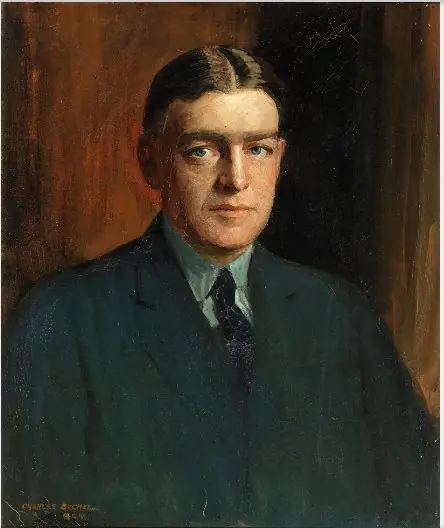 Portrait of Ernest Shackleton (1874 - 1922), Polar Explorer
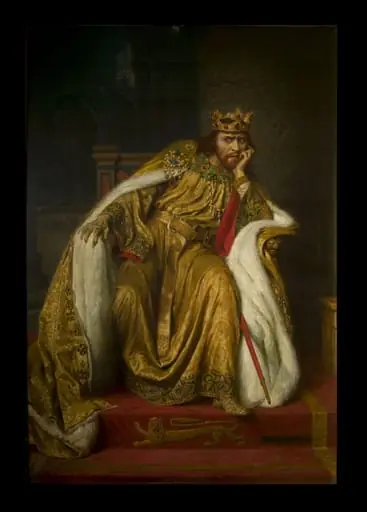 Herbert Beerbohm Tree as King John in <i>King John</i> by William Shakespeare
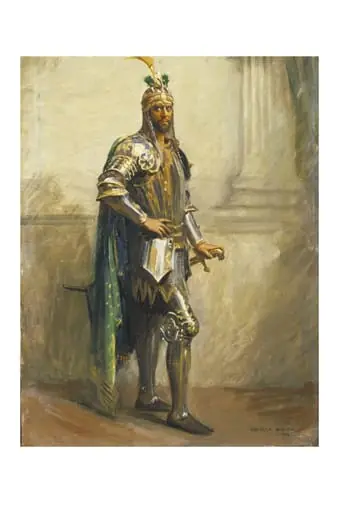 Herbert Beerbohm Tree as Othello in <i>Othello</i> by William Shakespeare
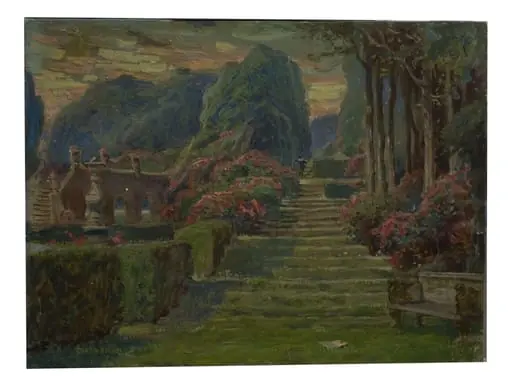 Stage Setting for 'Twelfth Night' by William Shakespeare
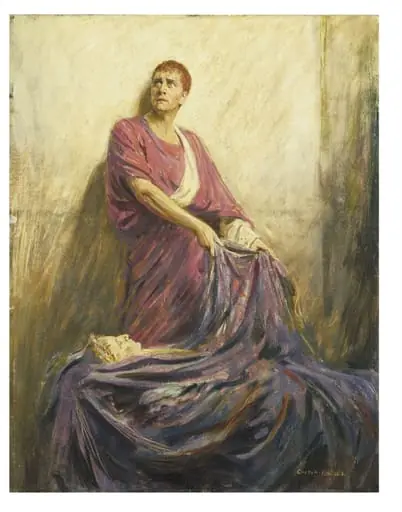 Herbert Beerbohm Tree as Mark Antony in <i>Julius Caesar</i> by William Shakespeare
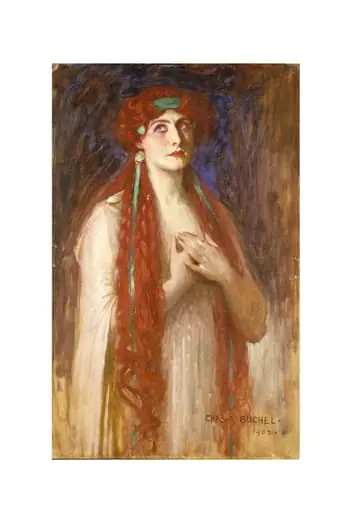 Nancy Price as Calypso in <i>Ulysses</i> by Stephen Phillips
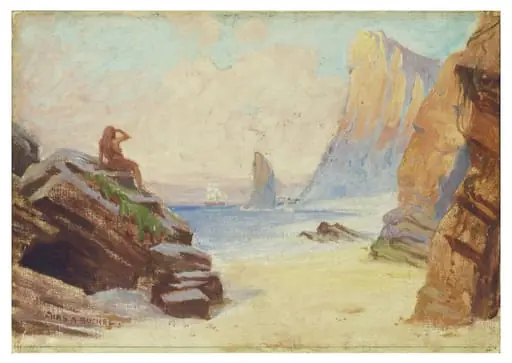 The Setting for the Last Scene of <i>The Tempest</i> by William Shakespeare
 H Beard Print Collection
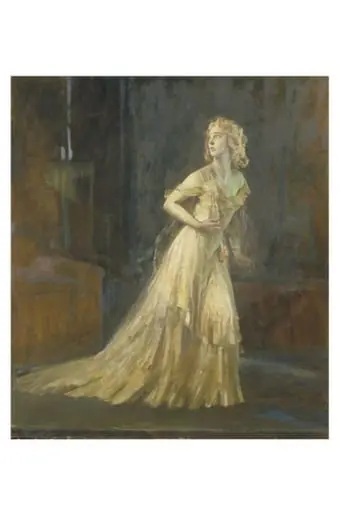 Vivien Leigh as Blanche Dubois in <i>A Streetcar Named Desire</i> by Tennessee Williams
 Dream
Dream H Beard Print Collection
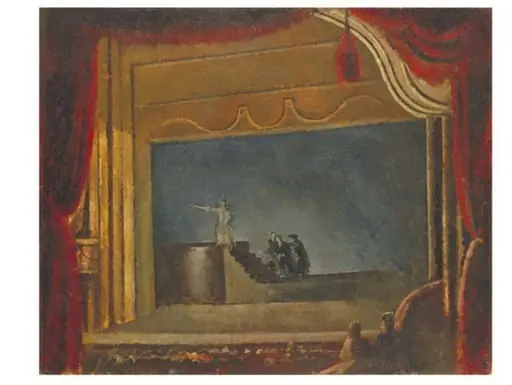 <i>Hamlet</i> at the New Theatre
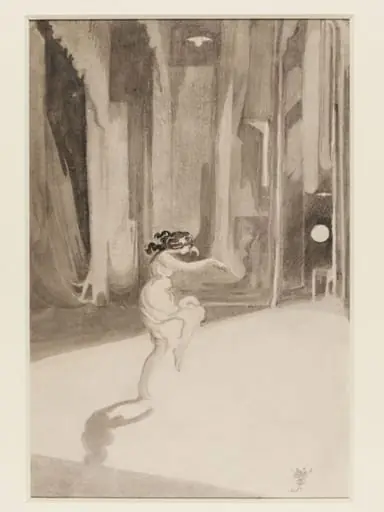 Untitled
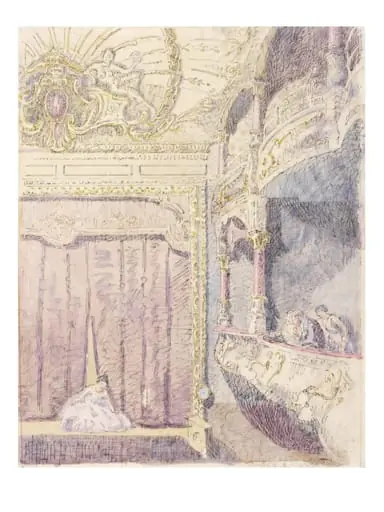 Interior, showing a box and the stage, of the Old Grand Theatre, now the Gaumont Hippodrome, Colchester
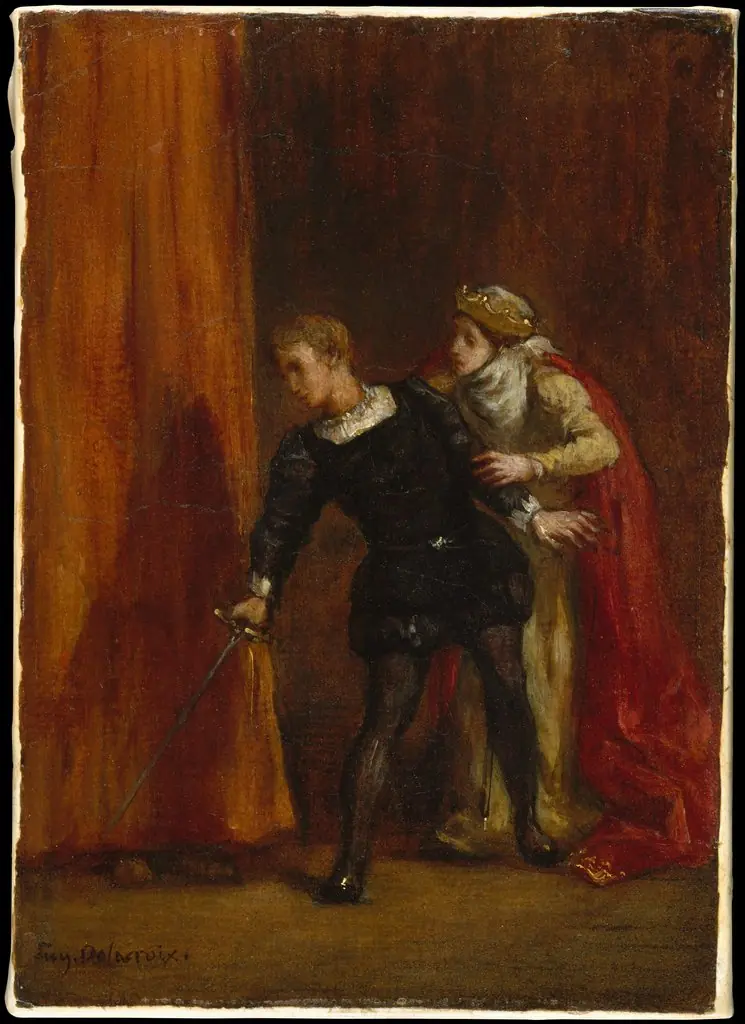 Hamlet and His Mother
 Strand Theatre
 Struggle with Satan
 Dream of Gediminas
 Scene from the Spanish Inquisition
 Burns and his Highland Mary