Artwork
Stage Setting for 'Twelfth Night' by William Shakespeare
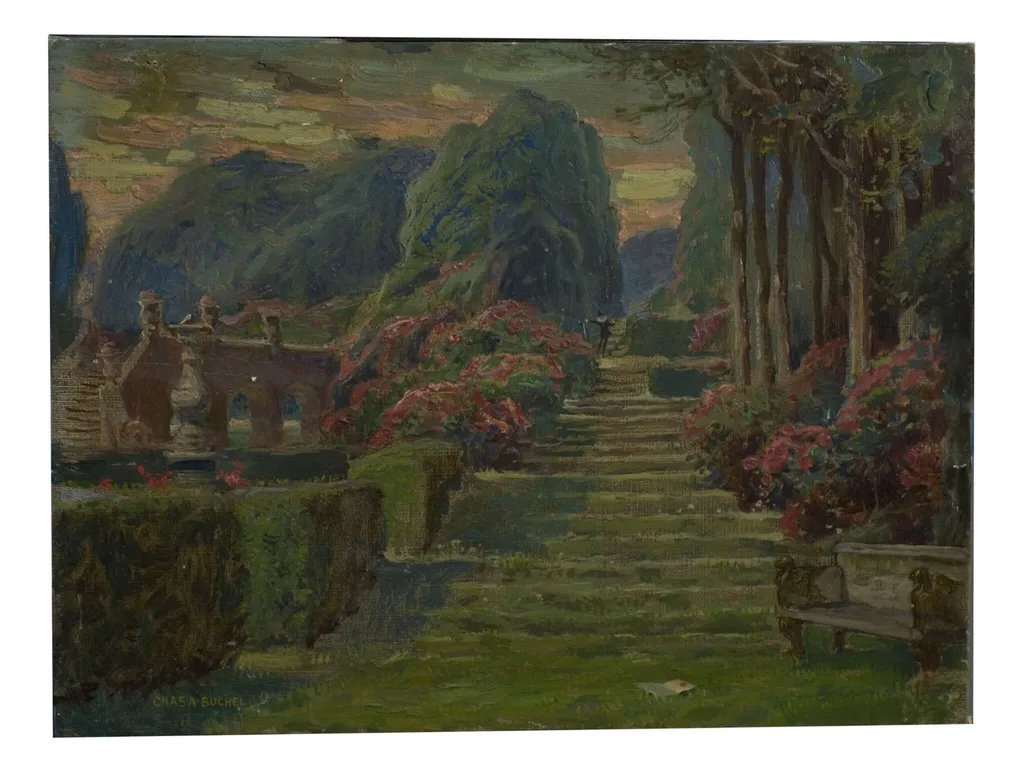
Stage Setting for 'Twelfth Night' by William Shakespeare is a paint painting by the Post-Impressionist artist Charles Buchel. It dates from 1901 and is held in the collection of the Victoria and Albert Museum.
About this work
Check out Buchel, Charles next—he did the stage designs and actor portraits for this show.
This painting shows a stage set for Shakespeare’s *Twelfth Night*. Heavy curtains frame a moonlit garden scene. A shipwreck’s wreckage lies in the corner. The colors are soft and misty, like early morning light.
Buchel painted this in 1901 for a real London play. He worked closely with the theater’s famous actor-manager. The design feels dreamy, not like a real place.
Check out Buchel, Charles next—he did the stage designs and actor portraits for this show.
Overview
Painted in 1901 by Charles Buchel, this work served as a stage backdrop for a production of Shakespeare’s Twelfth Night at Her Majesty’s Theatre in London. Buchel, a German-born artist who settled in England as a child, trained at the Royal Academy and became known for his theatrical designs. This piece was created not for gallery display but as a functional element of live performance, integral to the visual atmosphere of the play.
Subject & Meaning
The scene depicts a moonlit garden with heavy drapery framing the space and the remnants of a shipwreck tucked into one corner. These elements evoke the play’s opening maritime disaster and its themes of displacement and illusion. The setting is deliberately ethereal, avoiding literal realism to suggest the dreamlike, topsy-turvy world of Illyria where identities blur and emotions shift unpredictably.
Technique & Style
Buchel employed soft, muted tones and diffused lighting to create a hazy, atmospheric effect. Brushwork is subtle, with minimal detail in the background to preserve the illusion of depth under stage lighting. The composition relies on layered curtains and muted gradients to suggest distance, guiding the audience’s focus while maintaining a sense of unreality suited to the play’s romantic fantasy.
History & Provenance
Commissioned for Herbert Beerbohm Tree’s 1901 production, the painting was part of Buchel’s long collaboration with the actor-manager, which began in 1898. During this period, Buchel designed sets, created promotional posters, and painted portraits of performers in character. The work was used in performances at Her Majesty’s Theatre and likely remained in the company’s collection until the production’s run ended.
Context
At the turn of the 20th century, British theatre emphasized elaborate, immersive stage design. Buchel’s approach reflected this trend, blending artistic sensitivity with practical functionality. His designs were not mere decorations but narrative tools, helping audiences suspend disbelief. His work stood apart from more rigidly realistic sets by favoring mood over topographical accuracy.
Legacy
Buchel’s contributions to Edwardian theatre design remain documented through surviving sketches, posters, and stage paintings like this one. Though his name is less known today, his influence persists in the tradition of integrating fine art into performance. This painting exemplifies the collaborative, ephemeral nature of theatrical art, where visual elements were crafted for transient, live experience rather than permanent display.
Own this work as a print
Artist & collection
Artist
Charles Buchel (Karl August Büchel) (1872–1950) was a British artist. Buchel was born in Mainz, Germany, but immigrated to England as a child. Buchel studied art at the Royal Academy Schools. He was hired by the…

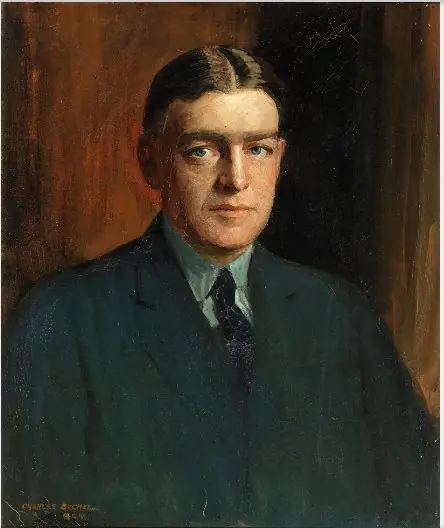 Portrait of Ernest Shackleton (1874 - 1922), Polar Explorer
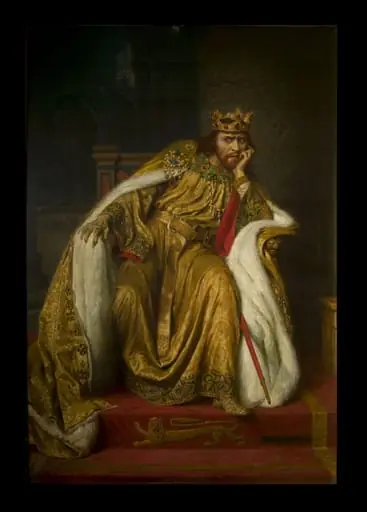 Herbert Beerbohm Tree as King John in <i>King John</i> by William Shakespeare
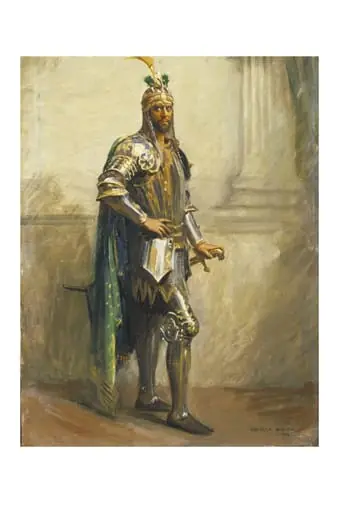 Herbert Beerbohm Tree as Othello in <i>Othello</i> by William Shakespeare
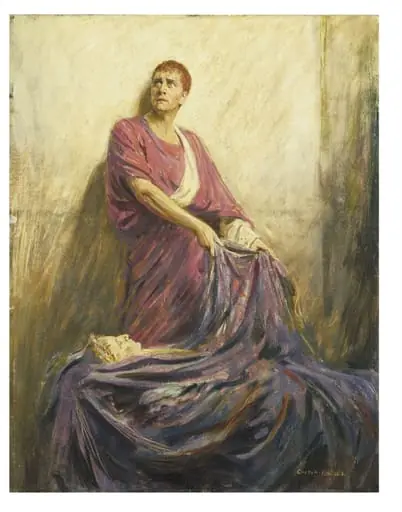 Herbert Beerbohm Tree as Mark Antony in <i>Julius Caesar</i> by William Shakespeare
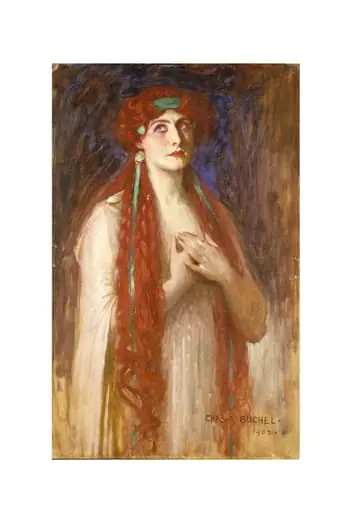 Nancy Price as Calypso in <i>Ulysses</i> by Stephen Phillips
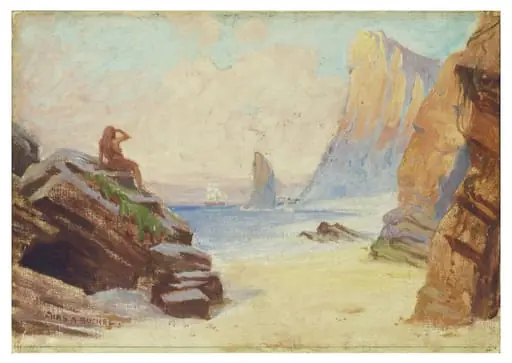 The Setting for the Last Scene of <i>The Tempest</i> by William Shakespeare
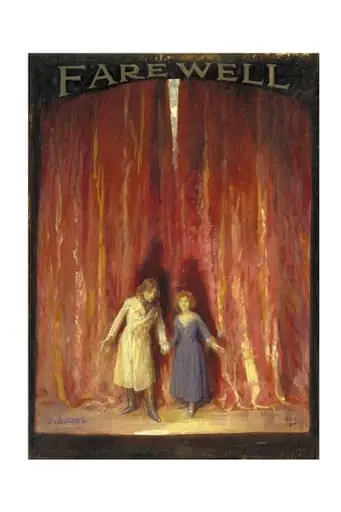 Sir John Martin-Harvey as Sydney Carton and Nina de Silva as Mimi in <i>The Only Way</i> by Freeman Wills and Frederick Langbridge
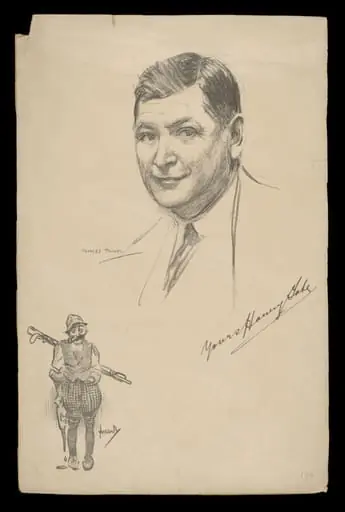 H Beard Print Collection
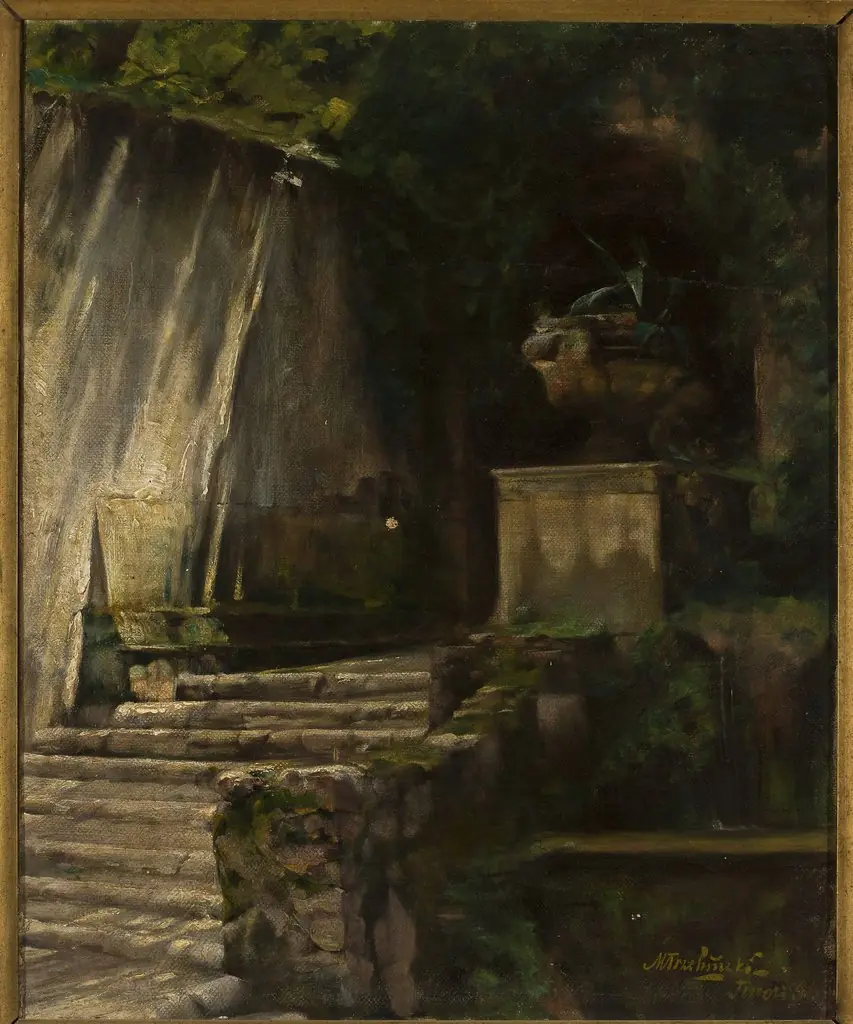 Fragment of the park in Tivoli
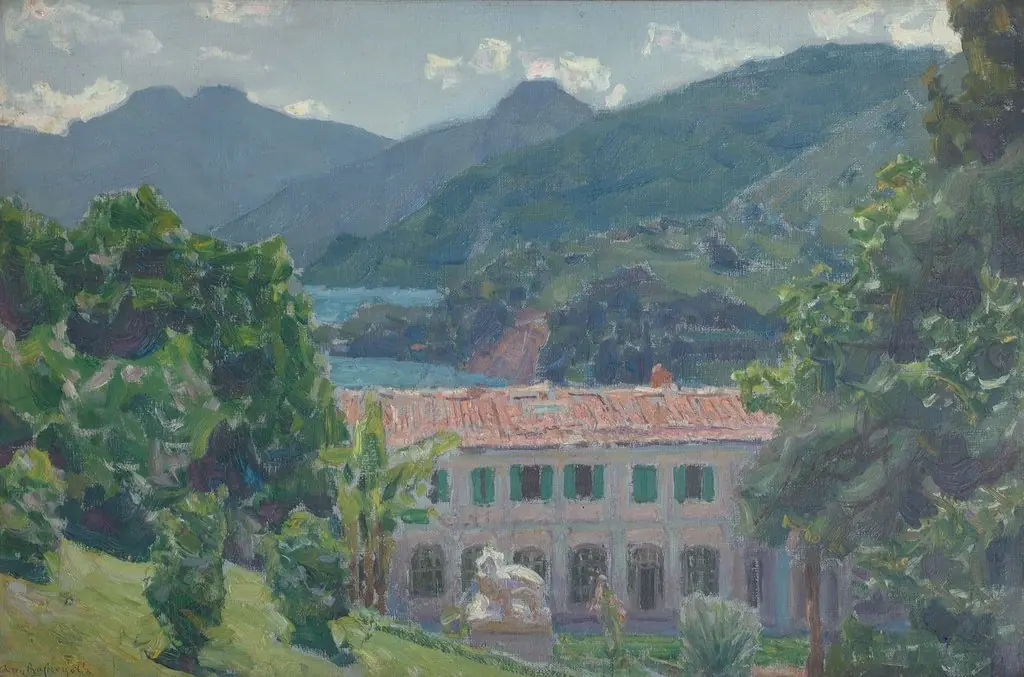 On Lake Como. Hotel. Villa Serbilloni. Italy
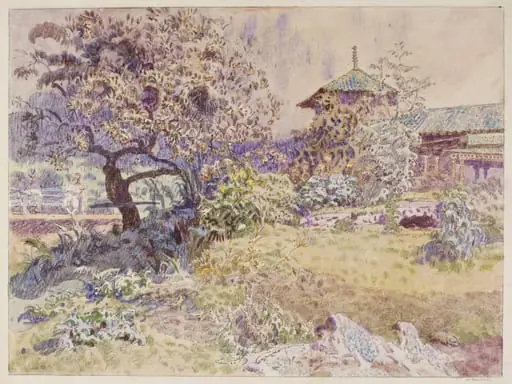 Reptiliary and Main Entrance
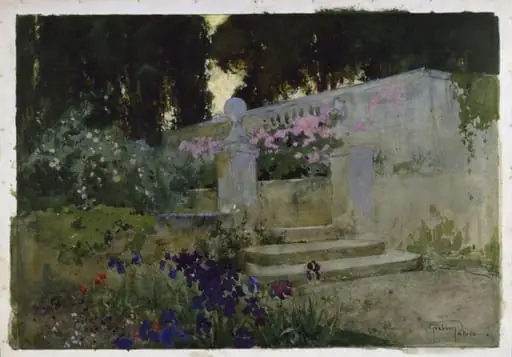 My Lady's Garden
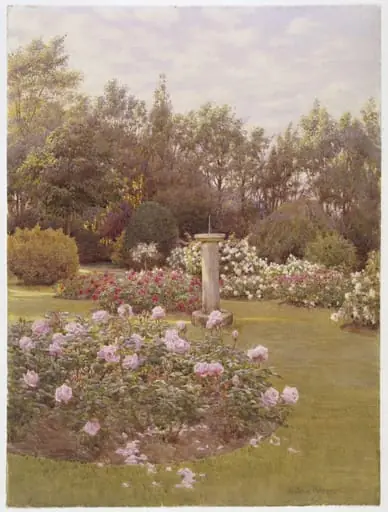 The Rose Garden, The Pleasaunce, Overstrand
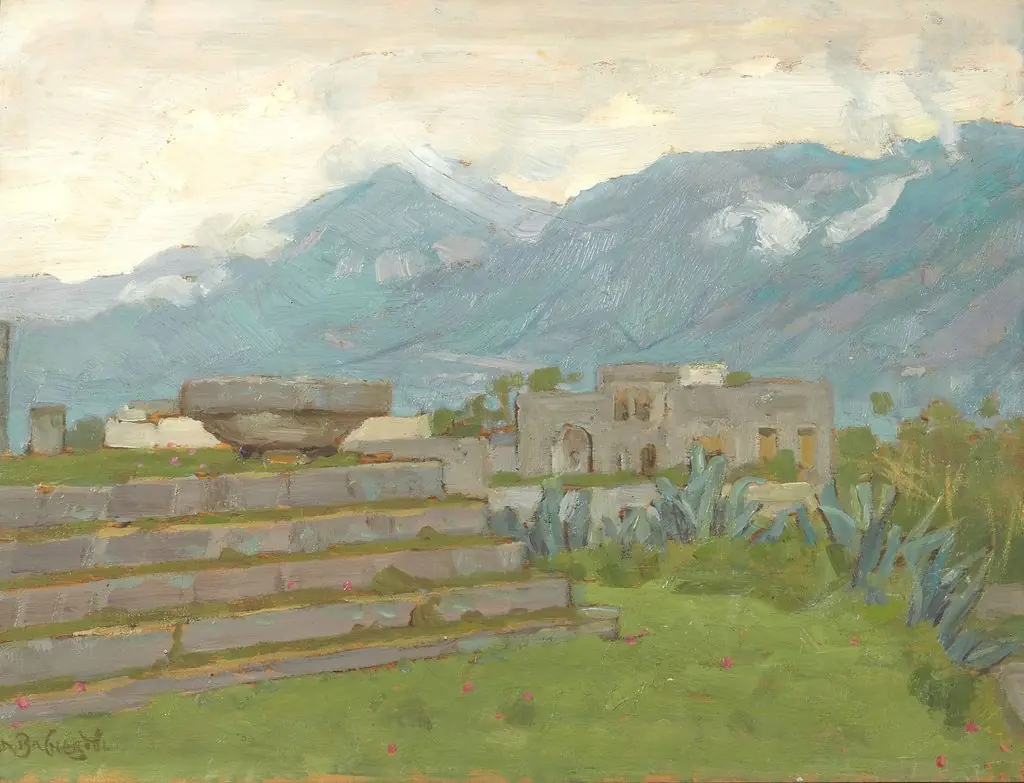 Hercules temple Pompeii
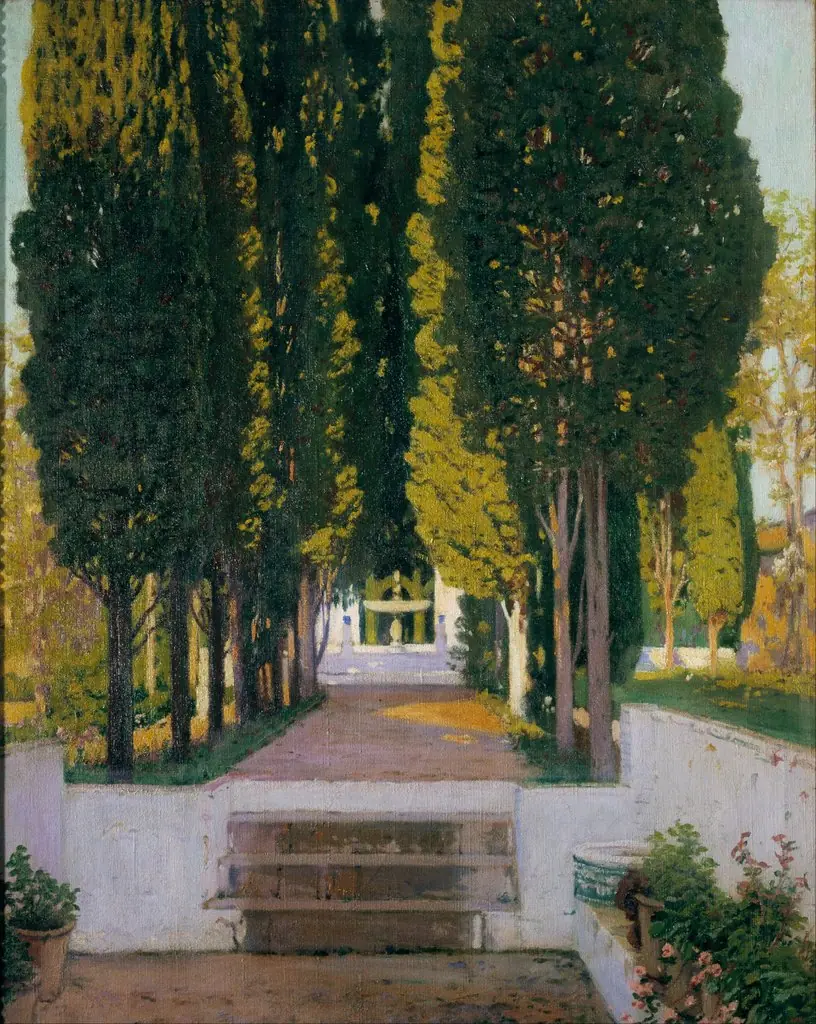 Gardens of the Generalife
 Terrace in the Garden near the Wannsee towards Northwest
 Landscape with Small Stairs
 View of the Sea from a Pier
 The Spring of léri in Chassagne
 Camino de rosas