Artwork
La Traversée (The Passage)
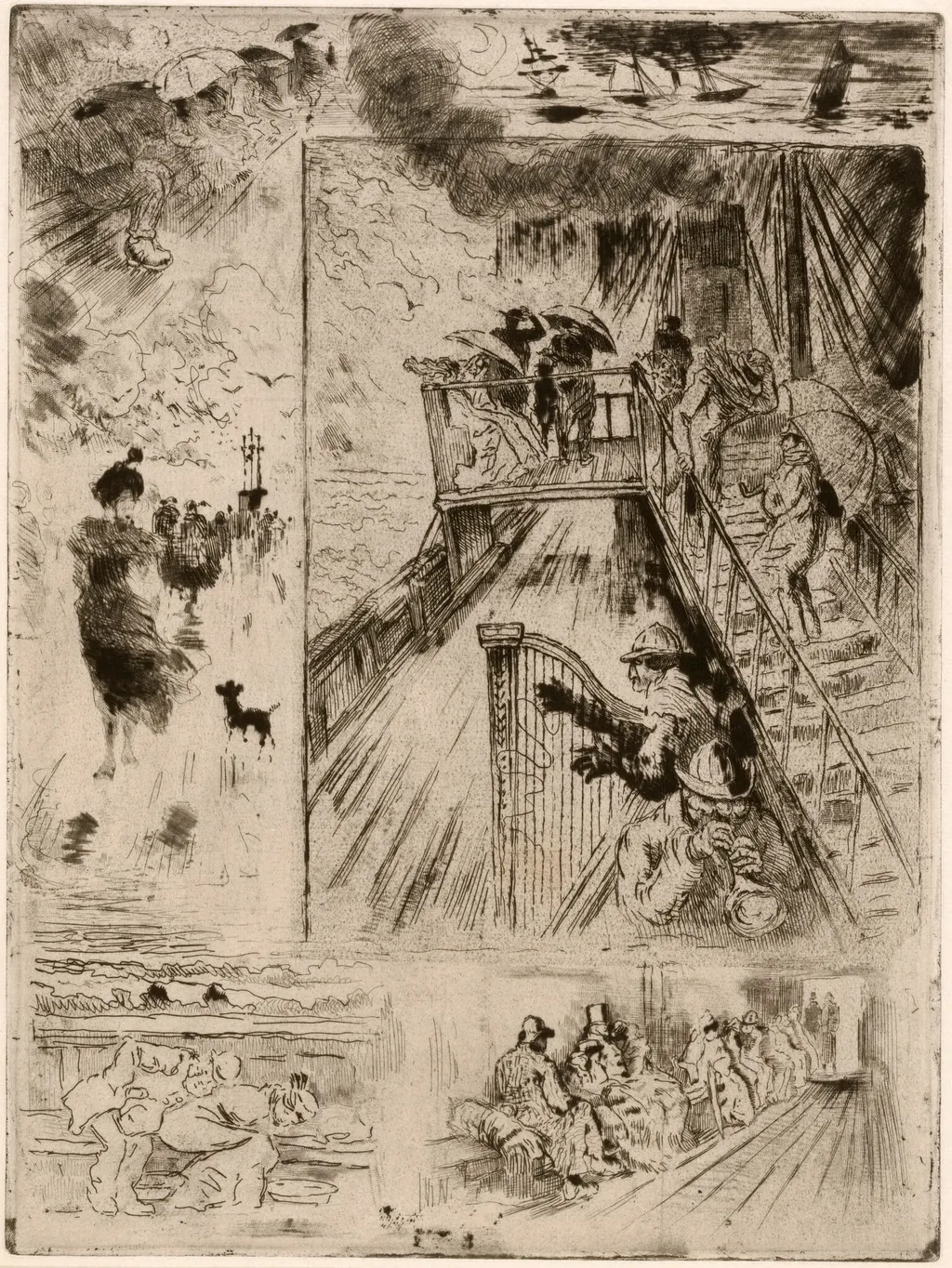
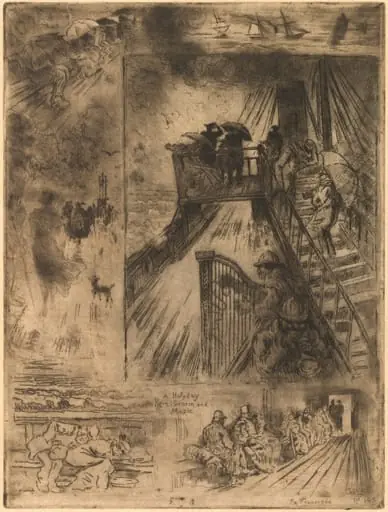
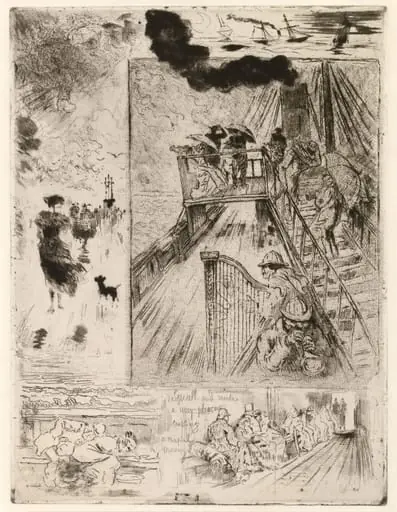
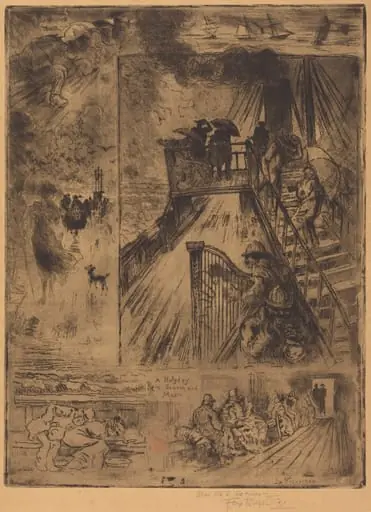
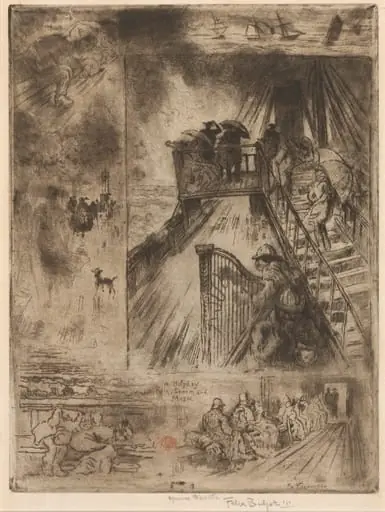
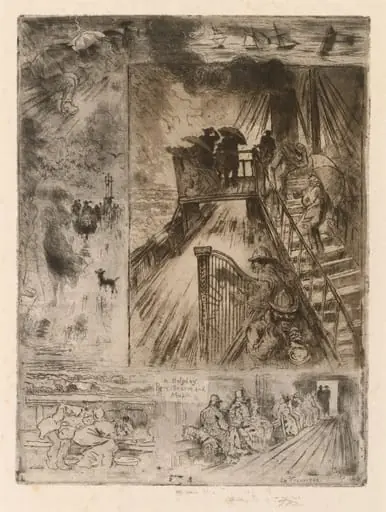
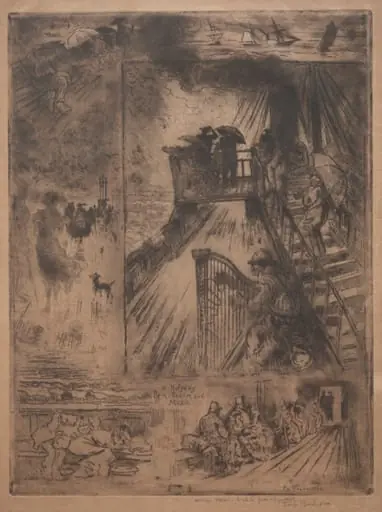
La Traversée (The Passage) is an ink print by the Impressionist artist Félix-Hilaire Buhot. It dates from 1882 and is held in the collection of the National Gallery of Art.
About this work
Overview
La Traversée (The Passage), created in 1882 by Félix-Hilaire Buhot, is a multi-technique print combining etching, drypoint, roulette, and possibly softground.
La Traversée (The Passage), created in 1882 by Félix-Hilaire Buhot, is a multi-technique print combining etching, drypoint, roulette, and possibly softground. Executed in black ink on laid paper, it captures a moment of urban transit with energetic, fragmented lines. The composition conveys motion and disorder through irregular mark-making, reflecting Buhot’s interest in fleeting, everyday scenes rather than idealized narratives.
Subject & Meaning
The scene depicts a crowded riverboat during a routine crossing, with figures leaning over railings, gripping ropes, and clutching children. One central figure holds a child while steadying themselves against a pole, suggesting vulnerability amid chaos. The lower group, seated and tense, adds psychological weight. The work avoids drama, instead emphasizing the quiet strain of communal movement in modern city life.
Technique & Style
Buhot employed a range of etching methods to achieve texture and motion: sharp drypoint lines define figures, while roulette creates granular shadows and softground suggests atmospheric haze. The surface is deliberately rough, with smudged areas and broken strokes mimicking the instability of the scene. This approach prioritizes immediacy over finish, aligning with contemporary printmakers’ interest in capturing transient moments.
History & Provenance
Created in 1882, the print emerged during Buhot’s most active period documenting Parisian life. It was likely produced in small editions for collectors and artists, consistent with the era’s print culture. No documented early ownership is recorded, but its technique and subject place it within the broader circle of French etchers exploring urban realism in the late 19th century.
Context
In the 1880s, Parisian artists increasingly turned to printmaking to record modern life outside academic traditions. Buhot’s work resonated with contemporaries like Degas and Whistler, who valued spontaneity and observational truth. La Traversée reflects this shift—its informal composition and emphasis on movement contrast with formal historical prints, aligning instead with the rise of realism and impressionist sensibilities in graphic arts.
Legacy
Though not widely exhibited in major institutions, La Traversée exemplifies Buhot’s contribution to the revival of etching as a medium for contemporary observation. Its informal style influenced later generations of printmakers interested in capturing urban rhythm without narrative closure. The work remains a quiet testament to the aesthetic value of everyday transit in late 19th-century France.
Artist & collection

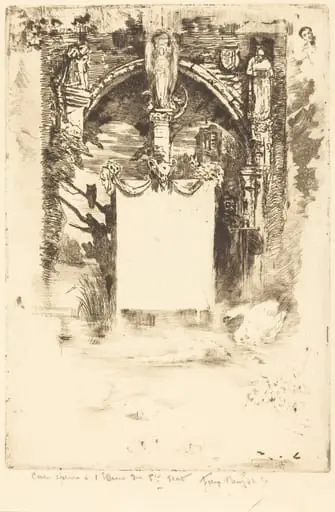 Ex-Libris pour "L'Ensorcelée" (Bookplate for "L'Ensorcelée")
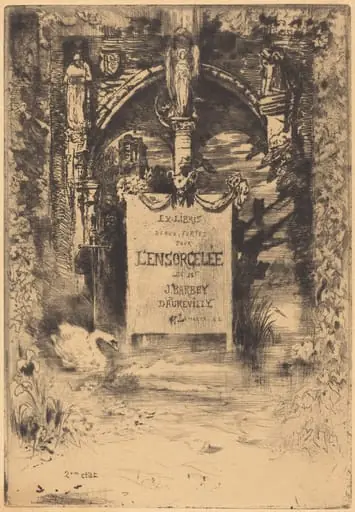 Ex-Libris pour "L'Ensorcelée" (Bookplate for "L'Ensorcelée")
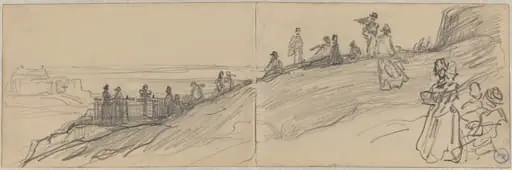 Figures on Top of a Hill, Overlooking the Sea
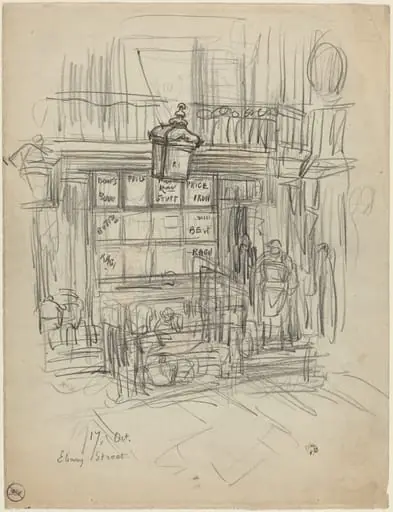 Ebury Street
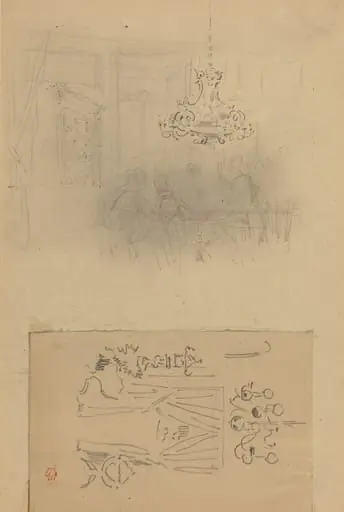 A Gathering in an Interior; A Curtained Doorway
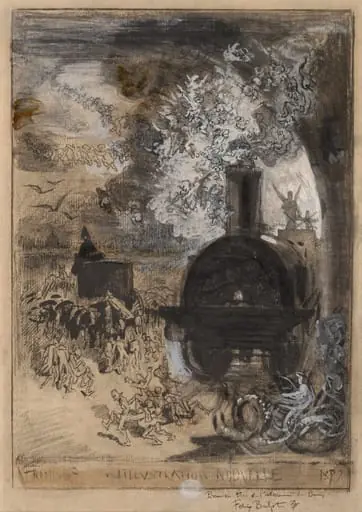 Frontispiece for L'Illustration Nouvelle: The Burial of the Burin
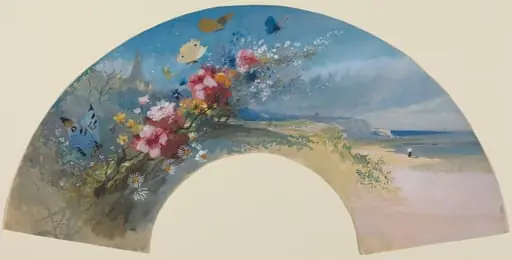 Fan with Wildflowers and Butterflies against the Norman Coast
![Gillingham Pier, London [verso], by Félix-Hilaire Buhot](https://artifactworldgallery.com/img/felix-hilaire-buhot--gillingham-pier-london-verso--641e03dd7de8217b-w320.webp) Gillingham Pier, London [verso]
Gillingham Pier, London [verso]