Artwork
Claude le Jeune
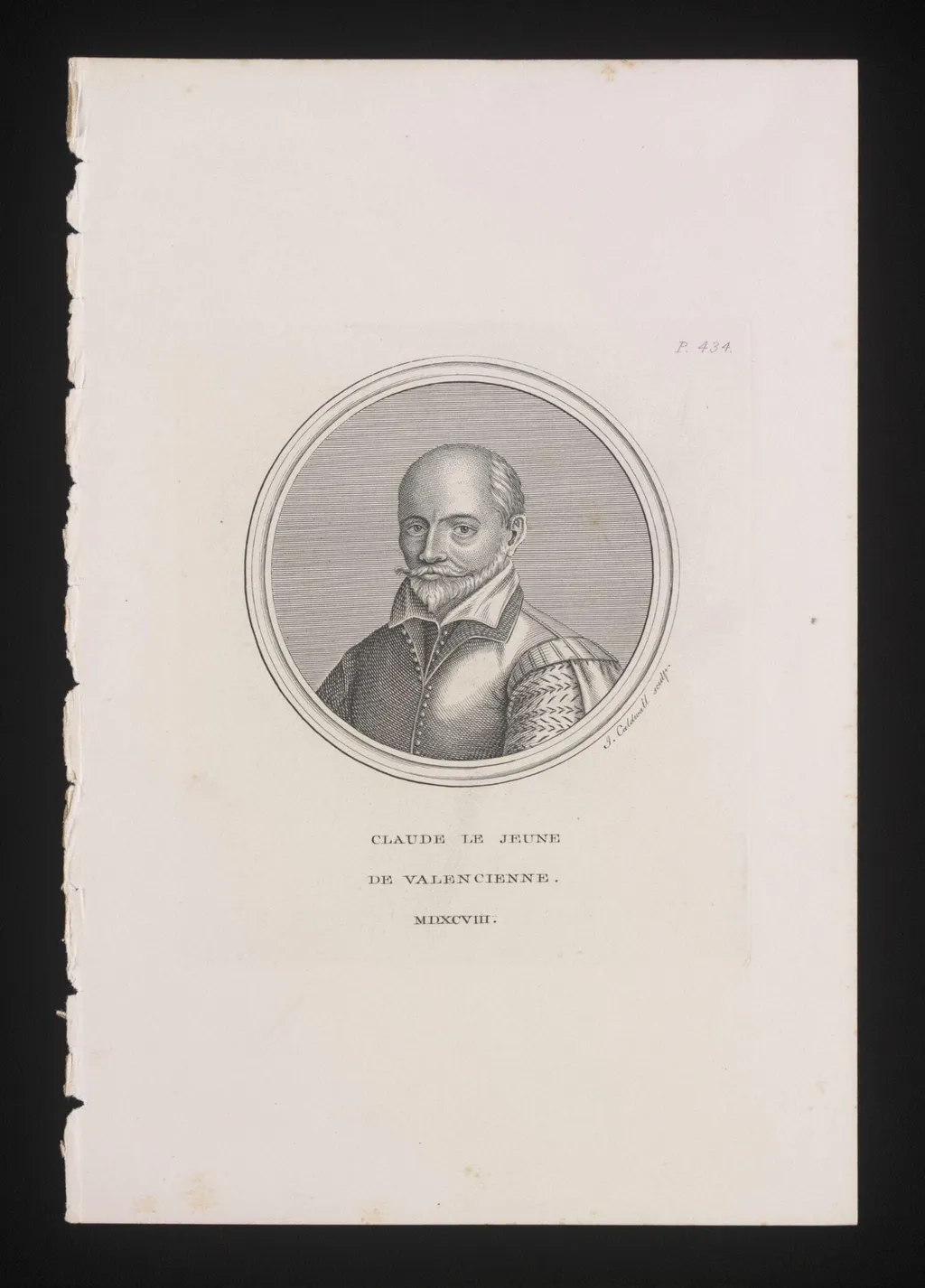
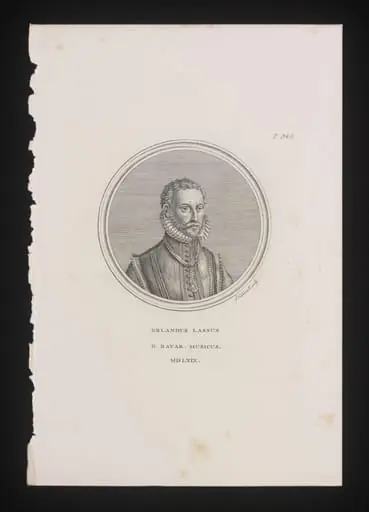
Claude le Jeune is a print by James Caldwall. It dates from 1850 and is held in the collection of the Victoria and Albert Museum.
About this work
Overview
A portrait print of the French composer Claude le Jeune, created in London during the late 18th or early 19th century, belongs to the Harry Beard Collection.
A portrait print of the French composer Claude le Jeune, created in London during the late 18th or early 19th century, belongs to the Harry Beard Collection. Though produced nearly two centuries after his death, the image reflects continued interest in early modern musicians. The work is not an original contemporary likeness but a later interpretation, likely based on earlier sources or textual descriptions.
Subject & Meaning
Claude le Jeune, a prominent composer of the late Renaissance known for his chansons and association with the Parisian Huguenot community, is depicted here as a figure of cultural memory. The portrait serves less as a biographical record and more as a tribute, affirming his place in the evolving narrative of Western music history during a period when historical figures were being systematically commemorated.
Technique & Style
The print employs standard engraving or etching techniques common in British portraiture of the era, with fine linear detail and tonal shading to suggest volume. The composition is formal, emphasizing the subject’s scholarly demeanor through restrained attire and direct gaze. Stylistic choices align with 18th-century conventions for depicting historical notables, prioritizing dignity over individualized realism.
History & Provenance
The print originates from the Harry Beard Collection, a 19th-century assembly of theatrical and musical memorabilia. Its creation likely responded to a growing 18th-century fascination with music history and the preservation of composers’ images. The artist, James Caldwall, specialized in engraved portraits, though little is known about his specific motivation for depicting le Jeune.
Context
During the late 1700s and early 1800s, European intellectuals increasingly documented the lives of past artists as part of broader cultural heritage projects. Le Jeune’s inclusion reflects this trend, even though his music had largely fallen from active performance. The print emerged in a climate where print culture democratized access to historical imagery, even for lesser-known figures.
Legacy
This print preserves a visual representation of a composer whose original portraits are lost or unverified. While not historically accurate in detail, it contributes to the material record of how later generations imagined early modern musicians. It remains a tangible artifact of 19th-century efforts to construct lineage and continuity within Western musical tradition.
Artist & collection

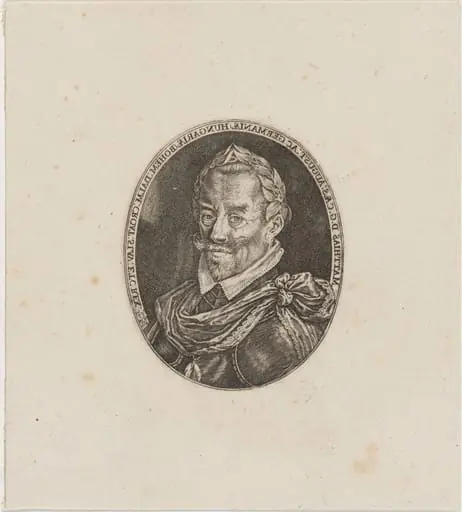 The Emperor Matthias
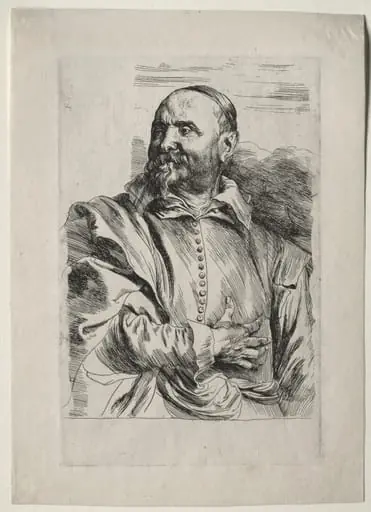 Jan Snellinx
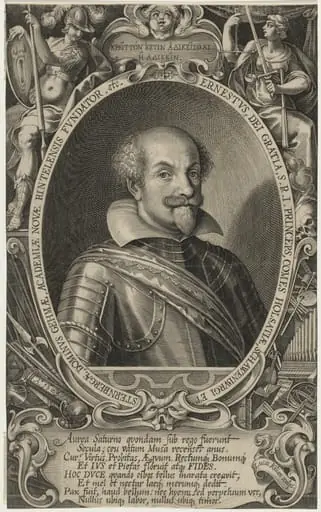 Ernest of Holstein, Schawenburg and Sternberg, Prince of Holy Roman Empire
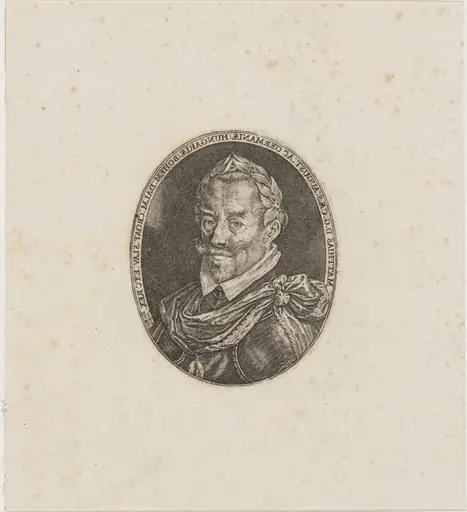 The Emperor Matthias
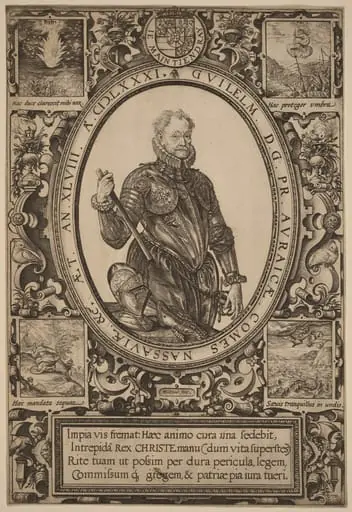 William, Count of Nassau, Prince of Orange
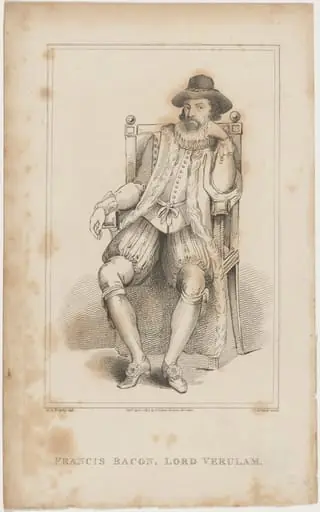 Francis Bacon, Lord Verulam
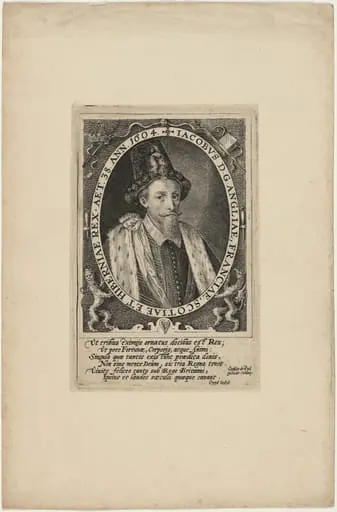 James I, King of England
 Lord Bacon
 Sir Francis Drake
 H Beard Print Collection
 Barthelemy Tremblay
 Orlandus Lassus