Artwork
The Emperor Matthias
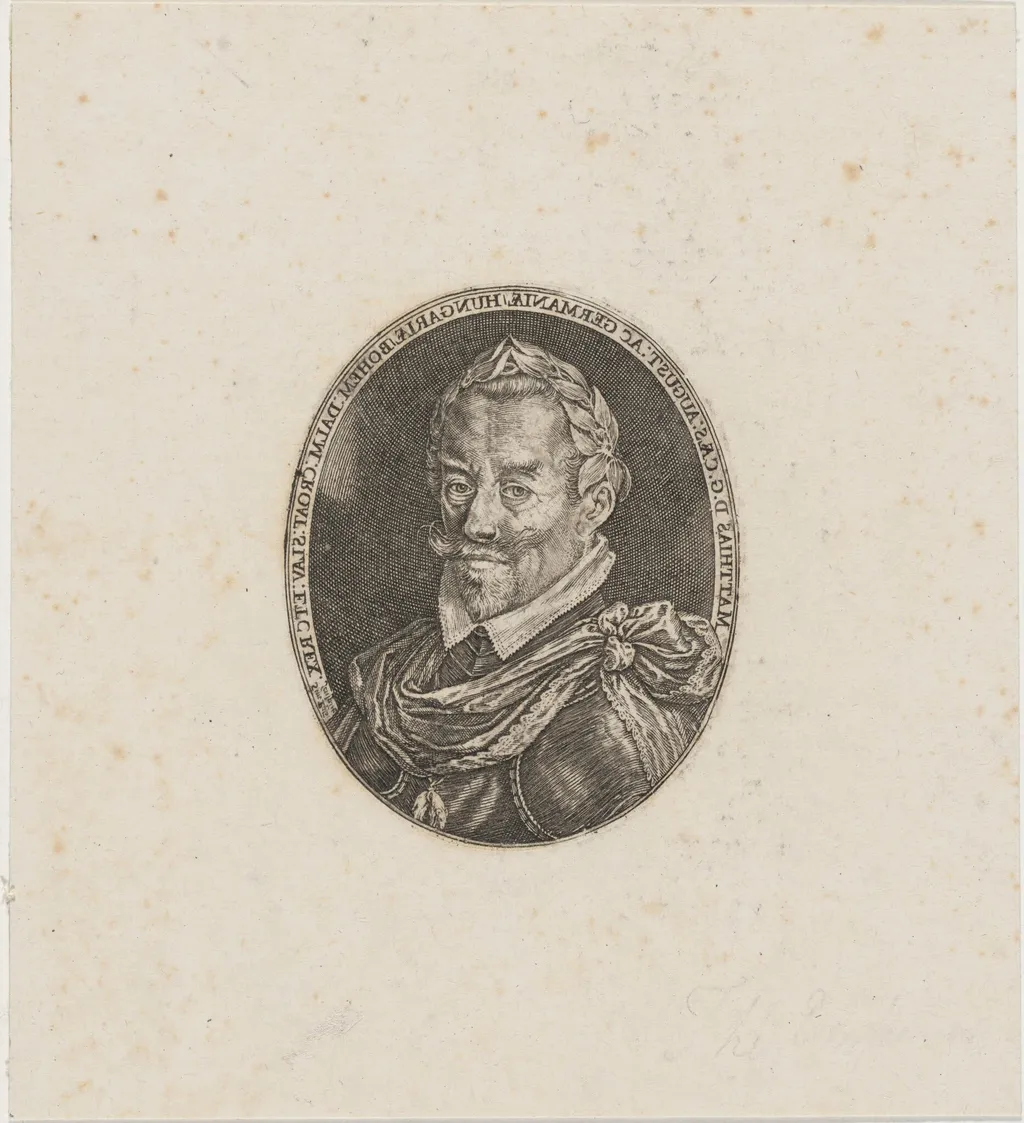
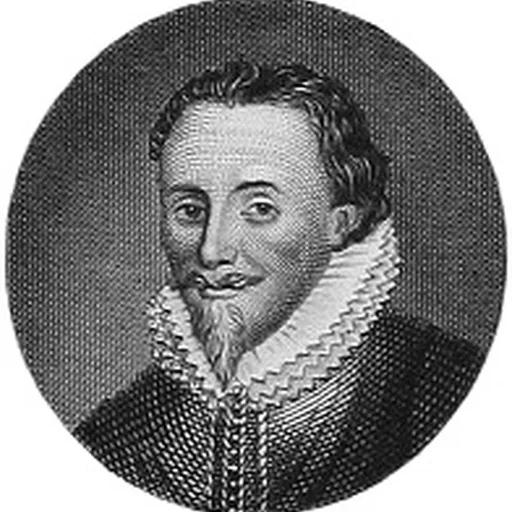
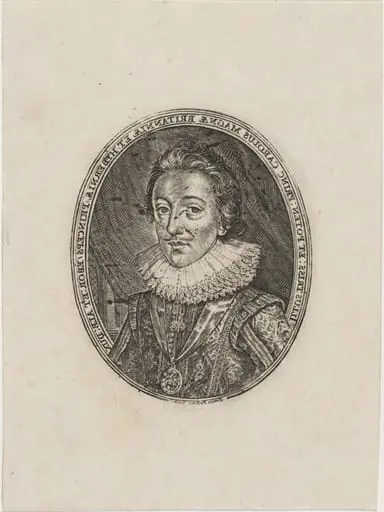
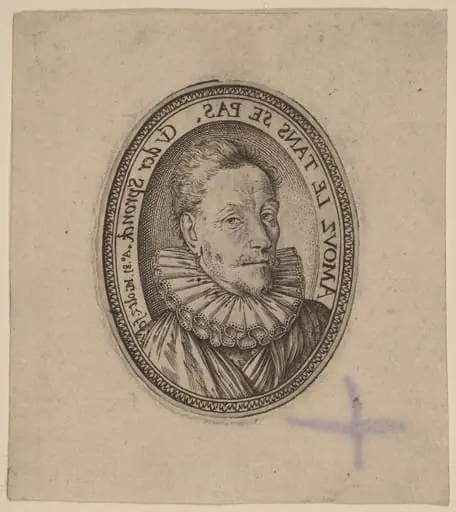
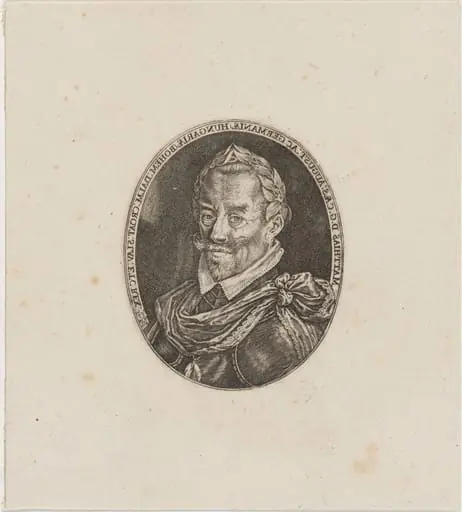
The Emperor Matthias is an ink print by the Renaissance artist Simon van de Passe. It dates from 1621 and is held in the collection of the National Gallery of Art.
About this work
Overview
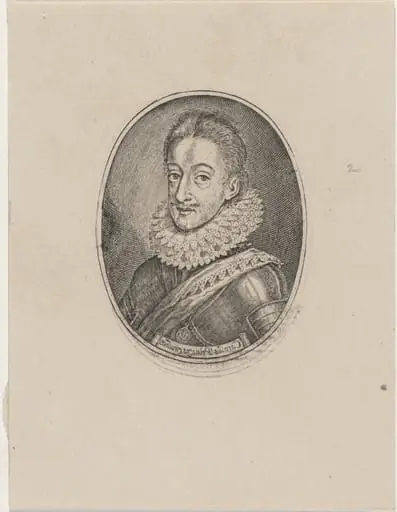
Simon van de Passe’s 1621 print presents a formal portrait of Emperor Matthias. Rendered in black and white, the image shows the ruler with a solemn expression, dressed in a ruffled collar, a fur‑trimmed robe, and a decorative chain. The composition is set against an unadorned background and is enclosed within a circular border that carries identifying text.
Subject & Meaning
The work depicts Matthias, Holy Roman Emperor from 1612 to 1619, emphasizing his authority through regal attire and dignified bearing. The austere facial expression and the inclusion of symbols such as the chain and fur lining convey both the imperial status and the gravitas expected of a sovereign during the early seventeenth‑century political climate.
Technique & Style
Van de Passe employed a fine‑line engraving method, transferring the design from a silver medal onto a copper plate. The meticulous incising creates subtle gradations of tone, particularly in the facial features and the texture of the fabrics, while the crisp circular frame and lettering demonstrate the precision characteristic of early modern medallic portraiture.
History & Provenance
Originally struck as a silver medal, the image was reproduced as a print to disseminate the emperor’s likeness more widely. The 1621 date places the work shortly after Matthias’s death, suggesting it served as a commemorative piece circulated among courtly and diplomatic circles.
Artist & collection