Artwork
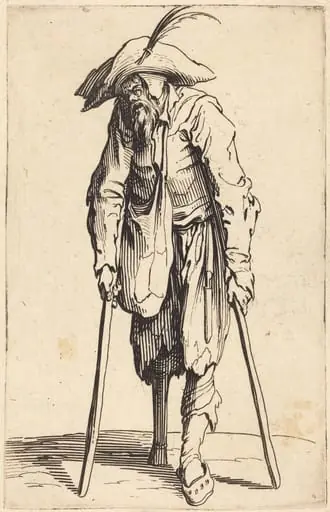
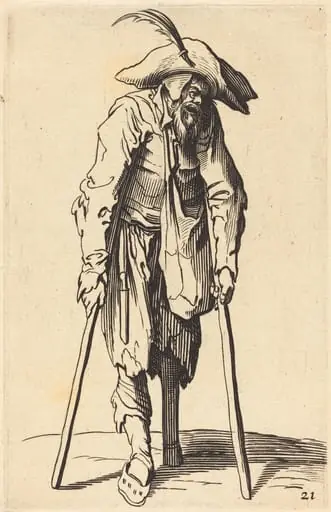
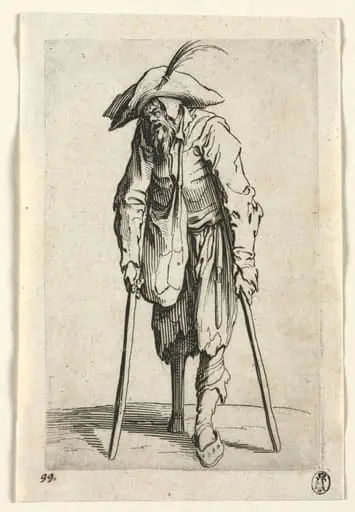
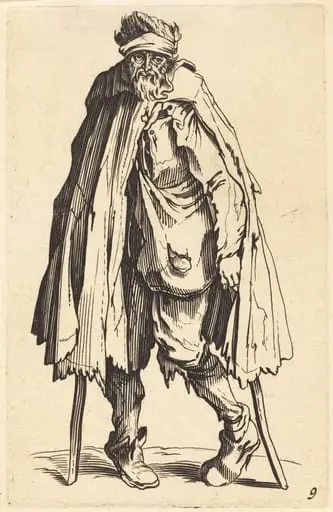
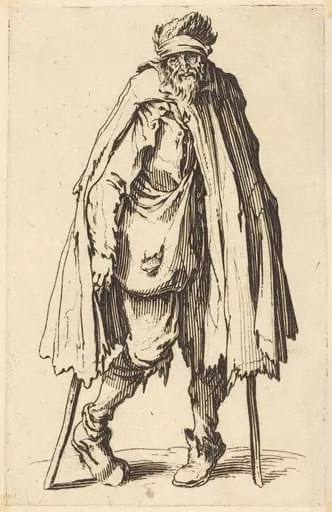
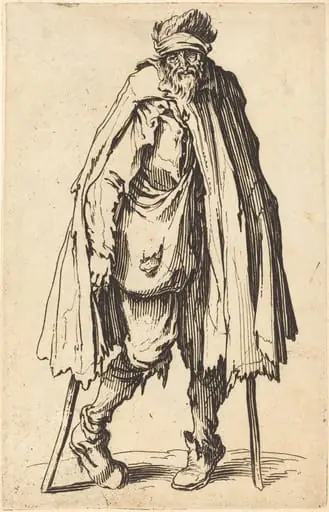
Beggar with Wooden Leg
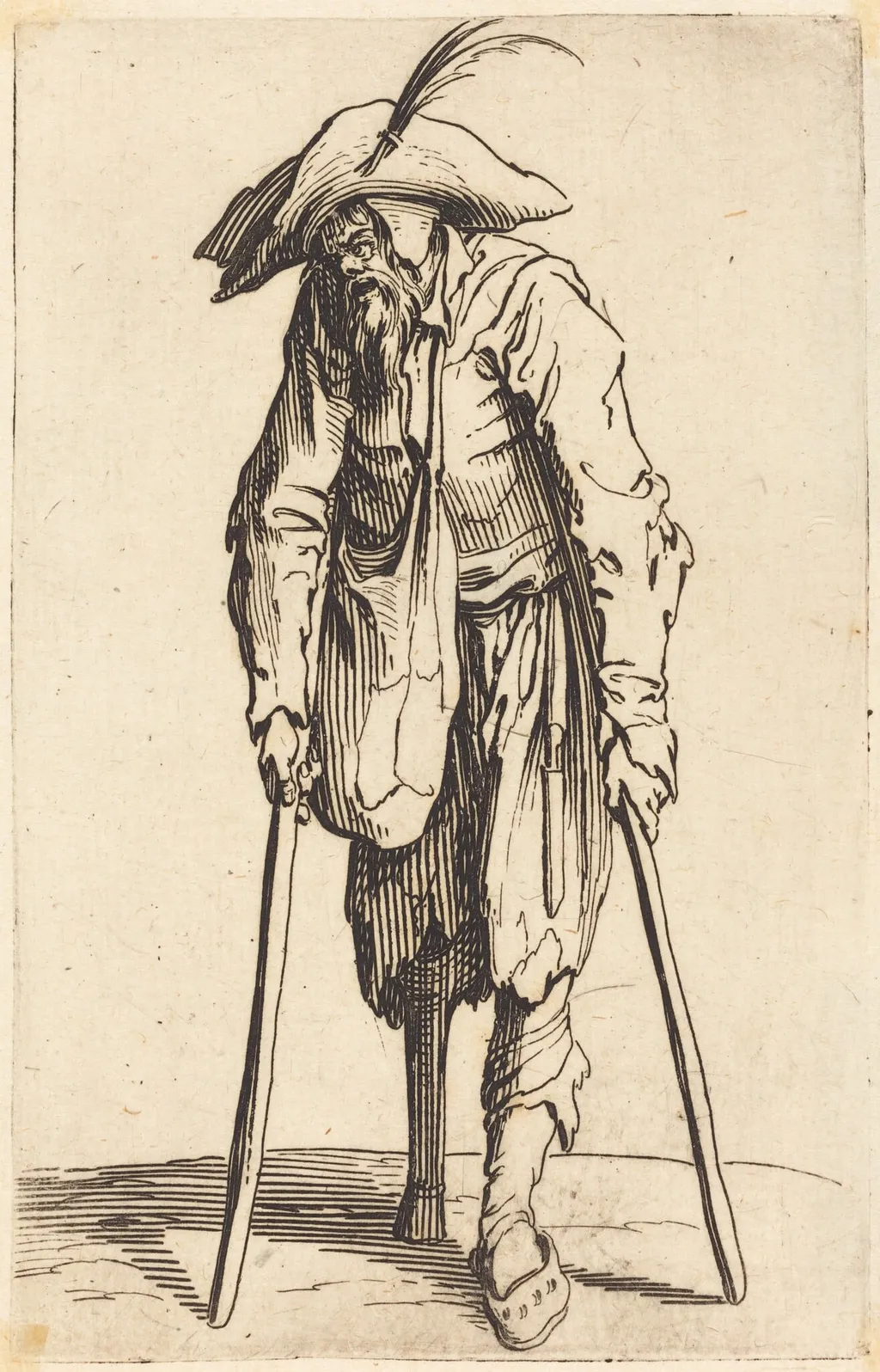
Beggar with Wooden Leg is an ink print by the Baroque artist Jacques Callot. It dates from 1622 and is held in the collection of the National Gallery of Art.
About this work
Overview
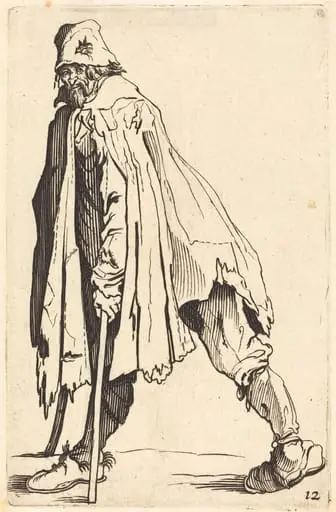
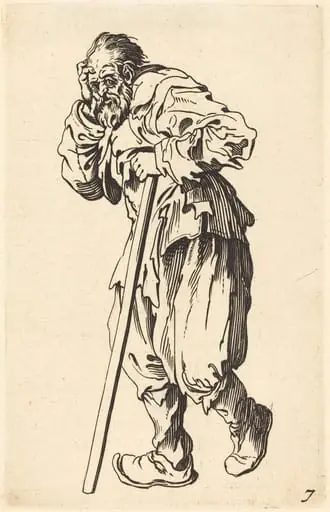
Beggar with Wooden Leg is an etching on laid paper created by Jacques Callot around 1622. It is one of over 1,400 etchings by the French baroque artist, known for documenting the social landscape of his era.
Subject & Meaning
The print depicts an elderly beggar with a wooden peg leg, dressed in a wide-brimmed hat, loose shirt, and baggy pants, holding a hat in his left hand. The subject reflects Callot's focus on marginalized figures of his time.
Technique & Style
Callot employed etching techniques to convey texture through lines, evident in the beggar's clothing folds and the wooden cane's grain. This method involved etching into a metal plate, which was then inked and pressed onto paper.
History & Provenance
Created circa 1622, the work is part of Callot's diverse oeuvre, which also includes religious, military, and landscape themes, characterized by detailed observational rendering.
Context
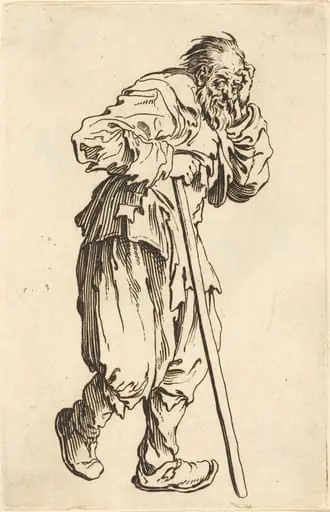
This piece sits within Callot's broader documentation of 17th-century social life, alongside other depictions of outcasts, soldiers, and entertainers, offering a glimpse into the era's social fabric.
Legacy
As part of Callot's extensive body of work, Beggar with Wooden Leg contributes to his lasting impact on baroque printmaking, notable for its detailed and observant style.
Artist & collection
Artist
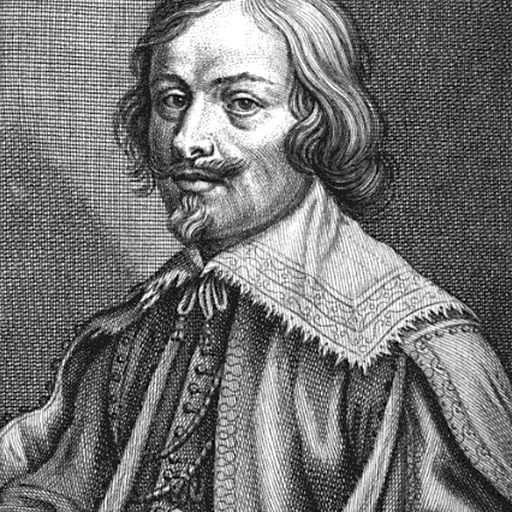
Jacques Callot was a baroque printmaker and draftsman from the Duchy of Lorraine.

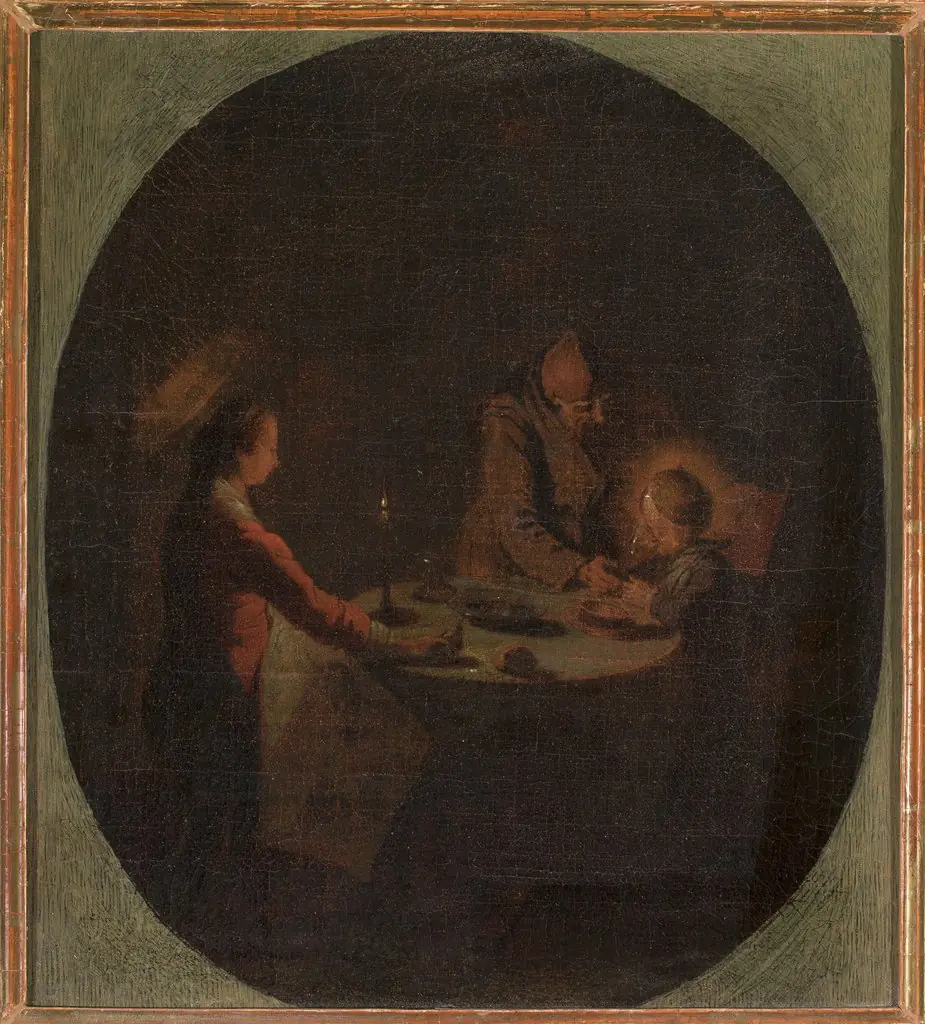 Holy Family at supper
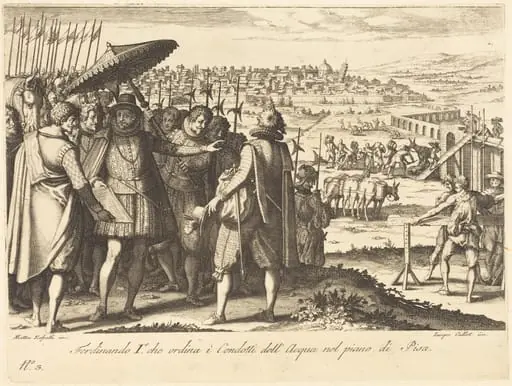 Restoration of the Aqueduct at Pisa
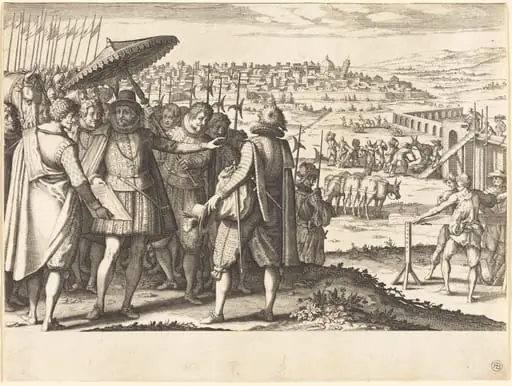 Restoration of the Aqueduct at Pisa
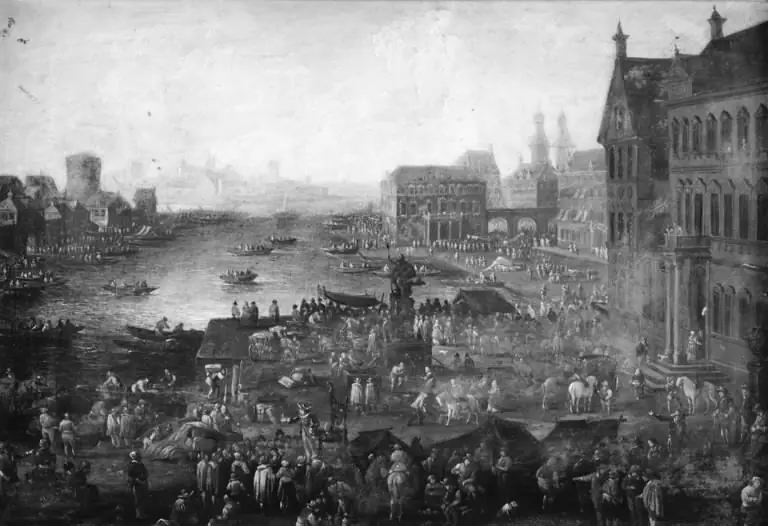 Square in Paris with Many Figures
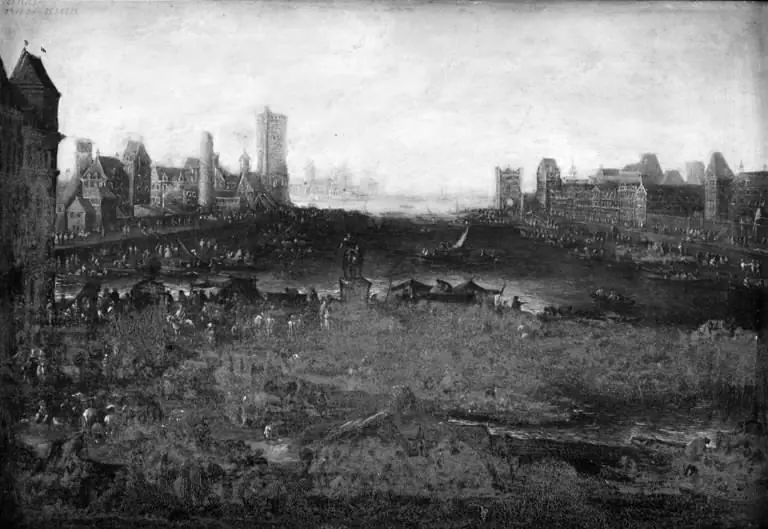 Square in Paris with Many Figures
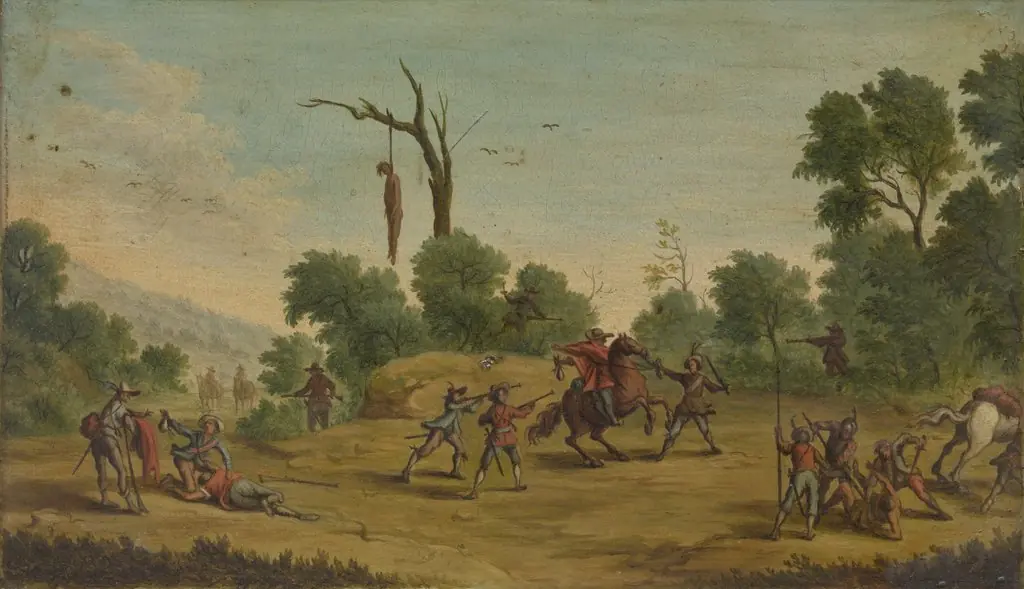 Horsemen Attacked by Robbers
 HOW WILL A COVERED PART BE CORRECTED?HOW WIKA A COVERED HEART DEED CORRECTED?
![Christ Walking on the Water [second plate], by Jacques Callot](https://artifactworldgallery.com/img/jacques-callot--christ-walking-on-the-water-second-plate--2069f3bfe4cb2126-w320.webp) Christ Walking on the Water [second plate]
Christ Walking on the Water [second plate]