Artwork
Coat of Arms of Nicolas Francis of Lorraine
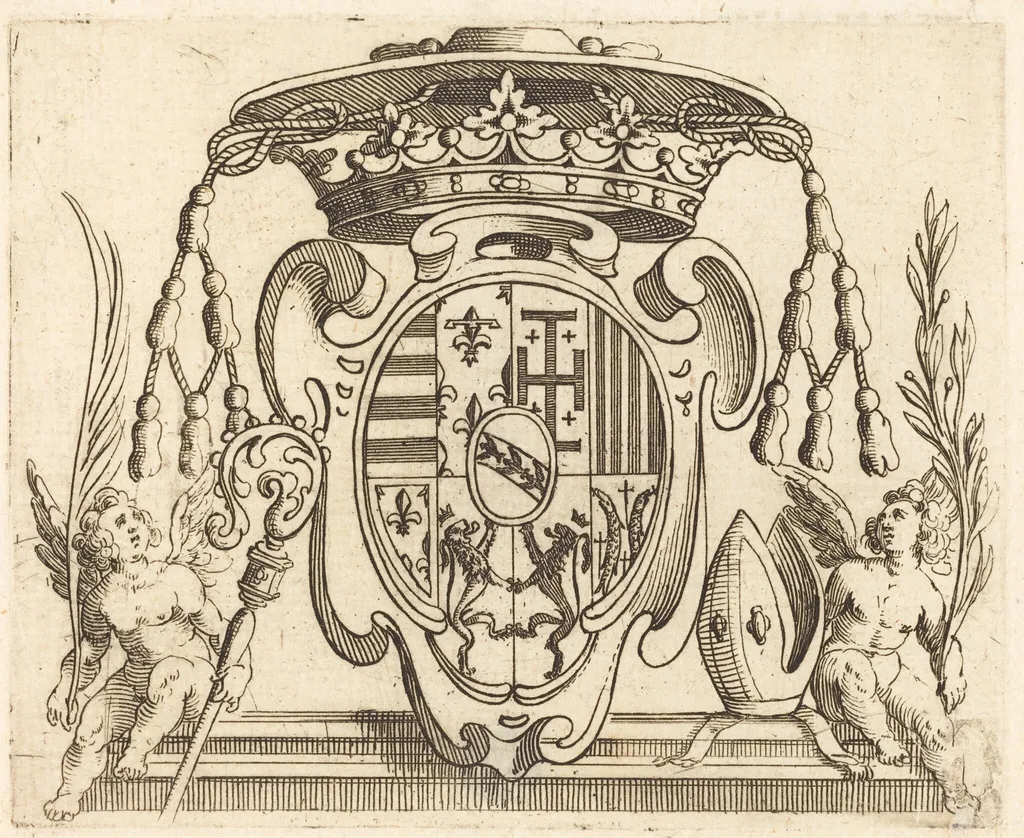
Coat of Arms of Nicolas Francis of Lorraine is an ink print by the Renaissance artist Jacques Callot. It dates from 1629 and is held in the collection of the National Gallery of Art.
About this work
Overview
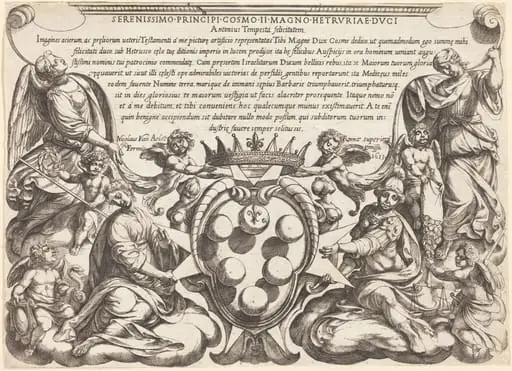
Jacques Callot’s etching, dated circa 1629, presents the heraldic device of Nicolas Francis of Lorraine. Executed on laid paper, the print centers a large shield bearing two lions and a crown, within which a smaller shield displays a cross. Flanking the shield, two cherubic figures support a decorative canopy, their wings and faces rendered with meticulous line work.
Subject & Meaning
The composition functions as a formal representation of noble identity, combining traditional heraldic symbols with allegorical elements. The lions and crown signal authority and lineage, while the cross in the inner shield references Christian faith. The cherubs, common in Baroque iconography, add a sense of divine favor and elevate the armorial display beyond mere record‑keeping.
Technique & Style
The precise rendering of the cherubs’ wings demonstrates Callot’s skill in conveying movement and anatomical detail within the static medium of print.
Callot employs fine, cross‑hatching and delicate incisions to achieve texture and depth, characteristic of his mature etching practice. The laid‑paper surface enhances the tonal variation, allowing subtle gradations in the canopy’s beads and the fur of the lions. The precise rendering of the cherubs’ wings demonstrates Callot’s skill in conveying movement and anatomical detail within the static medium of print.
History & Provenance
Created in the early 1620s, the print reflects Callot’s prolific output during his residence in Lorraine, where he served the ducal court. Though specific ownership records are scarce, the work likely circulated among the aristocracy as a portable emblem of status, aligning with the period’s practice of distributing personalized heraldic prints.
Context
The etching belongs to the broader Baroque fascination with elaborate ornamentation and the visual affirmation of power. In the early seventeenth century, prints served both documentary and propagandistic purposes, and Callot’s production of over a thousand images—including military scenes and courtly portraits—situated him at the forefront of this visual culture.
Artist & collection
Artist
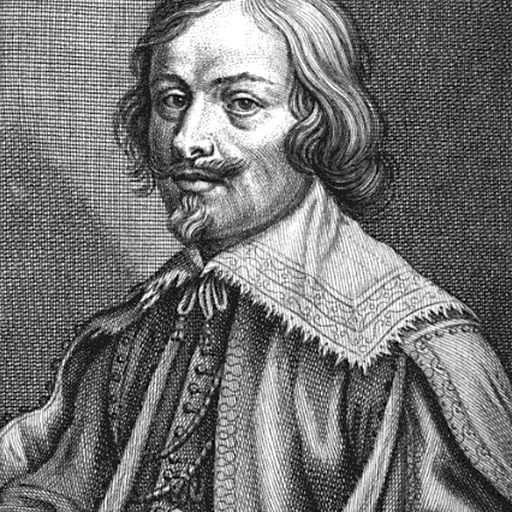
Jacques Callot was a baroque printmaker and draftsman from the Duchy of Lorraine.

 Holy Family at supper
 Restoration of the Aqueduct at Pisa
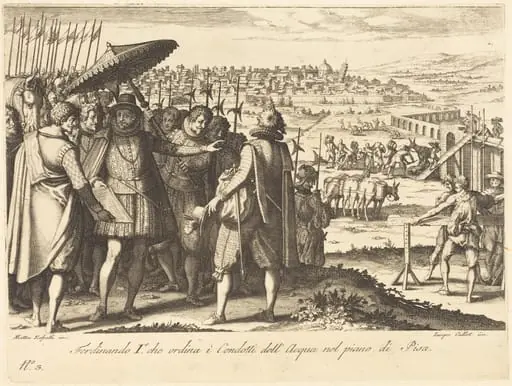
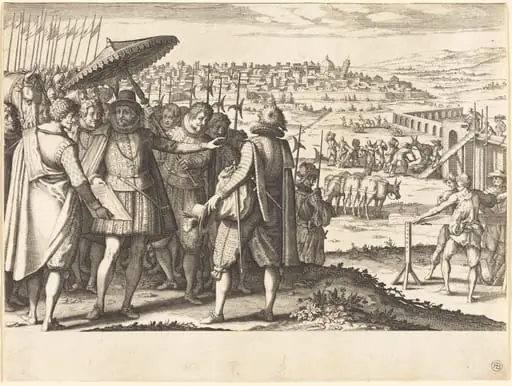 Restoration of the Aqueduct at Pisa
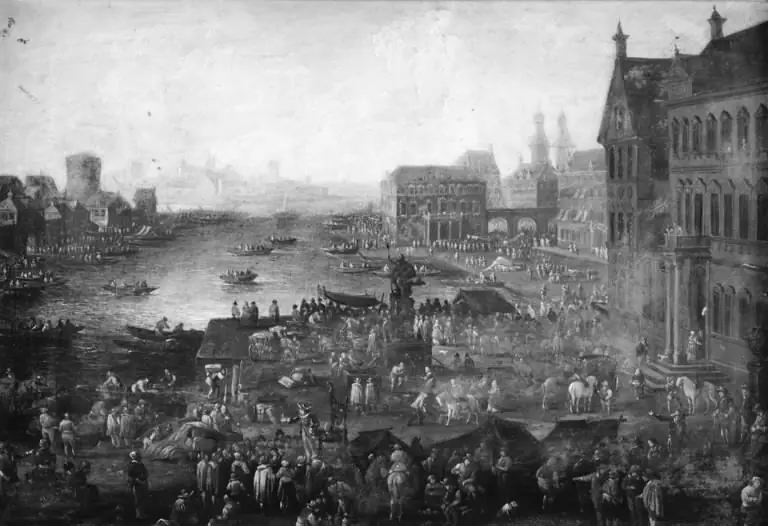 Square in Paris with Many Figures
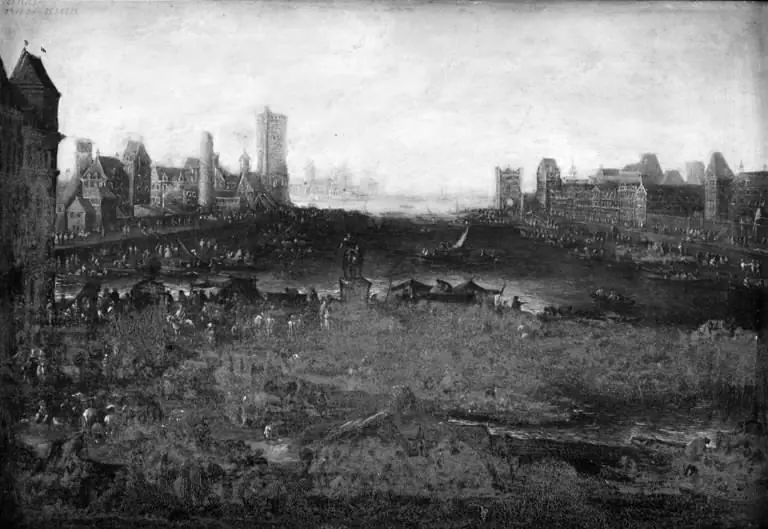 Square in Paris with Many Figures
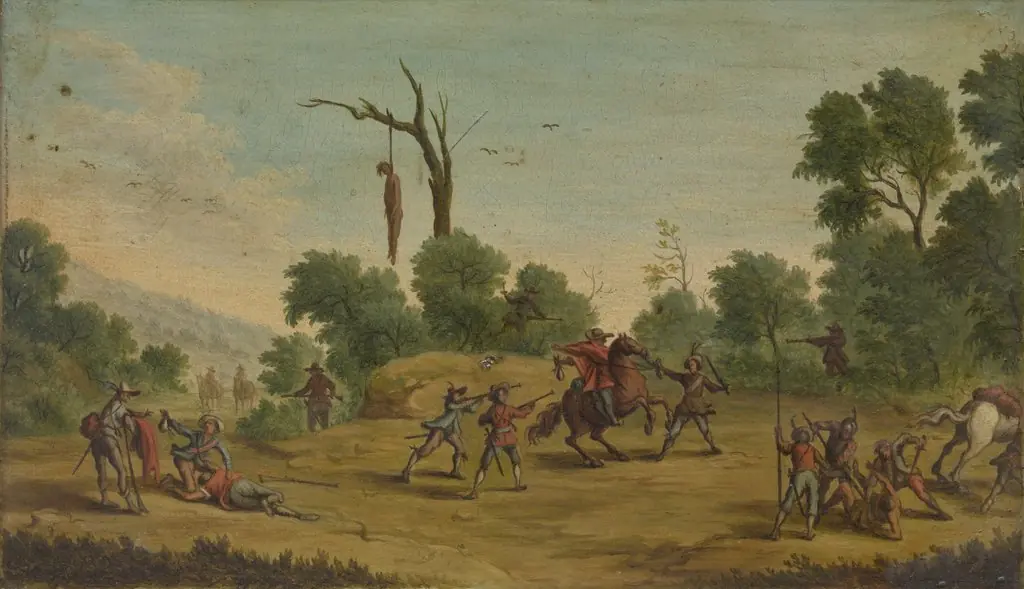 Horsemen Attacked by Robbers
 HOW WILL A COVERED PART BE CORRECTED?HOW WIKA A COVERED HEART DEED CORRECTED?
![Christ Walking on the Water [second plate], by Jacques Callot](https://artifactworldgallery.com/img/jacques-callot--christ-walking-on-the-water-second-plate--2069f3bfe4cb2126-w320.webp) Christ Walking on the Water [second plate]
Christ Walking on the Water [second plate]
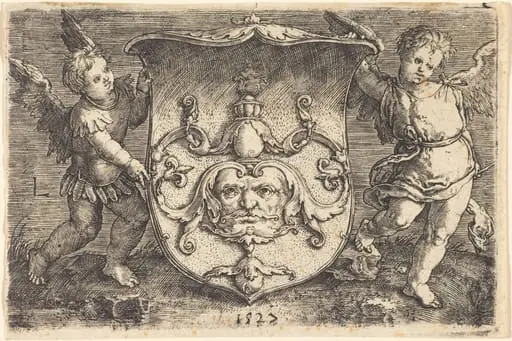 Shield with Mascaron
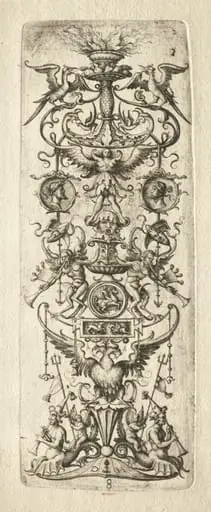 Ornament Fillet
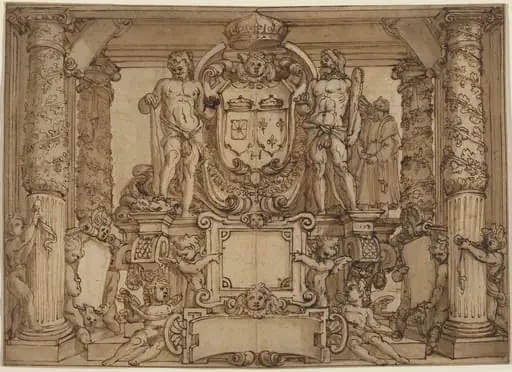 An Architectural Wall Design in Honor of Henry IV, the Gallic Hercules
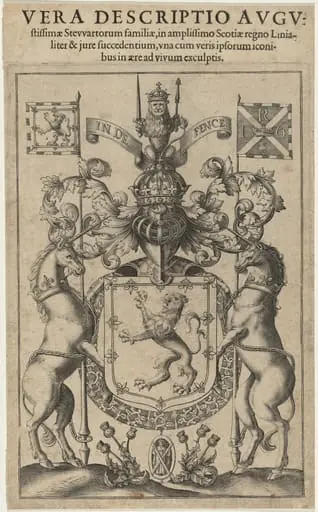 Stuart Coat of Arms from Vera Descriptio by John Jonston
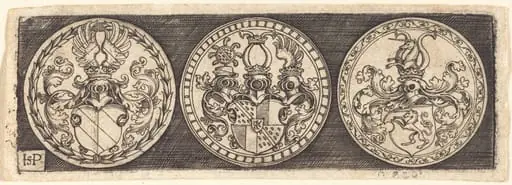 Three Medals with Coats of Arms
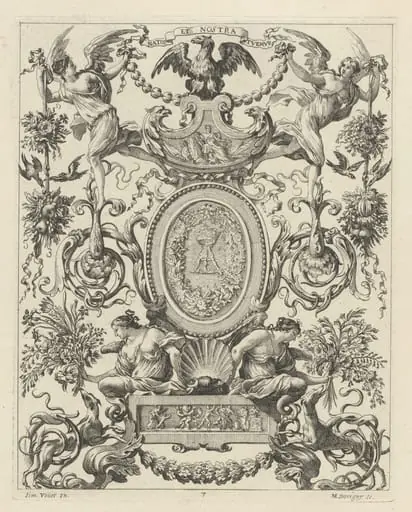 Ornamental Panel Surmounted by an Eagle and the Motto NATOS ET NOSTRA TUEMUR
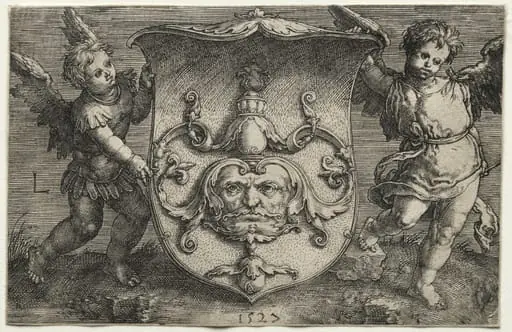 A Shield Bearing a Mask Supported by Two Genii
 Frontispiece
 Crest
Crest