Artwork
Three Medals with Coats of Arms
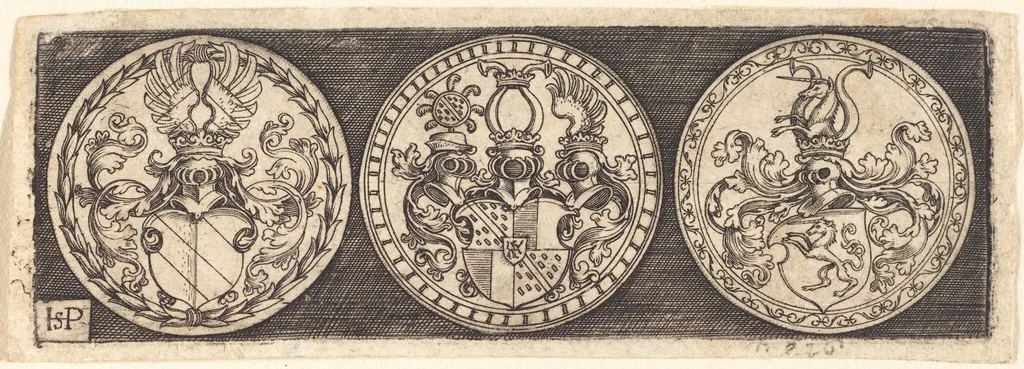
Three Medals with Coats of Arms is an ink print by the Renaissance artist Sebald Beham. It dates from 1525 and is held in the collection of the National Gallery of Art.
About this work
Overview
Created in 1525 by Sebald Beham, this engraving presents three heraldic medals rendered in fine linear detail. Executed on a dark ground, the composition features circular medallions bearing elaborate coats of arms and symbolic motifs. Beham, a Nuremberg-based printmaker, specialized in miniature engravings that demanded precision and patience, reflecting the technical rigor of his era.
Subject & Meaning
The arrangement suggests a curated display of authority, possibly intended as a study in dynastic representation or a collector’s item.
Each medal displays a unique heraldic arrangement—shields, crowns, fantastical beasts, and feathered elements—likely referencing noble lineages or civic identities. Though no specific patrons are identified, the imagery follows established conventions of European armorial symbolism. The arrangement suggests a curated display of authority, possibly intended as a study in dynastic representation or a collector’s item.
Technique & Style
Beham employed fine-line engraving to achieve intricate texture and depth, carving each motif with meticulous control. The sharp, interwoven strokes define complex forms without shading, relying on line density for contrast. The small scale and high detail align with the aesthetic of the Little Masters, who refined printmaking as an art of intimate observation rather than grand spectacle.
History & Provenance
The work emerged during a period of flourishing print culture in Nuremberg, where Beham and his peers produced engravings for private collectors and scholars. While its early ownership is unrecorded, similar pieces circulated among humanist circles. Its survival reflects the enduring value placed on engraved heraldry as both art and archival record in early 16th-century Germany.
Context
In the decades after Dürer, German printmakers turned to smaller, highly detailed subjects as demand grew for portable, collectible images. Beham’s medals reflect this trend, blending heraldic tradition with artistic virtuosity. The absence of religious or mythological themes signals a shift toward secular, aristocratic iconography, mirroring broader cultural interests in lineage and status.
Legacy
Beham’s engravings influenced later generations of printmakers through their technical discipline and compositional economy. Though less celebrated than Dürer’s, his work preserved the integrity of engraving as a medium for nuanced representation. These medals remain examples of how small-scale art could convey complex social and symbolic meanings with remarkable clarity.
Artist & collection
Artist
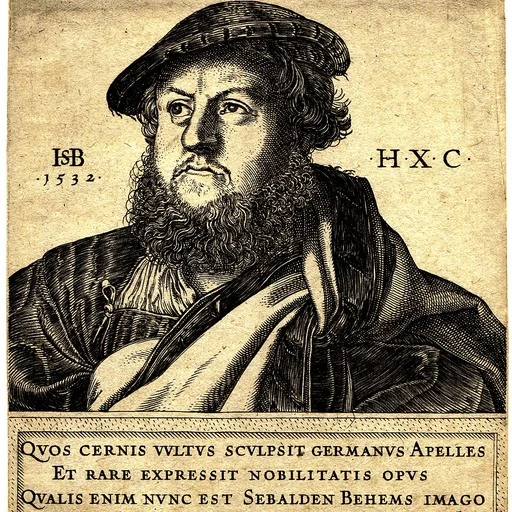
Sebald Beham (1500–1550) was a German painter and printmaker, mainly known for his very small engravings.


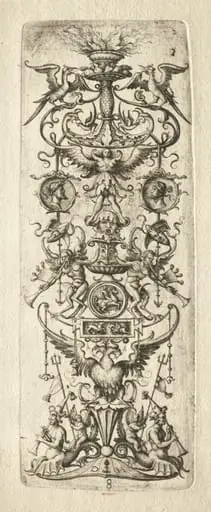 Ornament Fillet
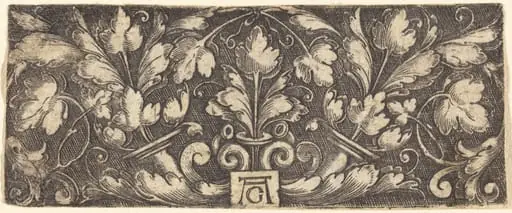 Ornament
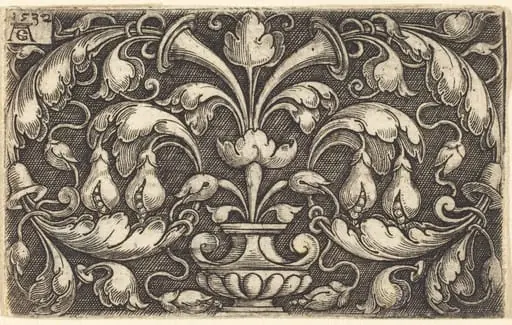 Ornament
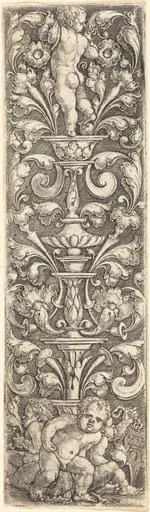 High Ornament
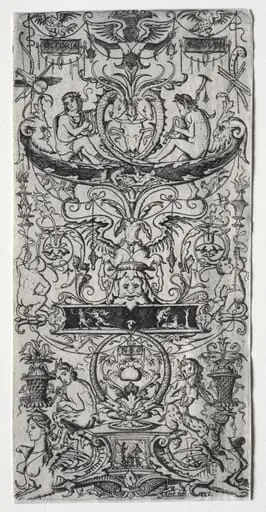 Ornament Panel Inscribed Victoria Augusta
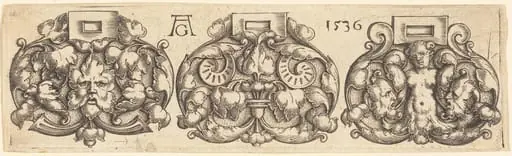 Three Buckles of Girdles Side by Side
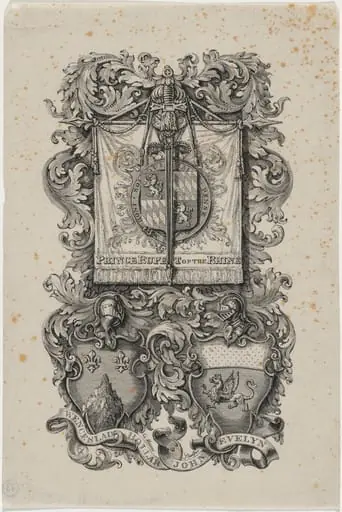 Coat of Arms of Prince Rupert, Hollar and Evelyn
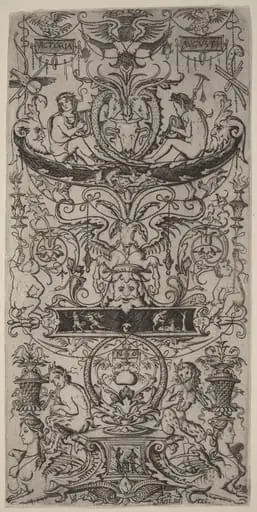 Ornament Panel: Victoria Augusta
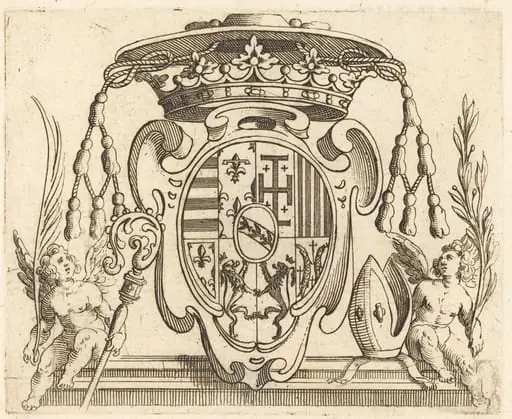 Coat of Arms of Nicolas Francis of Lorraine
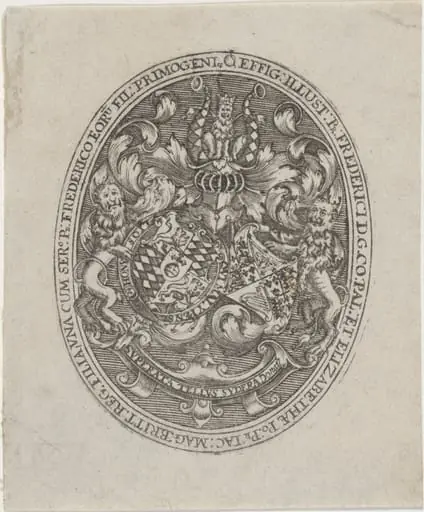 Shields of Frederick V, Elizabeth, and Prince Frederick Henry