Artwork
Dedication to Don Lorenzo de' Medici
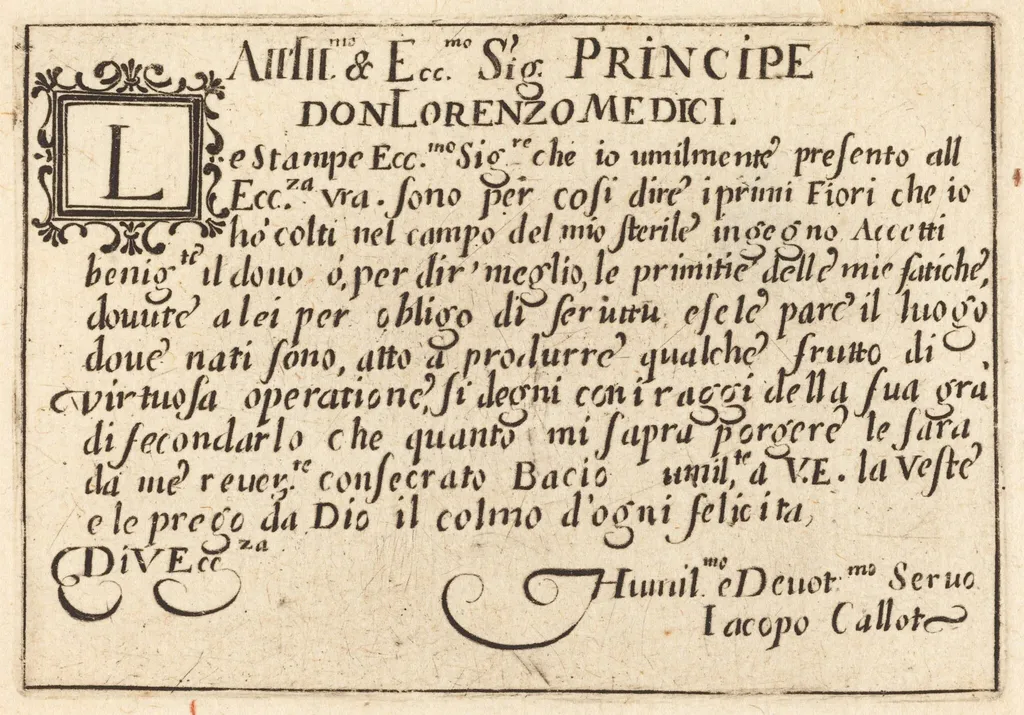
Dedication to Don Lorenzo de' Medici is an ink print by the Baroque artist Jacques Callot. It dates from 1622 and is held in the collection of the National Gallery of Art.
About this work
Overview
Created around 1622 by Jacques Callot, this etching is a dedicatory inscription on laid paper, intended as a formal tribute to Don Lorenzo de' Medici.
Created around 1622 by Jacques Callot, this etching is a dedicatory inscription on laid paper, intended as a formal tribute to Don Lorenzo de' Medici. Executed in fine black ink, the composition centers on ornate calligraphy arranged in dense, vertical rows. The design is minimal in imagery but rich in textual detail, reflecting the conventions of aristocratic patronage in early 17th-century Italy. Callot’s signature and the presence of a crowned 'L' mark the work as both personal and politically charged.
Subject & Meaning
The piece serves as a ceremonial dedication, honoring Lorenzo de' Medici through a carefully composed Italian text. The prominent crowned 'L' symbolizes his status and lineage, while the elaborate script conveys reverence and loyalty. Such dedications were common among artists seeking favor or protection from powerful patrons. The absence of figurative elements shifts focus entirely to the written word, emphasizing the cultural value placed on literacy and formal address in courtly circles.
Technique & Style
Callot employed etching, a technique involving acid-bitten lines on a metal plate, to produce precise, intricate script. The paper’s laid texture enhances the tactile quality of the print, aligning with period practices for high-status documents. The lettering is densely packed and highly stylized, showcasing Callot’s mastery of fine-line control. Unlike his narrative prints, this work prioritizes typographic elegance over illustration, revealing his versatility across genres.
History & Provenance
The work likely originated in Florence, where Callot was active during his time at the Medici court. It may have been produced as a gift or official acknowledgment of patronage, possibly distributed among courtiers. Its survival in relatively intact condition suggests it was preserved as a keepsake rather than circulated widely. The absence of later annotations or collector marks leaves its early ownership obscure, though its association with the Medici family anchors it to a specific historical moment.
Context
In the early 1620s, the Medici family maintained a strong interest in the arts as tools of political legitimacy. Artists like Callot, though foreign, were welcomed for their technical skill and ability to elevate courtly culture. This etching reflects a broader trend in which printmakers produced portable, elegant dedications to secure patronage. Such works bridged the gap between fine art and ceremonial correspondence, reinforcing social hierarchies through visual and textual formality.
Legacy
While not among Callot’s most widely reproduced works, this etching exemplifies his ability to adapt his craft to the demands of elite patrons. It stands as a rare instance where his printmaking served purely textual and ceremonial ends, distinct from his more famous depictions of war or popular life. Today, it remains a quiet testament to the intricate relationships between artists and aristocracy in Baroque Europe, valued for its craftsmanship and historical specificity.
Artist & collection
Artist
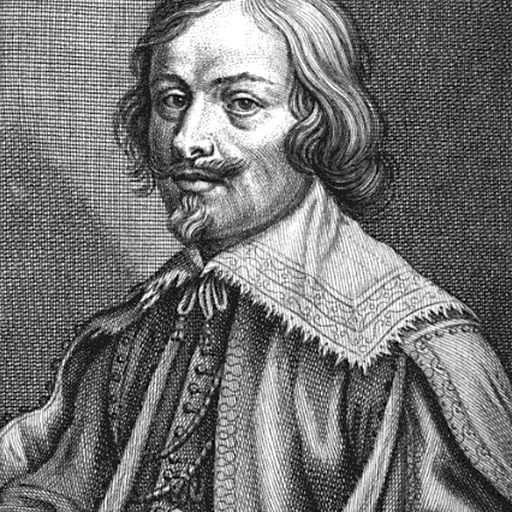
Jacques Callot was a baroque printmaker and draftsman from the Duchy of Lorraine.

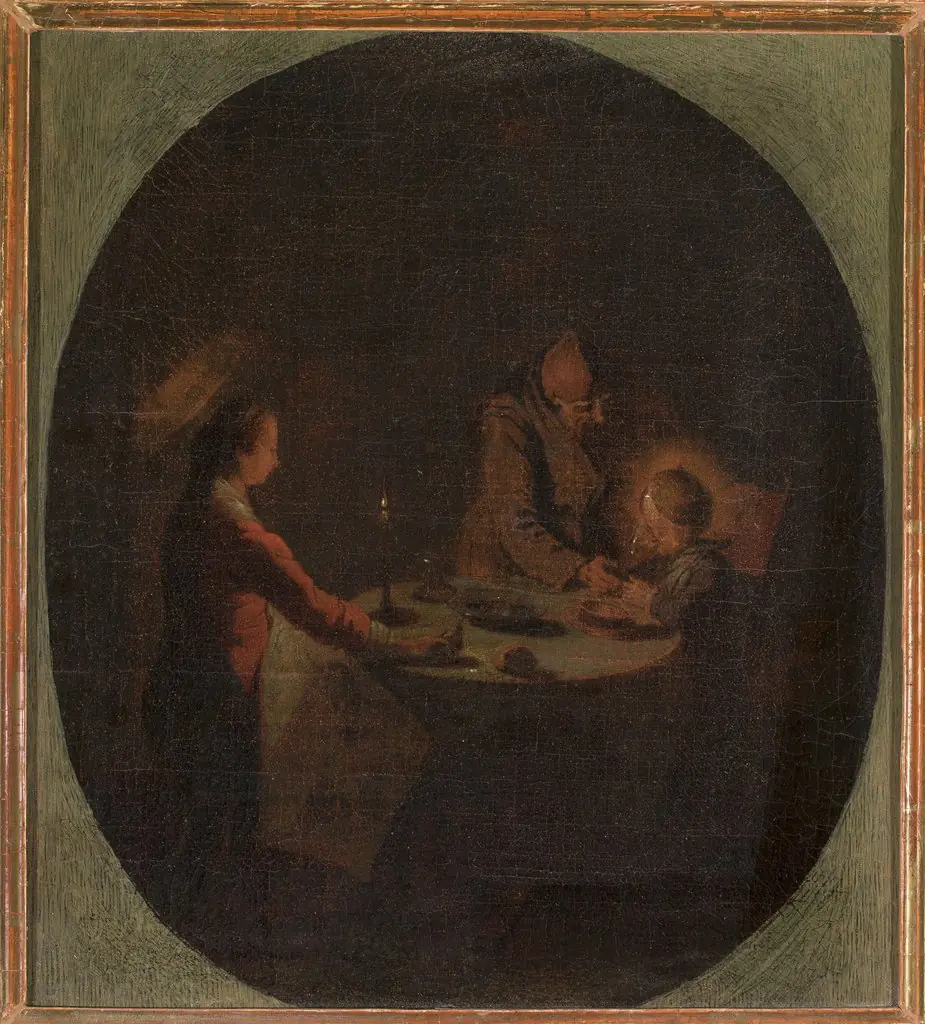 Holy Family at supper
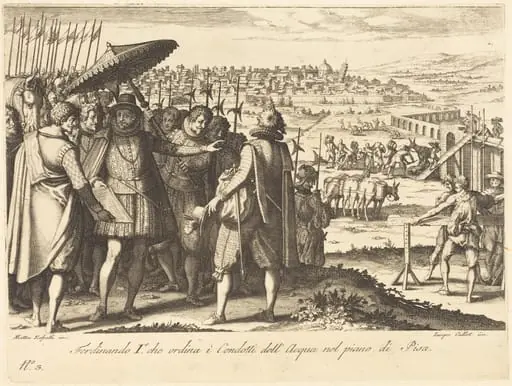 Restoration of the Aqueduct at Pisa
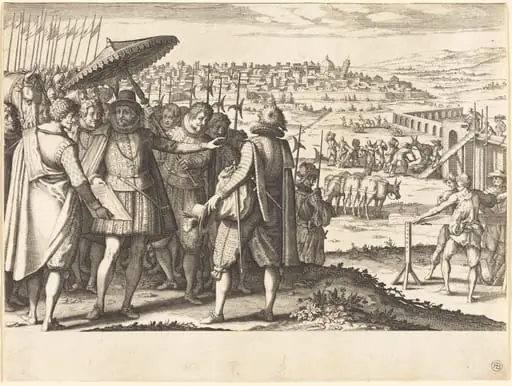 Restoration of the Aqueduct at Pisa
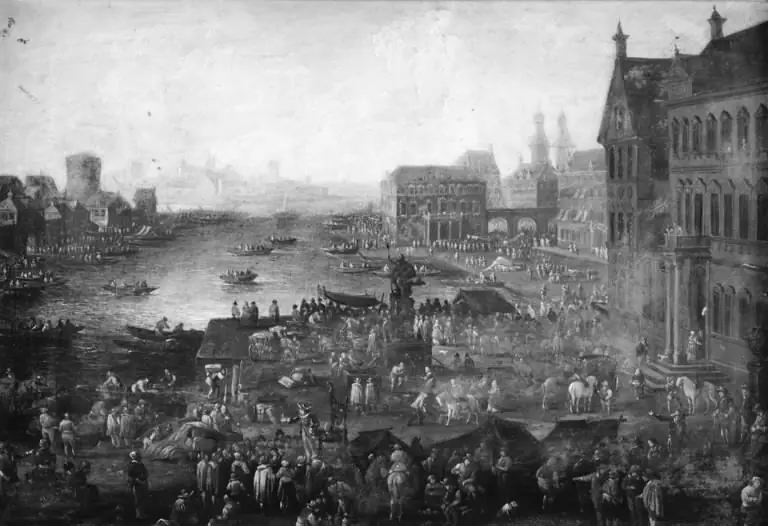 Square in Paris with Many Figures
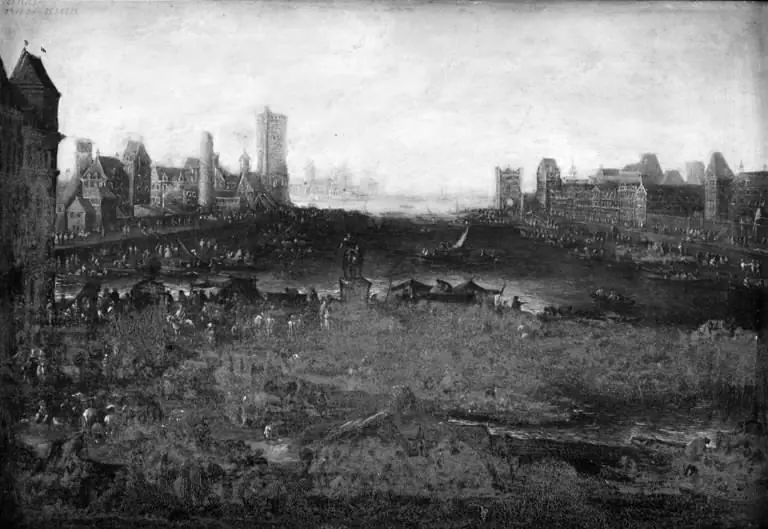 Square in Paris with Many Figures
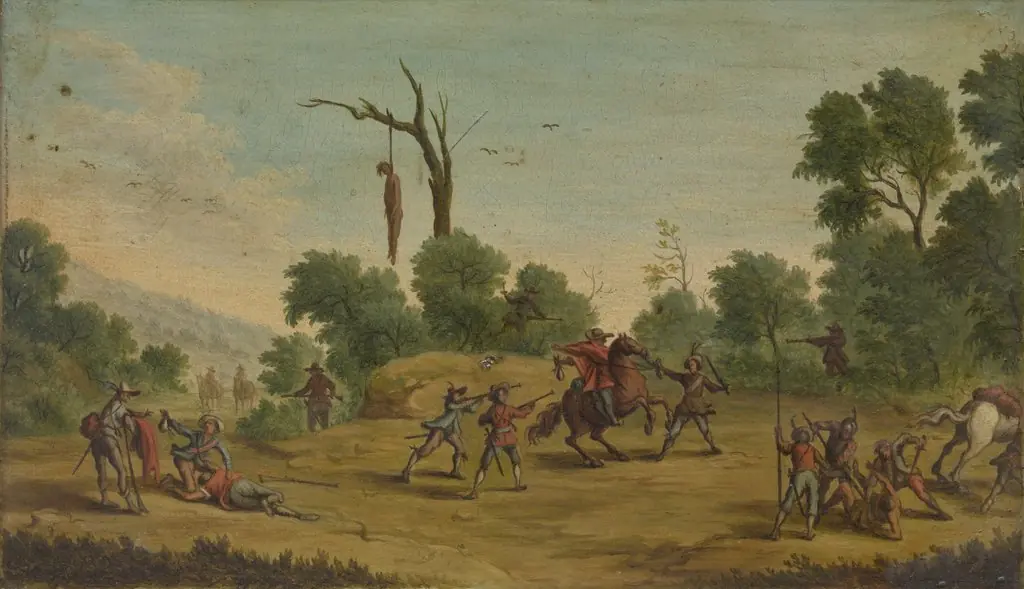 Horsemen Attacked by Robbers
 HOW WILL A COVERED PART BE CORRECTED?HOW WIKA A COVERED HEART DEED CORRECTED?
![Christ Walking on the Water [second plate], by Jacques Callot](https://artifactworldgallery.com/img/jacques-callot--christ-walking-on-the-water-second-plate--2069f3bfe4cb2126-w320.webp) Christ Walking on the Water [second plate]
Christ Walking on the Water [second plate]
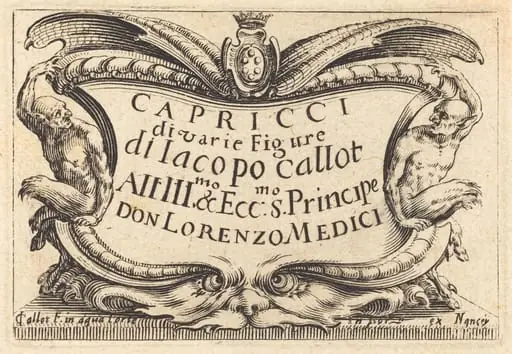 Title Page for "The Capricci"
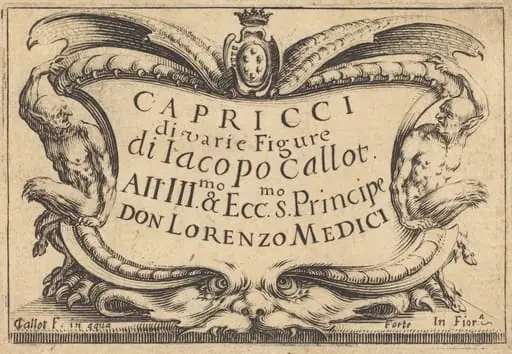 Title Page for "The Capricci"
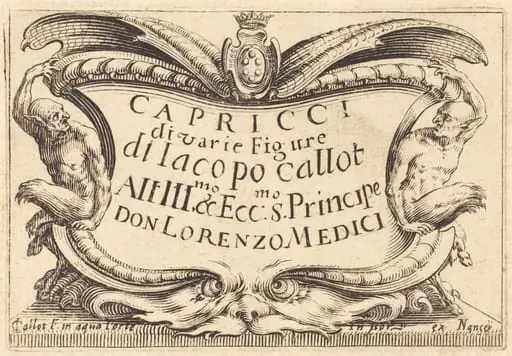 Title Page for "The Capricci"
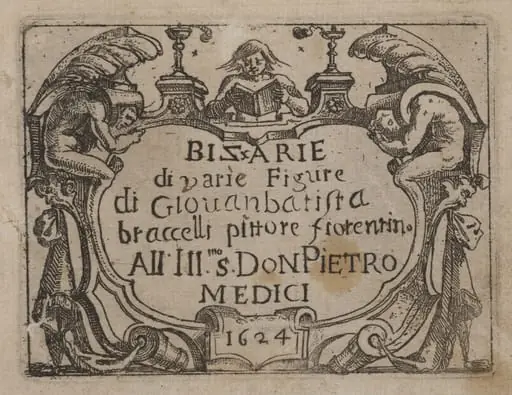 Title Page for "Bizzarie di varie Figure"
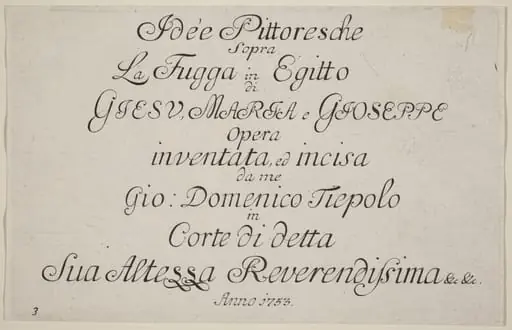 Title Page
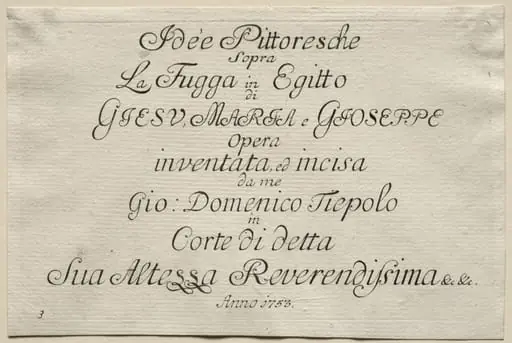 Flight into Egypt: Title Page
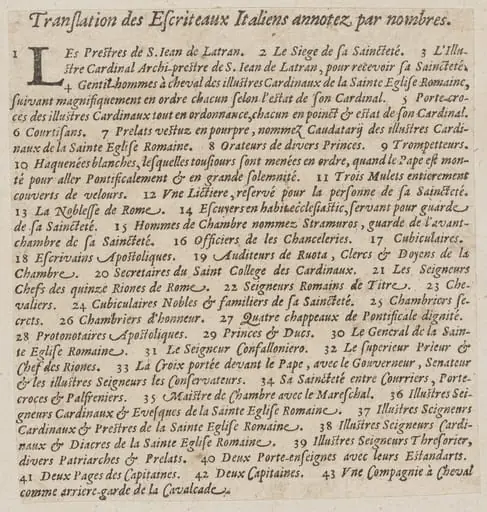 French captions to 'La Calvacatura con le sue Cerimonie'
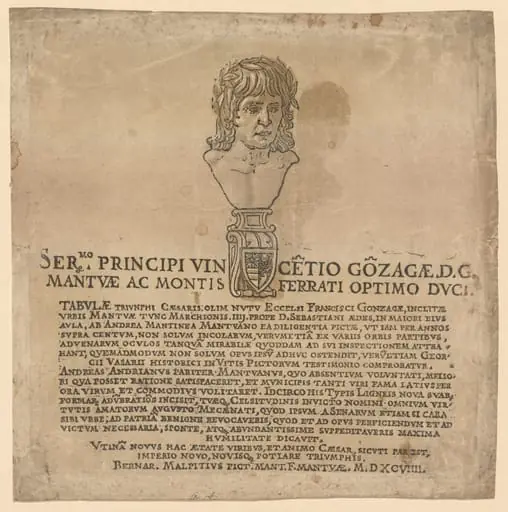 The Triumph of Julius Caesar
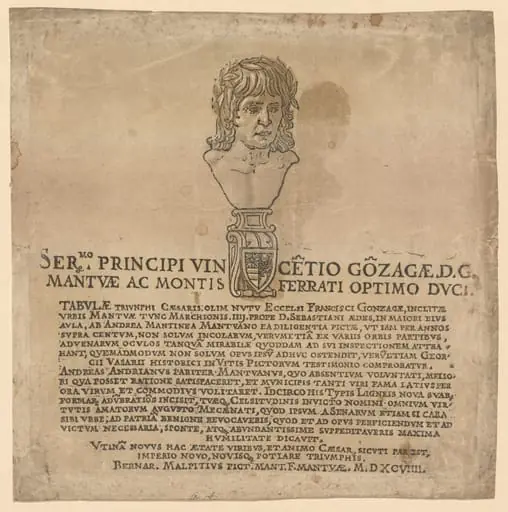 The Triumph of Julius Caesar: Frontispiece
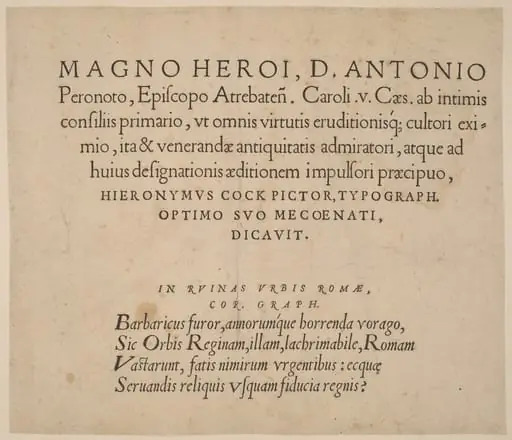 Dedication Page