Artwork
The Triumph of Julius Caesar
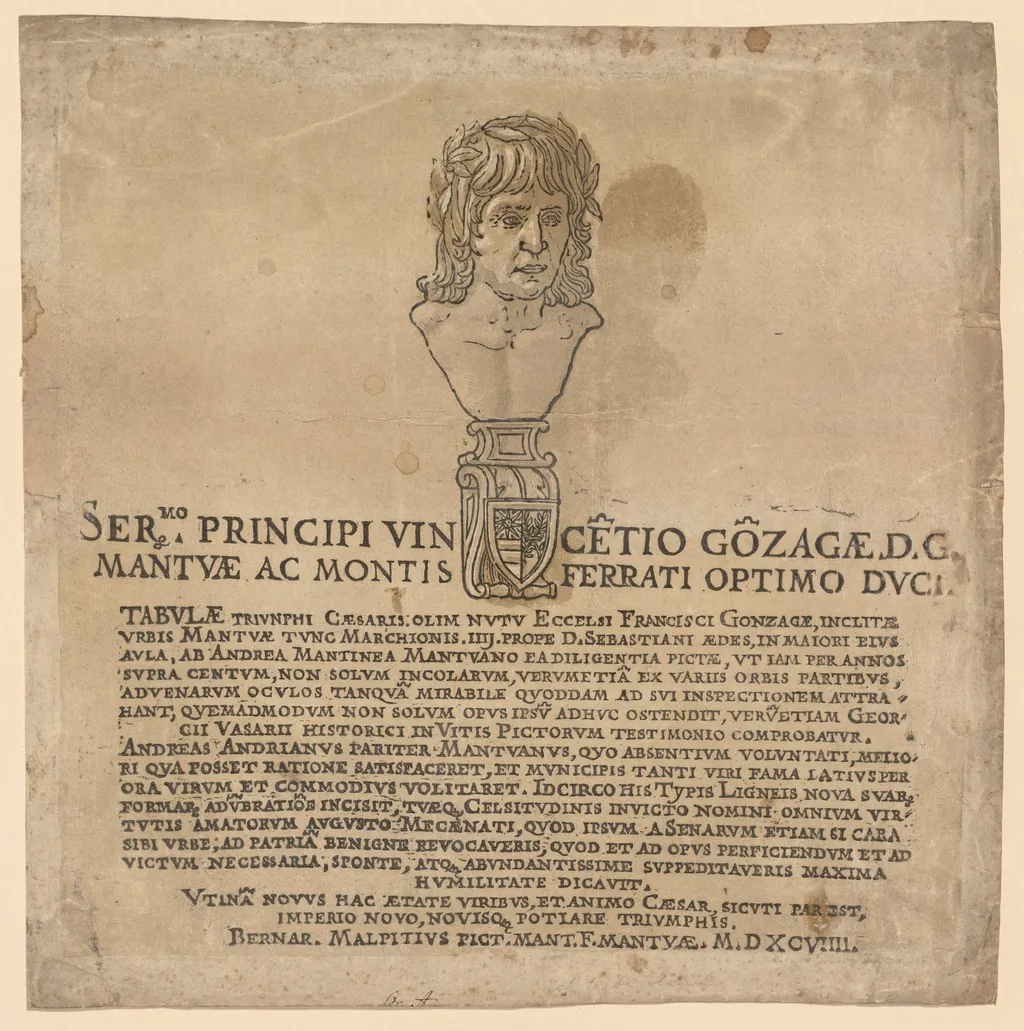
The Triumph of Julius Caesar is a print by the Renaissance artist Andrea Andreani. It dates from 1596 and is held in the collection of the Cleveland Museum of Art.
About this work
Overview
Each scene is rendered in bold contrasts of black and white, capturing the movement and scale of the Roman parade through layered woodblock printing techniques.
A series of chiaroscuro woodcuts produced by Andrea Andreani in the early 17th century reproduces Andrea Mantegna’s earlier painted cycle depicting Julius Caesar’s triumphal procession. Commissioned by Duke Vincenzo Gonzaga, the prints were designed to emulate the grandeur of the original Renaissance murals. Each scene is rendered in bold contrasts of black and white, capturing the movement and scale of the Roman parade through layered woodblock printing techniques.
Subject & Meaning
The sequence illustrates the ceremonial march celebrating Julius Caesar’s victory over Gaul in 52 BC, as recorded in ancient Roman sources. It includes soldiers, captive leaders, exotic animals, and looted treasures, following the formal structure of a Roman triumph sanctioned by the Senate. The imagery reinforces ideals of military glory and imperial authority, translating historical narrative into a visual spectacle meant to evoke the power and prestige of Rome’s past.
Technique & Style
Andreani employed multiple woodblocks to achieve tonal depth, using overlapping layers of ink to simulate the chiaroscuro effects of painting. The precision of line and contrast mimics the texture and volume of Mantegna’s originals while retaining the distinctive grain and texture of woodcut. The prints were produced as a unified suite, with cut-out classical columns intended to be inserted between scenes, enhancing the illusion of architectural continuity and spatial depth.
History & Provenance
Commissioned by Duke Vincenzo Gonzaga of Mantua, the woodcuts were created around 1595–1600 as a portable, reproducible version of Mantegna’s lost frescoes. Andreani, a skilled printmaker, referenced classical texts to ensure historical accuracy in details. Some surviving sets retain the original decorative columns, with two orange-painted fragments still positioned beside the fourth and ninth panels, indicating how owners assembled them as wall-mounted displays.
Context
In late Renaissance Italy, there was a growing interest in antiquity and the reproduction of classical themes through print. Andreani’s series responded to elite collectors’ desire for accessible versions of monumental art. The inclusion of Mantegna’s portrait and textual praise reflects the period’s reverence for earlier masters. These prints circulated among aristocratic households, functioning both as decoration and as cultural artifacts affirming humanist values.
Legacy
Andreani’s woodcuts stand as a significant example of early modern printmaking’s capacity to preserve and disseminate Renaissance painting. Their technical sophistication influenced later reproductive prints, and their structural design—integrating architectural elements—demonstrates an innovative approach to serial imagery. Though not widely known today, they remain important for understanding how classical themes were reimagined through print in the age of collecting.
Artist & collection

Artist
Andrea Andreani (1540–1623) was an Italian engraver on wood, who was among the first printmakers in Italy to use chiaroscuro, which required multiple colours.

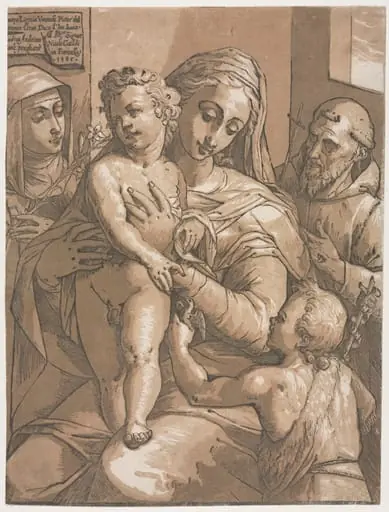 Virgin and Child with St. John, St. Catherine of Siena and St. Francis
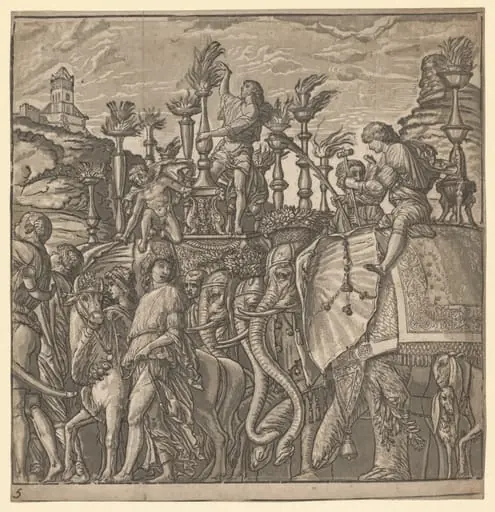 The Triumph of Julius Caesar: Elephants Carrying Torches
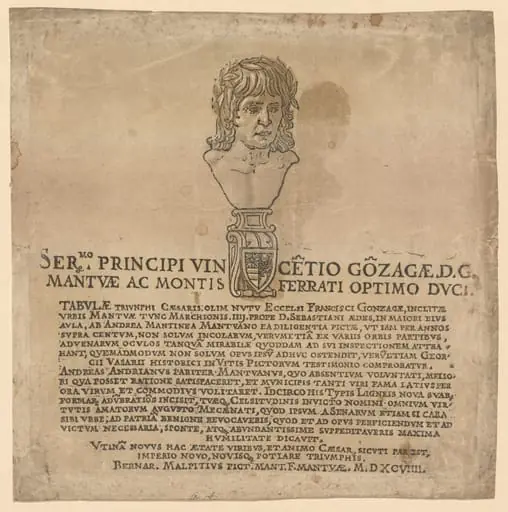 The Triumph of Julius Caesar: Frontispiece
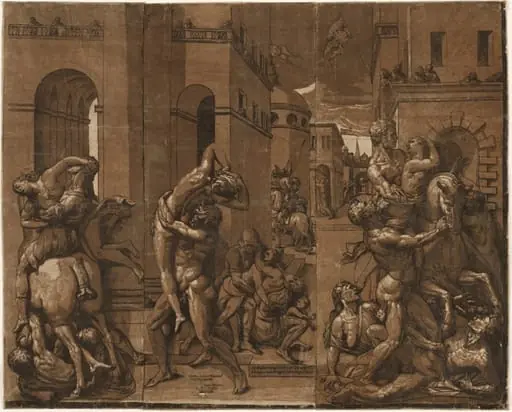 The Abduction of the Sabine Women
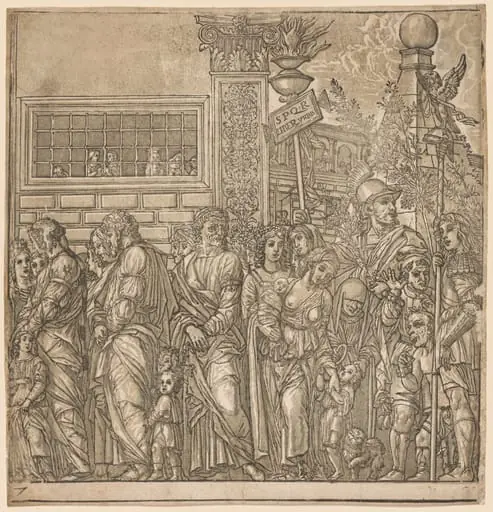 The Triumph of Julius Caesar: Procession of Men, Women and Children
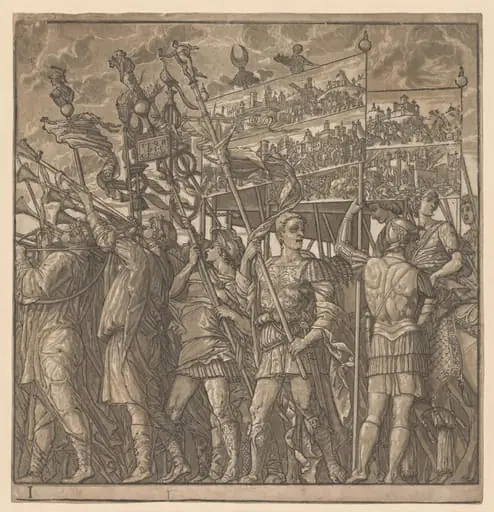 The Triumph of Julius Caesar: Soldiers Carrying the Pictures of War
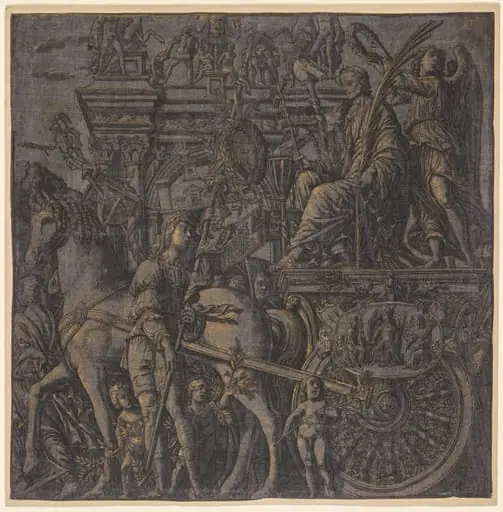 The Triumph of Julius Caesar: Caesar Triumphant
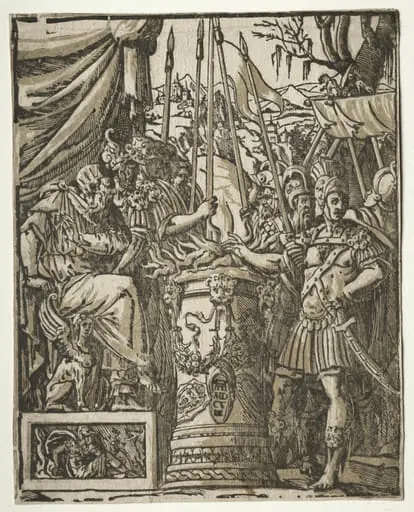 Mucius Scaevola
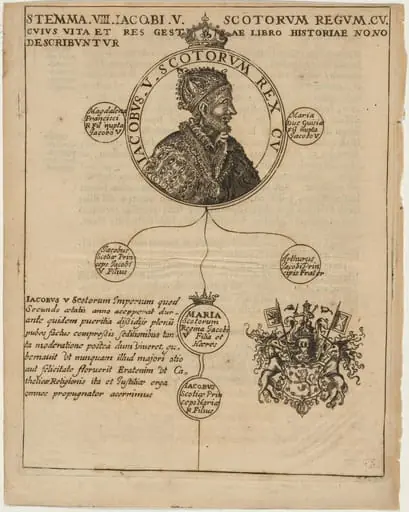 James V of Scotland with Geneology
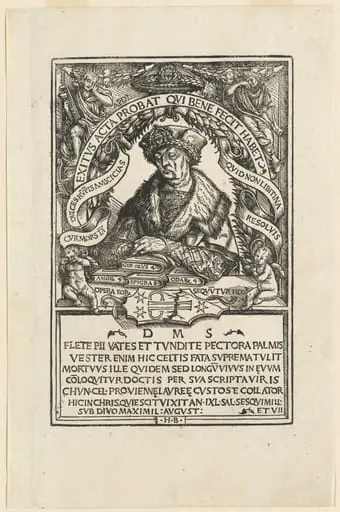 Conrad Celtis
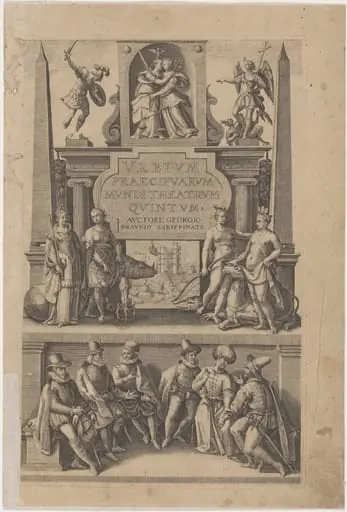 Title Page to Urbium Praecipuarum Mundi Theatrum Quintum
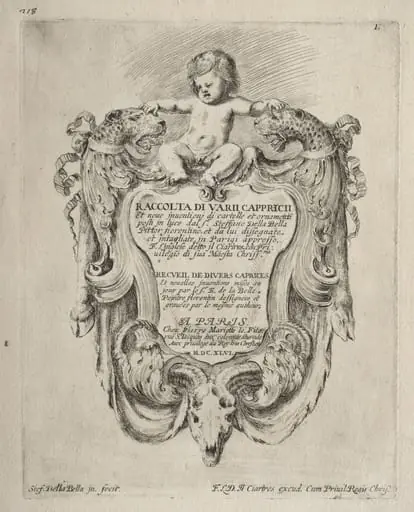 Collection of Various Caprices and New Designs of Cartouches and Ornaments: No 1, Title Page
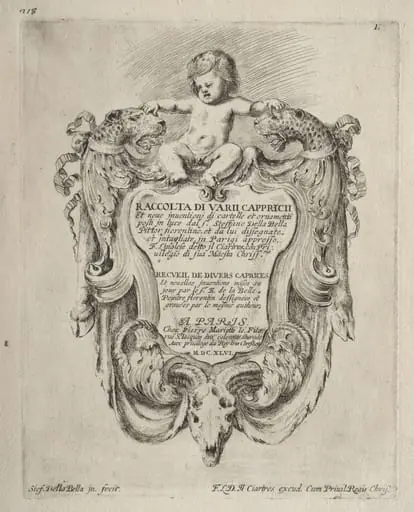 Collection of Various Caprices and New Designs of Cartouches and Ornaments
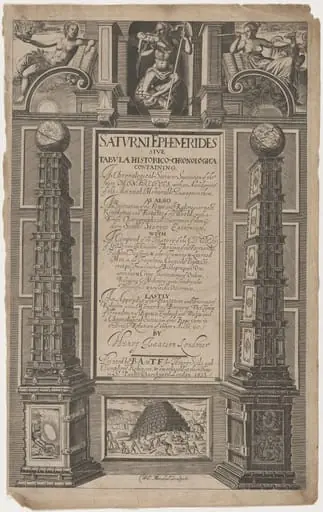 Title Page to Saturne Ephemerides by Henry Isaacson
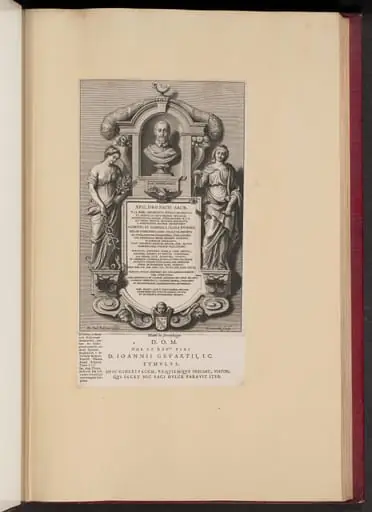 Epitaph of Claude Jean Gevaert
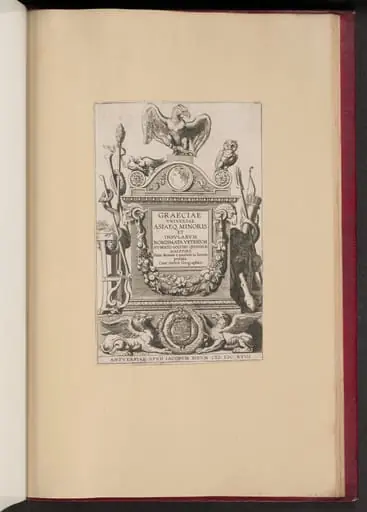 Title Page for Hubert Goltzius, Graeciae Vniversae Asiaeq. Minoris et Insularum Nomismata
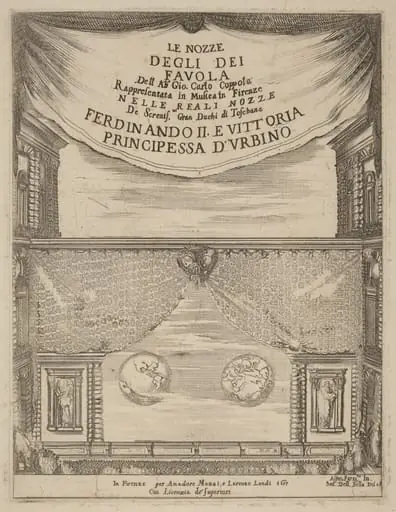 Le Nozze degli Dei: Frontispiece
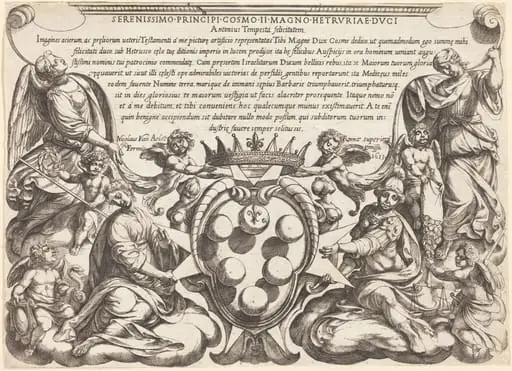 Frontispiece
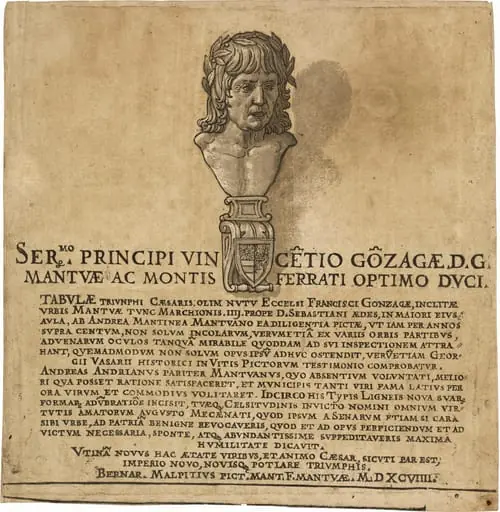 The Triumph of Julius Caesar: Title Page