Artwork
Ecce Homo
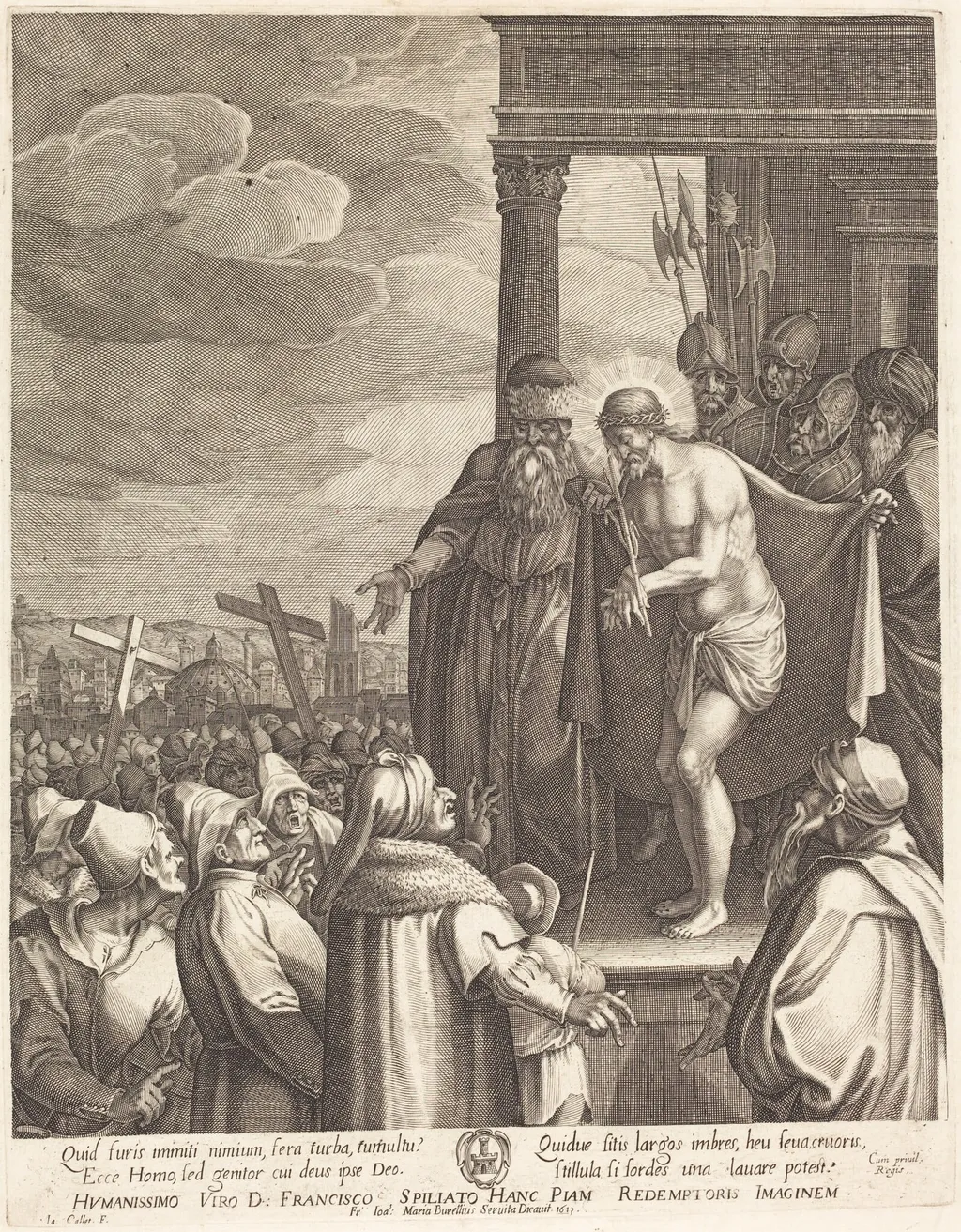
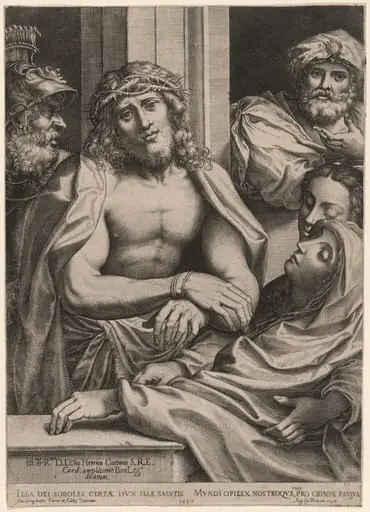
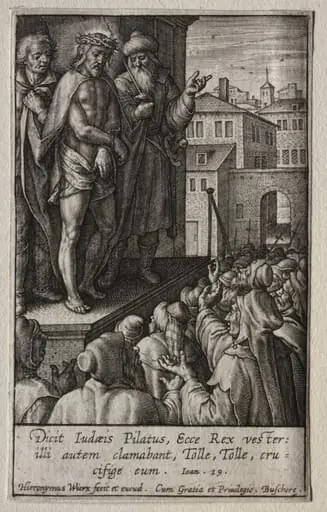
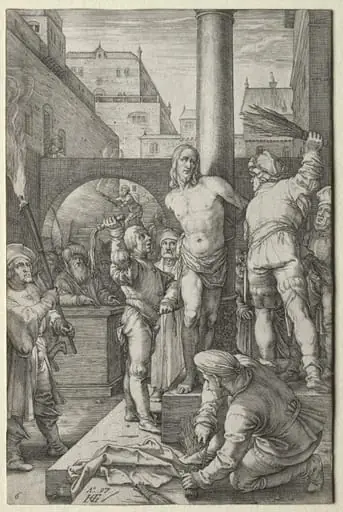
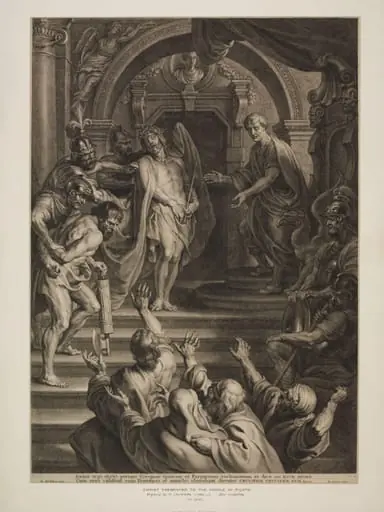
Ecce Homo is an ink print by the Baroque artist Jacques Callot. It dates from 1613 and is held in the collection of the National Gallery of Art.
About this work
Overview
Jacques Callot produced this engraving in 1613, using fine lines on laid paper to capture a moment from the Passion of Christ.
Jacques Callot produced this engraving in 1613, using fine lines on laid paper to capture a moment from the Passion of Christ. As a prolific printmaker from the Duchy of Lorraine, he specialized in detailed compositions that merged religious subjects with keen observations of everyday life. This work exemplifies his technical precision and narrative focus, characteristic of his broader oeuvre of over 1,400 prints.
Subject & Meaning
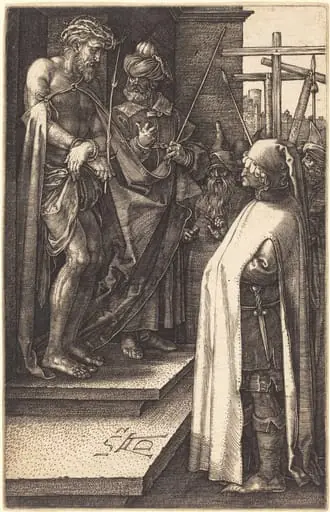
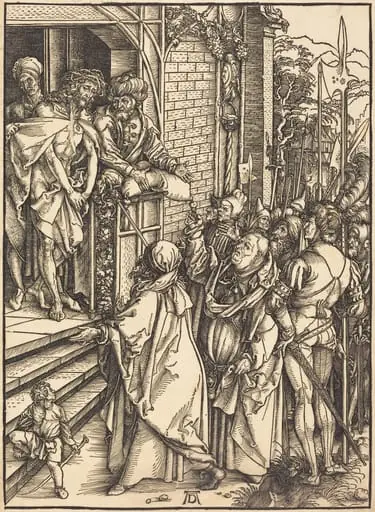
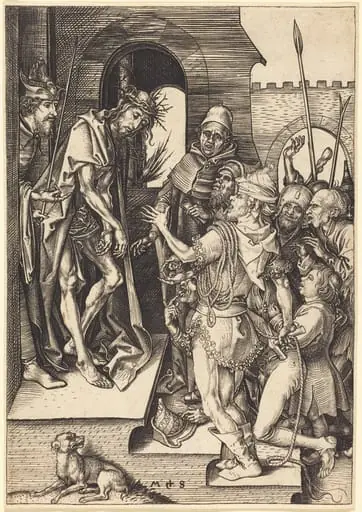
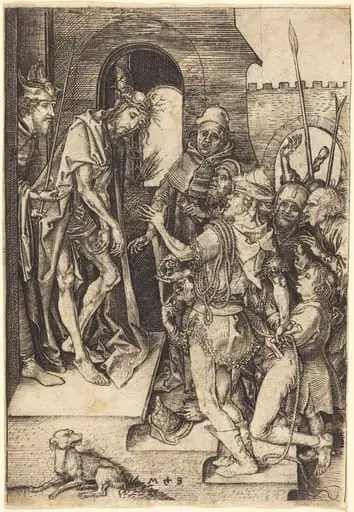
The scene illustrates Pontius Pilate presenting Jesus to the crowd, as described in the Gospel of John. Christ, bound and crowned with thorns, stands bare-chested on a raised platform, while Pilate gestures toward the onlookers. The surrounding figures—some in period dress, others holding crosses—reflect a blend of biblical narrative and 17th-century social realism, emphasizing the tension between authority and public judgment.
Technique & Style
Callot employed fine engraving lines and dense cross-hatching to model form and depth, creating texture in fabric, skin, and architecture. The cityscape behind the figures is rendered with meticulous architectural detail, while atmospheric shading suggests a somber, overcast sky. His control of line and tone enhances the gravity of the moment without overt dramatization, aligning with the restrained solemnity of the scene.
History & Provenance
Created during Callot’s early career in Nancy, this print emerged from a period when he was refining his technique after training in Florence. It circulated among collectors and religious patrons in Lorraine and beyond, reflecting the demand for devotional imagery in early 17th-century Europe. Its survival in multiple institutional collections attests to its enduring recognition among print scholars.
Context
In the wake of the Council of Trent, Catholic regions encouraged visual narratives of Christ’s suffering to inspire piety. Callot’s work fits within this tradition, yet distinguishes itself through its inclusion of contemporary dress and urban settings. His integration of secular detail into sacred scenes marked a shift toward humanized religious storytelling in Northern European printmaking.
Legacy
Callot’s *Ecce Homo* influenced later printmakers through its compositional clarity and technical rigor. His ability to convey emotional weight through minute detail became a benchmark for narrative engraving. Though not widely reproduced in his lifetime, the work remains a reference point in studies of Baroque print culture and the intersection of faith and observation in early modern art.
Artist & collection
Artist
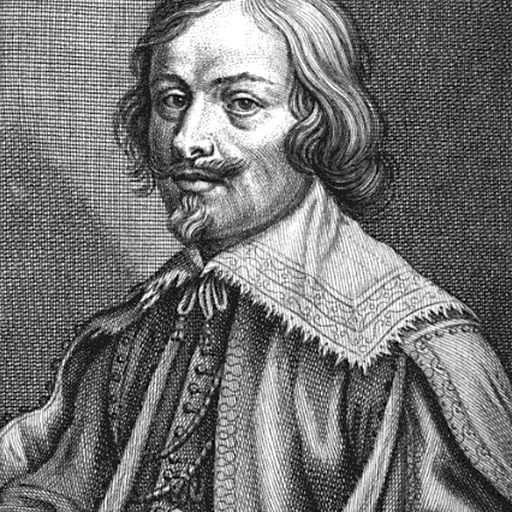
Jacques Callot was a baroque printmaker and draftsman from the Duchy of Lorraine.

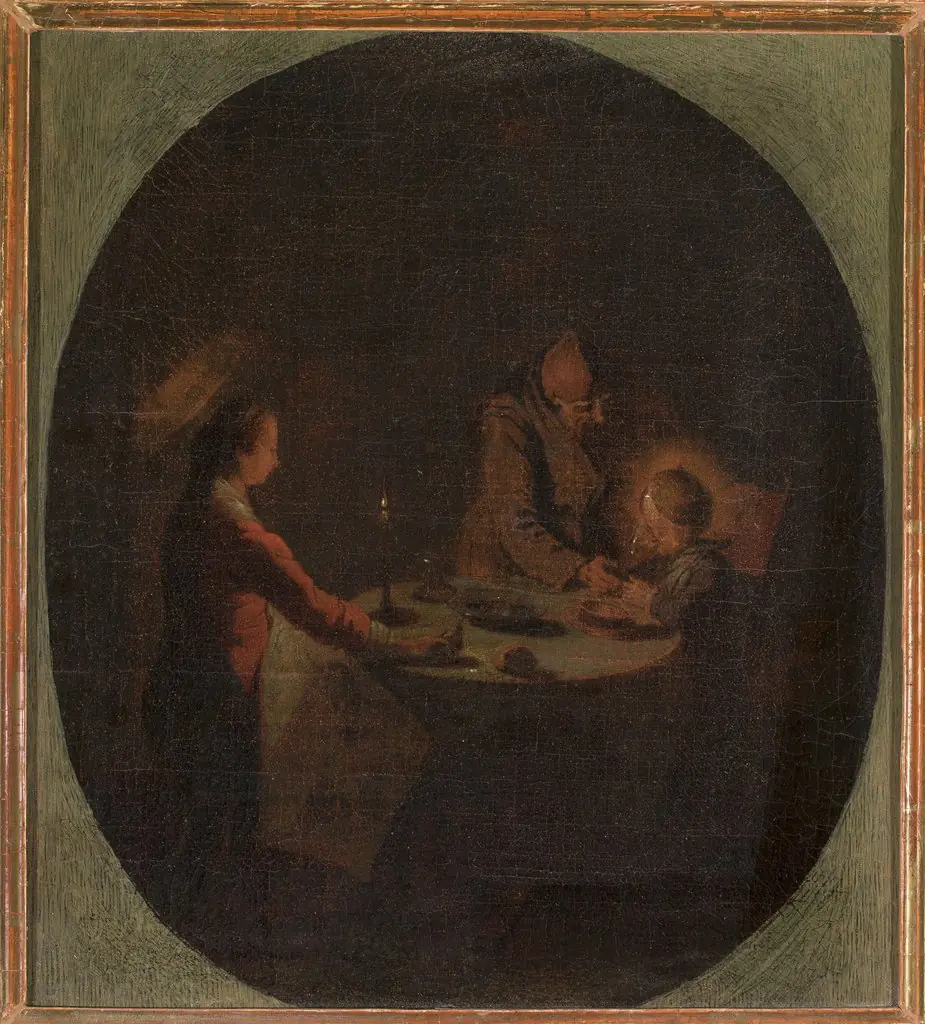 Holy Family at supper
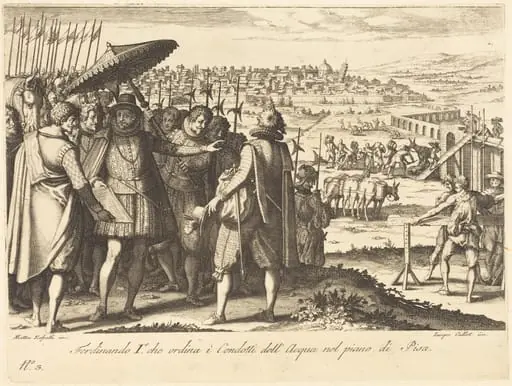 Restoration of the Aqueduct at Pisa
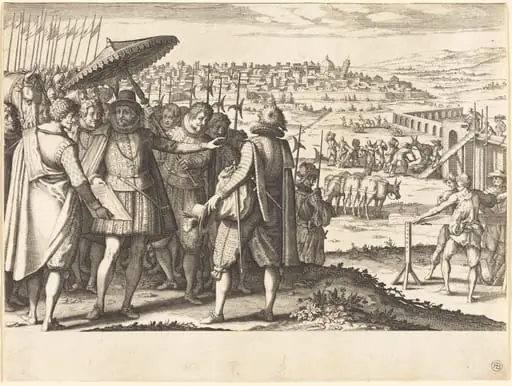 Restoration of the Aqueduct at Pisa
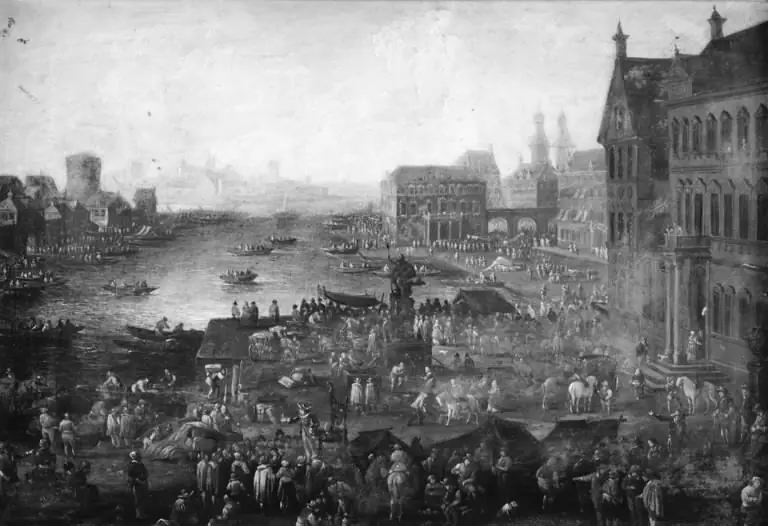 Square in Paris with Many Figures
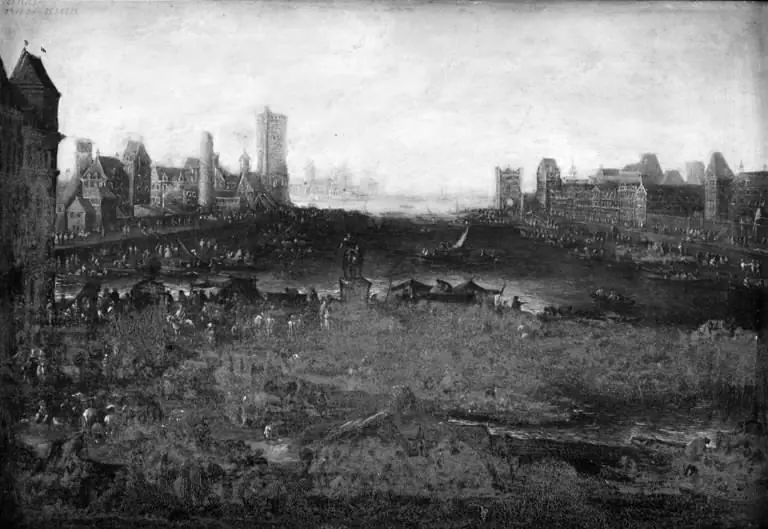 Square in Paris with Many Figures
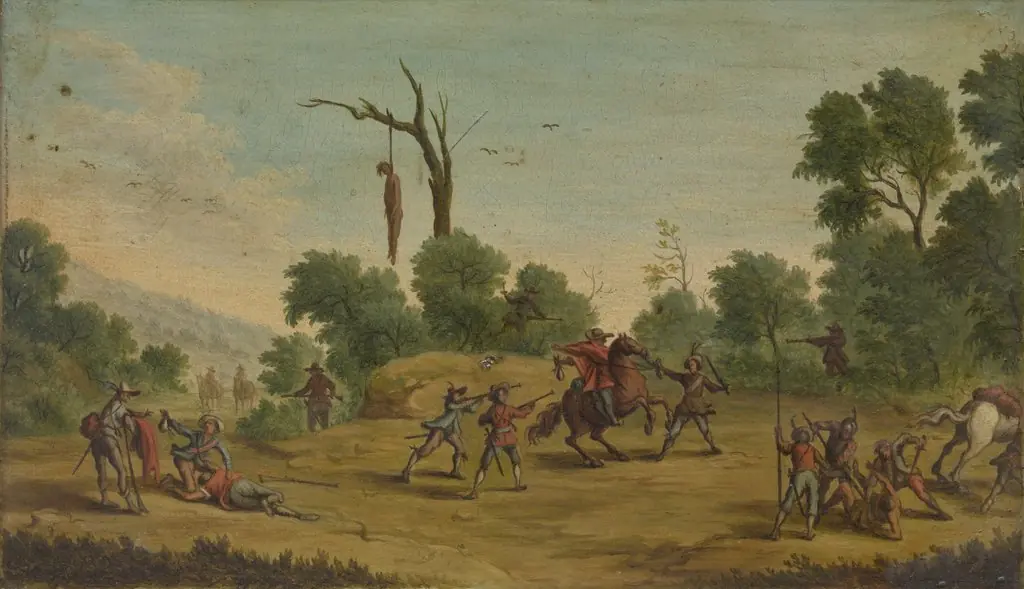 Horsemen Attacked by Robbers
 HOW WILL A COVERED PART BE CORRECTED?HOW WIKA A COVERED HEART DEED CORRECTED?
![Christ Walking on the Water [second plate], by Jacques Callot](https://artifactworldgallery.com/img/jacques-callot--christ-walking-on-the-water-second-plate--2069f3bfe4cb2126-w320.webp) Christ Walking on the Water [second plate]
Christ Walking on the Water [second plate]