Artwork
Ecce Homo
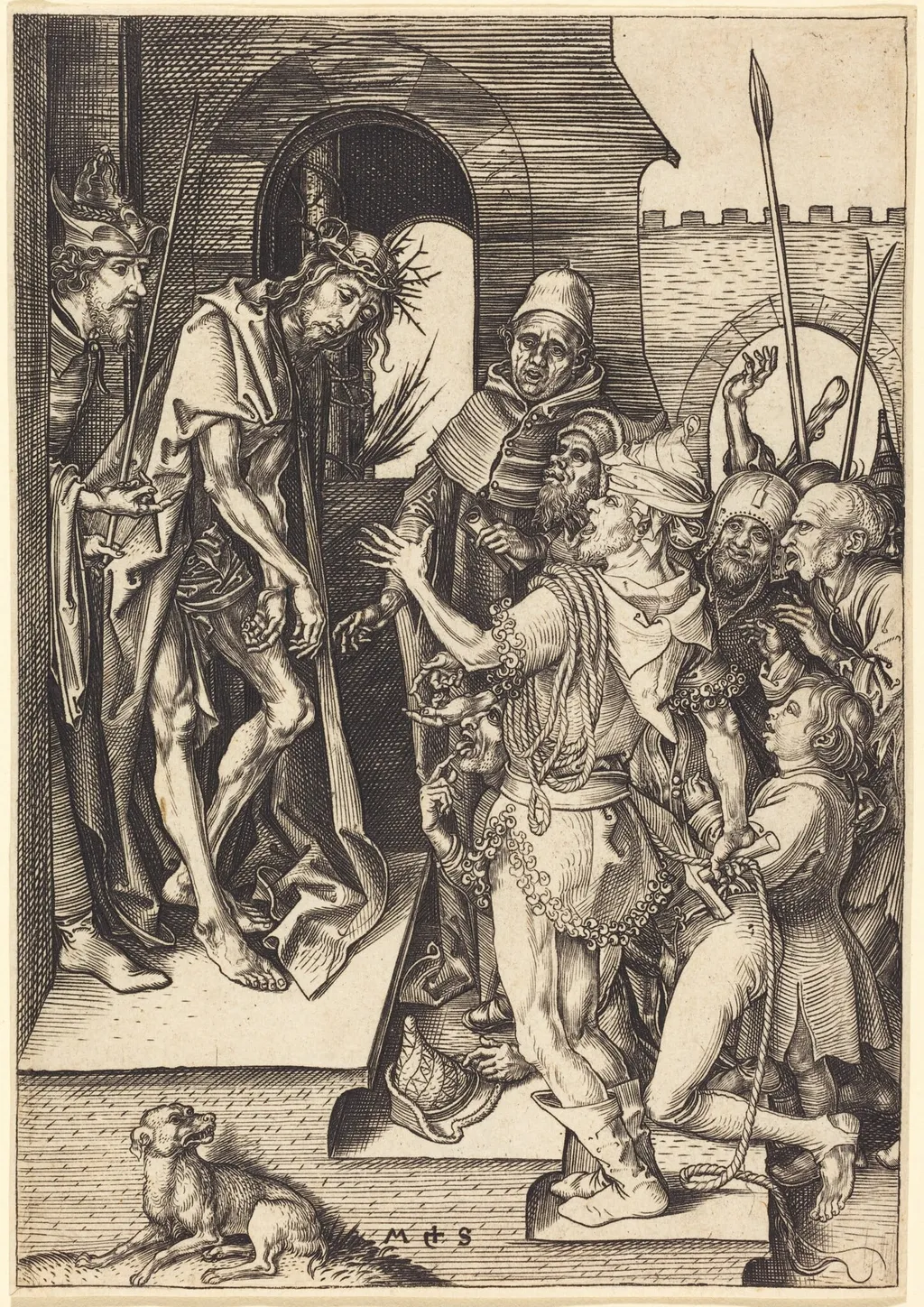
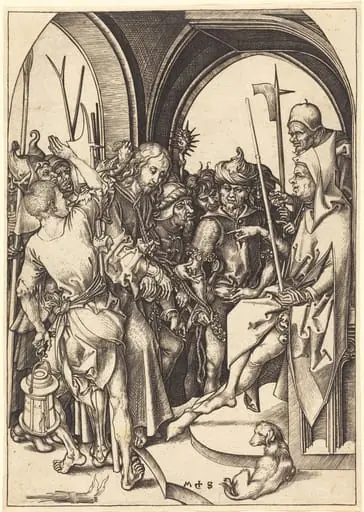
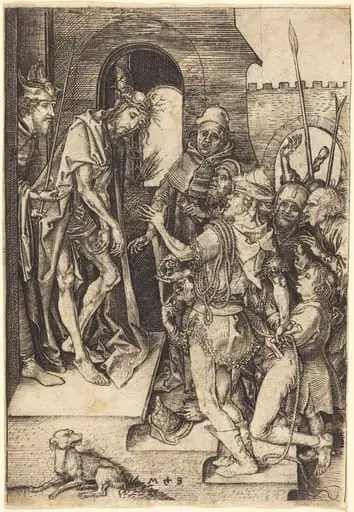
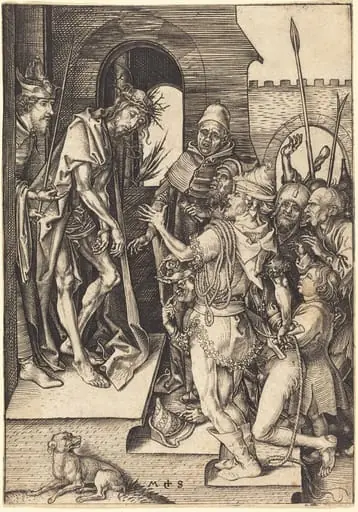
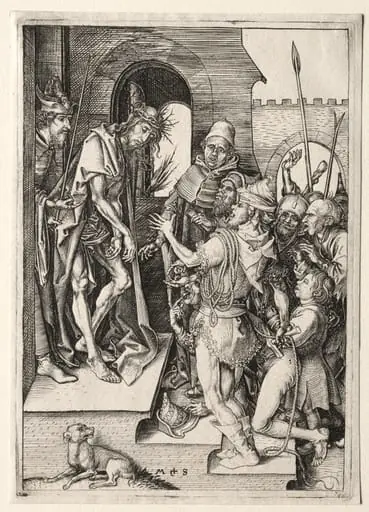
Ecce Homo is an ink print by the Renaissance artist Martin Schongauer. It dates from 1480 and is held in the collection of the Metropolitan Museum of Art.
About this work
Overview
Martin Schongauer's *Ecce Homo*, created circa 1480, is a notable engraving by the prominent Alsatian artist, one of 116 surviving prints from his oeuvre.
Subject & Meaning
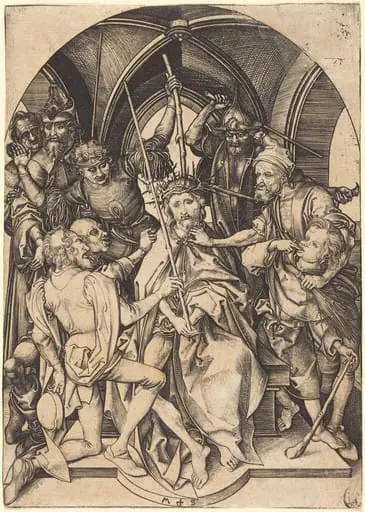
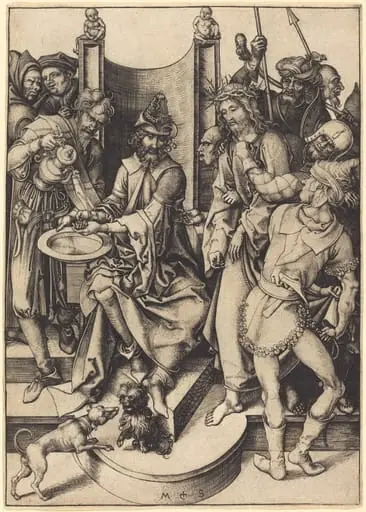
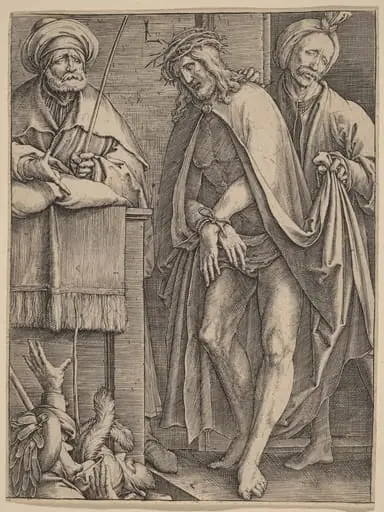
The print depicts the moment Christ is presented to the crowd by Pontius Pilate, with Jesus shown in a doorway, wearing a crown of thorns and draped cloth, surrounded by soldiers and onlookers.
Technique & Style
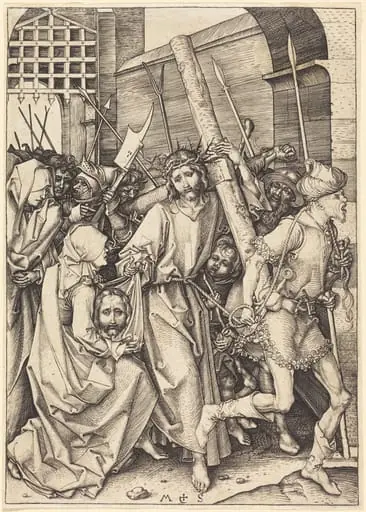
Characteristic of Schongauer's work, the engraving showcases meticulous line precision and intricate textures, enhanced by cross-hatching to achieve depth, dimensionality, and realism.
History & Provenance
Schongauer, active in Colmar and Breisach, was the preeminent printmaker north of the Alps before Albrecht Dürer, reflecting his goldsmith training in the engraving's detailed craftsmanship.
Legacy
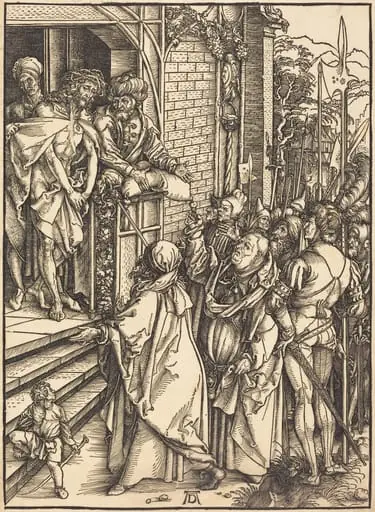
Schongauer's influence extended to younger artists, notably Dürer, solidifying his importance in the evolution of printmaking.
Artist & collection

Artist
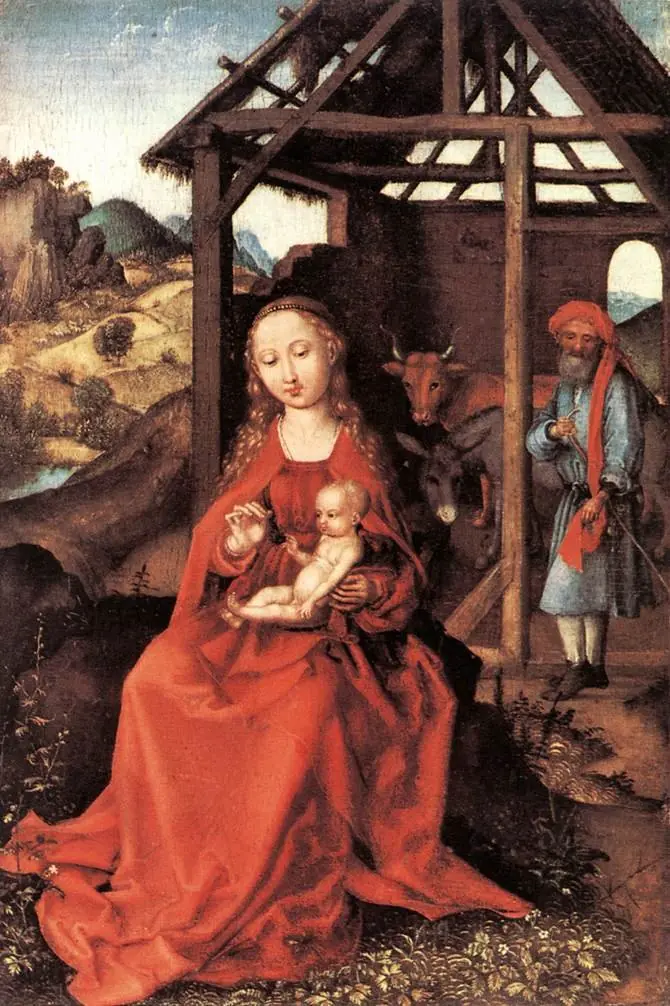
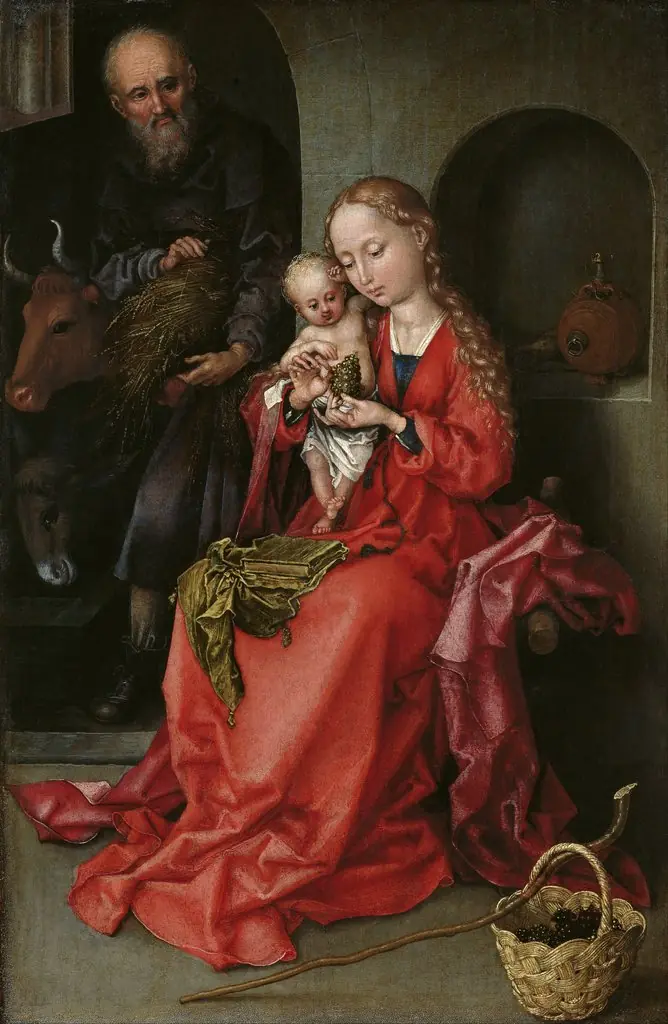
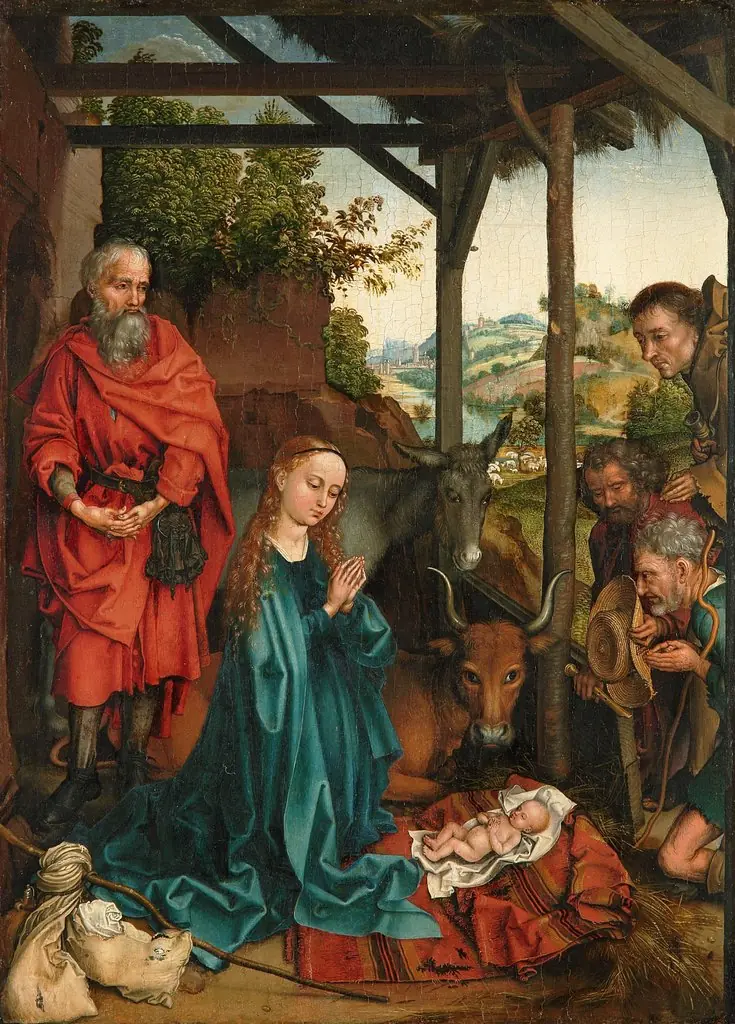
Martin Schongauer, also known as Martin Schön or Hübsch Martin by his contemporaries, was an Alsatian engraver and painter.