Artwork
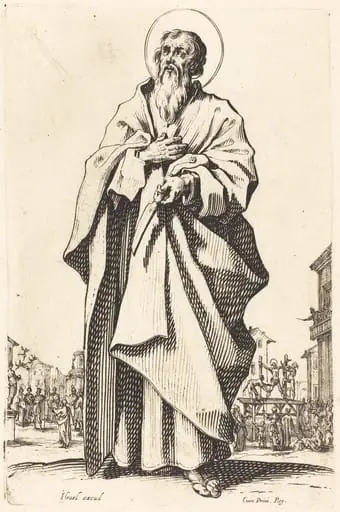
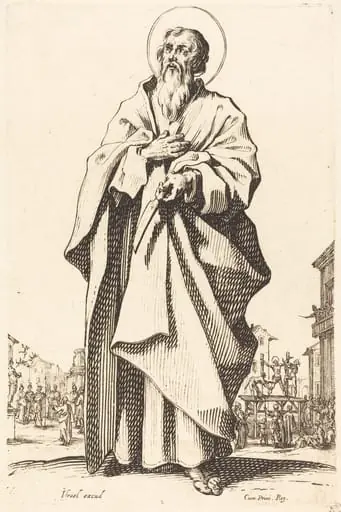
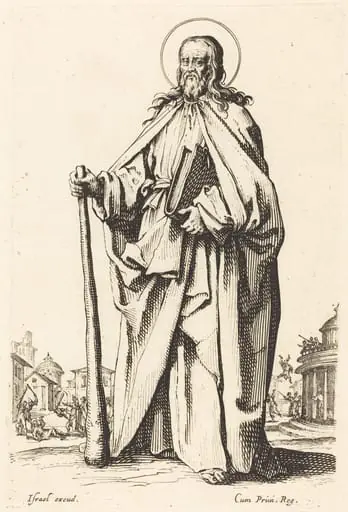
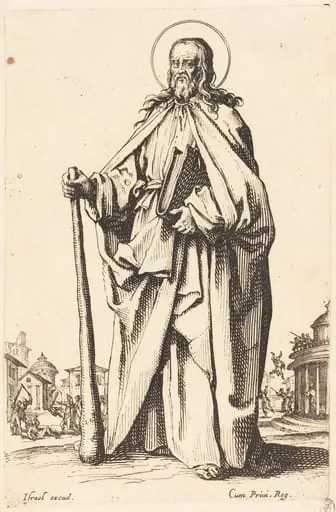
Effigy of St. Jerome
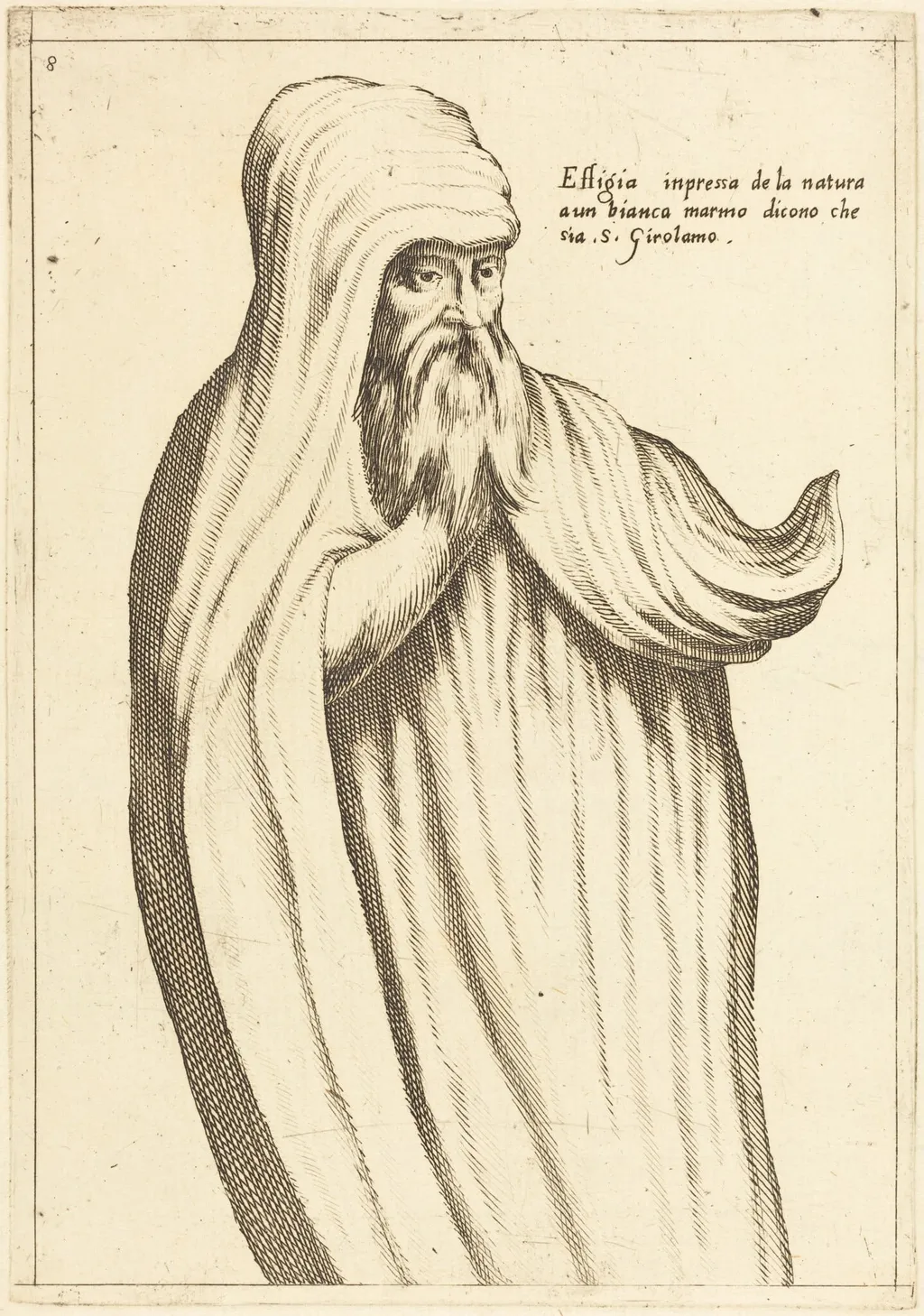
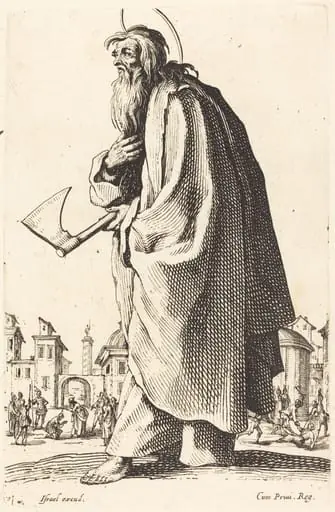
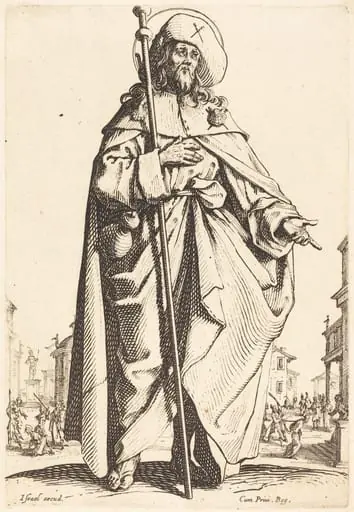
Effigy of St. Jerome is an ink print by the Baroque artist Jacques Callot. It dates from 1619 and is held in the collection of the National Gallery of Art.
About this work
Overview
Created in 1619 by Jacques Callot, this print is a restrike of an original etching and engraving on laid paper. Though produced after the artist’s death, it retains the precision of his technique. Callot, from the Duchy of Lorraine, was renowned for his prolific output and technical innovation in printmaking, particularly in rendering fine detail through controlled acid biting and incised lines.
Subject & Meaning
The figure depicts St. Jerome, the fourth-century scholar and translator of the Bible, portrayed with the gravity of a classical statue. His aged face, long white beard, and raised sleeve suggest contemplation and labor. The inscription framing him as a marble effigy elevates the image beyond mere portraiture, aligning the saint with enduring monuments of learning and faith.
Technique & Style
Callot employed fine etching and engraving to achieve intricate texture in Jerome’s robes and facial wrinkles. The sharp, deliberate lines mimic the hardness of carved stone, reinforcing the illusion of a sculpted bust. His use of cross-hatching and delicate contouring demonstrates mastery over the medium’s capacity for tonal nuance and structural clarity.
History & Provenance
The print is a later restrike, made from the original copper plate after Callot’s death in 1635. Such restrikes were common among printmakers’ estates to meet continued demand. While not from the artist’s hand, they preserve the integrity of his design and remain valuable as historical artifacts of 17th-century print circulation.
Context
In early 17th-century Europe, religious figures like St. Jerome were frequently depicted as learned sages, especially in Protestant and Catholic regions emphasizing textual scholarship. Callot’s focus on the saint as a static, statue-like presence reflects broader artistic trends that merged devotional imagery with classical ideals of permanence and dignity.
Legacy
Callot’s technical innovations in etching influenced generations of printmakers across Europe. This work exemplifies his ability to infuse sacred subjects with psychological depth and sculptural presence. Though a restrike, it continues to serve as a reference for the expressive potential of line in early modern printmaking.
Artist & collection
Artist
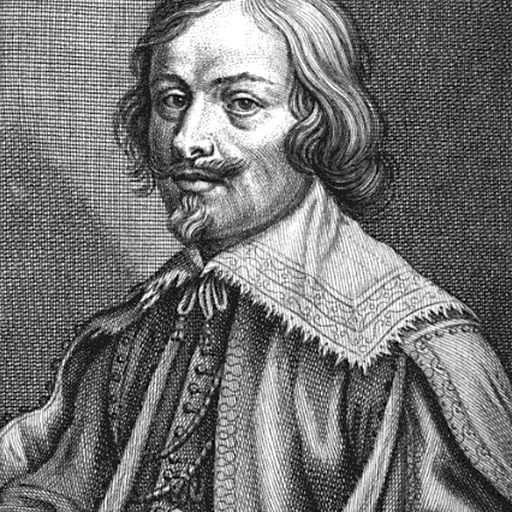
Jacques Callot was a baroque printmaker and draftsman from the Duchy of Lorraine.

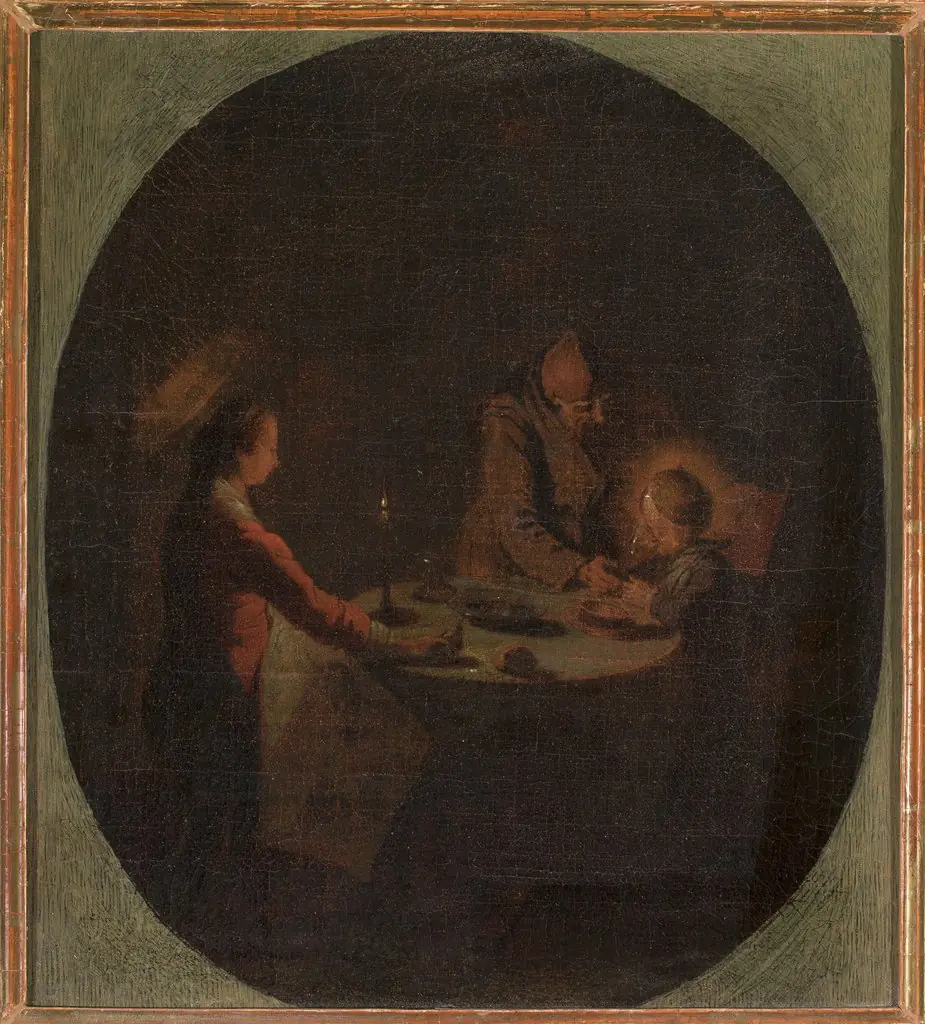 Holy Family at supper
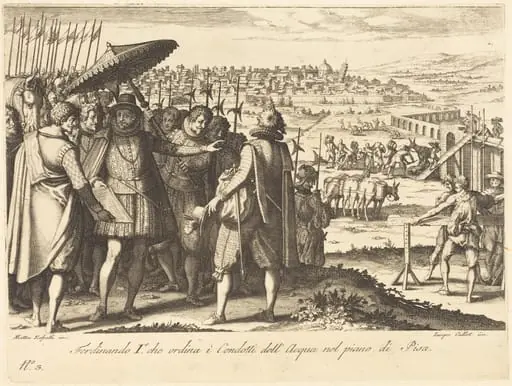 Restoration of the Aqueduct at Pisa
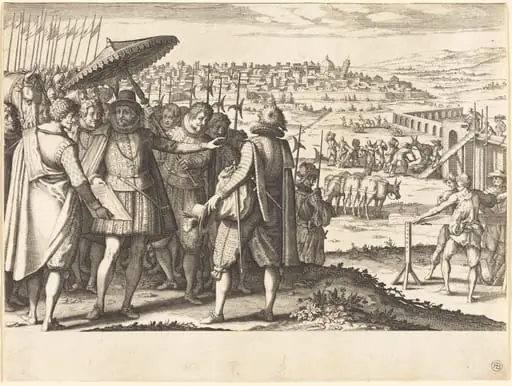 Restoration of the Aqueduct at Pisa
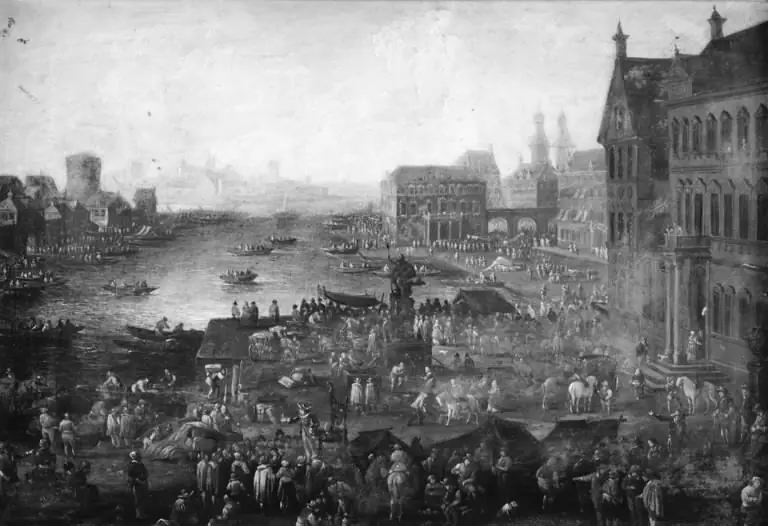 Square in Paris with Many Figures
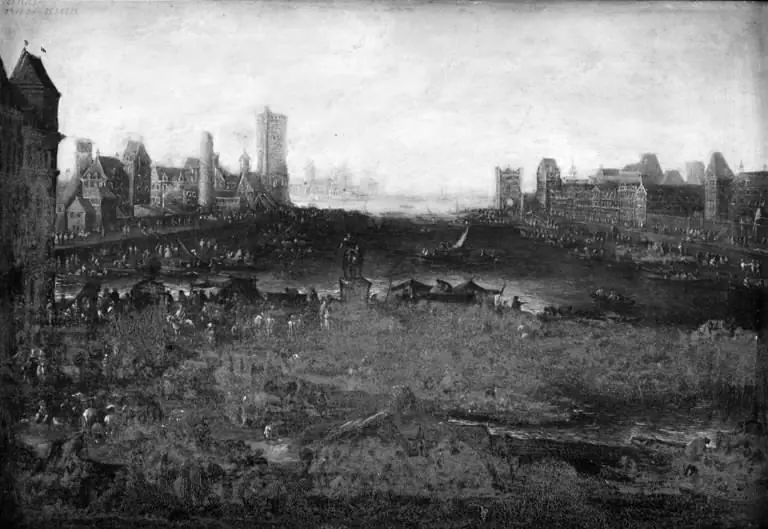 Square in Paris with Many Figures
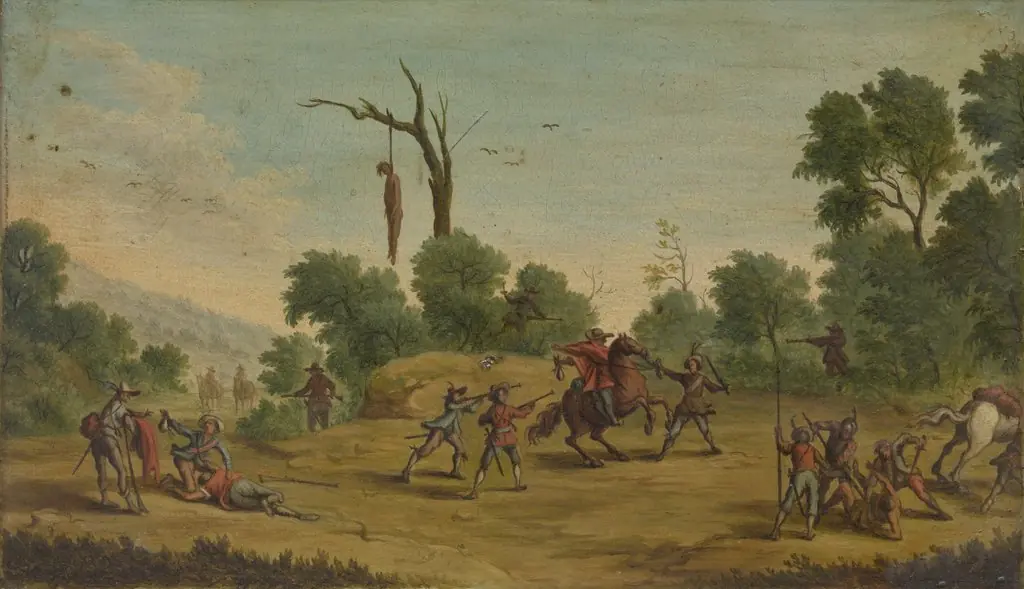 Horsemen Attacked by Robbers
 HOW WILL A COVERED PART BE CORRECTED?HOW WIKA A COVERED HEART DEED CORRECTED?
![Christ Walking on the Water [second plate], by Jacques Callot](https://artifactworldgallery.com/img/jacques-callot--christ-walking-on-the-water-second-plate--2069f3bfe4cb2126-w320.webp) Christ Walking on the Water [second plate]
Christ Walking on the Water [second plate]