Artwork
Saint Philip
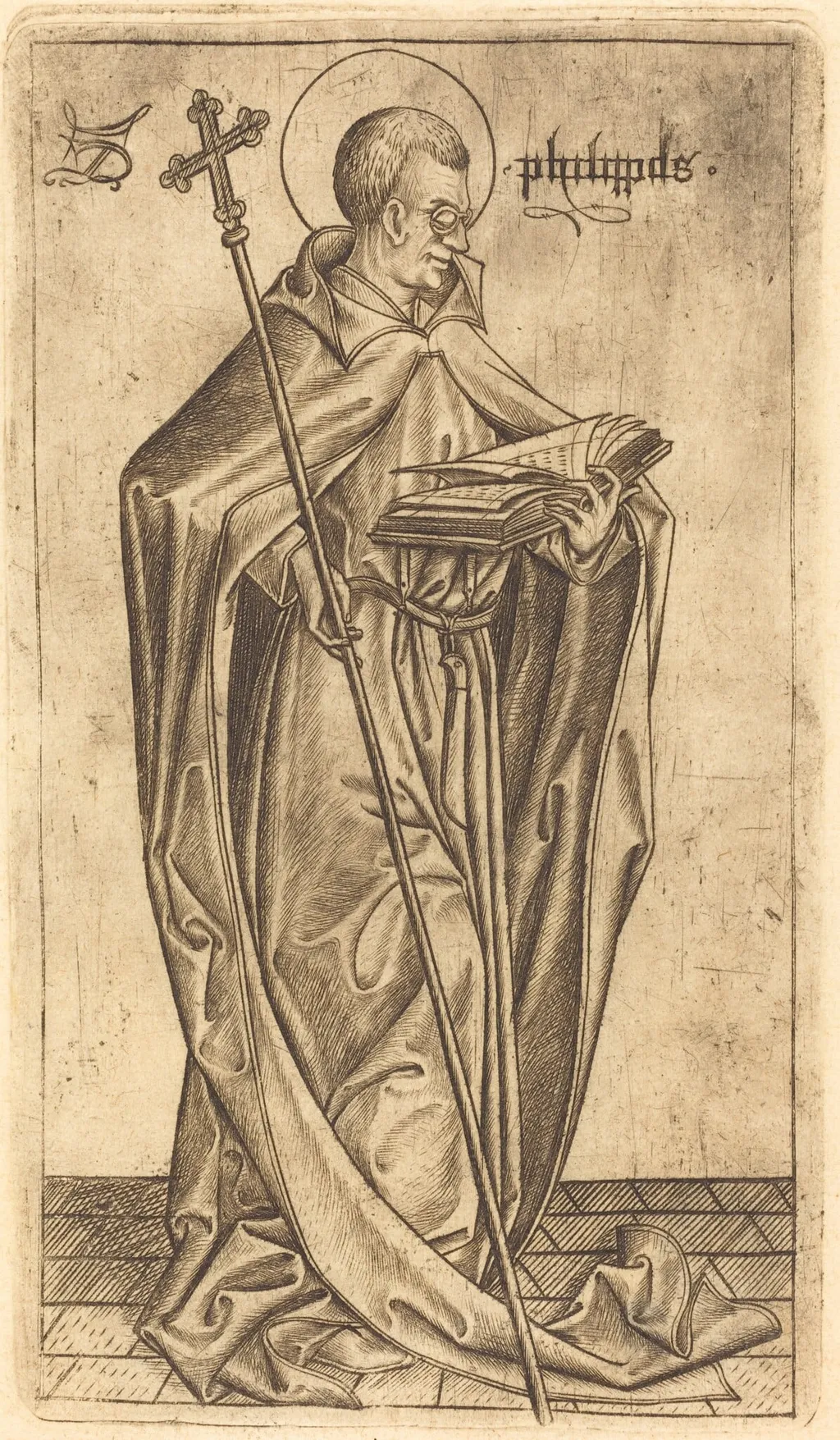
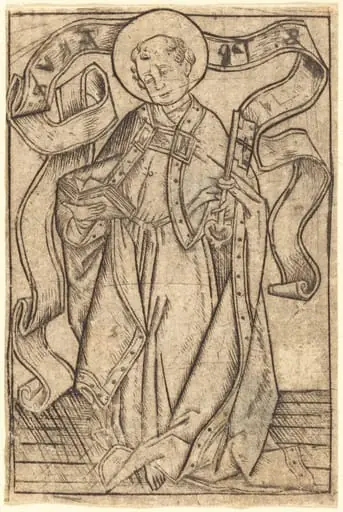
Saint Philip is an ink print by the Renaissance artist Israhel van Meckenem. It dates from 1475 and is held in the collection of the National Gallery of Art.
About this work
Overview
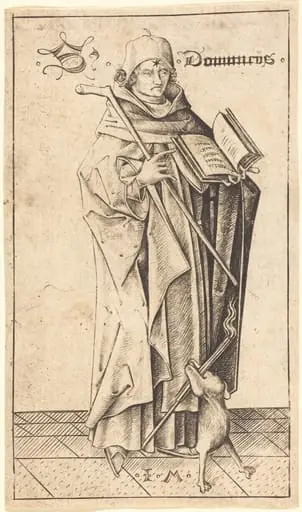
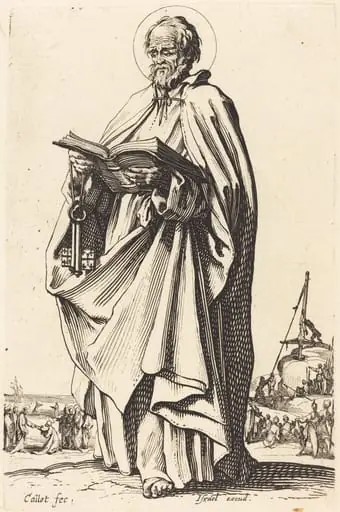
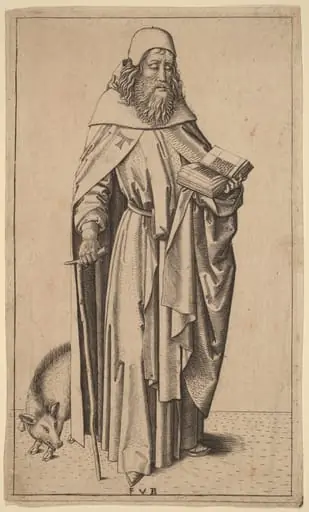
Saint Philip is a 15th-century engraving on laid paper created by Israhel van Meckenem around 1475. As one of the most prolific engravers of his time, van Meckenem produced over 620 works, with *Saint Philip* exemplifying his contribution to the early history of Northern European old master prints.
Subject & Meaning
The engraving depicts Saint Philip in a contemplative pose, kneeling on a patterned floor, holding a book and a tall cross. The inclusion of these attributes and the inscription of his name above him underscore the work's religious theme, typical of the genre during this period.
Technique & Style
Characterized by sharp lines and meticulous attention to detail (evident in the folds of the saint's robes and his facial features), the engraving showcases van Meckenem's mastery of the engraving technique prevalent in the late 15th century. Notable details include the saint's round face, short beard, and the unusual depiction of him wearing glasses.
History & Provenance
Created circa 1475 by Israhel van Meckenem, a German printmaker and goldsmith active from 1465 to 1503, *Saint Philip* is part of a large body of work that often included copies of existing prints, though the specific provenance of this piece is not detailed here.
Context
*Saint Philip* reflects the religious and artistic tastes of Northern Europe during the 15th century, with its style and technique aligning with the early development of old master prints in the region.
Artist & collection
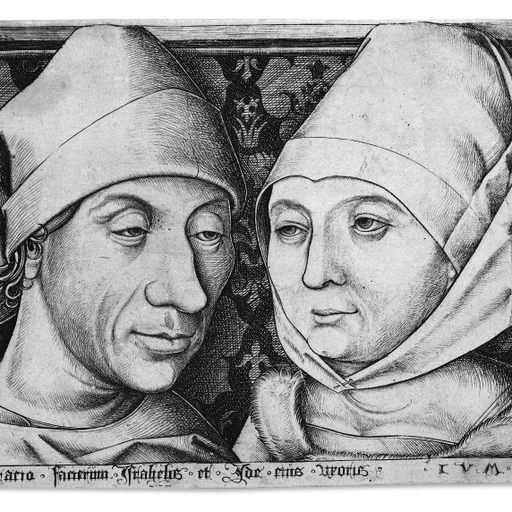
Artist
Israhel van Meckenem (c. 1445 – 10 November 1503), also known as Israhel van Meckenem the Younger, was a German printmaker and goldsmith, perhaps of a Dutch family origin. He was the most prolific engraver of the…