Artwork
Entry of Monseigneur Henry de Lorraine, Marquis de Moy, under the Name of Pirandre
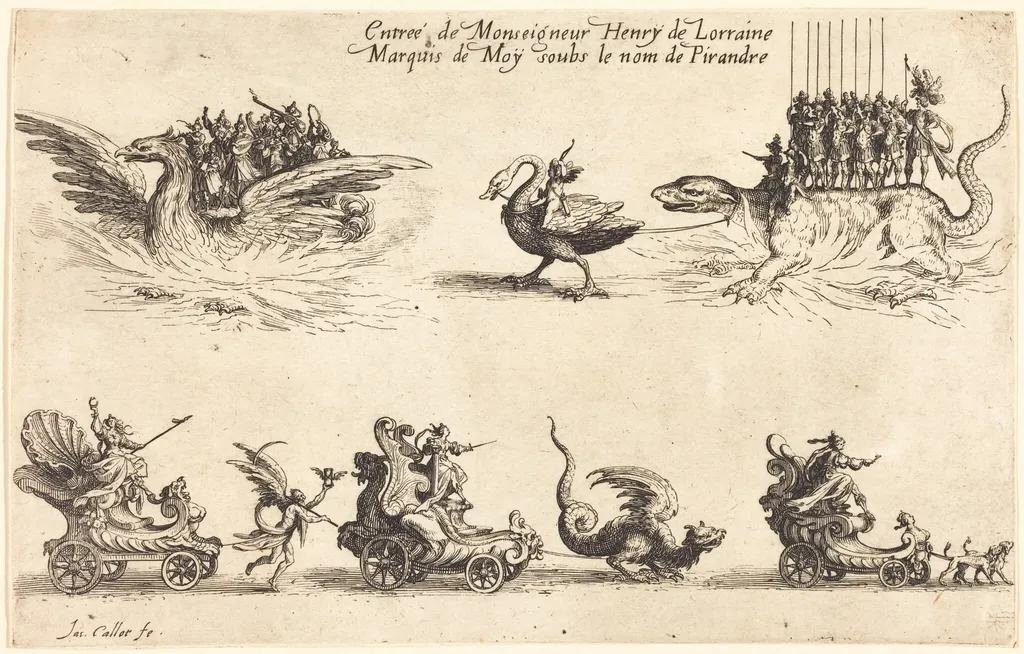
Entry of Monseigneur Henry de Lorraine, Marquis de Moy, under the Name of Pirandre is an ink print by the Baroque artist Jacques Callot. It dates from 1627 and is held in the collection of the National Gallery of Art.
About this work
Callot used drypoint here—he dragged a sharp needle across the plate to make fuzzy edges that catch the eye.
You see a crowded street scene from 1627. Two men ride white horses in front, followed by footmen and a carriage. Everyone wears fancy ruffled collars and hats.
This is an etching, a print made by scratching lines into metal. Callot used drypoint here—he dragged a sharp needle across the plate to make fuzzy edges that catch the eye.
Check out how he packs the scene with tiny details. It feels alive.
Look up Callot, Jacques next.
Overview
This 1627 etching by Jacques Callot captures a ceremonial entry in the Duchy of Lorraine, portraying Henry de Lorraine, Marquis de Moy, participating in a public pageant under the alias Pirandre. Executed on laid paper, the work is one of over 1,400 prints Callot produced, many documenting the rituals and social life of his native region. The image reflects his commitment to recording contemporary events with precision and narrative richness.
Subject & Meaning
The scene depicts a nobleman’s public procession, blending personal identity with theatrical performance. By adopting the name Pirandre, the Marquis engages in a tradition of masked revelry common among European elites. The presence of mounted riders, foot attendants, and a carriage underscores the event’s ceremonial nature, while the crowd suggests communal participation in aristocratic spectacle.
Technique & Style
Callot employed etching with drypoint, scratching directly into a metal plate to create rich, textured lines. The technique yields soft, fuzzy edges that enhance the sense of movement and depth. His meticulous attention to detail—individual hats, ruffled collars, horse harnesses—transforms the scene into a dense, living tableau, characteristic of his narrative-driven approach to printmaking.
History & Provenance
Created during Callot’s mature period, the print emerged from a cultural environment in Lorraine where courtly rituals were both celebrated and documented. The work likely circulated among patrons and collectors familiar with the Marquis’s role. Its survival in collections today reflects its value as a historical record of early 17th-century Lorraine’s elite customs.
Context
In early 17th-century France and the Holy Roman Empire, public processions served as political theater, reinforcing social hierarchies. Callot’s prints captured these events with documentary intent, offering insight into the intersection of power, performance, and public life. His focus on local figures distinguished his work from broader European trends, anchoring it in regional specificity.
Legacy
Callot’s detailed etchings influenced later generations of printmakers through their technical innovation and observational rigor. This work, like others in his oeuvre, remains a key source for historians studying courtly culture, dress, and public ceremony in early modern Europe. Its endurance lies not in grandeur, but in its quiet fidelity to the rhythms of daily spectacle.
Artist & collection

Artist
Jacques Callot was a baroque printmaker and draftsman from the Duchy of Lorraine.

 Holy Family at supper
 Restoration of the Aqueduct at Pisa
 Restoration of the Aqueduct at Pisa
 Square in Paris with Many Figures
 Square in Paris with Many Figures
 Horsemen Attacked by Robbers
 HOW WILL A COVERED PART BE CORRECTED?HOW WIKA A COVERED HEART DEED CORRECTED?
![Christ Walking on the Water [second plate], by Jacques Callot](https://artifactworldgallery.com/img/jacques-callot--christ-walking-on-the-water-second-plate--2069f3bfe4cb2126-w320.webp) Christ Walking on the Water [second plate]
Christ Walking on the Water [second plate]
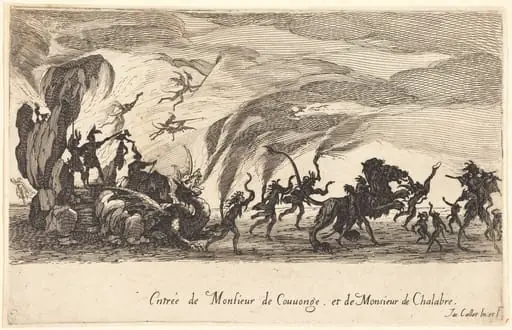 Entry of M. de Couvonge and M. de Chalabre
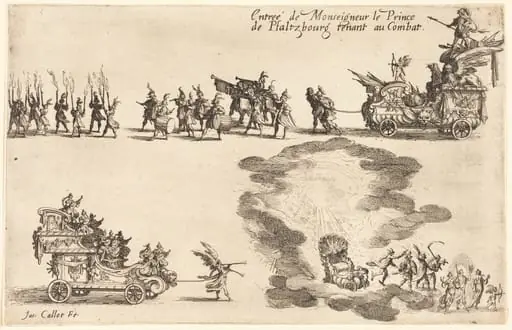 Entry of the Prince of Pfaltzbourg
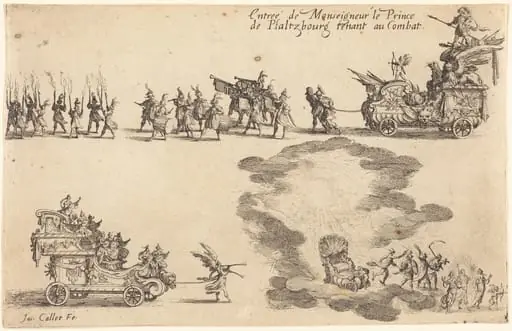 Entry of the Prince of Pfaltzbourg
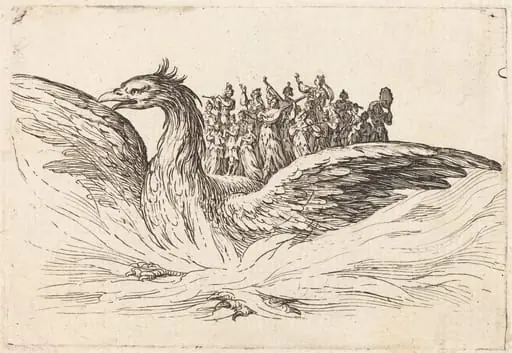 Entry of Monseigneur Henry de Lorraine, Marquis de Moy, under the Name of Pirandre
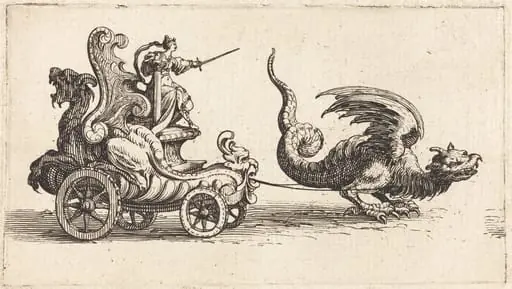 Entry of Monseigneur Henry de Lorraine, Marquis de Moy, under the Name of Pirandre
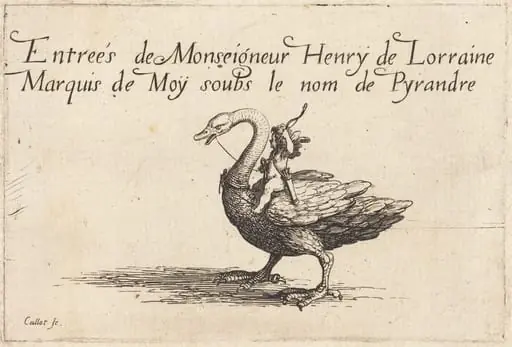 Entry of Monseigneur Henry de Lorraine, Marquis de Moy, under the Name of Pirandre
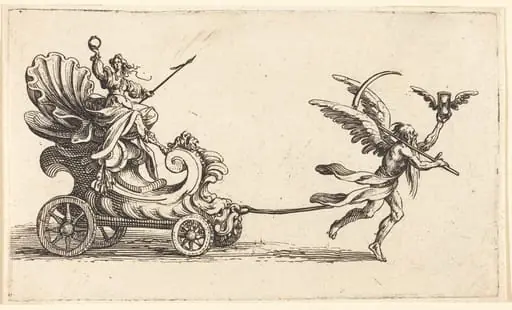 Entry of Monseigneur Henry de Lorraine, Marquis de Moy, under the Name of Pirandre
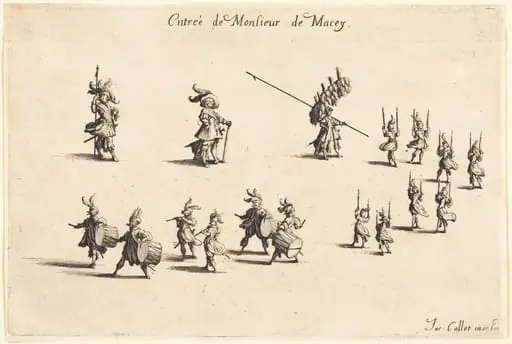 Entry of M. de Macey
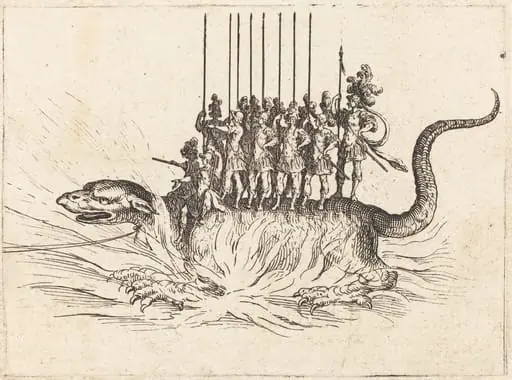 Entry of Monseigneur Henry de Lorraine, Marquis de Moy, under the Name of Pirandre
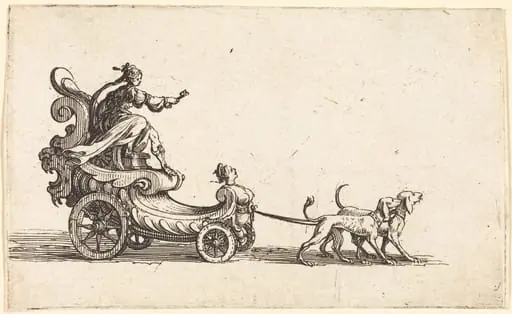 Entry of Monseigneur Henry de Lorraine, Marquis de Moy, under the Name of Pirandre
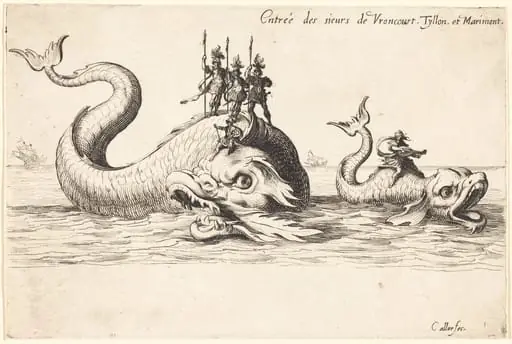 Entry of Mm. de Vroncourt, Tyllon, and Marimont