Artwork
Four Parts of the Via Dolorosa
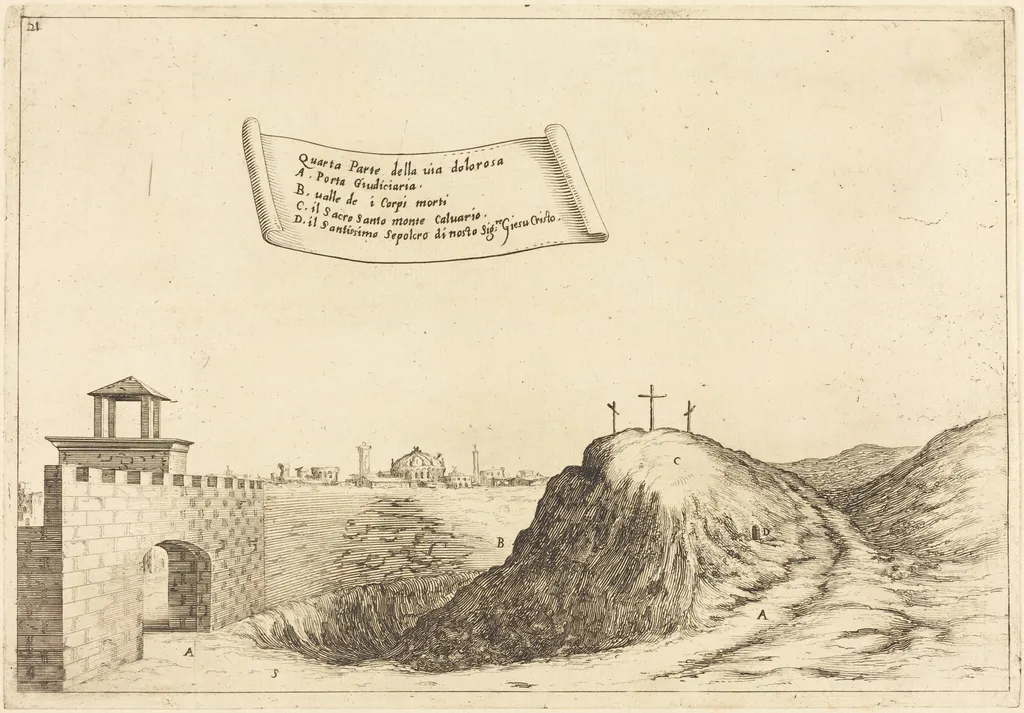
Four Parts of the Via Dolorosa is an ink print by the Baroque artist Jacques Callot. It dates from 1619 and is held in the collection of the National Gallery of Art.
About this work
Overview
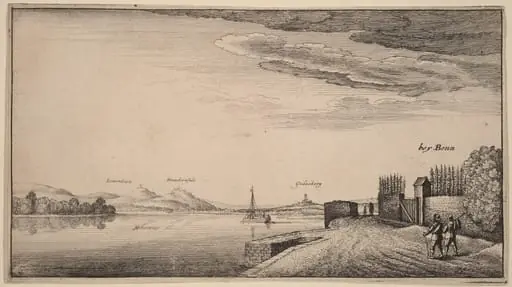
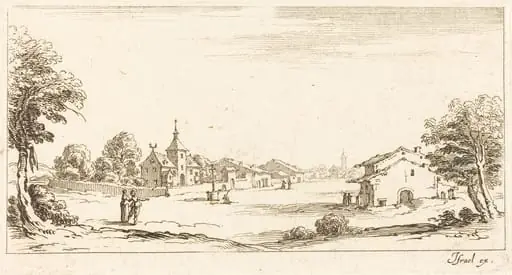
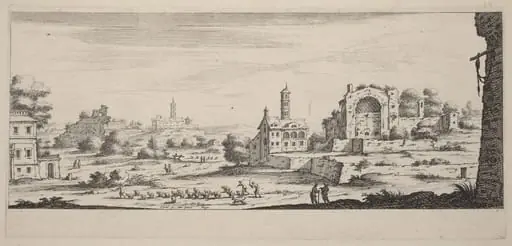
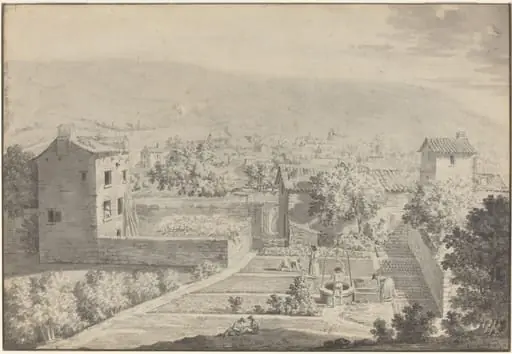
Four Parts of the Via Dolorosa, a 1619 etching and engraving on laid paper by Jacques Callot, visually maps Christ's journey to crucifixion across a detailed cityscape.
Subject & Meaning
The print illustrates a religious route, likely the Via Dolorosa, with key sites marked: a gate (A), a valley, a hill (probably Golgotha, indicated by three crosses), and a sepulcher, tracing Christ's path to crucifixion.
Technique & Style
Callot's mastery of etching and engraving is evident in the intricate details and expansive landscape, showcasing his characteristic blend of precision and compositional breadth, hallmarks of old master printmaking.
History & Provenance
Created in 1619 by French Baroque printmaker Jacques Callot, this work is part of his extensive oeuvre of over 1,400 etchings, which often documented contemporary life and religious themes.
Context
Reflecting 17th-century European artistic and religious practices, the piece combines religious narrative with meticulous depiction of architecture and landscape, appealing to both devotional and aesthetic interests.
Legacy
As part of Callot's prolific output, *Four Parts of the Via Dolorosa* contributes to the enduring influence of his printmaking techniques and detailed, narratively rich compositions in the history of art.
Artist & collection
Artist
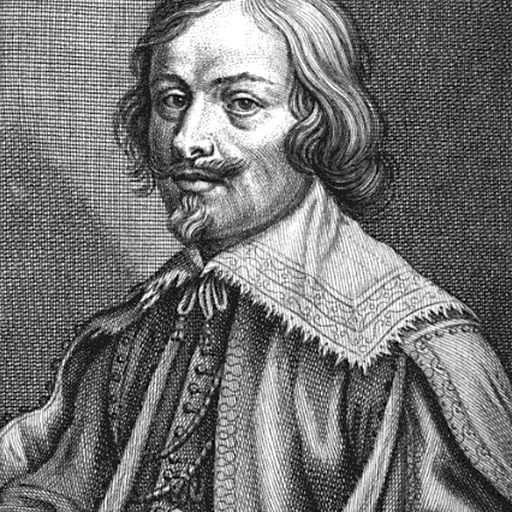
Jacques Callot was a baroque printmaker and draftsman from the Duchy of Lorraine.

 Holy Family at supper
 Restoration of the Aqueduct at Pisa
 Restoration of the Aqueduct at Pisa
 Square in Paris with Many Figures
 Square in Paris with Many Figures
 Horsemen Attacked by Robbers
 HOW WILL A COVERED PART BE CORRECTED?HOW WIKA A COVERED HEART DEED CORRECTED?
![Christ Walking on the Water [second plate], by Jacques Callot](https://artifactworldgallery.com/img/jacques-callot--christ-walking-on-the-water-second-plate--2069f3bfe4cb2126-w320.webp) Christ Walking on the Water [second plate]
Christ Walking on the Water [second plate]