Artwork
Landscape
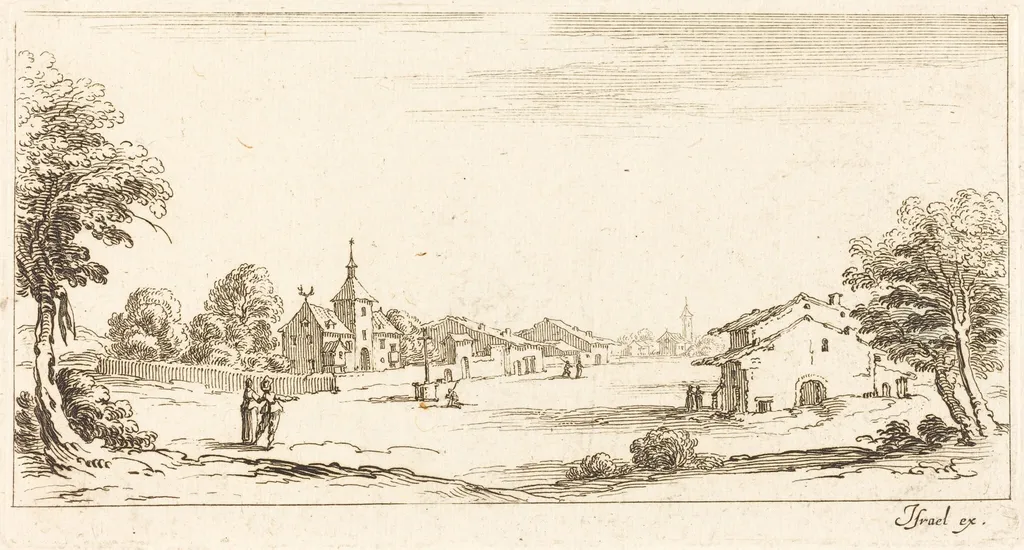
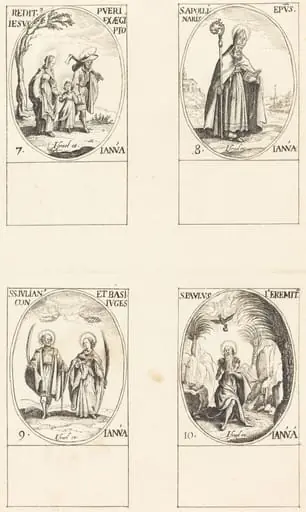
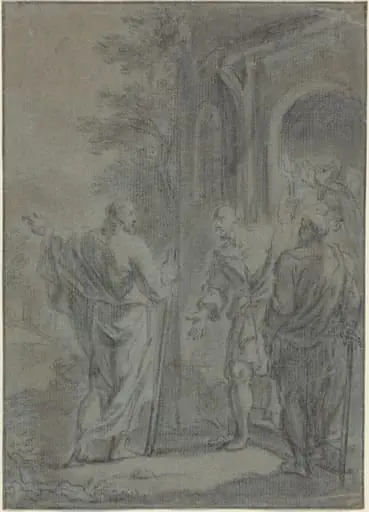
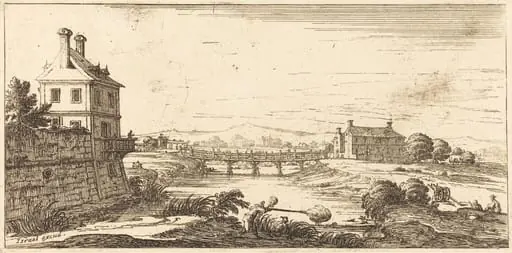
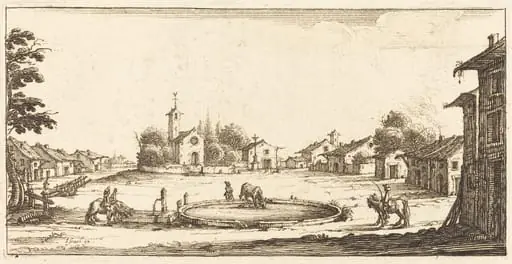
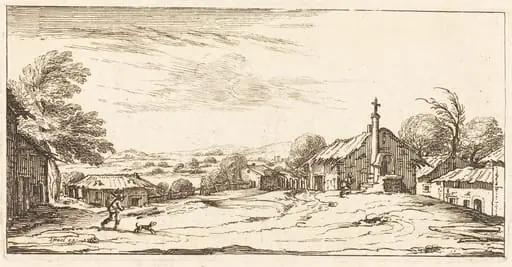
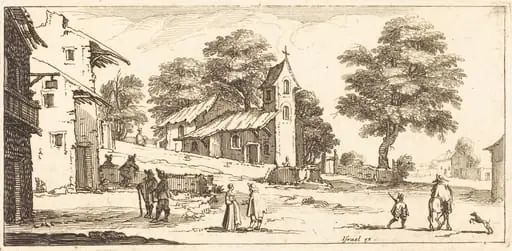
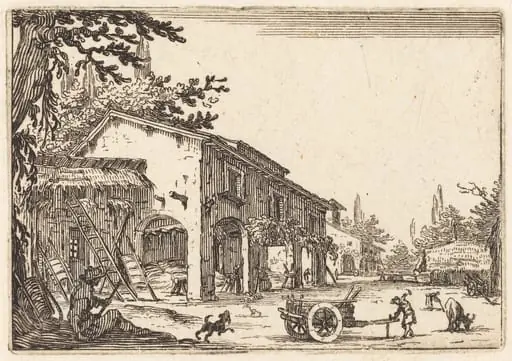
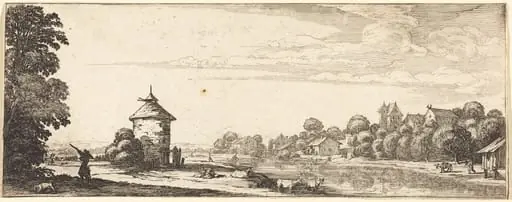
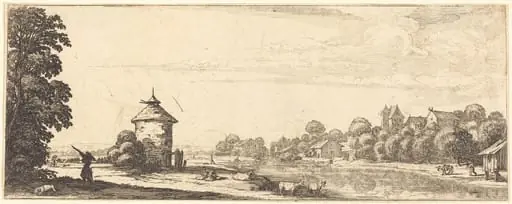
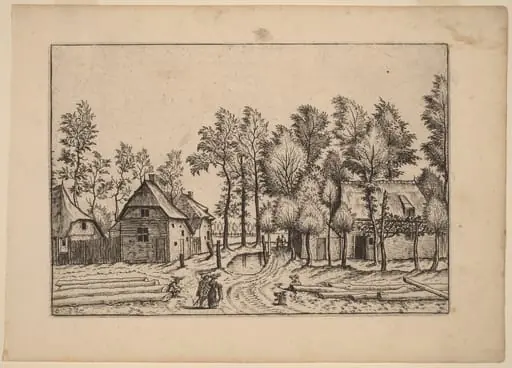
Landscape is an ink print by the Baroque artist French 17th Century. It dates from 1635 and is held in the collection of the National Gallery of Art. The work is an etching on laid paper that presents a quiet rural scene.
About this work
Overview
The work is an etching on laid paper that presents a quiet rural scene. A modest village with a church steeple sits on the horizon, while a few scattered trees occupy the foreground. The composition is dominated by muted, earthy hues and a soft, creamy sky, conveying a calm atmosphere.
Subject & Meaning
The image portrays a tranquil countryside, emphasizing the simple relationship between human settlement and the surrounding landscape. The modest scale of the village and the sparse vegetation suggest a peaceful, perhaps idealized, rural life, inviting contemplation of harmony between architecture and nature.
Technique & Style
Created through a combination of etching and drypoint, the print exhibits fine lines and subtle tonal variations. The drypoint work adds delicate burrs that enrich texture, while the etched areas provide broader planes of tone, together generating a sense of depth and three‑dimensionality within the flat paper surface.
History & Provenance
The print is part of the collection of the National Gallery of Art in Washington, D.C. It entered the museum’s holdings through acquisition, though specific details of its earlier ownership or exhibition history are not recorded in the available documentation.
Context
Etching and drypoint were popular printmaking methods in the 18th and 19th centuries for disseminating landscape imagery. This work aligns with that tradition, offering a modest, intimate view of a village scene rather than the grand, dramatic vistas favored by some contemporaries, reflecting a quieter aesthetic trend within the medium.
Artist & collection

Artist
Seventeenth-century French printmakers turned ink into story. Their tools were burin and acid, paper their stage. Look at the Beggar Woman with Rosary (1622), etched on laid paper, her hands folded around faith, or The…