Artwork
Landscape with a Well
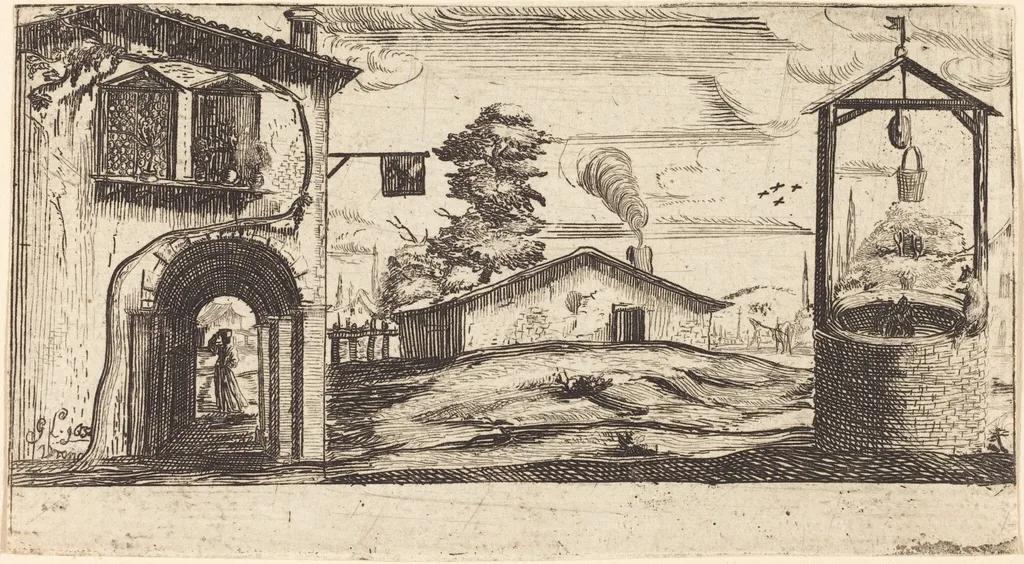
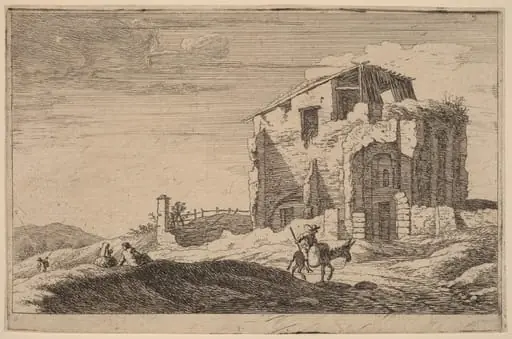
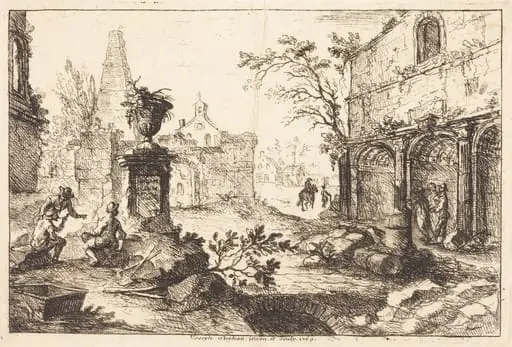
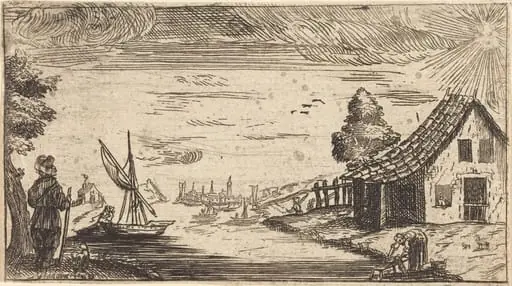
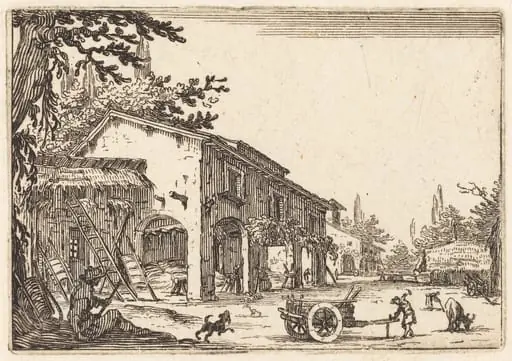
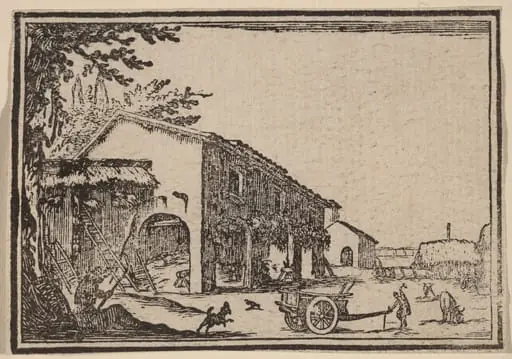
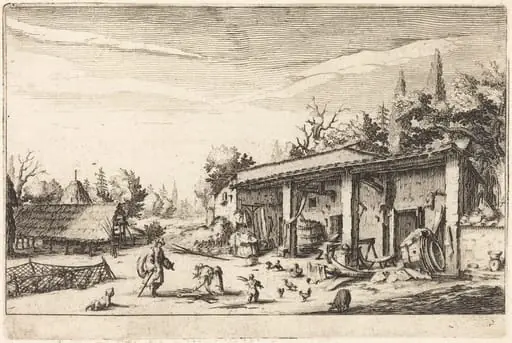
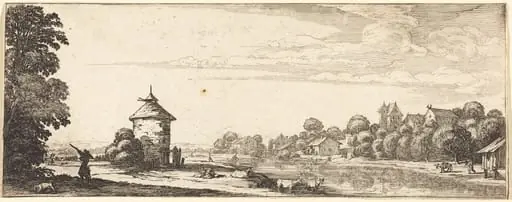
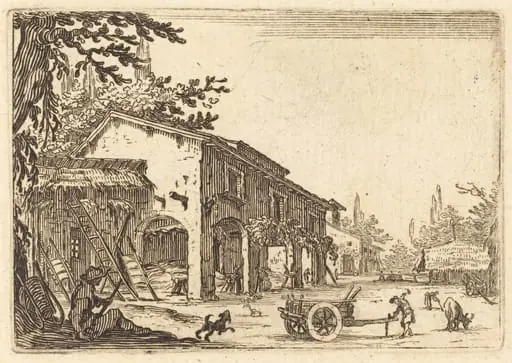
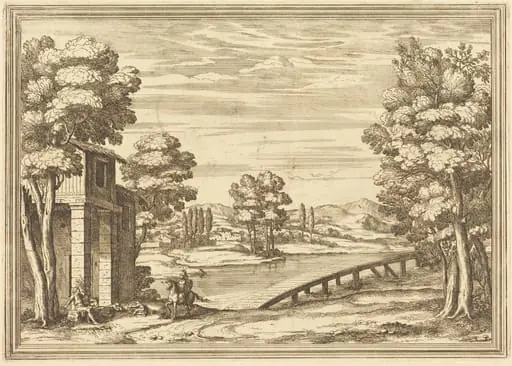
Landscape with a Well is an ink print by the Baroque artist French 17th Century. It dates from 1650 and is held in the collection of the National Gallery of Art. This etching on laid paper depicts a quiet rural scene centered on a brick-walled well with a suspended bucket.
About this work
Overview
This etching on laid paper depicts a quiet rural scene centered on a brick-walled well with a suspended bucket. The composition extends into a distant village nestled among trees, creating a sense of spatial depth. The artist employs fine, controlled lines to suggest texture and atmosphere, avoiding dramatic contrasts in favor of subdued tonal gradations.
Subject & Meaning
The well serves as both functional object and symbolic anchor, suggesting daily life and communal water access in a pre-industrial setting. The surrounding village, rendered with gentle detail, implies a rhythm of quiet labor and domestic continuity. No human figures appear, yet the scene conveys presence through implied activity and stillness.
Technique & Style
The artist uses etching to achieve fine linear detail and subtle shading, with varying line density to model forms and suggest distance. The laid paper’s texture enhances the tactile quality of the image, while the restrained use of ink preserves a light, airy quality. No bold strokes or heavy shadows disrupt the calm equilibrium of the composition.
History & Provenance
The work’s origin is undocumented in public records, though its style aligns with 17th-century Dutch and Flemish print traditions. It likely circulated as a standalone print, possibly collected for its tranquil subject matter rather than as part of a larger series. No known signatures or inscriptions have been verified.
Context
Created during a period when landscape prints gained popularity among middle-class collectors, this work reflects a growing interest in rural life as a counterpoint to urban growth. Similar scenes appeared in prints by artists such as Rembrandt and Van de Velde, who favored intimate, unidealized views of the countryside.
Legacy
Though not widely attributed to a major artist, the piece contributes to a broader tradition of European printmaking that valued quiet observation over grand narrative. Its preservation in institutional collections underscores its role as an example of modest, contemplative printmaking from the early modern era.
Artist & collection

Artist
Seventeenth-century French printmakers turned ink into story. Their tools were burin and acid, paper their stage. Look at the Beggar Woman with Rosary (1622), etched on laid paper, her hands folded around faith, or The…