Artwork
Razullo and Cucurucu
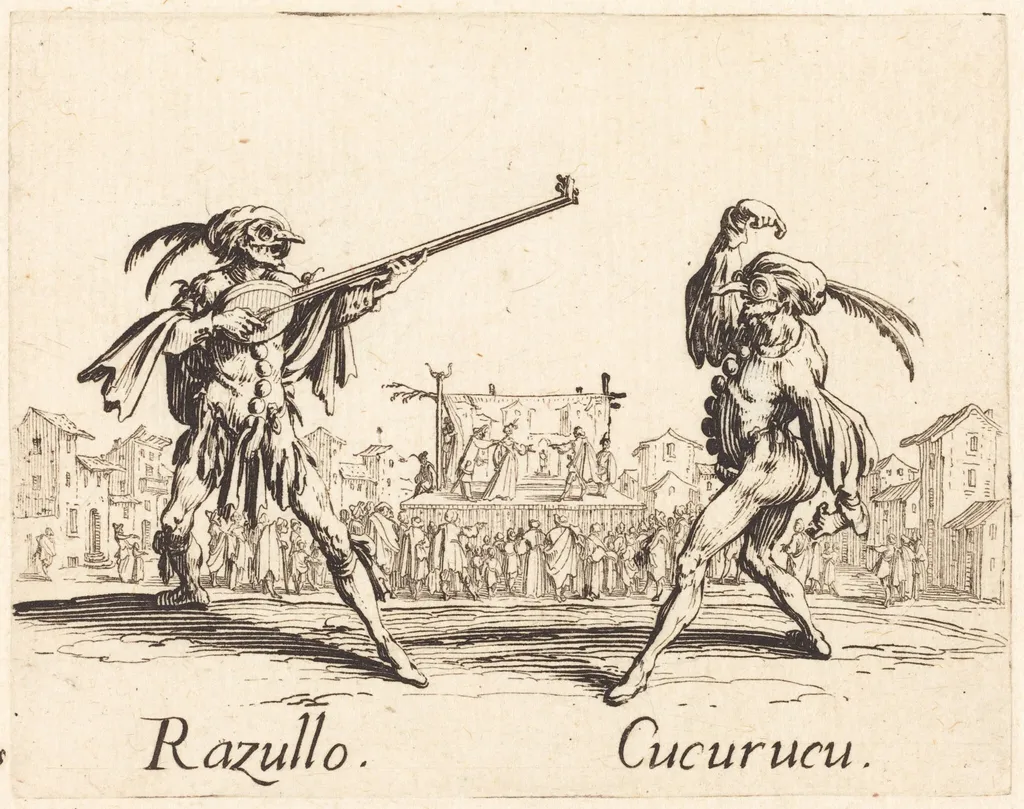
Razullo and Cucurucu is an ink print by the Baroque artist Jacques Callot. It dates from 1622 and is held in the collection of the National Gallery of Art.
About this work
Overview
Razullo and Cucurucu is an etching on laid paper created by Jacques Callot around 1622. The work features two central figures in a dynamic scene, characteristic of Callot's focus on marginalized and eccentric characters.
Subject & Meaning
The etching depicts Razullo playing a hybrid lute-like instrument and Cucurucu dancing in response, set against a backdrop of a crowd gathered around a stage. The scene captures a moment of lively performance, reflecting the social and cultural landscape of early 17th-century Europe.
Technique & Style
Callot's etching showcases his baroque printmaking skills, combining detailed figures with a suggested expansive landscape. The composition highlights his narrative ability and technical proficiency in capturing energy and movement.
History & Provenance
Part of Callot's extensive oeuvre of over 1,400 etchings, Razullo and Cucurucu is one of many works documenting contemporary life, including performers and itinerant figures, produced during his active career as a leading French baroque printmaker and draftsman.
Context
Created in the Duchy of Lorraine, this etching belongs to a broader body of work by Callot that reflects the social, cultural, and artistic currents of early 17th-century Europe, particularly its fascination with eccentric characters and everyday life.
Legacy
As a representative of Callot's work, Razullo and Cucurucu contributes to the artist's enduring legacy as a documentarian of his time through precise and engaging etchings, influencing the representation of marginalized voices in art history.
Artist & collection
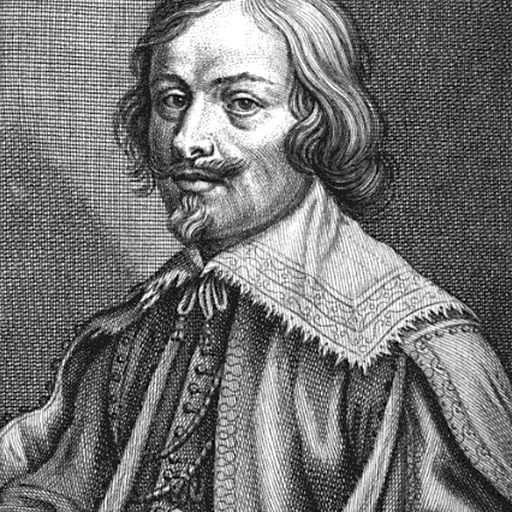
Artist
Jacques Callot was a baroque printmaker and draftsman from the Duchy of Lorraine.

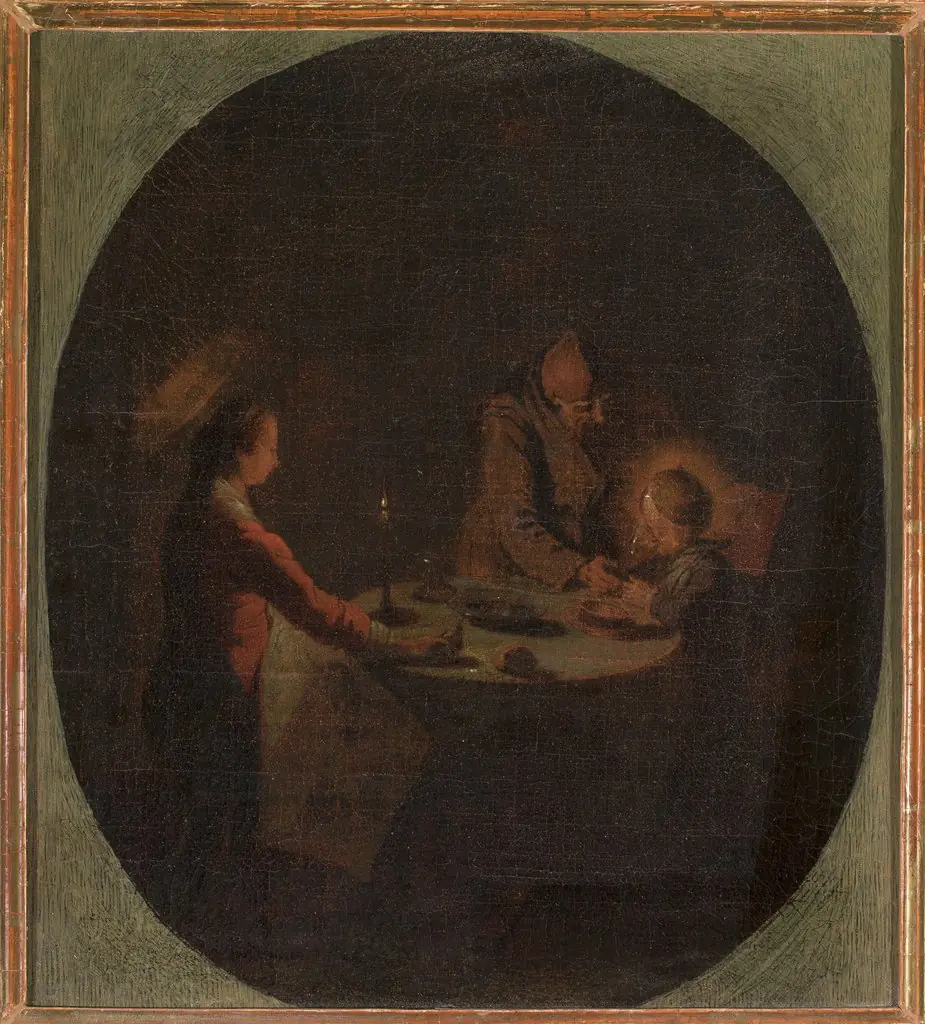 Holy Family at supper
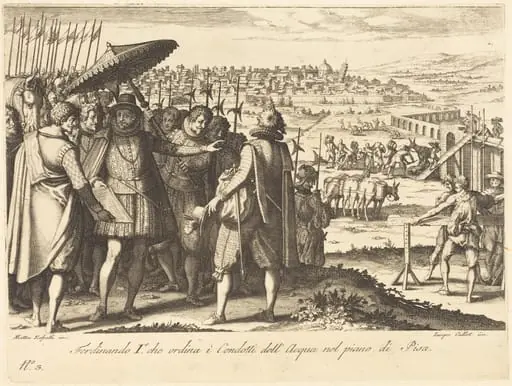 Restoration of the Aqueduct at Pisa
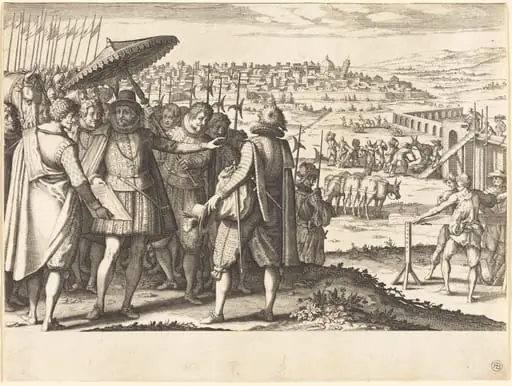 Restoration of the Aqueduct at Pisa
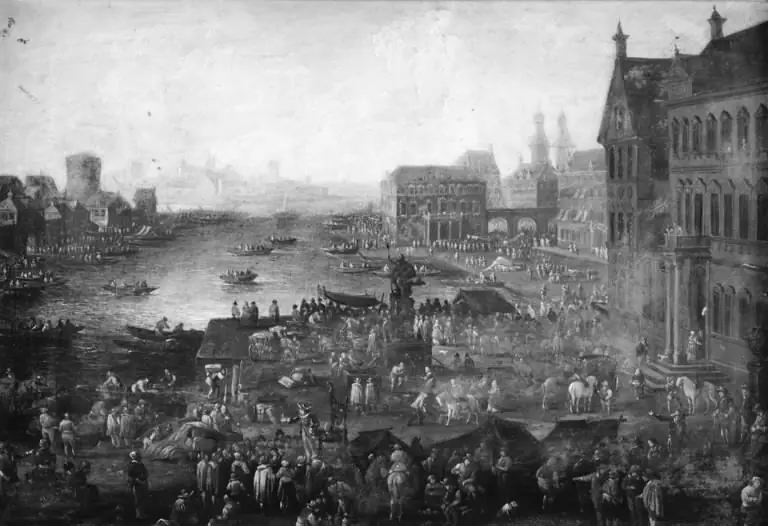 Square in Paris with Many Figures
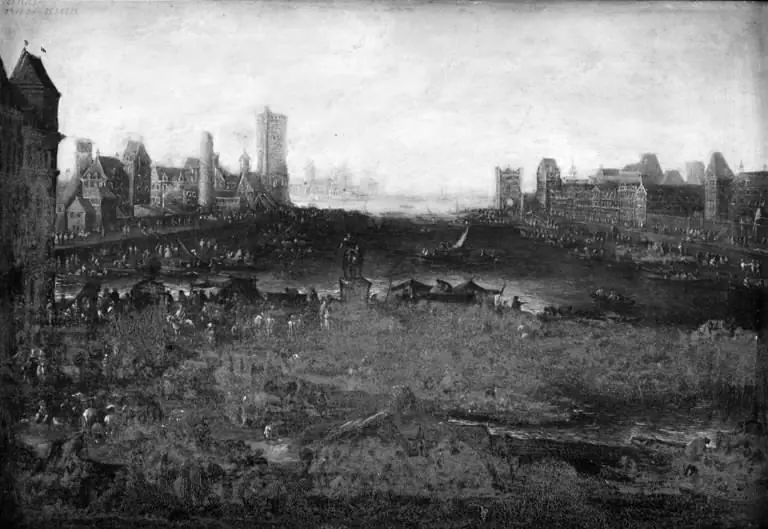 Square in Paris with Many Figures
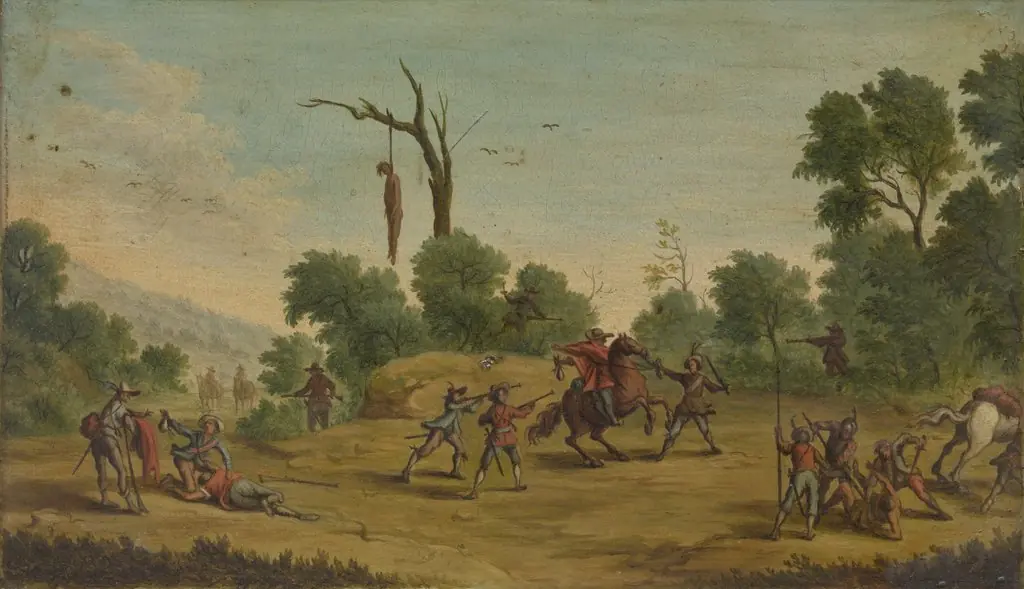 Horsemen Attacked by Robbers
 HOW WILL A COVERED PART BE CORRECTED?HOW WIKA A COVERED HEART DEED CORRECTED?
![Christ Walking on the Water [second plate], by Jacques Callot](https://artifactworldgallery.com/img/jacques-callot--christ-walking-on-the-water-second-plate--2069f3bfe4cb2126-w320.webp) Christ Walking on the Water [second plate]
Christ Walking on the Water [second plate]