Artwork
Shepherd and Ruins
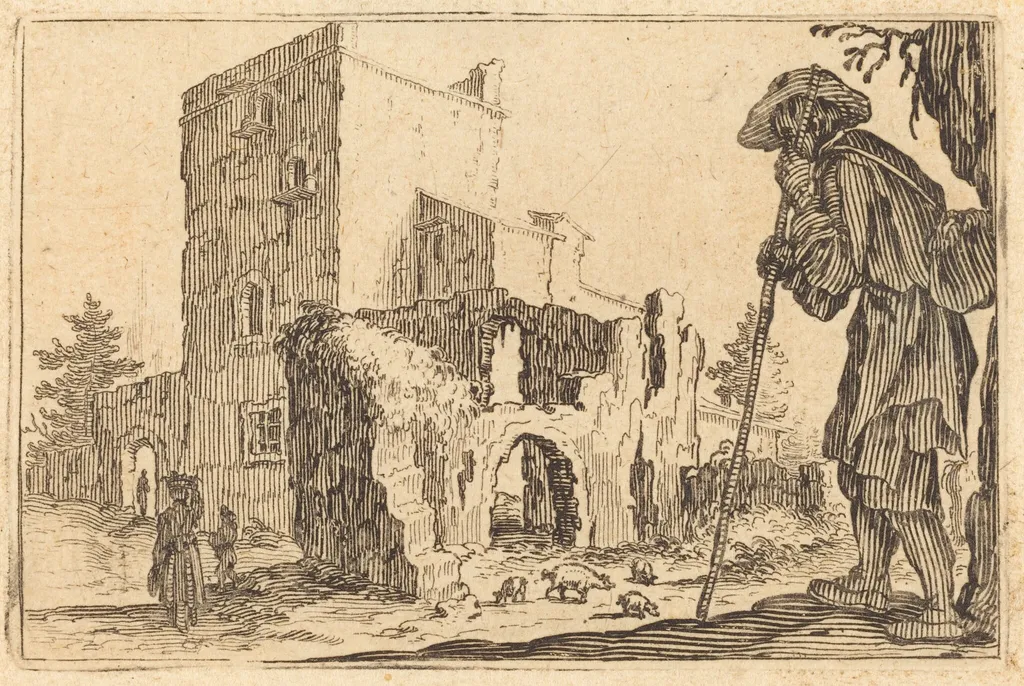
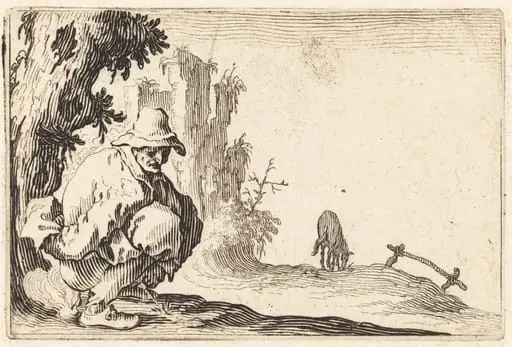
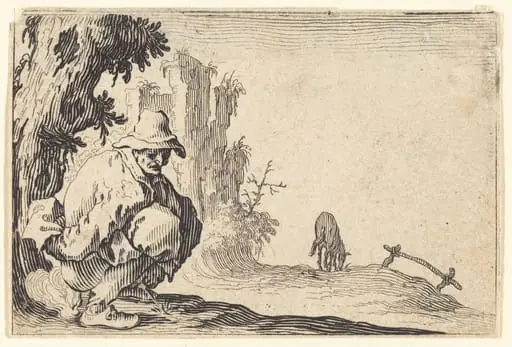
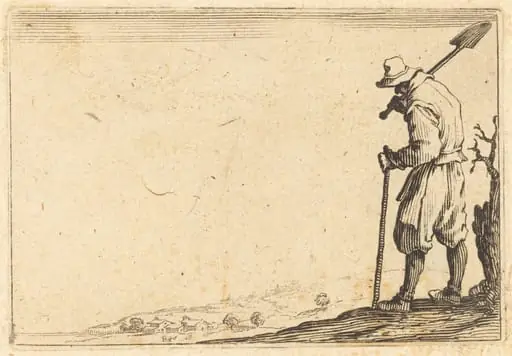
Shepherd and Ruins is an ink print by the Baroque artist Jacques Callot. It dates from 1622 and is held in the collection of the National Gallery of Art.
About this work
Overview
Created around 1622 by Jacques Callot, this etching on laid paper captures a solitary shepherd before the remnants of classical architecture.
Created around 1622 by Jacques Callot, this etching on laid paper captures a solitary shepherd before the remnants of classical architecture. As one of over 1,400 prints he produced, it exemplifies his focus on everyday figures embedded in richly detailed environments. The work belongs to a broader tradition of Northern European printmaking that valued precision and atmospheric nuance over grand narrative.
Subject & Meaning
The shepherd, cloaked and staff in hand, stands quietly before crumbling stone structures, his gaze lowered as if attending to something at his feet. The absence of dramatic action or human interaction suggests introspection rather than storytelling. The ruins, overgrown yet imposing, imply the passage of time and the quiet persistence of nature amid human decay, evoking a contemplative mood without explicit symbolism.
Technique & Style
Callot employed fine etching lines to render texture in the shepherd’s woolen cloak, the weathered stone, and the sparse foliage. The use of varied line weight and subtle hatching creates depth and a sense of atmospheric perspective. The composition balances the small human figure against the vast, fragmented architecture, emphasizing scale and solitude through meticulous draftsmanship rather than dramatic contrast.
History & Provenance
The print emerged during Callot’s most productive period, when he was active in Florence and Paris, refining his etching technique after early exposure to Italian art. While its early ownership is undocumented, it aligns with a corpus of works collected by European connoisseurs in the 17th century for their technical precision and observational depth, rather than religious or mythological themes.
Context
In early 17th-century Europe, etching gained favor as a medium for capturing the mundane alongside the monumental. Callot’s work stood apart from idealized landscapes by grounding scenes in observed reality—shepherds, soldiers, laborers—often set against ruins or rural backdrops. This print reflects a growing interest in the poetic potential of decay and solitude, distinct from the theatricality of contemporaneous painting.
Legacy
Callot’s influence extended through generations of printmakers who adopted his fine-line technique and attention to environmental detail. *Shepherd and Ruins* exemplifies his role in elevating etching beyond reproductive function to a vehicle for quiet, lyrical observation. Though less known than his war scenes, this work remains a quiet testament to his ability to convey stillness and time through the precision of the needle.
Artist & collection
Artist
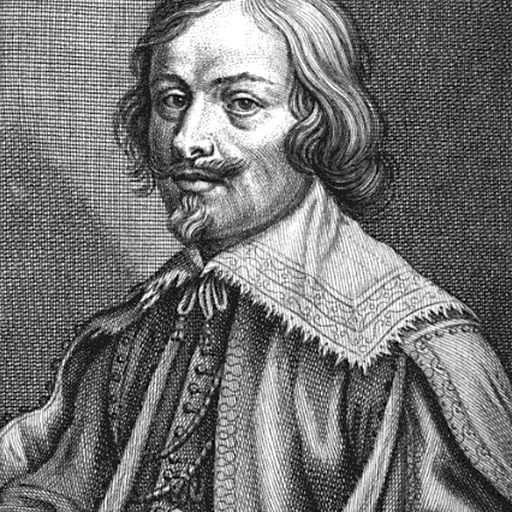
Jacques Callot was a baroque printmaker and draftsman from the Duchy of Lorraine.

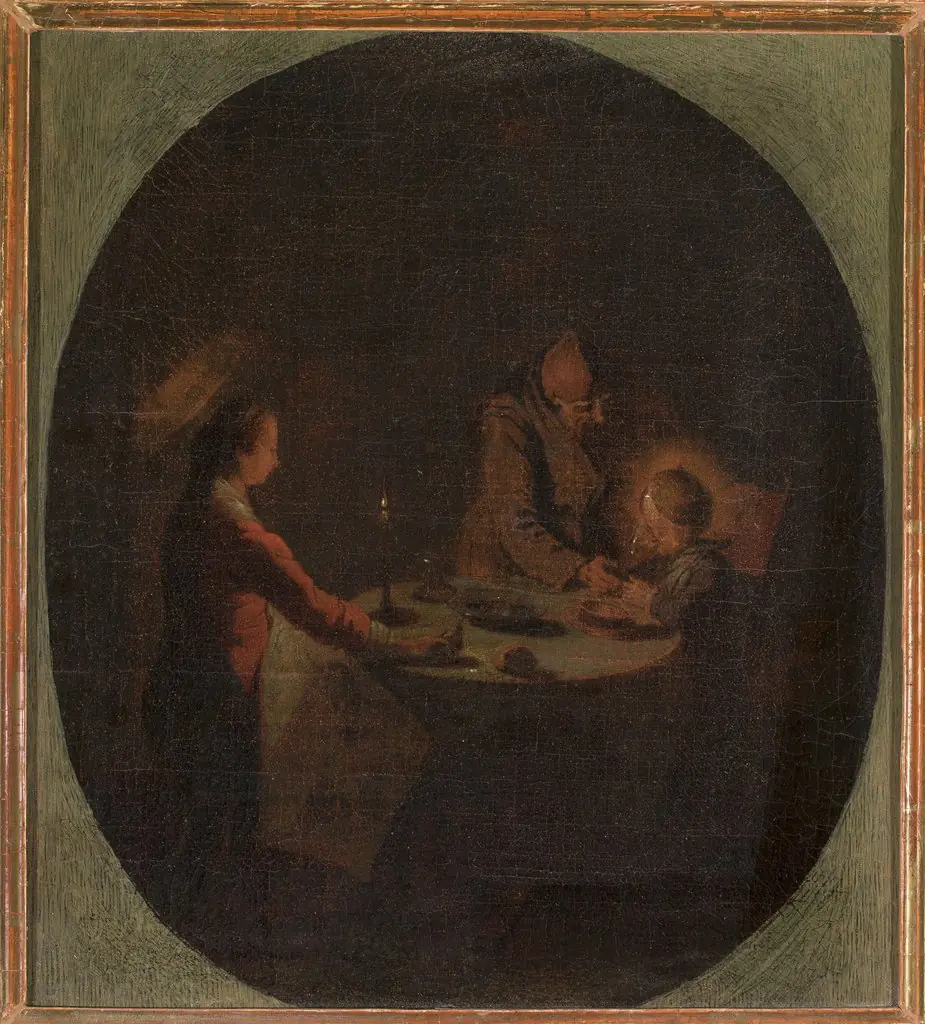 Holy Family at supper
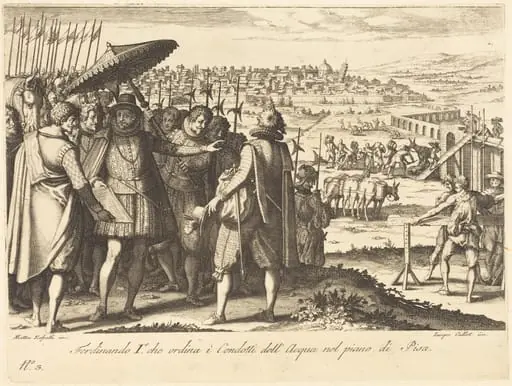 Restoration of the Aqueduct at Pisa
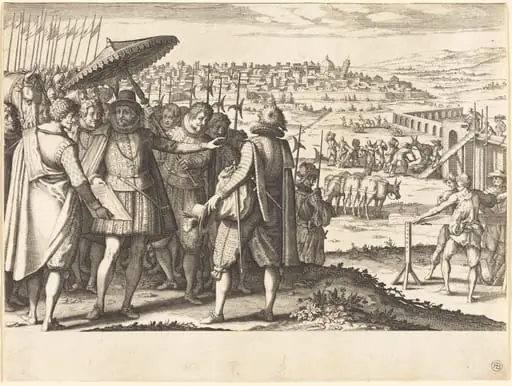 Restoration of the Aqueduct at Pisa
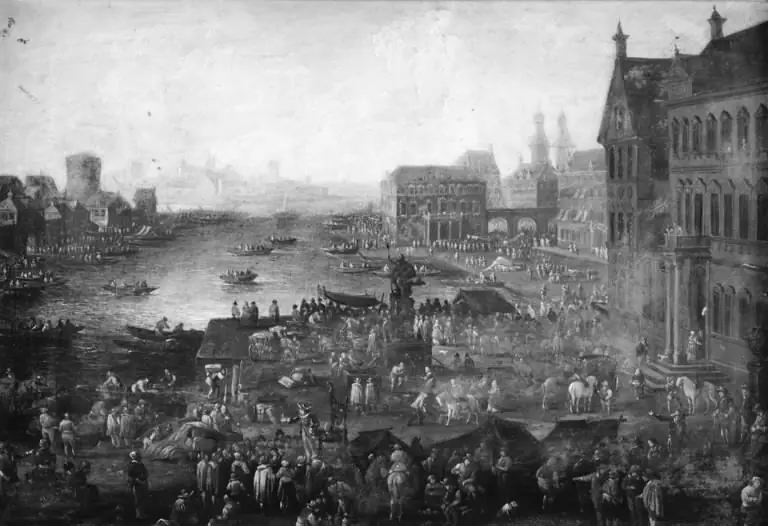 Square in Paris with Many Figures
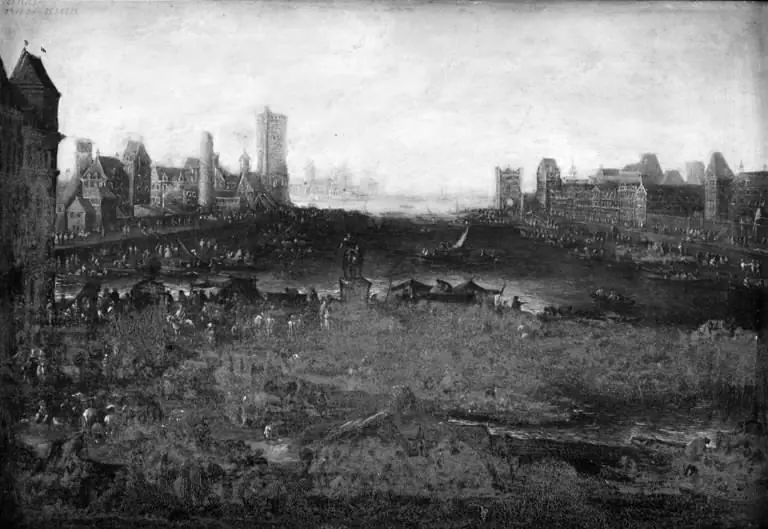 Square in Paris with Many Figures
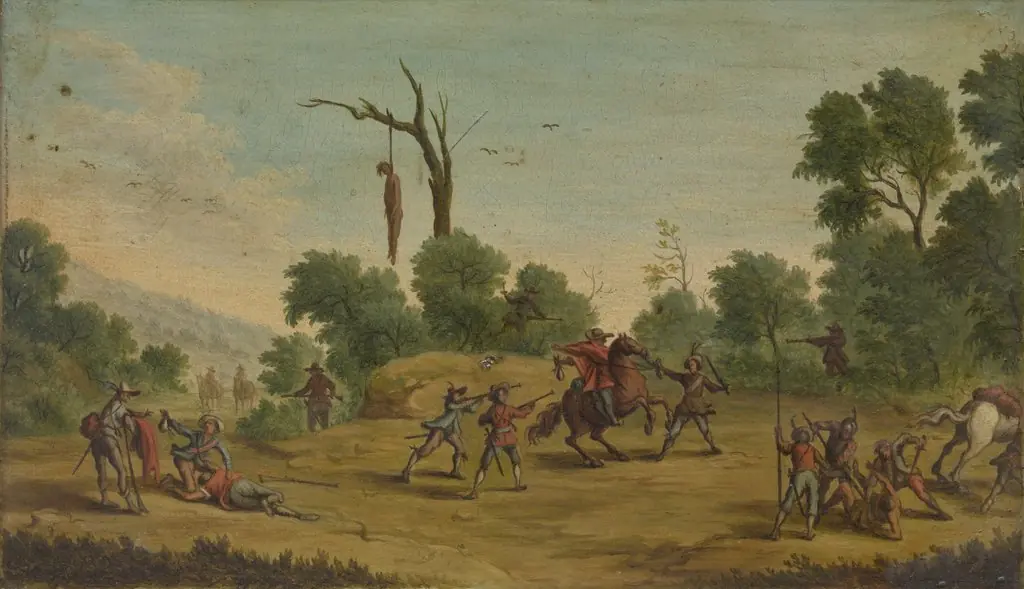 Horsemen Attacked by Robbers
 HOW WILL A COVERED PART BE CORRECTED?HOW WIKA A COVERED HEART DEED CORRECTED?
![Christ Walking on the Water [second plate], by Jacques Callot](https://artifactworldgallery.com/img/jacques-callot--christ-walking-on-the-water-second-plate--2069f3bfe4cb2126-w320.webp) Christ Walking on the Water [second plate]
Christ Walking on the Water [second plate]