Artwork
The Adoration of the Magi
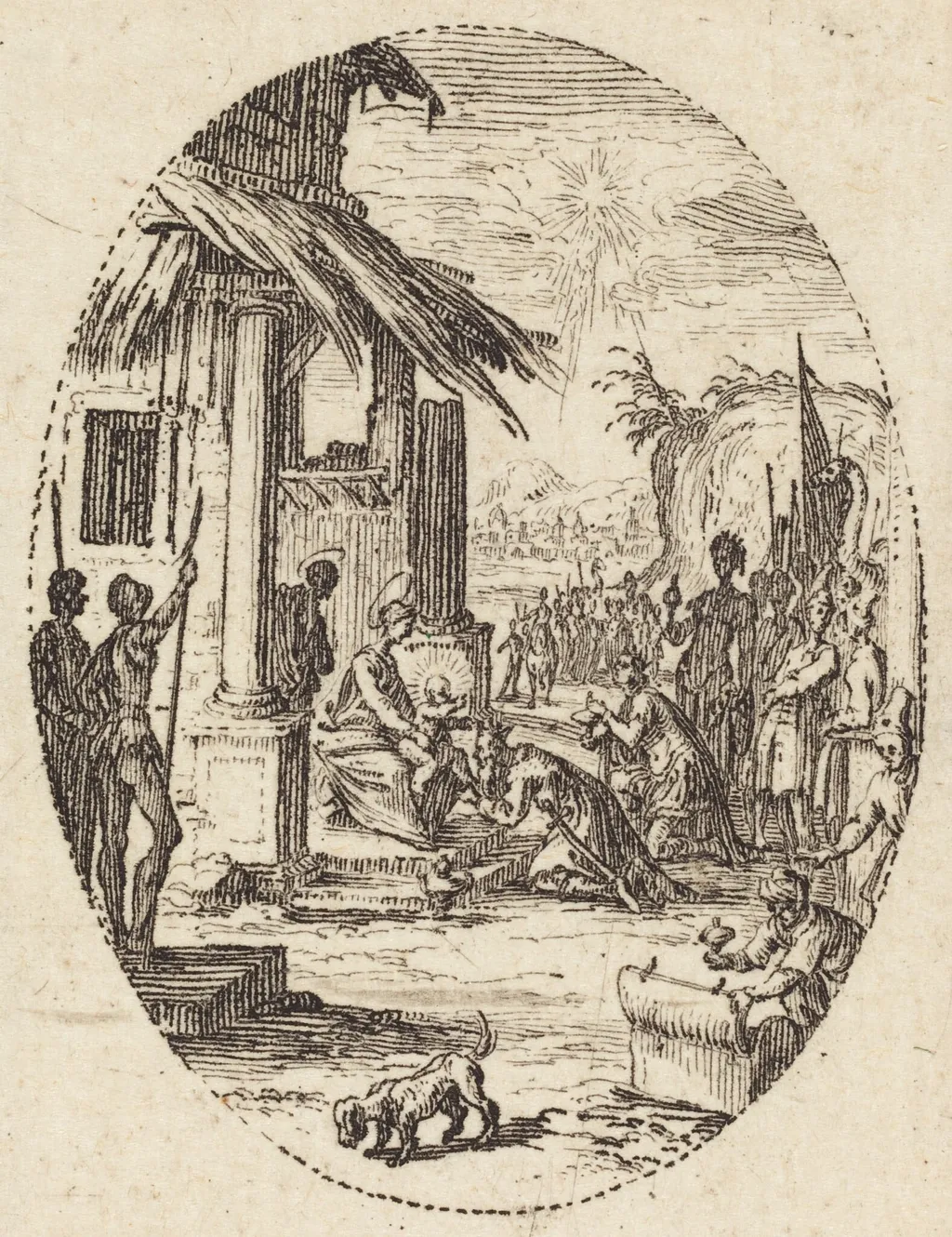
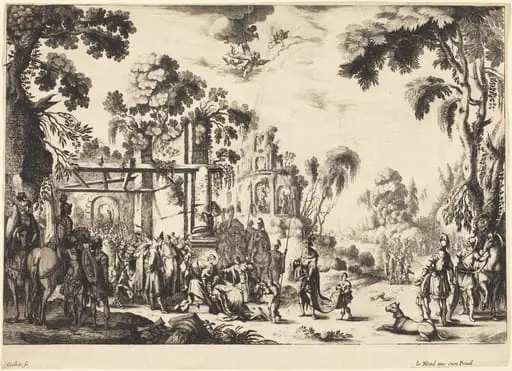
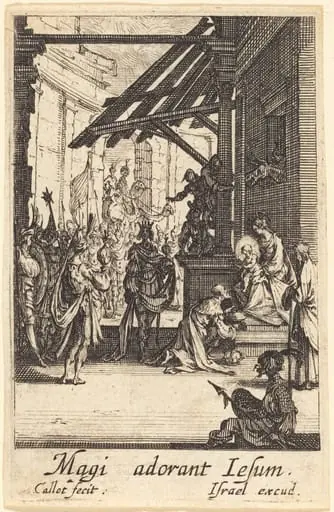
The Adoration of the Magi is an ink print by the Baroque artist Jacques Callot. It dates from 1631 and is held in the collection of the National Gallery of Art.
About this work
Overview
Callot, from the Duchy of Lorraine, was known for his technical precision and keen observation of human activity, even within sacred subjects.
Jacques Callot produced this etching around 1631, part of a prolific career that yielded more than 1,400 prints. Created on laid paper, the work belongs to a tradition of religious imagery adapted for intimate, reproducible formats. Callot, from the Duchy of Lorraine, was known for his technical precision and keen observation of human activity, even within sacred subjects. His etching captures a moment of reverence with unusual spatial complexity and crowded detail.
Subject & Meaning
The scene depicts the biblical Adoration of the Magi, with three figures kneeling before the infant Jesus, who lies in a modest wooden container. One Magus offers a gift in a small container, while others observe from nearby. A dog rests near the manger, and distant figures suggest a bustling environment. The inclusion of everyday elements—staffs, architecture, and scattered onlookers—grounds the divine event in a tangible, lived world, reflecting a Baroque tendency to humanize sacred narratives.
Technique & Style
Callot employed etching to achieve fine, controlled lines and subtle tonal gradations. The plate was coated with wax, incised with a needle, then acid-bitten to create recessed lines that held ink. His use of dense cross-hatching and varied line weight models form and depth, giving the crowded composition a sense of volume. The sharpness of the lines enhances the texture of fabrics, stone, and foliage, while the composition’s layered space draws the eye from foreground figures to the distant architectural backdrop.
History & Provenance
The print emerged during Callot’s mature period in Florence, where he worked for the Medici court. Though no specific early ownership records are documented for this exact impression, similar etchings from his workshop circulated widely across Europe. As a printmaker, Callot prioritized accessibility, and his religious subjects were often reproduced and collected by both clergy and secular patrons interested in devotional imagery rendered with artistic sophistication.
Context
In early 17th-century Europe, religious themes remained central to printmaking, even as secular subjects gained ground. Callot’s work responded to Counter-Reformation demands for emotionally resonant imagery while maintaining the observational realism favored in Northern and Italian art. His integration of contemporary dress, architecture, and social detail into biblical scenes aligned with broader trends in Baroque visual culture, where sacred stories were made immediate through familiar settings.
Legacy
Callot’s etchings influenced generations of printmakers through their technical innovation and narrative richness. His ability to compress complex scenes into small formats demonstrated the expressive potential of etching beyond mere reproduction. Though less celebrated than his battle scenes or street life studies, works like this Adoration exemplify his skill in merging spiritual subject matter with meticulous observation, leaving a quiet but enduring mark on the evolution of printmaking.
Artist & collection
Artist
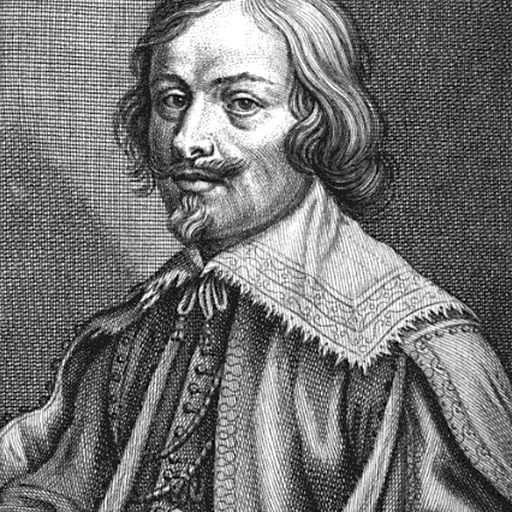
Jacques Callot was a baroque printmaker and draftsman from the Duchy of Lorraine.

 Holy Family at supper
 Restoration of the Aqueduct at Pisa
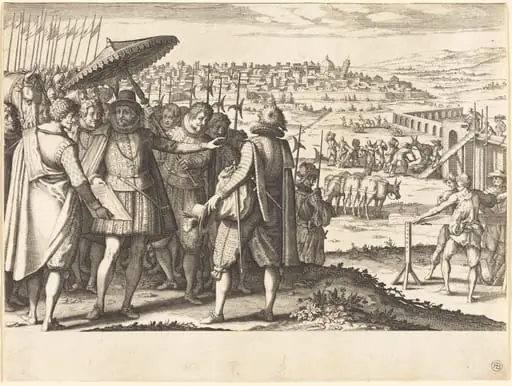 Restoration of the Aqueduct at Pisa
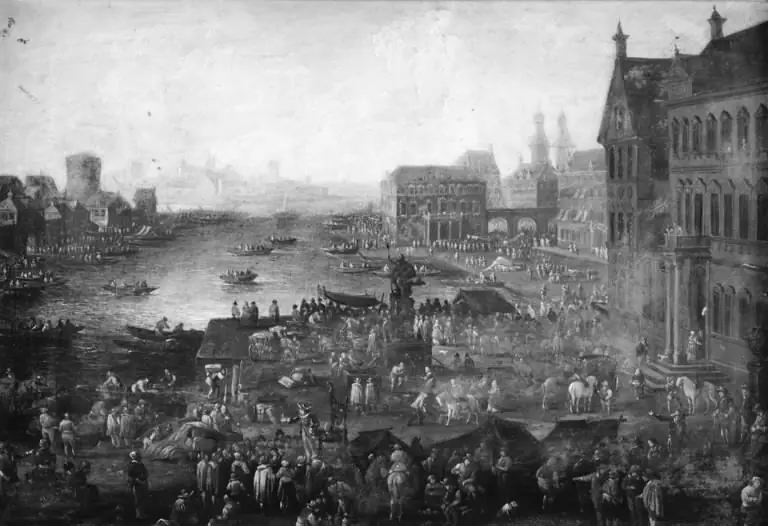 Square in Paris with Many Figures
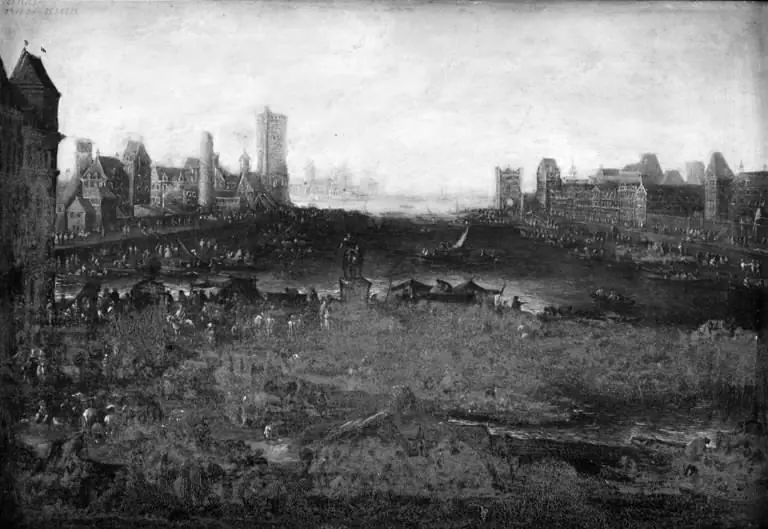 Square in Paris with Many Figures
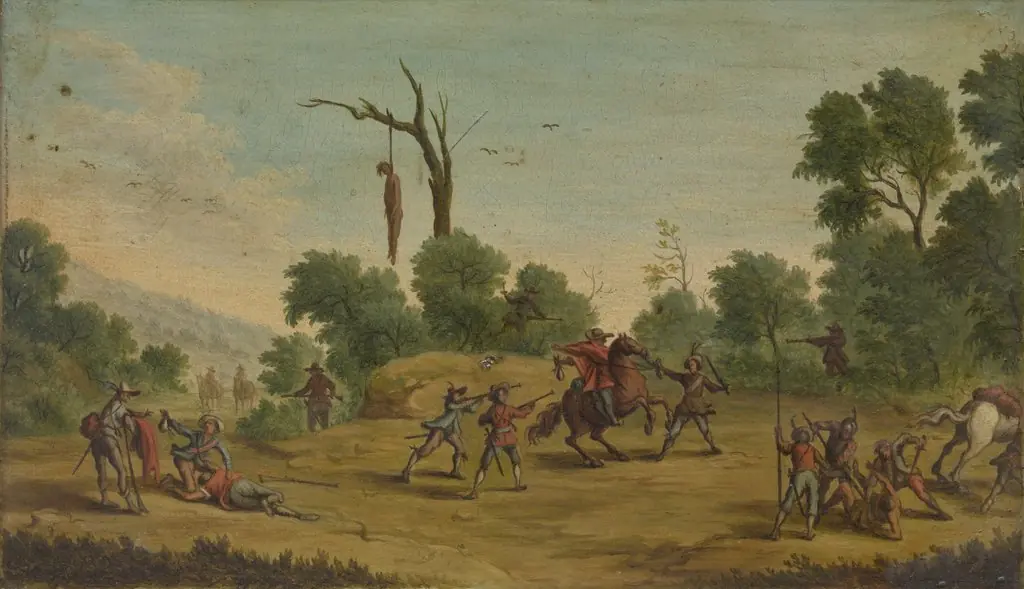 Horsemen Attacked by Robbers
 HOW WILL A COVERED PART BE CORRECTED?HOW WIKA A COVERED HEART DEED CORRECTED?
![Christ Walking on the Water [second plate], by Jacques Callot](https://artifactworldgallery.com/img/jacques-callot--christ-walking-on-the-water-second-plate--2069f3bfe4cb2126-w320.webp) Christ Walking on the Water [second plate]
Christ Walking on the Water [second plate]
 The Adoration of the Magi
 The Mysteries of the Passion: The Adoration of the Kings
 The Adoration of the Magi
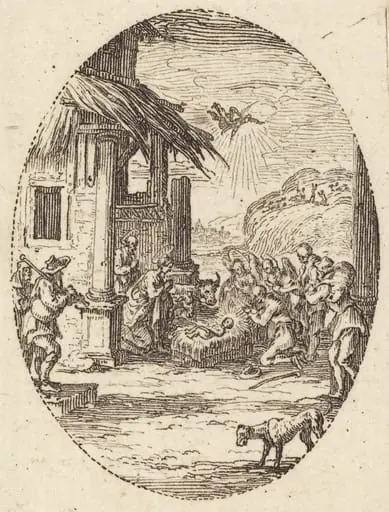 The Adoration of the Shepherds
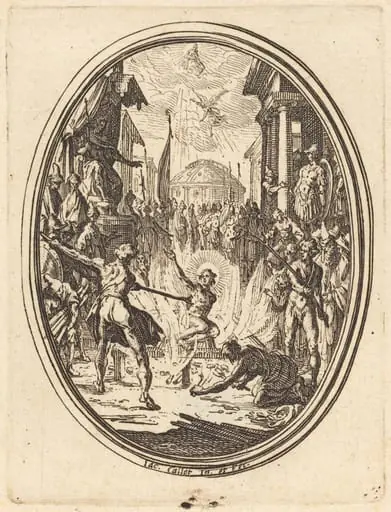 The Martyrdom of Saint Lawrence
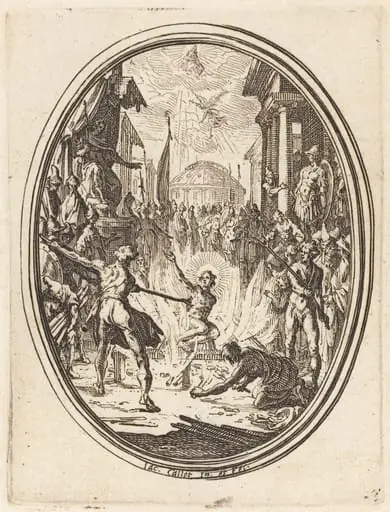 The Martyrdom of Saint Lawrence
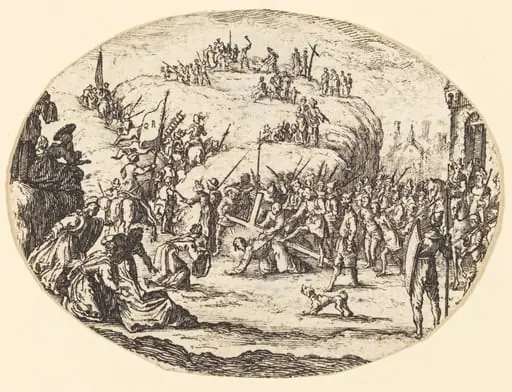 The Small Carrying of the Cross
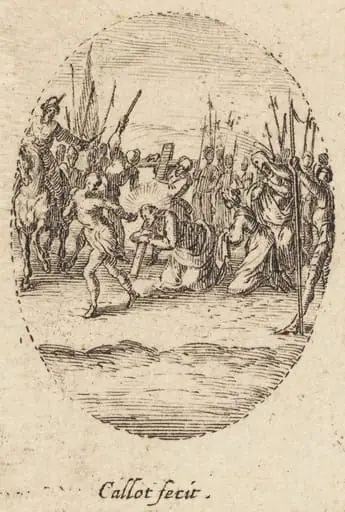 Christ Carrying the Cross
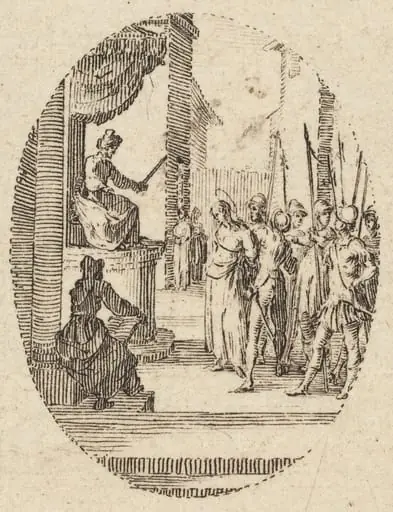 Christ before Pilate
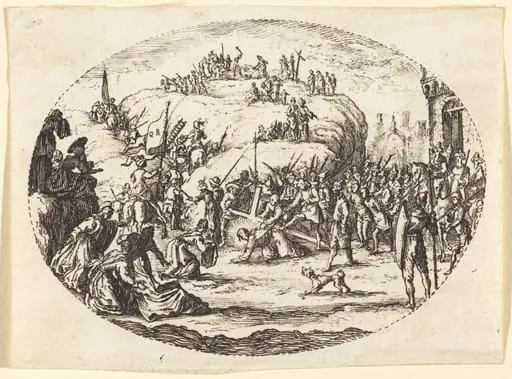 The Small Carrying of the Cross