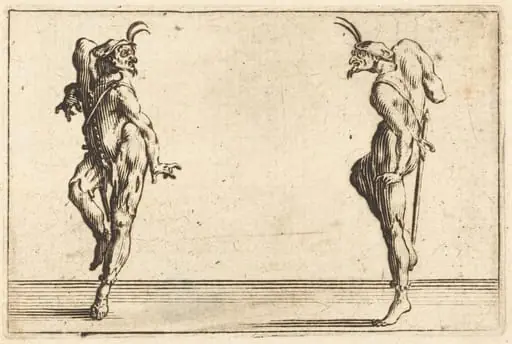
Artwork
The Dance
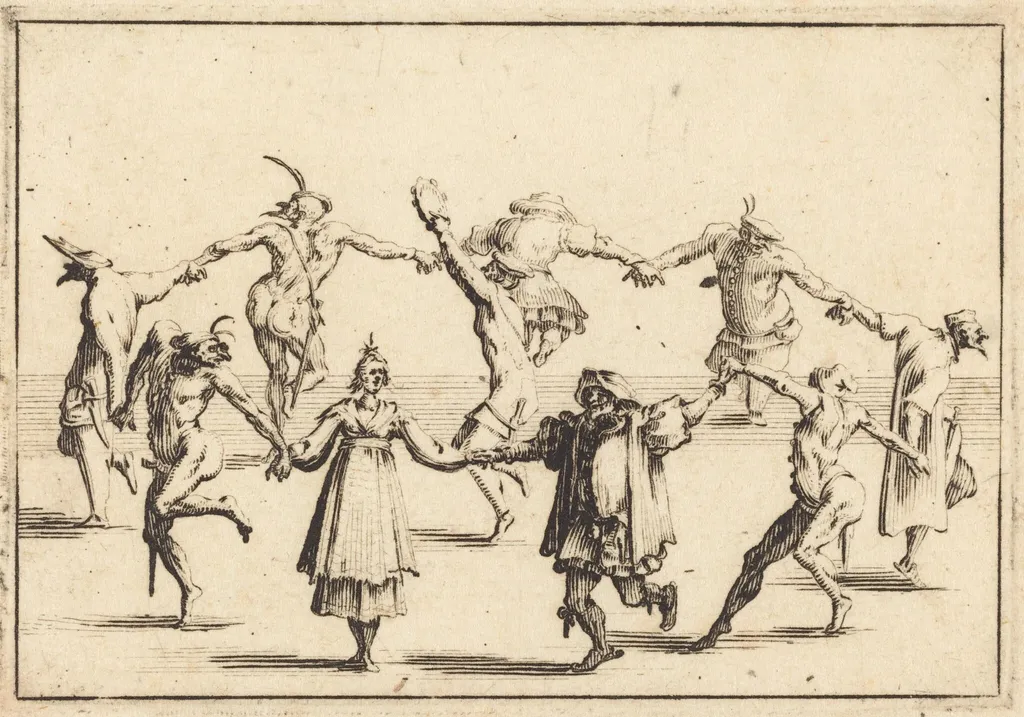
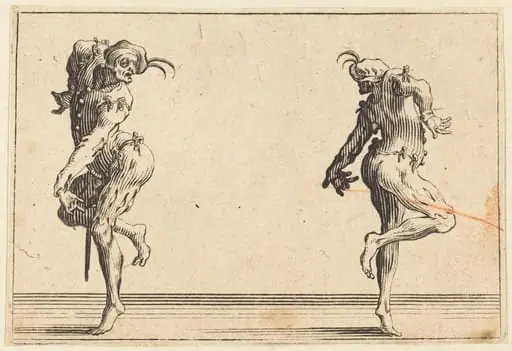
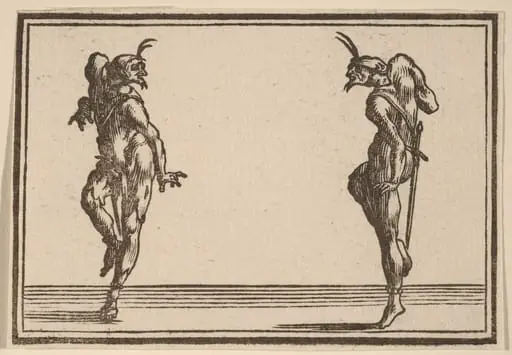
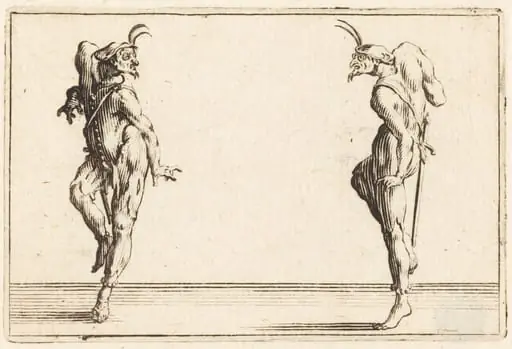
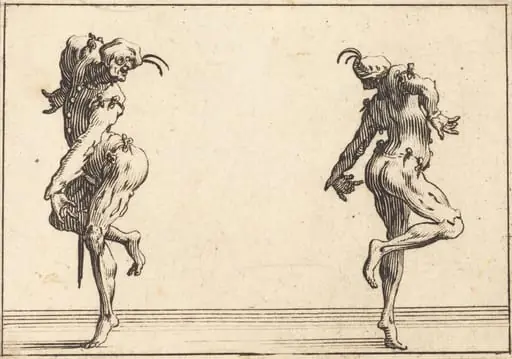
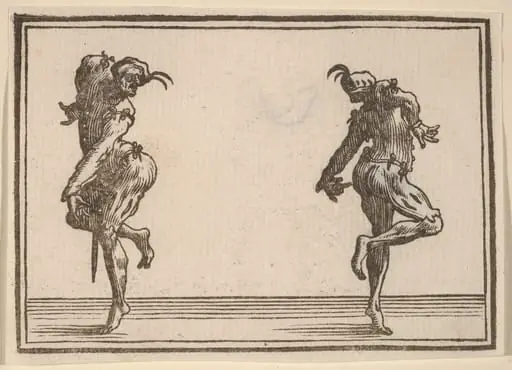
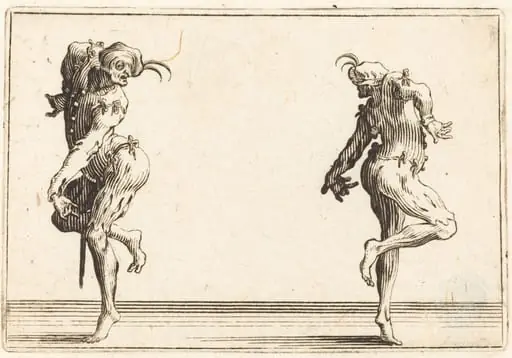
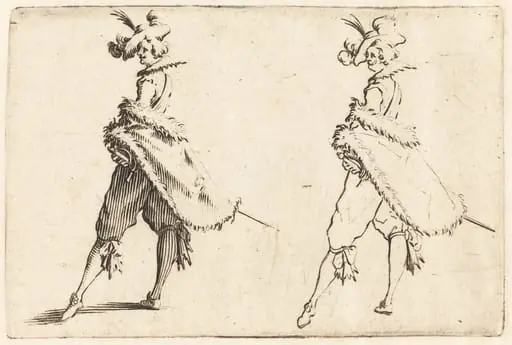
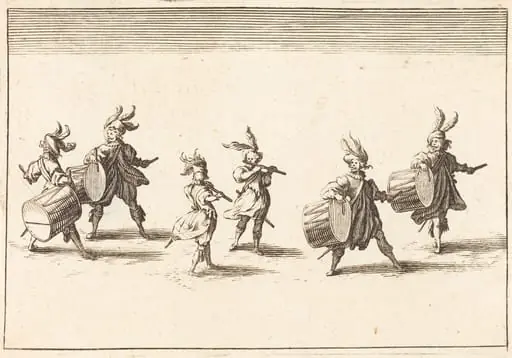
The Dance is an ink print by the Baroque artist Jacques Callot. It dates from 1617 and is held in the collection of the National Gallery of Art.
About this work
Overview
As a prolific printmaker from the Duchy of Lorraine, Callot produced over 1,400 works, many depicting everyday life with precision.
Created around 1617, Jacques Callot’s *The Dance* is an etching on laid paper that exemplifies his mastery of the medium. As a prolific printmaker from the Duchy of Lorraine, Callot produced over 1,400 works, many depicting everyday life with precision. This print captures a moment of unstructured revelry, rendered through fine, energetic lines that convey movement and tension. The technique allowed for intricate detail and a sense of immediacy uncommon in earlier prints.
Subject & Meaning
The scene portrays a disorderly group dance involving eight figures, some dressed in elaborate attire and others wearing grotesque masks. The tangled limbs and exaggerated gestures suggest a ritual or festive gathering, possibly a folk celebration or a satirical take on courtly pastimes. The contrast between refined garments and wild masks hints at social inversion, a common theme in early 17th-century imagery that questioned hierarchies through visual chaos.
Technique & Style
Callot employed etching, a process involving acid to bite lines into a metal plate, enabling fine, fluid strokes. His use of loose, scratchy lines mimics rapid drawing, enhancing the sense of motion. The background recedes into a softly rendered landscape, balancing the frenetic foreground. The paper’s laid texture subtly interacts with the ink, adding tactile depth. This technical control allowed Callot to render complex compositions with clarity and dynamism.
History & Provenance
The work originates from Callot’s early period in Nancy, where he documented local customs before traveling to Florence and Rome. While the exact provenance of this specific impression is undocumented, it aligns with his known series of genre scenes produced between 1615 and 1620. These prints circulated widely among collectors and artists, influencing the development of narrative printmaking in Northern Europe.
Context
In early 17th-century Lorraine, public festivals and masked gatherings were common, often blending folk tradition with aristocratic influence. Callot’s interest in marginalized figures—soldiers, beggars, dancers—reflected a broader European trend toward observing social life beyond the elite. His prints served as both records and commentaries, capturing the tensions between order and disorder in a period marked by political instability and cultural change.
Legacy
Callot’s *The Dance* contributed to the elevation of etching as a serious artistic medium, moving beyond reproductive functions into expressive territory. His detailed, dynamic compositions influenced later printmakers such as Rembrandt and Goya. The work remains a key example of how printmaking could convey social observation with nuance, preserving fleeting moments of human behavior for future generations.
Artist & collection
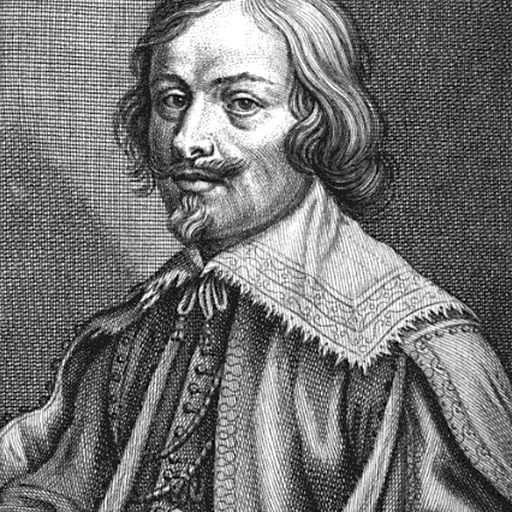
Artist
Jacques Callot was a baroque printmaker and draftsman from the Duchy of Lorraine.

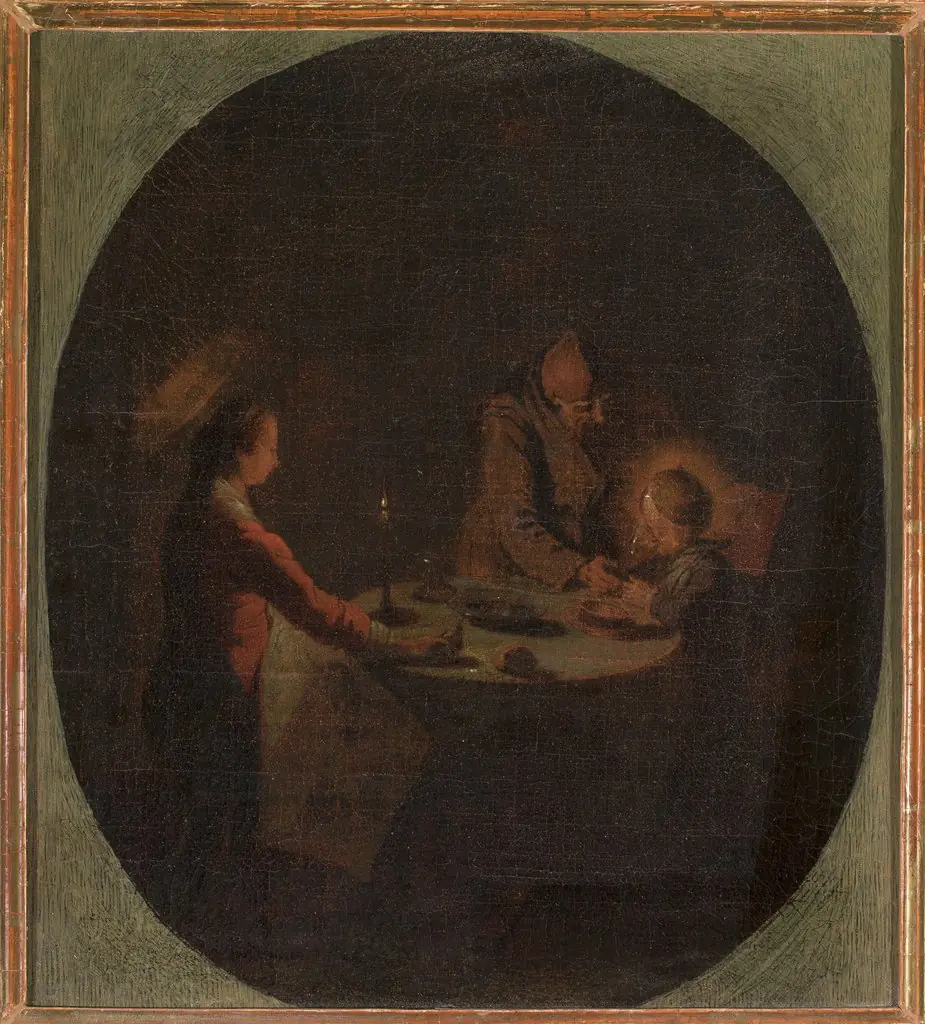 Holy Family at supper
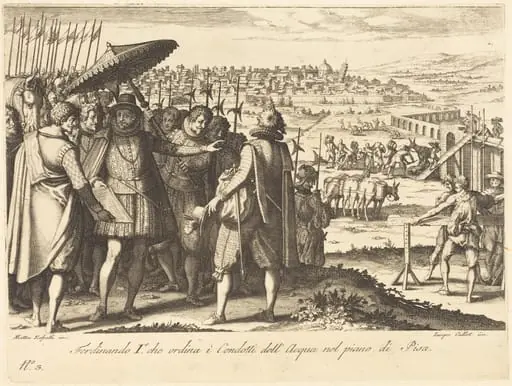 Restoration of the Aqueduct at Pisa
 Restoration of the Aqueduct at Pisa
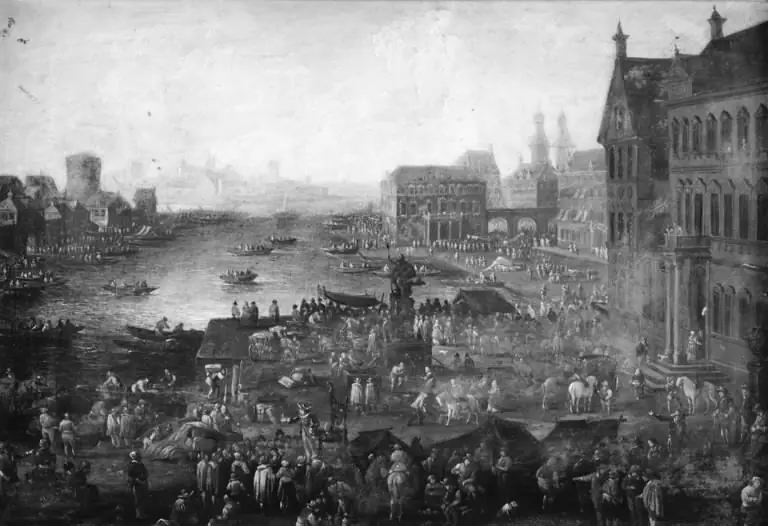 Square in Paris with Many Figures
 Square in Paris with Many Figures
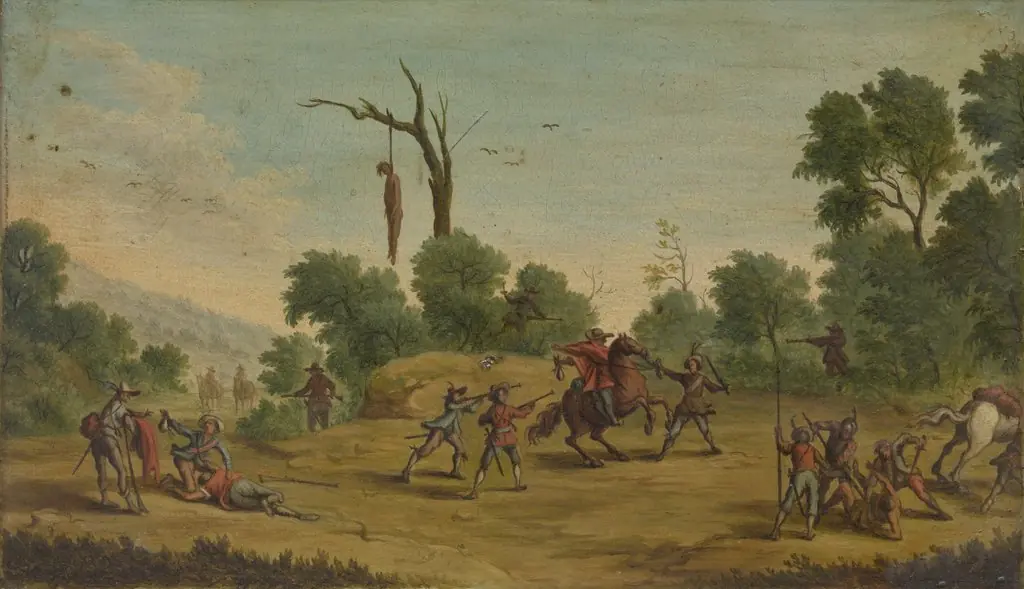 Horsemen Attacked by Robbers
 HOW WILL A COVERED PART BE CORRECTED?HOW WIKA A COVERED HEART DEED CORRECTED?
![Christ Walking on the Water [second plate], by Jacques Callot](https://artifactworldgallery.com/img/jacques-callot--christ-walking-on-the-water-second-plate--2069f3bfe4cb2126-w320.webp) Christ Walking on the Water [second plate]
Christ Walking on the Water [second plate]