Artwork
Two Hearts
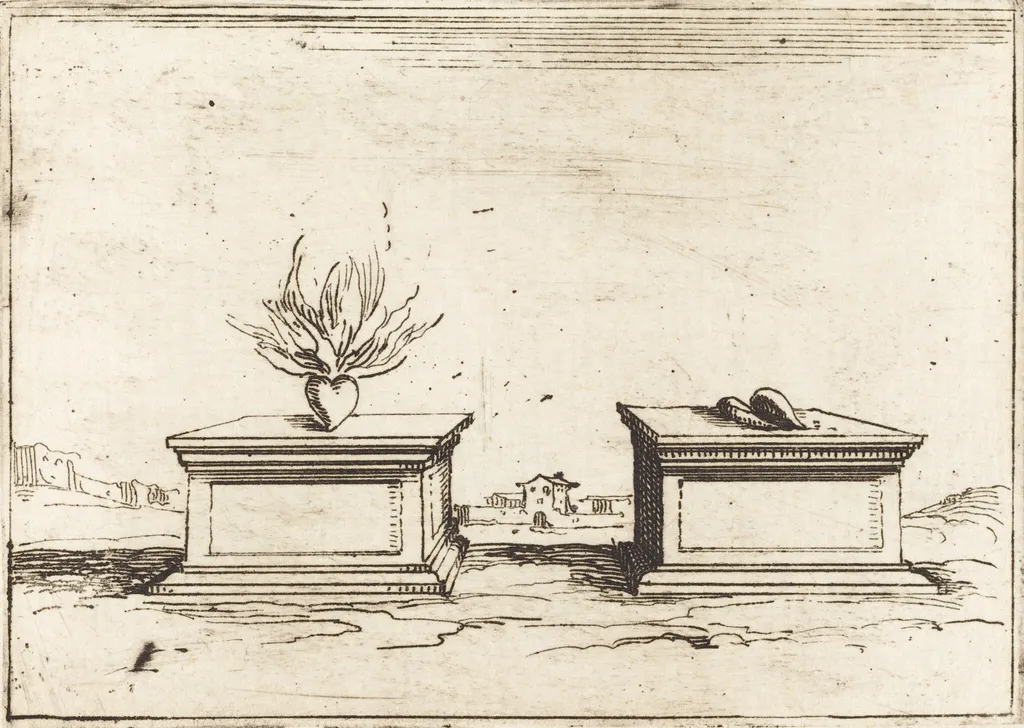
Two Hearts is an ink print by the Baroque artist Jacques Callot. It dates from 1628 and is held in the collection of the National Gallery of Art.
About this work
Overview
Two Hearts is a 1628 etching on laid paper by Jacques Callot, a prolific Baroque printmaker and draftsman from the Duchy of Lorraine, known for capturing the social and cultural landscape of his era through over 1,400 works.
Subject & Meaning
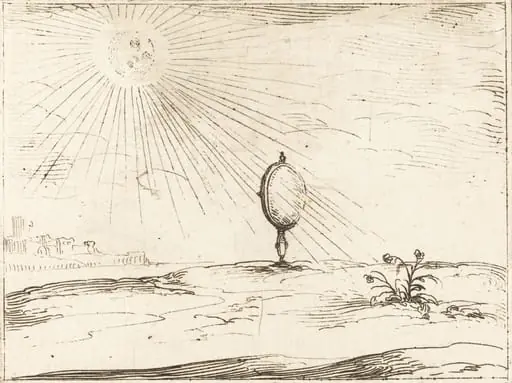
The etching features two stone pedestals set against a landscape. The left pedestal bears a heart-shaped object with flames, while the right has a curved form. A distant house provides contextual grounding, though the scene's simplicity and elegance suggest a focus on symbolic or emotional resonance over narrative detail.
Technique & Style
Executed in etching on laid paper, the work showcases Callot's mastery of the medium, with clean lines and minimal details characteristic of his style. The texture of the laid paper enhances the image's depth.
History & Provenance
Created in 1628, 'Two Hearts' is part of Callot's extensive oeuvre documenting 17th-century life, including religious, military, and court subjects. Specific provenance details for this piece are not provided.
Context
'Two Hearts' reflects the Baroque aesthetic, emphasizing emotional intensity and symbolic depth. For broader understanding, the work is situated within the early 17th-century European artistic and cultural movements, particularly the Baroque movement.
Legacy
As part of Callot's vast and influential body of work, 'Two Hearts' contributes to the artist's legacy as a leading Baroque printmaker, though its individual impact within his corpus is not distinctly highlighted.
Artist & collection

Artist
Jacques Callot was a baroque printmaker and draftsman from the Duchy of Lorraine.

 Holy Family at supper
 Restoration of the Aqueduct at Pisa
 Restoration of the Aqueduct at Pisa
 Square in Paris with Many Figures
 Square in Paris with Many Figures
 Horsemen Attacked by Robbers
 HOW WILL A COVERED PART BE CORRECTED?HOW WIKA A COVERED HEART DEED CORRECTED?
![Christ Walking on the Water [second plate], by Jacques Callot](https://artifactworldgallery.com/img/jacques-callot--christ-walking-on-the-water-second-plate--2069f3bfe4cb2126-w320.webp) Christ Walking on the Water [second plate]
Christ Walking on the Water [second plate]
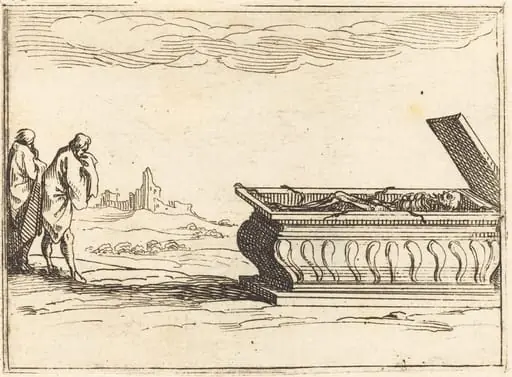 The Tomb
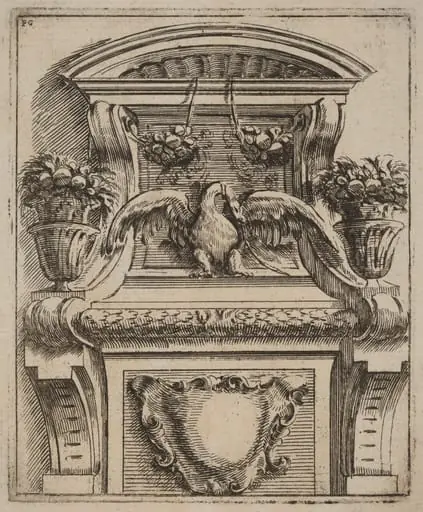 Architectural Motif with a Bird
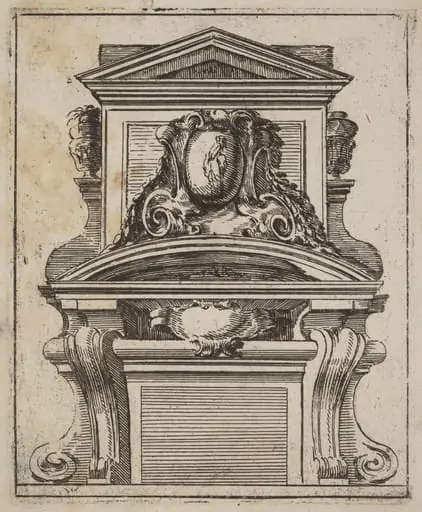 Architectural Motif with a Figure
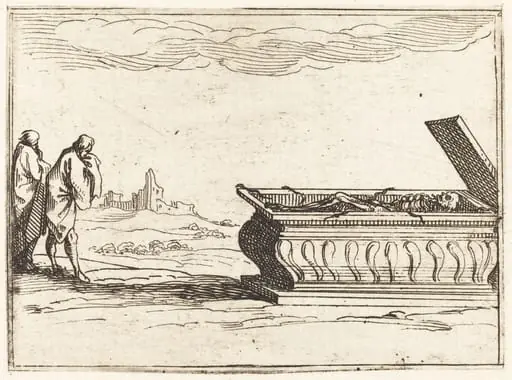 The Tomb
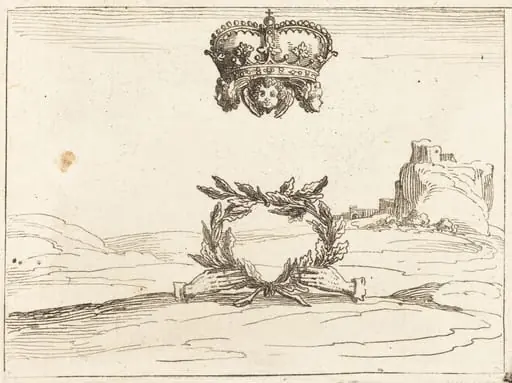 The Two Crowns
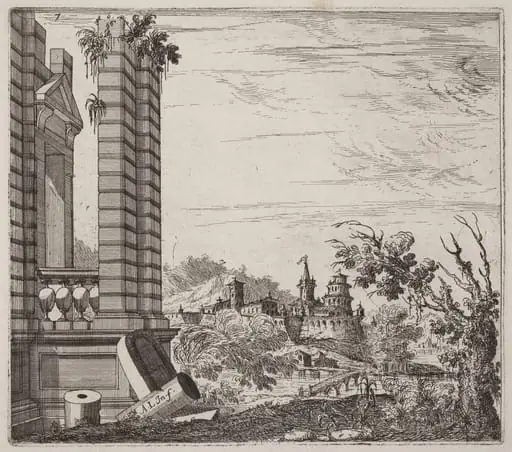 Fantastic River Landscape with Ruins and a Castle
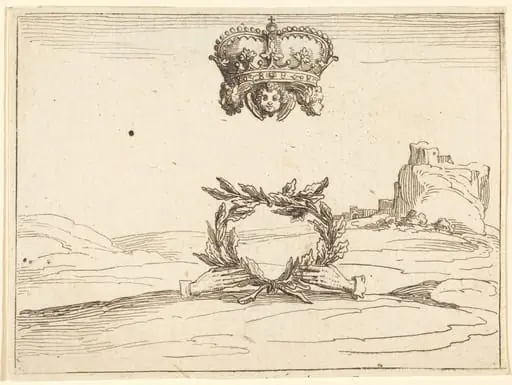 The Two Crowns
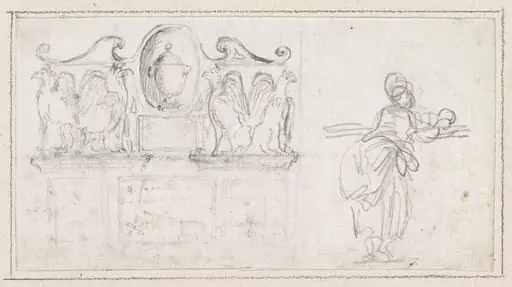 A Decorative Sculpture with a Woman Seen from Behind
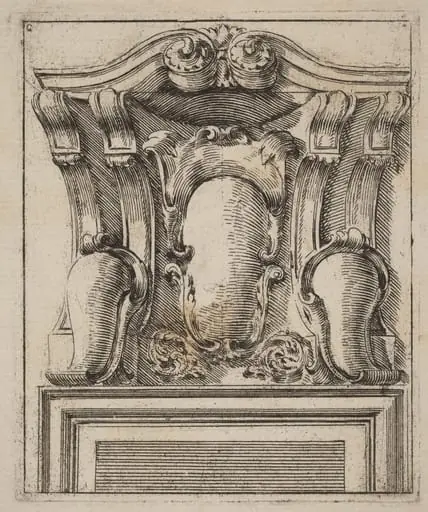 Architectural Motif with Three Shields
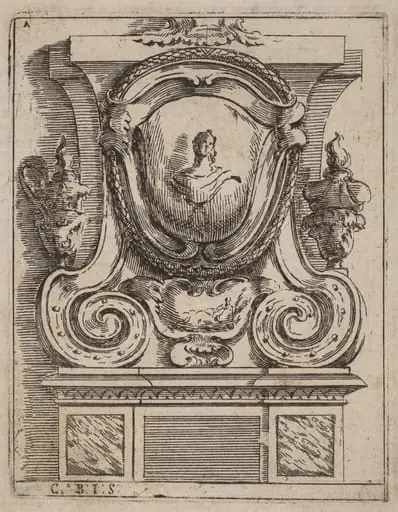 Architectural Motif with Bust and Two Lamps
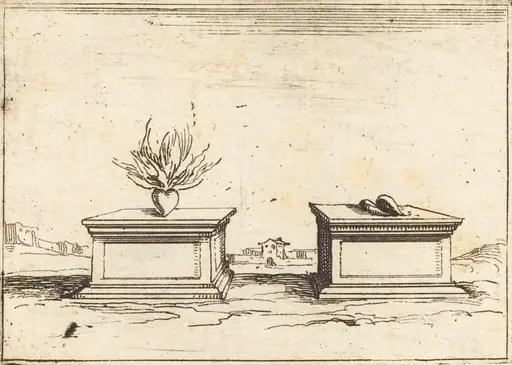 Two Hearts
 Rays of the Sun