Artwork
The Colosseum
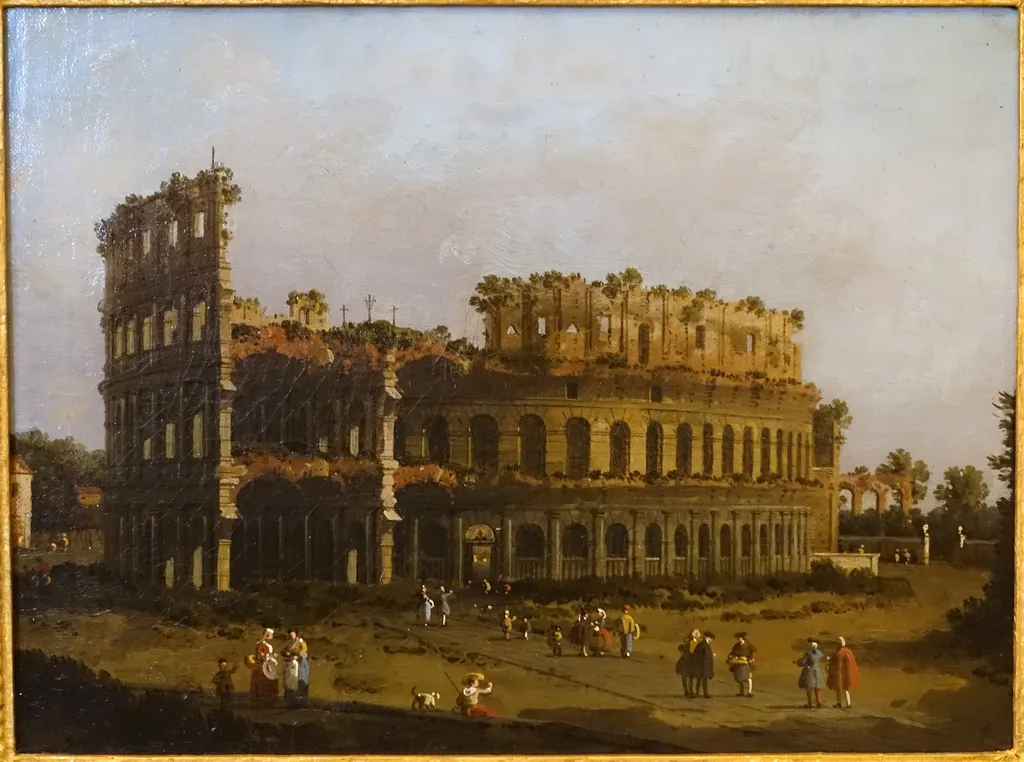
The Colosseum is an oil painting by the Rococo painting artist Canaletto. It dates from 1743 and is held in the collection of the Galleria Borghese.
About this work
Overview
The Colosseum, painted in 1743 by Giovanni Antonio Canal (Canaletto), is an oil-on-canvas depiction of the ancient Roman amphitheater, characteristic of the Rococo style with meticulous attention to architectural detail and atmospheric rendering.
Subject & Meaning
The painting focuses on the Colosseum, a symbol of ancient Roman engineering and history, set amidst a serene landscape with figures in the foreground, juxtaposing antiquity with everyday life, and highlighting the structure's enduring presence.
Technique & Style
Executed in Canaletto's signature detailed and realistic style, the work blends observed architectural precision with soft, atmospheric effects, particularly in the sky, reflecting his vedute tradition of capturing urban and monumental scenes.
History & Provenance
Part of Canaletto's series documenting historic monuments, The Colosseum is now housed in the Galleria Borghese, Rome, as part of its permanent collection.
Context
Created during Canaletto's active period in the 18th-century Venetian school, the painting catered to the growing interest in antiquity and Grand Tour destinations among European aristocracy and intellectuals.
Legacy
The Colosseum contributes to Canaletto's legacy as a premier vedutist, influencing subsequent depictions of historical architecture and contributing to the broader appreciation of Rome's ancient heritage in European art.
Artist & collection
Artist
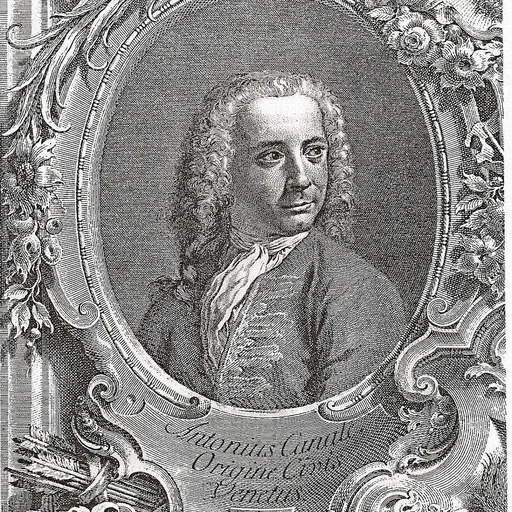
Giovanni Antonio Canal (18 October 1697 – 19 April 1768), commonly known as Canaletto (Italian: ), was an Italian painter from the Republic of Venice, considered an important member of the 18th-century Venetian school.

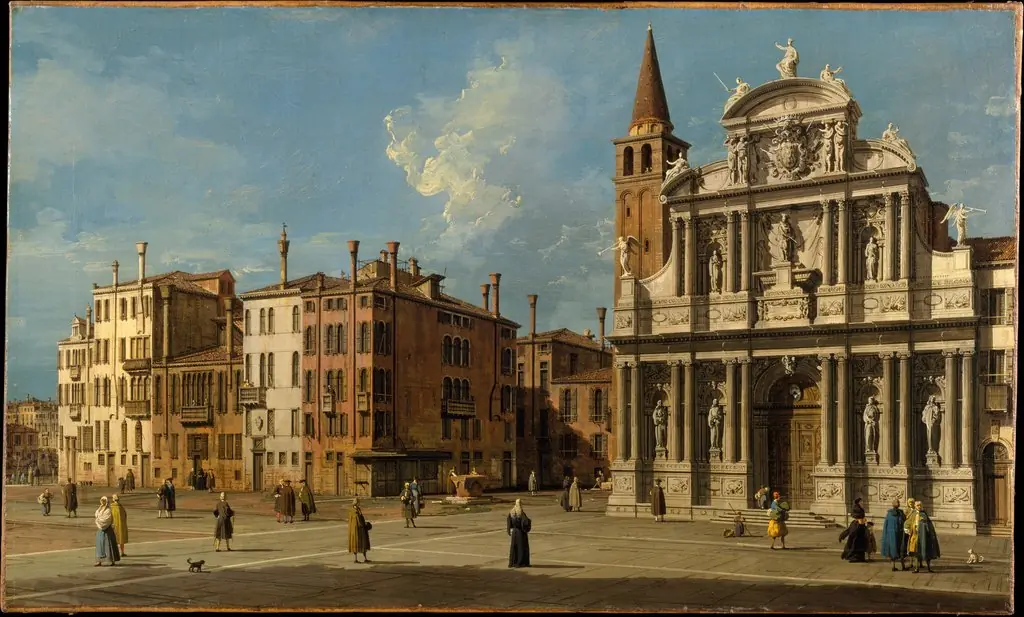
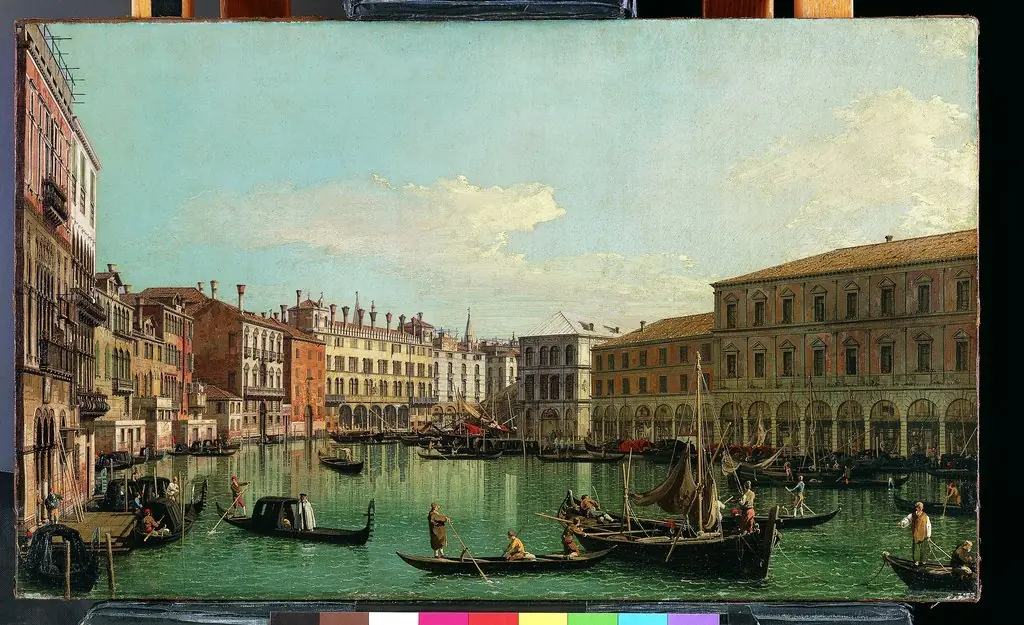
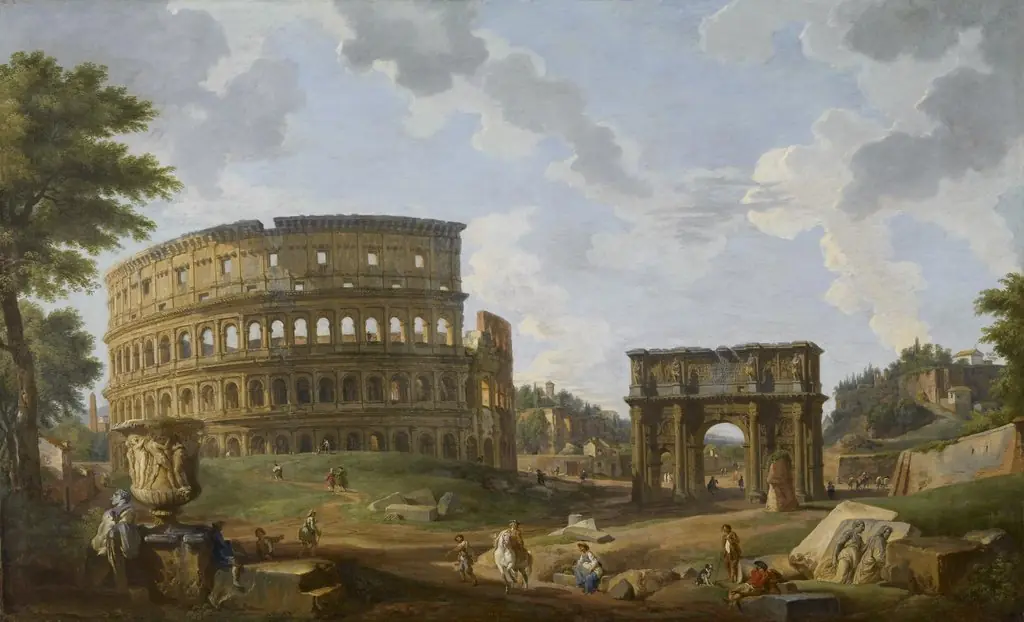 View of the Colosseum
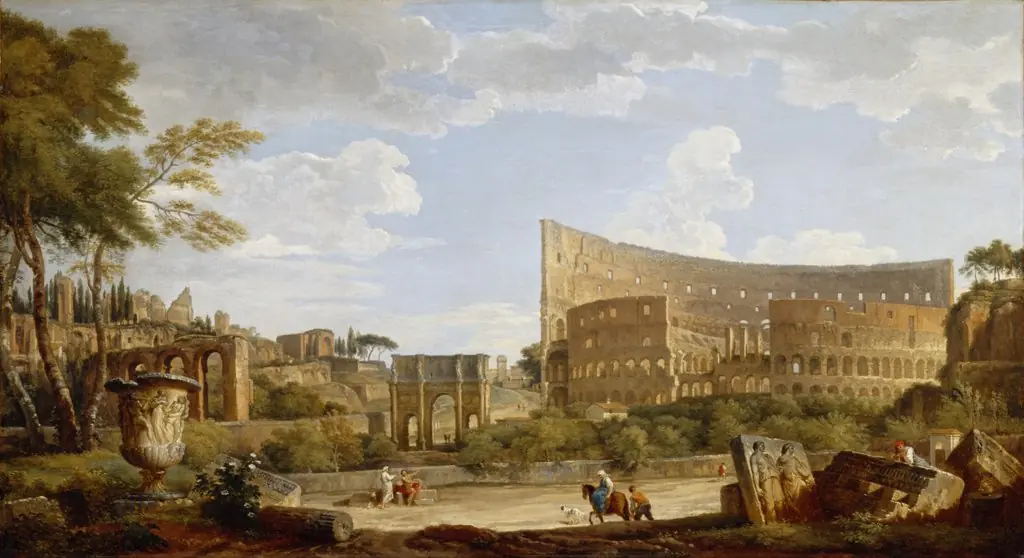 View of the Colosseum
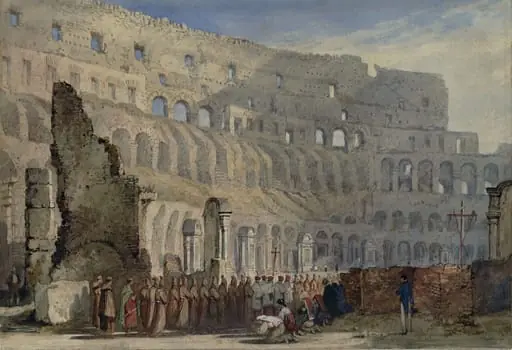 Colosseum, Rome
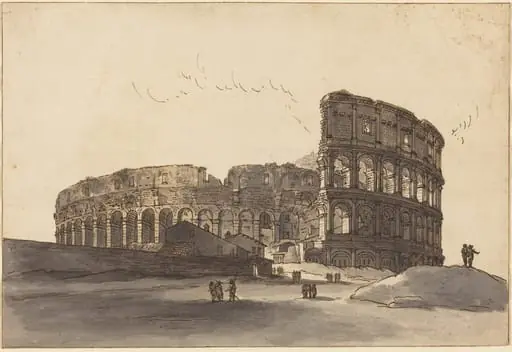 The Colosseum
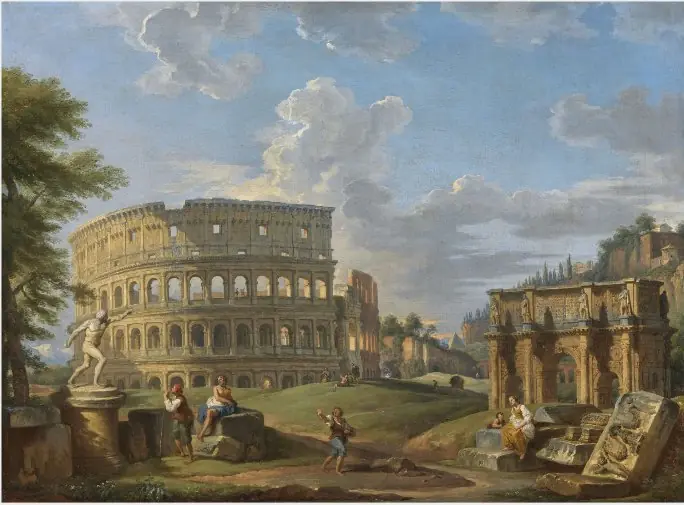 Landscape with the Colosseum and Arch of Constantine, Rome
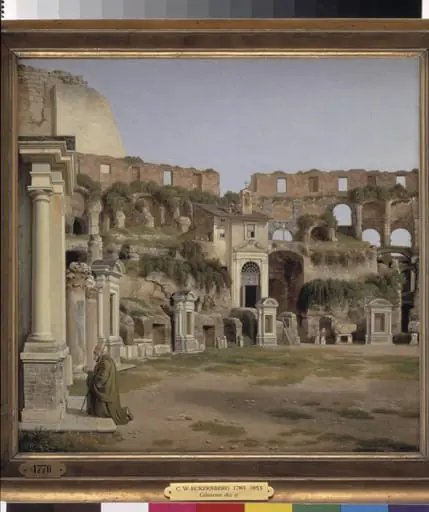 View of the Interior of the Colosseum
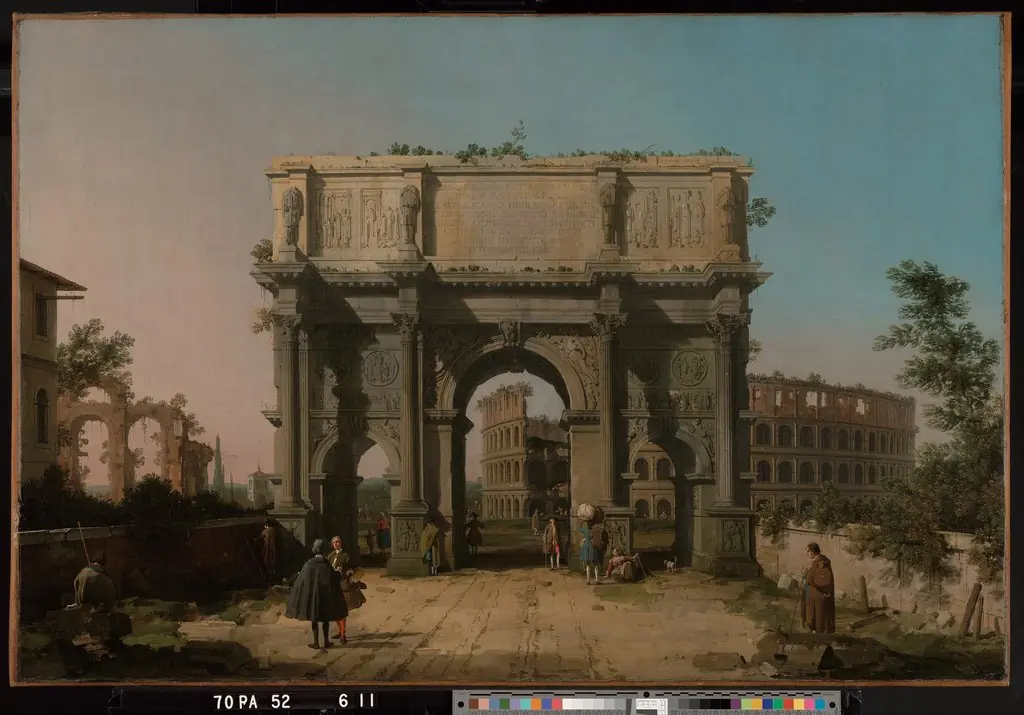 View of the Arch of Constantine with the Colosseum
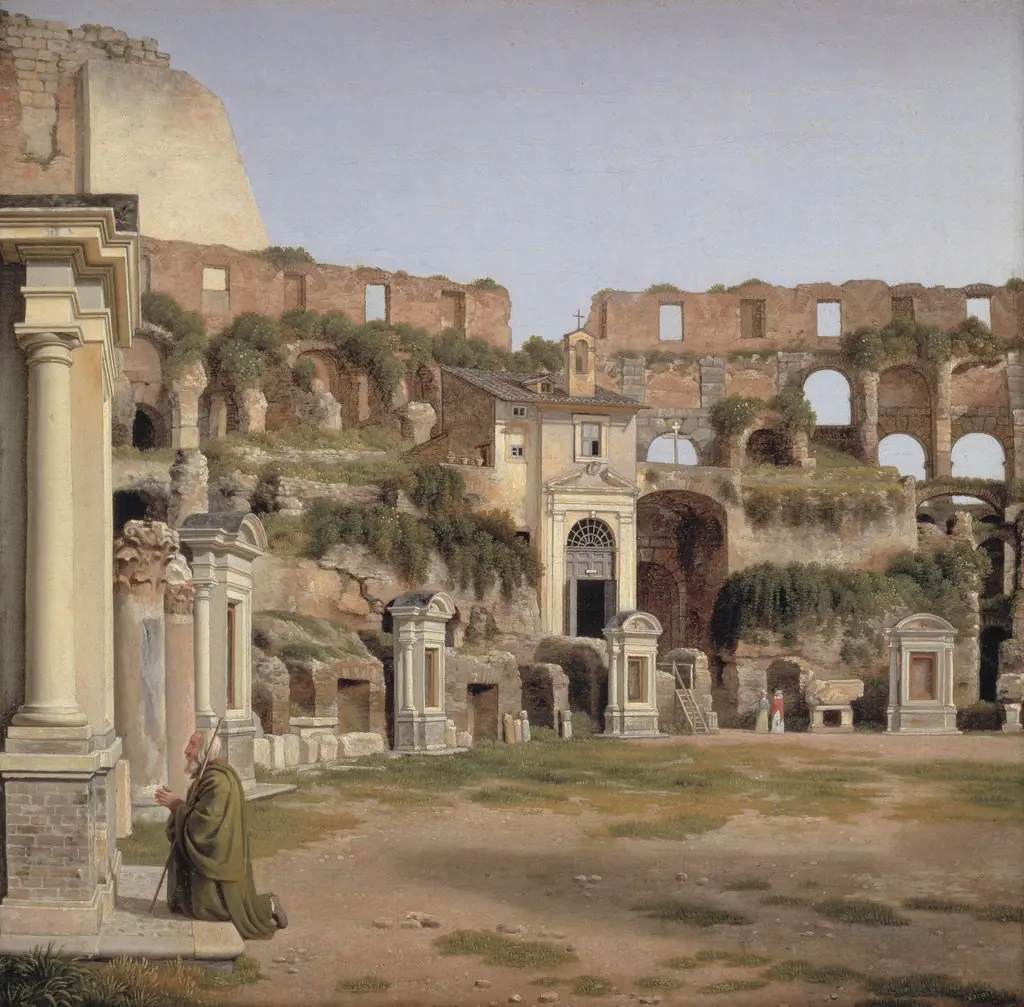 View of the Interior of the Colosseum
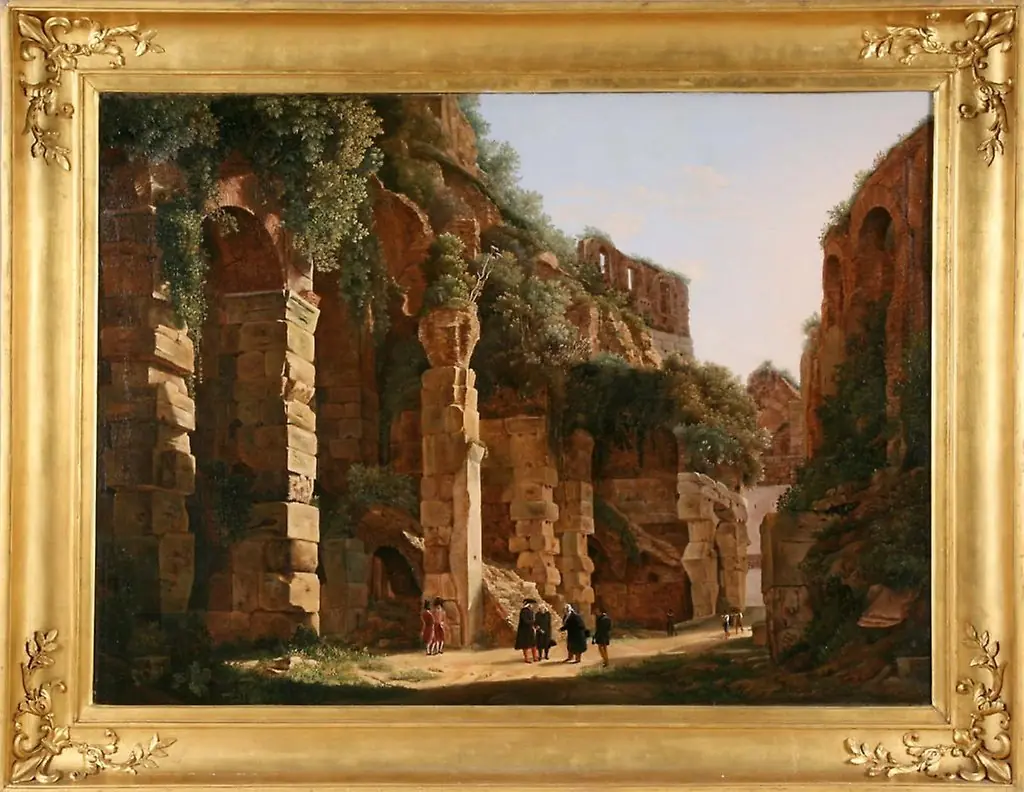 Inside the Colosseum
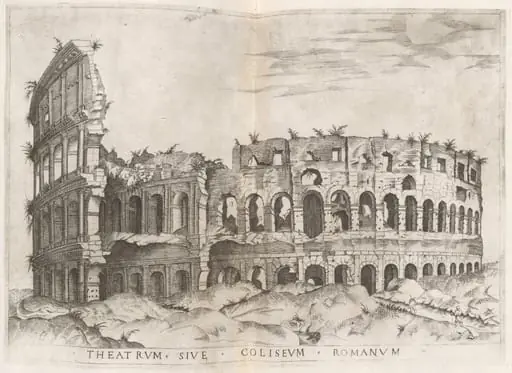 Colosseum
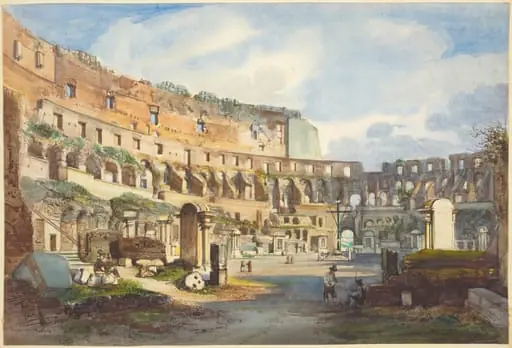 Interior of the Colosseum