Artwork
The Doge's Palace, Venice
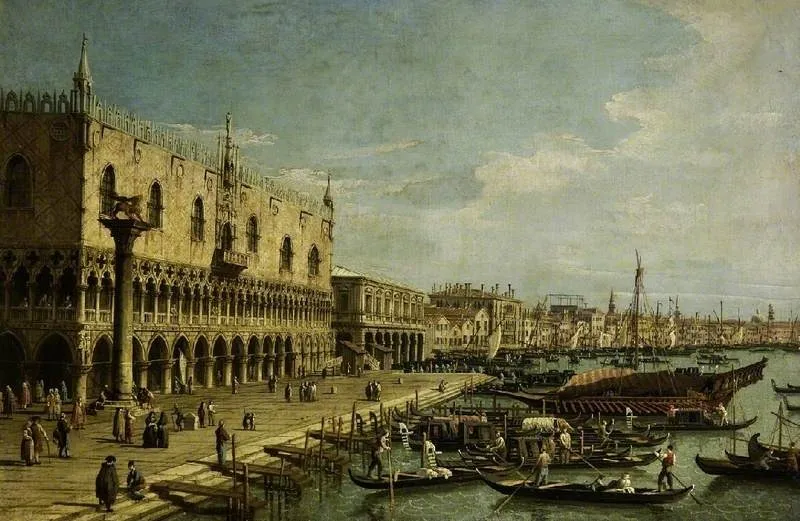
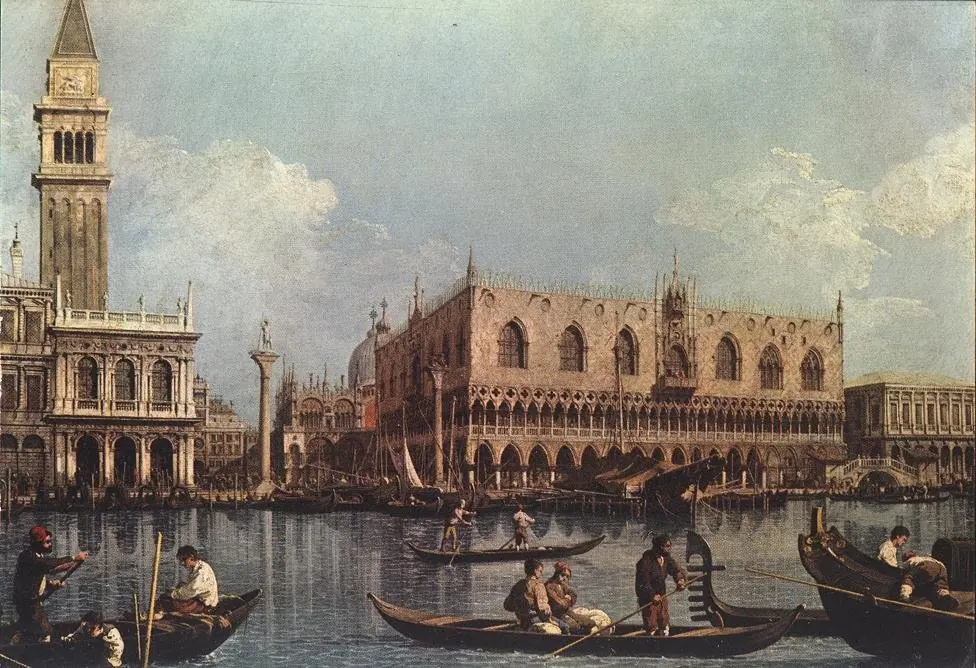
The Doge's Palace, Venice is an oil painting by Canaletto. It dates from 1737 and is held in the collection of the Fitzwilliam Museum.
About this work
Overview
As a leading practitioner of vedute, or topographical city views, he captured Venice’s architectural grandeur with precision and a subtle sense of atmosphere.
Painted circa 1737, this oil on canvas depicts the Doge’s Palace in Venice, one of Canaletto’s most recurring subjects. As a leading practitioner of vedute, or topographical city views, he captured Venice’s architectural grandeur with precision and a subtle sense of atmosphere. The work belongs to the Fitzwilliam Museum’s collection and exemplifies his mature style, blending factual accuracy with a refined sense of light and spatial harmony.
Subject & Meaning
The painting centers on the Doge’s Palace, the seat of Venetian political power, rendered with its characteristic arcaded façade facing the lagoon. Figures on the dock suggest daily civic life, grounding the monumental architecture in human activity. Rather than a mere record, the scene conveys Venice’s identity as a maritime republic—its authority, beauty, and enduring presence reflected in the calm waters and orderly composition.
Technique & Style
Canaletto employed oil paint to achieve fine detail and luminous color, using thin glazes to model light across stone surfaces. His brushwork is meticulous yet fluid, capturing the texture of carved stonework and the shimmer of water. While faithful to architectural reality, he subtly adjusted perspectives and lighting to enhance visual rhythm, creating a sense of idealized order that elevated the scene beyond mere documentation.
History & Provenance
The painting was likely produced during Canaletto’s peak years, when demand for Venetian views among Grand Tour travelers was high. It entered the Fitzwilliam Museum’s collection through established channels of 18th- and 19th-century British collecting. Its preservation reflects its early recognition as a representative example of Venetian veduta painting, valued for its clarity and historical resonance.
Context
In early 18th-century Venice, vedute emerged as a distinct genre, responding to both local pride and international interest in the city’s unique urban landscape. Canaletto’s work stood apart for its technical discipline and atmospheric sensitivity. His depictions of public spaces like the Doge’s Palace reinforced Venice’s image as a cultural and political center, even as its political power waned.
Legacy
Canaletto’s approach influenced later topographical painters and shaped how Venice was visually imagined abroad. His works became reference points for architects and travelers alike, contributing to a lasting visual record of the city. Though his style was later seen as restrained compared to more expressive contemporaries, his precision and compositional control remain central to the study of 18th-century European landscape painting.
Artist & collection
Artist
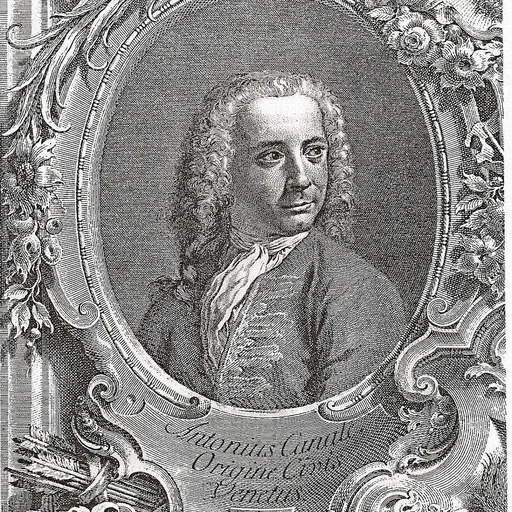
Giovanni Antonio Canal (18 October 1697 – 19 April 1768), commonly known as Canaletto (Italian: ), was an Italian painter from the Republic of Venice, considered an important member of the 18th-century Venetian school.

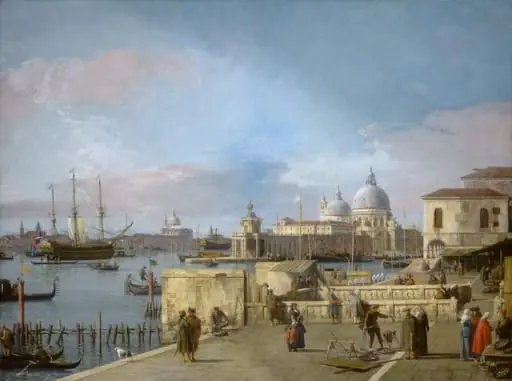
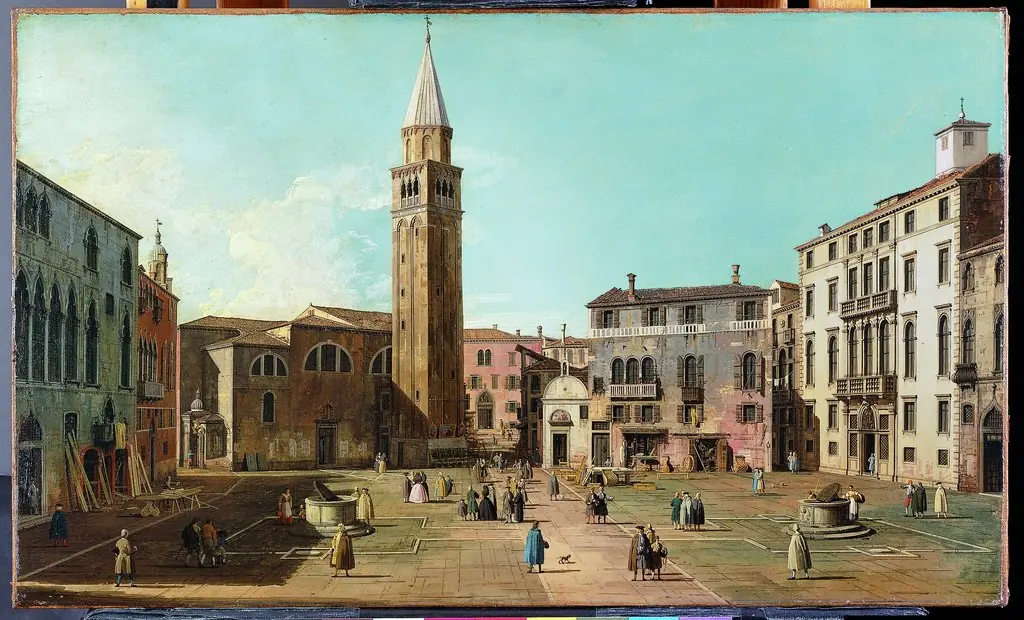
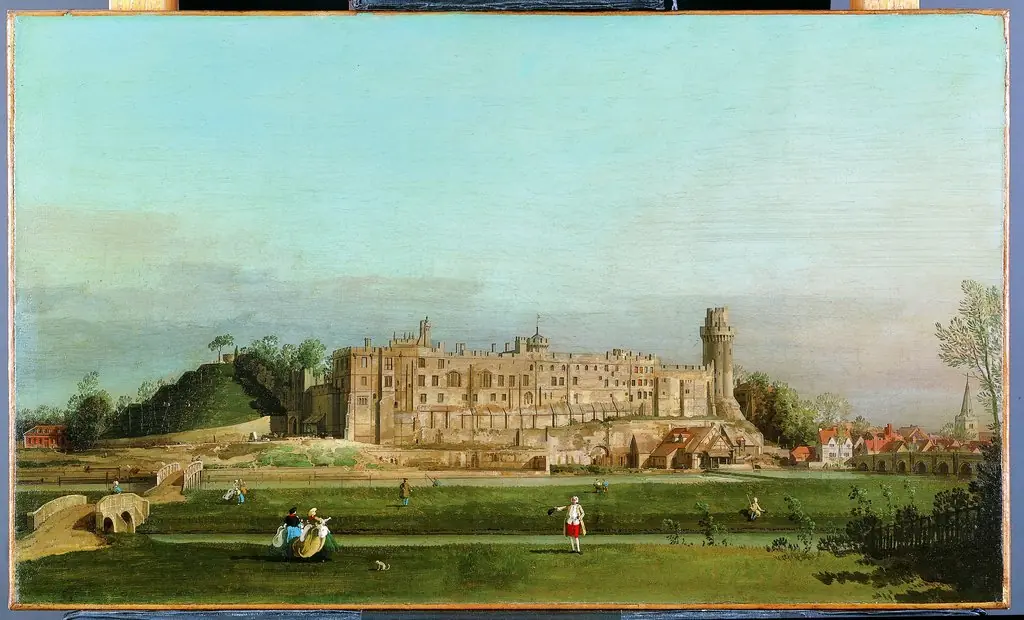
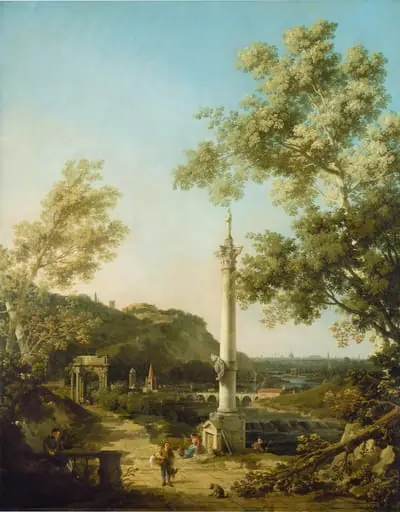
 View of the Bacino di San Marco from the Punta della Dogana
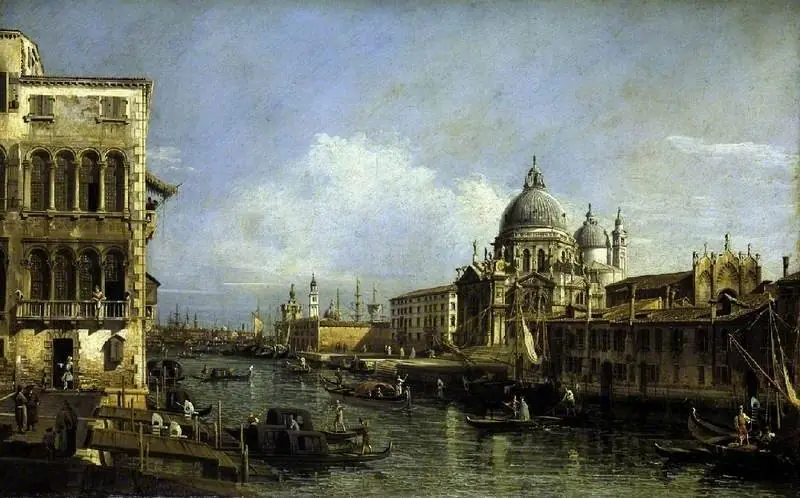 A View at the Entrance of the Grand Canal, Venice
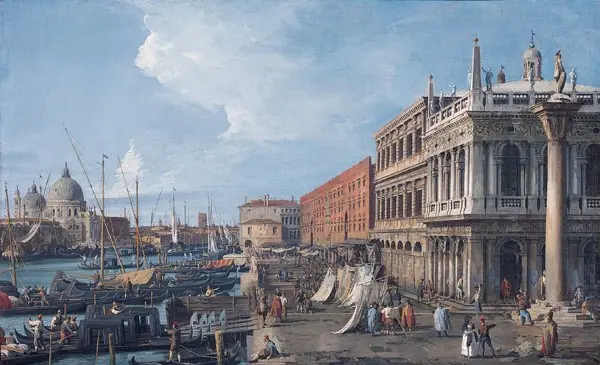 The Molo, Venice
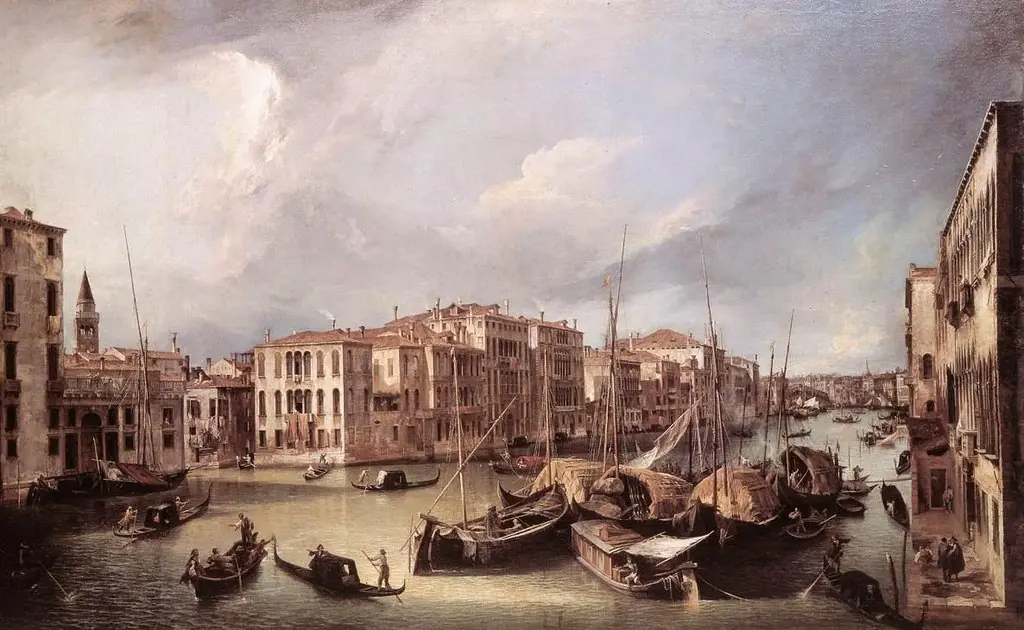 Grand Canal: Looking North-East toward the Rialto Bridge
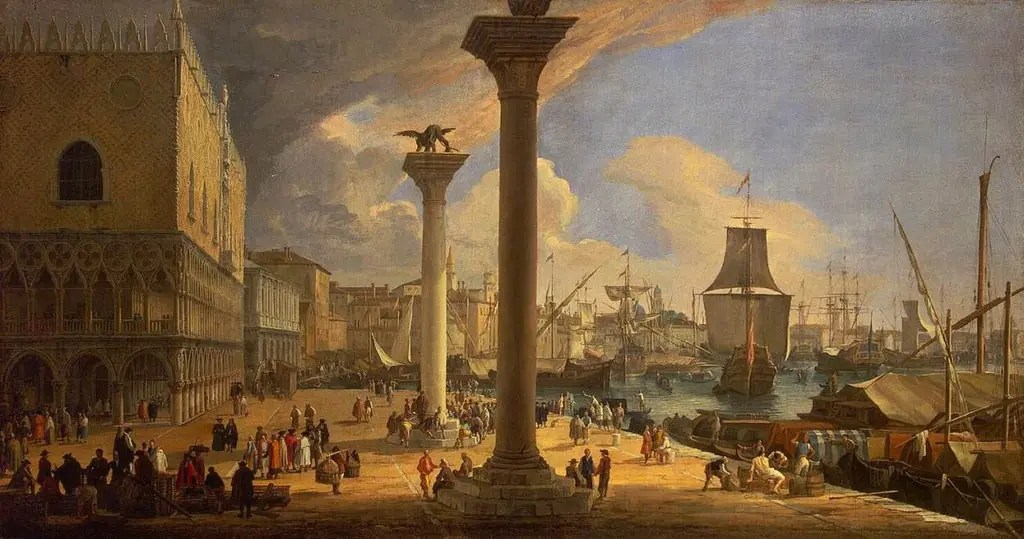 Mole with the Doges' Palace
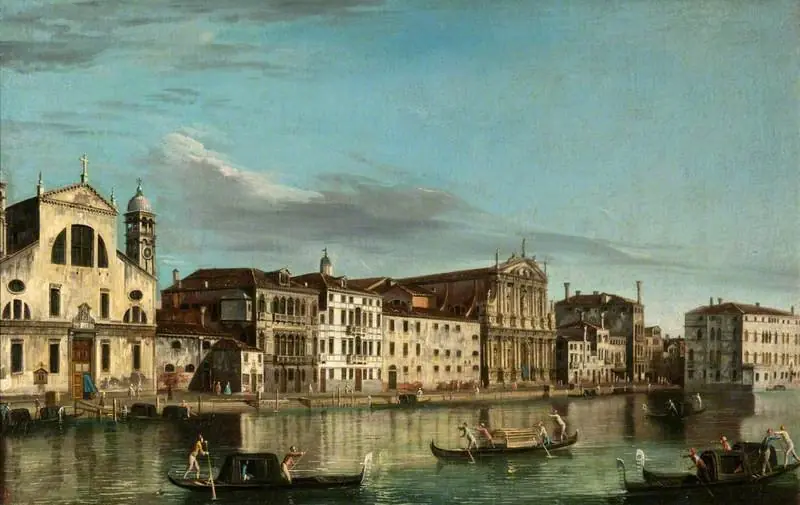 The Grand Canal: Santa Lucia and the Church of the Scalzi, Venice
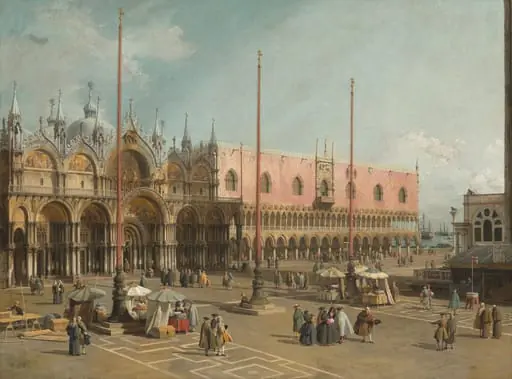
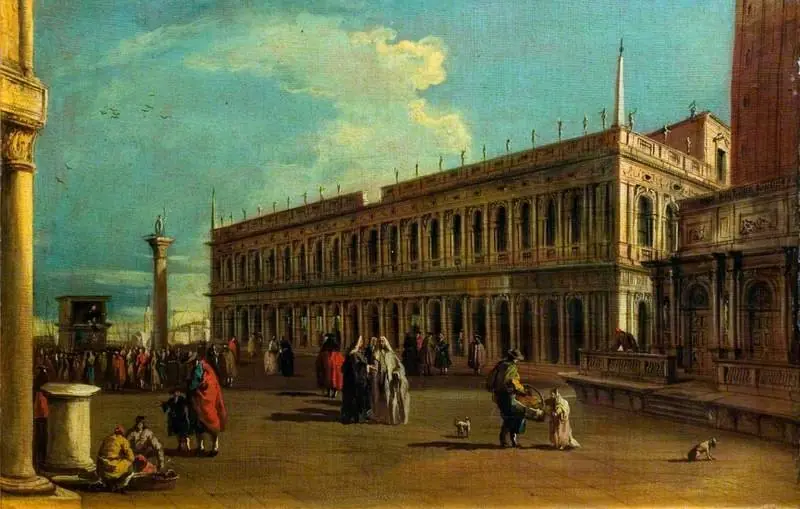 Venice: The Piazzetta
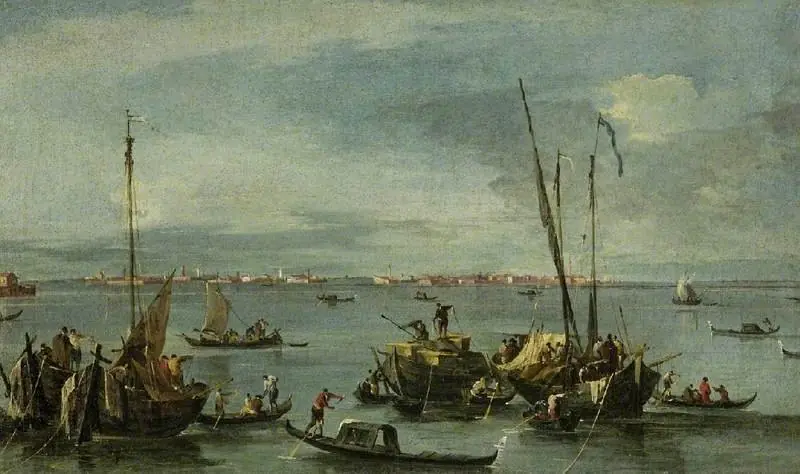 View towards Murano from the Fondamente Nuove, Venice