Artwork
Death of the Virgin
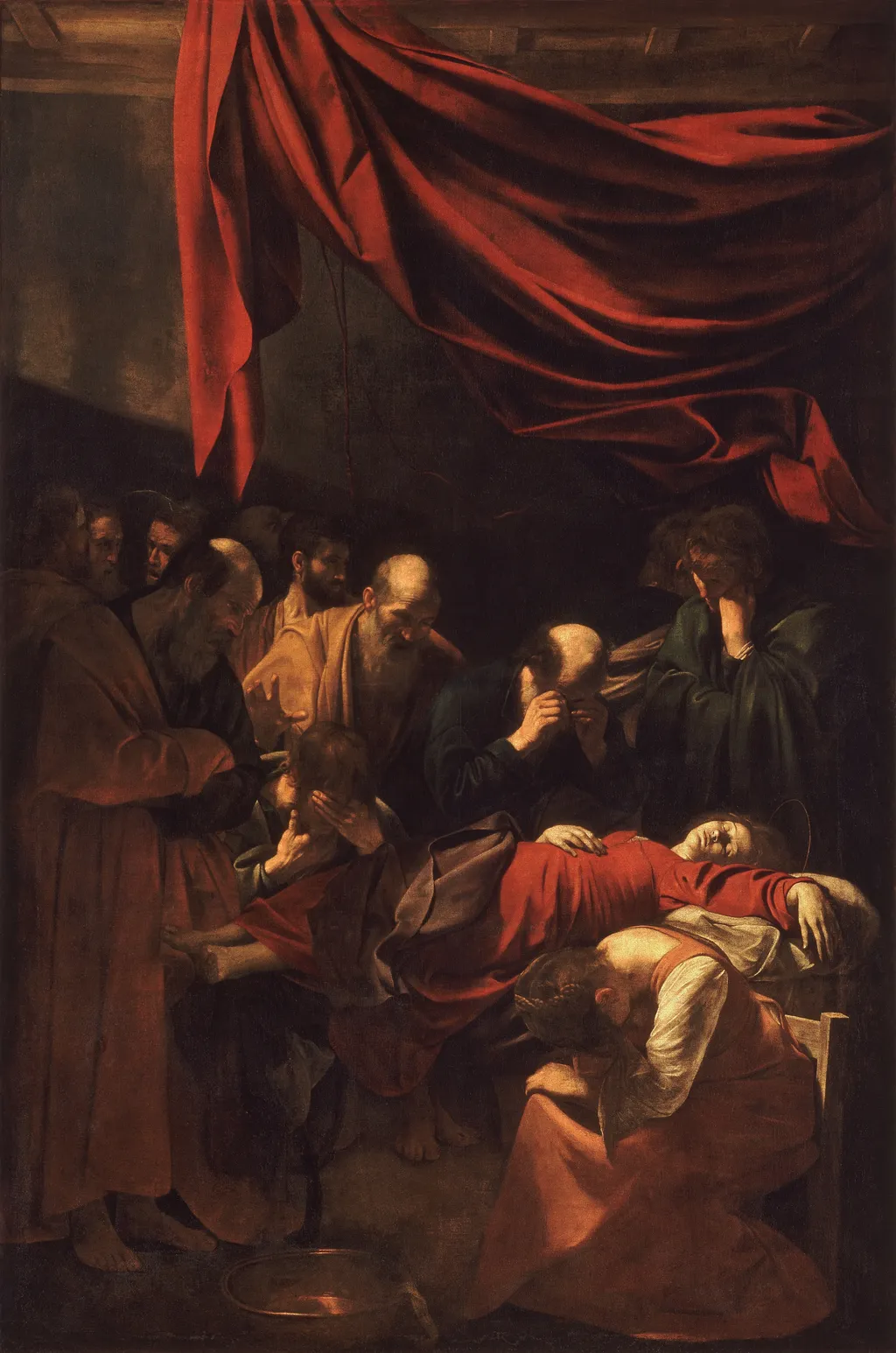
Death of the Virgin is an oil painting by the Baroque artist Caravaggio. It dates from 1603 and is held in the collection of the Department of Paintings of the Louvre.
About this work
Overview
Caravaggio’s Death of the Virgin, executed in oil on canvas around 1604–1606, portrays the final moments of Mary, mother of Christ. The work belongs to the Louvre’s collection in Paris and exemplifies the artist’s mature Baroque phase, where narrative drama is conveyed through stark realism and intimate composition.
Subject & Meaning
The scene gathers a small group of mourners around a woman lying on a bed, her body swathed in red garments and a crimson veil. The composition emphasizes human sorrow rather than divine transcendence, inviting viewers to contemplate mortality and the personal grief surrounding the Virgin’s passing.
Technique & Style
Caravaggio employs his characteristic chiaroscuro, contrasting deep shadows with illuminated flesh to heighten the emotional intensity. The figures are rendered with meticulous detail, each posture distinct, and the tactile textures of cloth and skin are convincingly modeled, reinforcing the painting’s naturalistic, almost documentary quality.
History & Provenance
Created in the early 17th century, the canvas entered the French national collection during the 19th century and has been on permanent display at the Musée du Louvre. Its provenance reflects the shifting appreciation of Caravaggio’s work from controversial religious commissions to celebrated museum holdings.
Context
The painting belongs to a period when Caravaggio was redefining religious imagery, moving away from idealized forms toward gritty, humanized depictions. By situating the Virgin’s death within a domestic setting, he aligns the sacred narrative with contemporary experiences of loss, a hallmark of Baroque sensibility.
Own this work as a print
Artist & collection
Artist
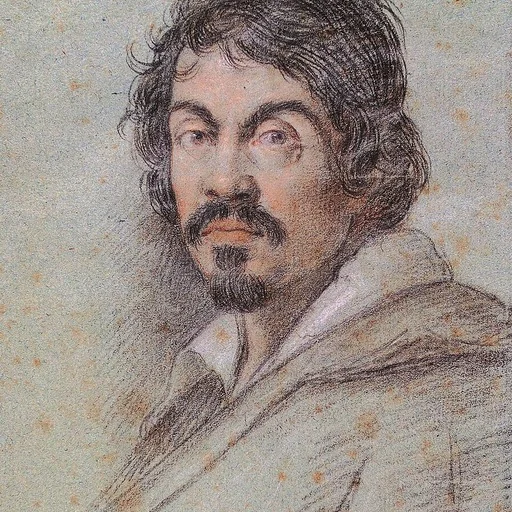
Michelangelo Merisi da Caravaggio (also Michele Angelo Merigi or Amerighi da Caravaggio; 29 September 1571 – 18 July 1610), known mononymously as Caravaggio, was an Italian painter active in Rome for most of his artistic life.

Museum
Department of Paintings of the Louvre
Continue through works from the same source collection.
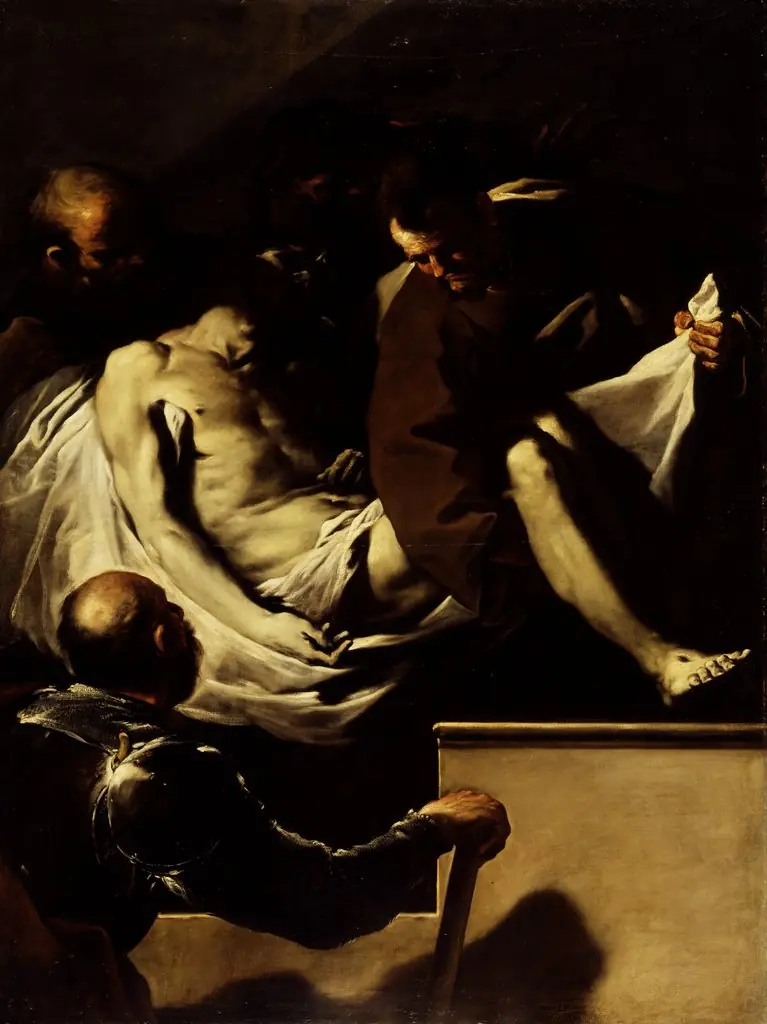 Entombment of Christ
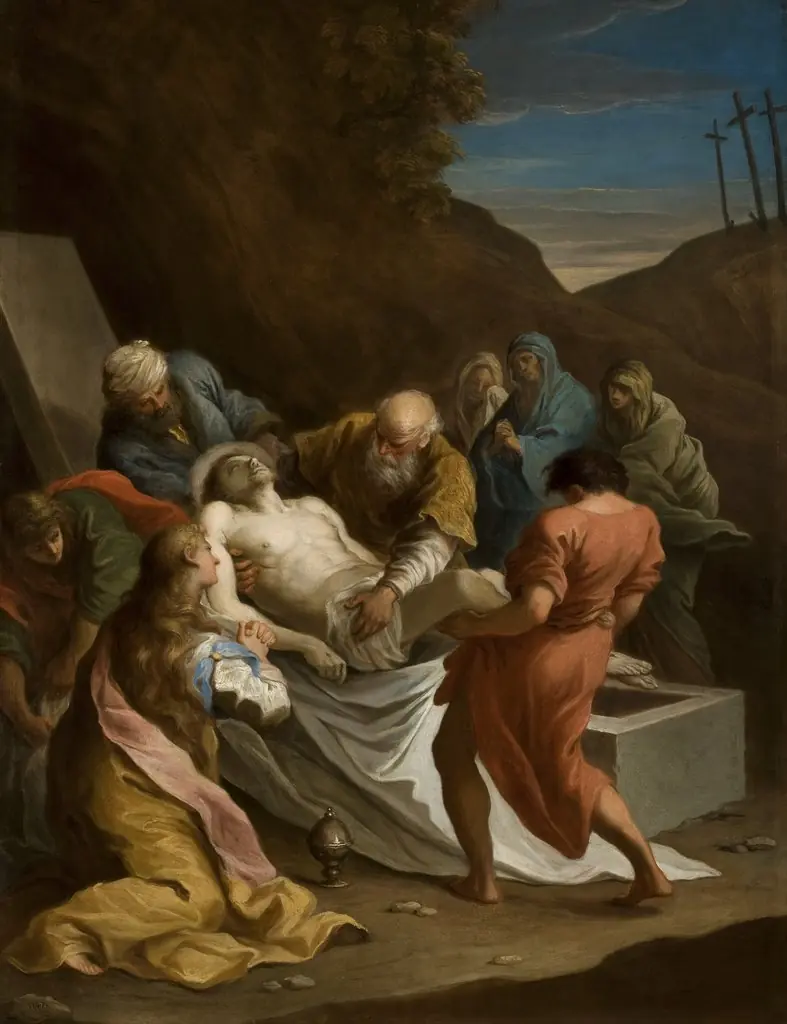 The Entombment
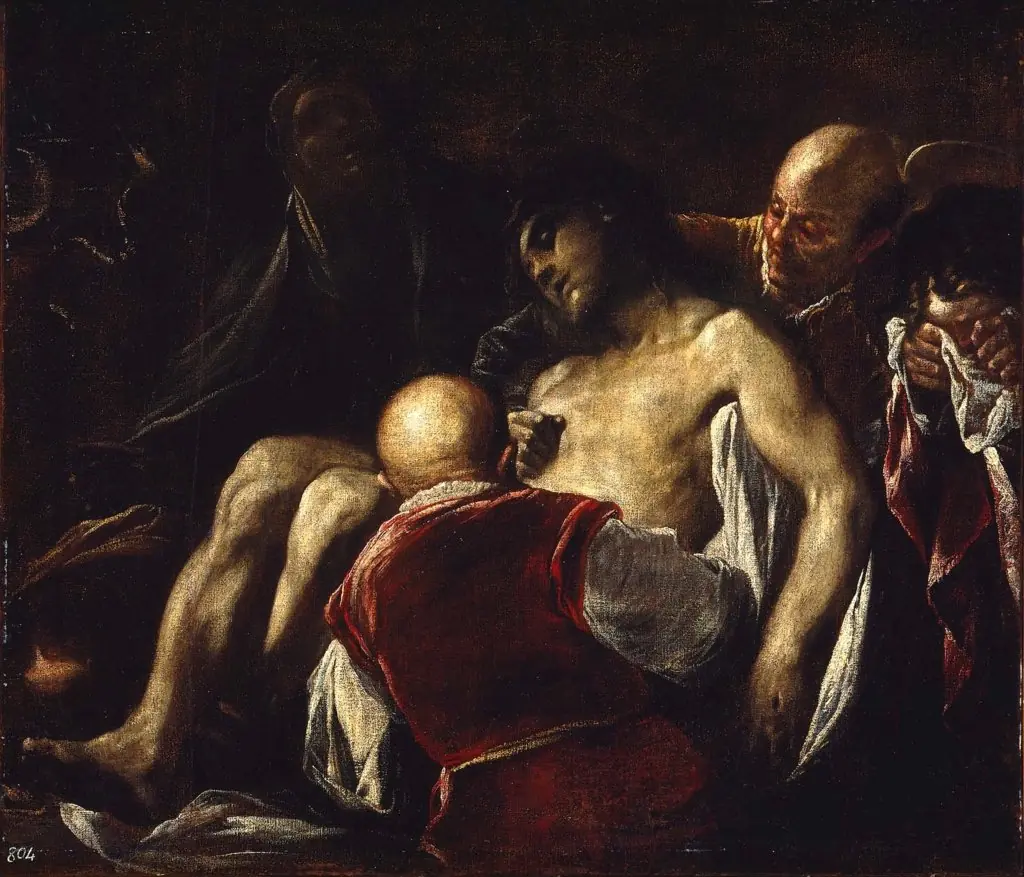 The Entombment of Christ
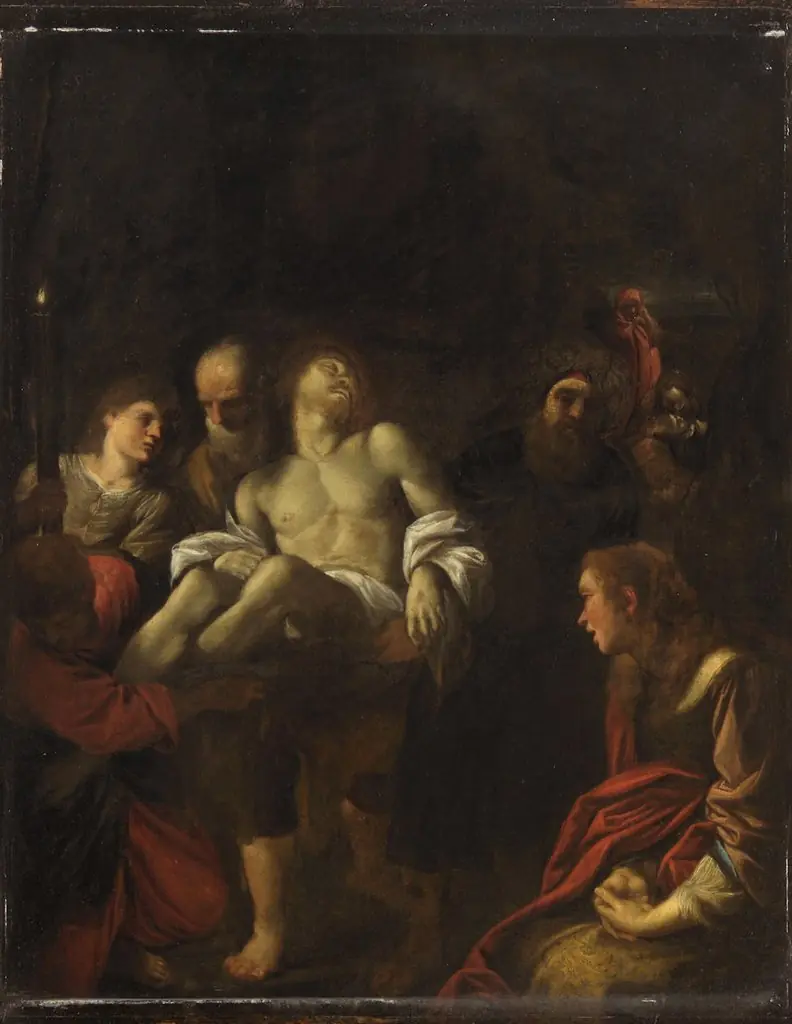 Entombment of Christ
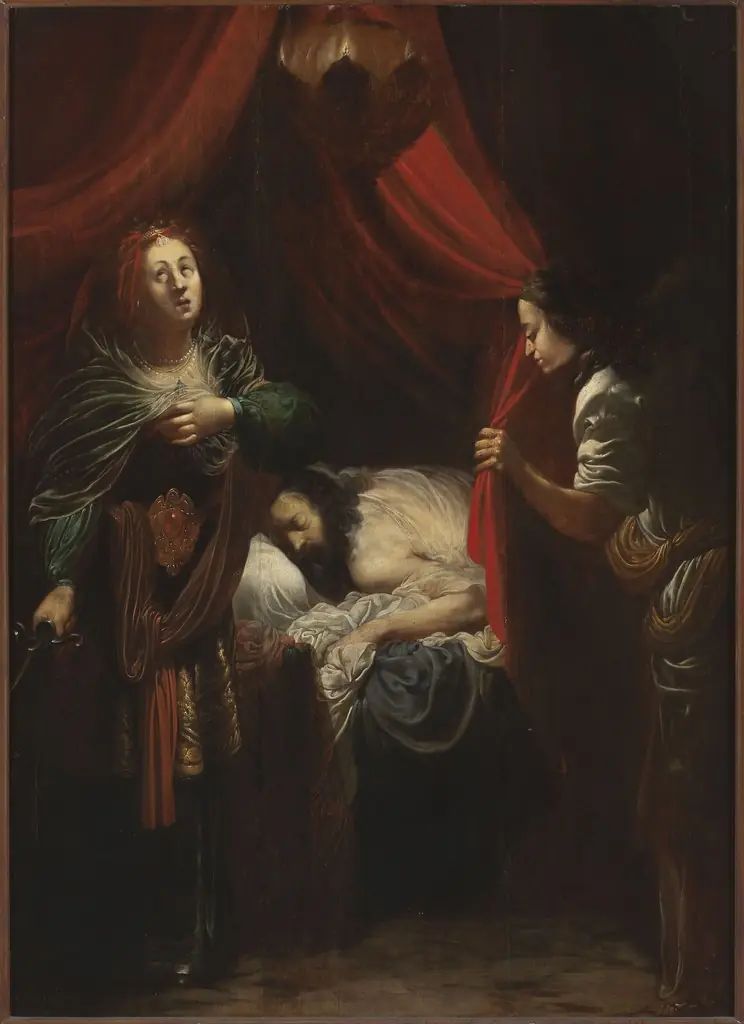 Judith in the tent of Holofernes (Judith 13:4-6)
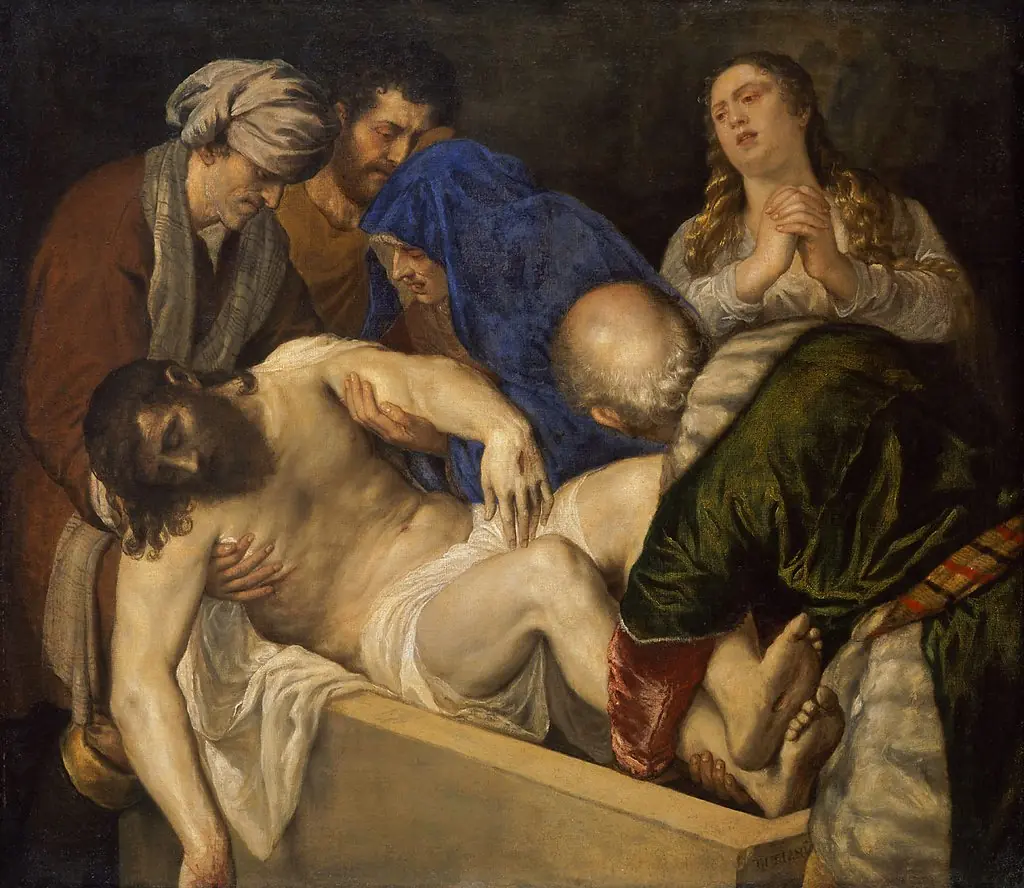 Entombment of Christ
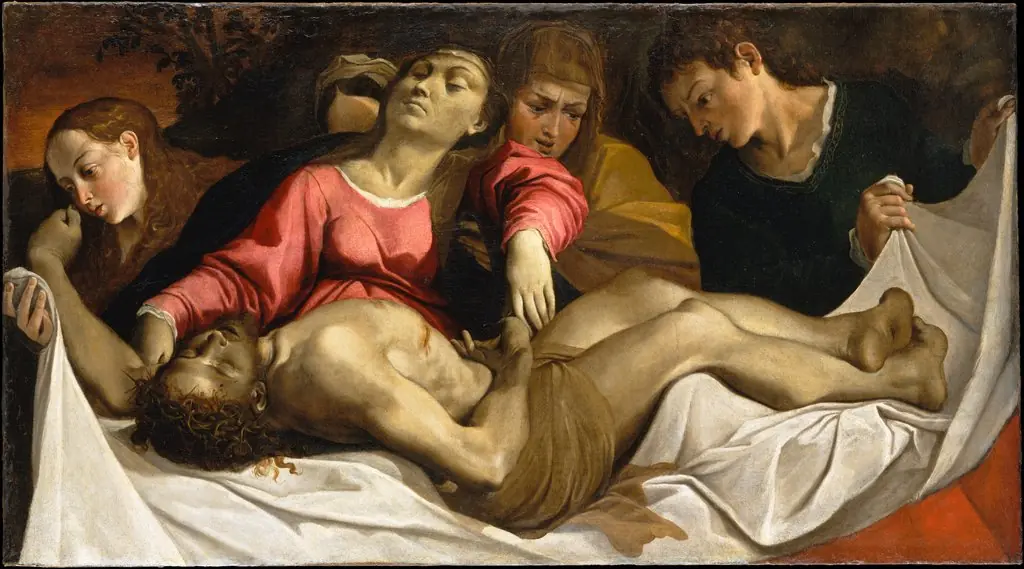 The Lamentation
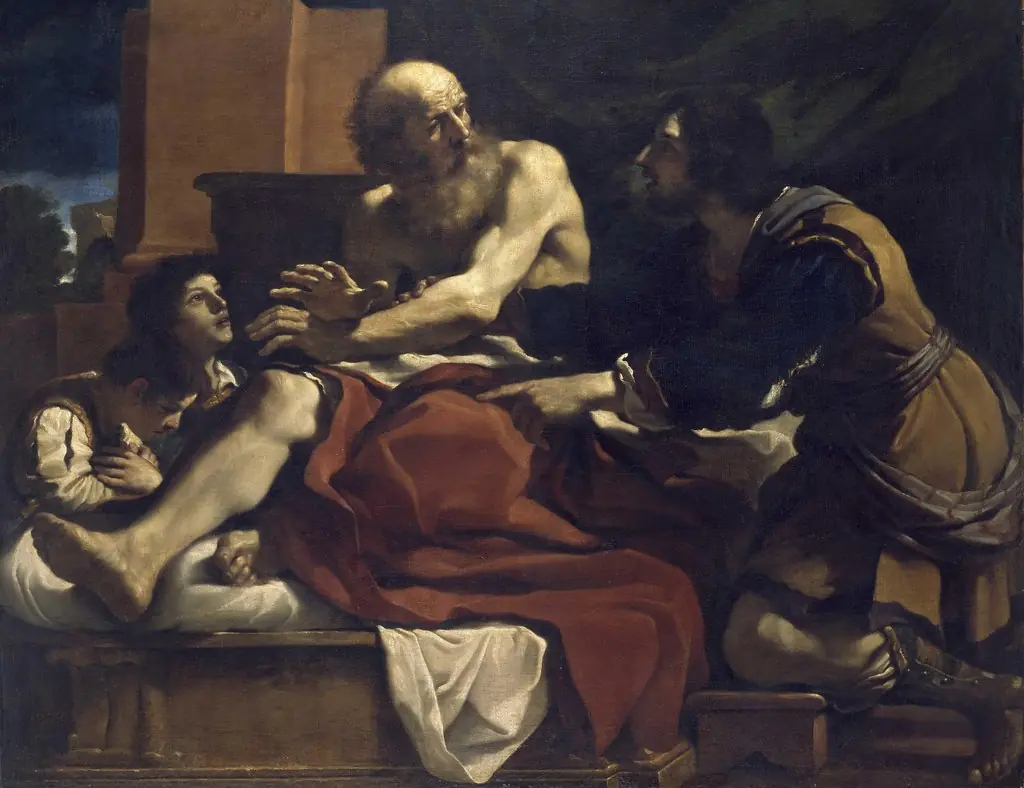 Jacob Blessing the Sons of Joseph
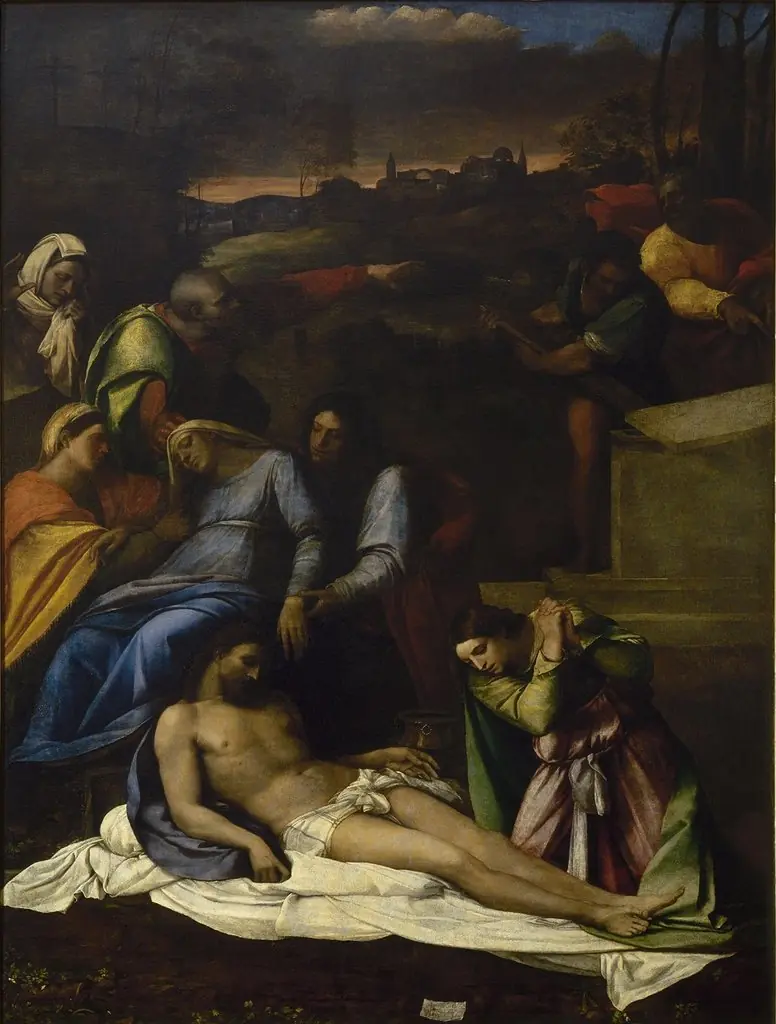 The Lamentation
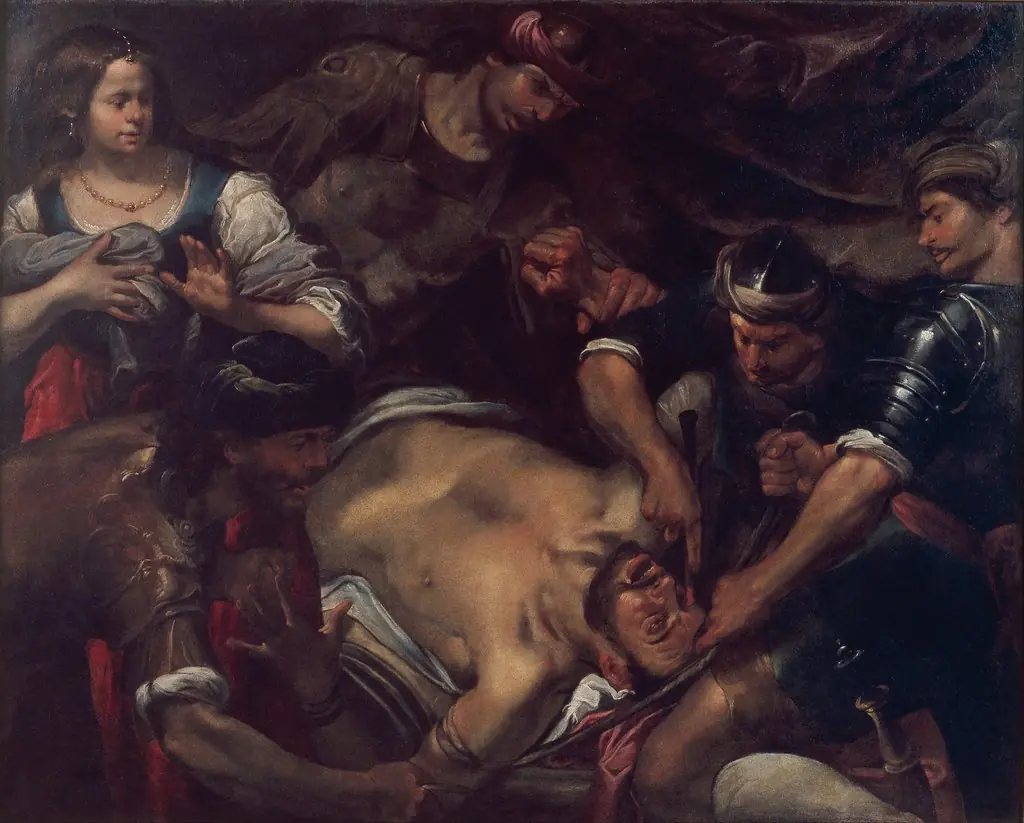 The Philistines Gouging out Samson's Eyes
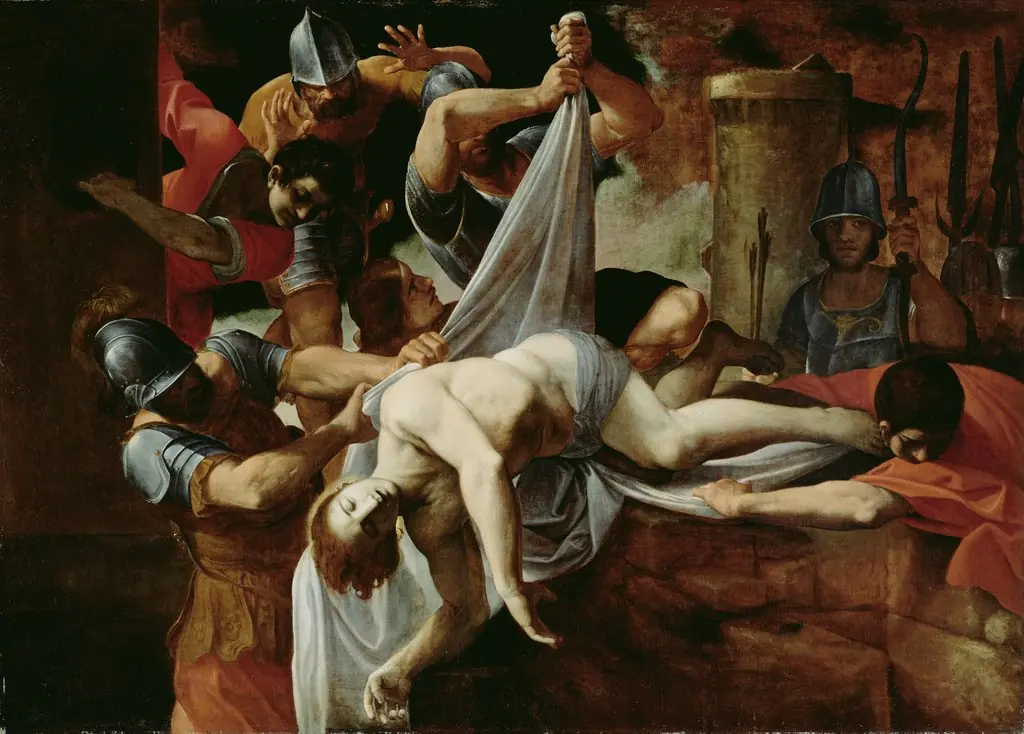 St. Sebastian Thrown into the Cloaca Maxima
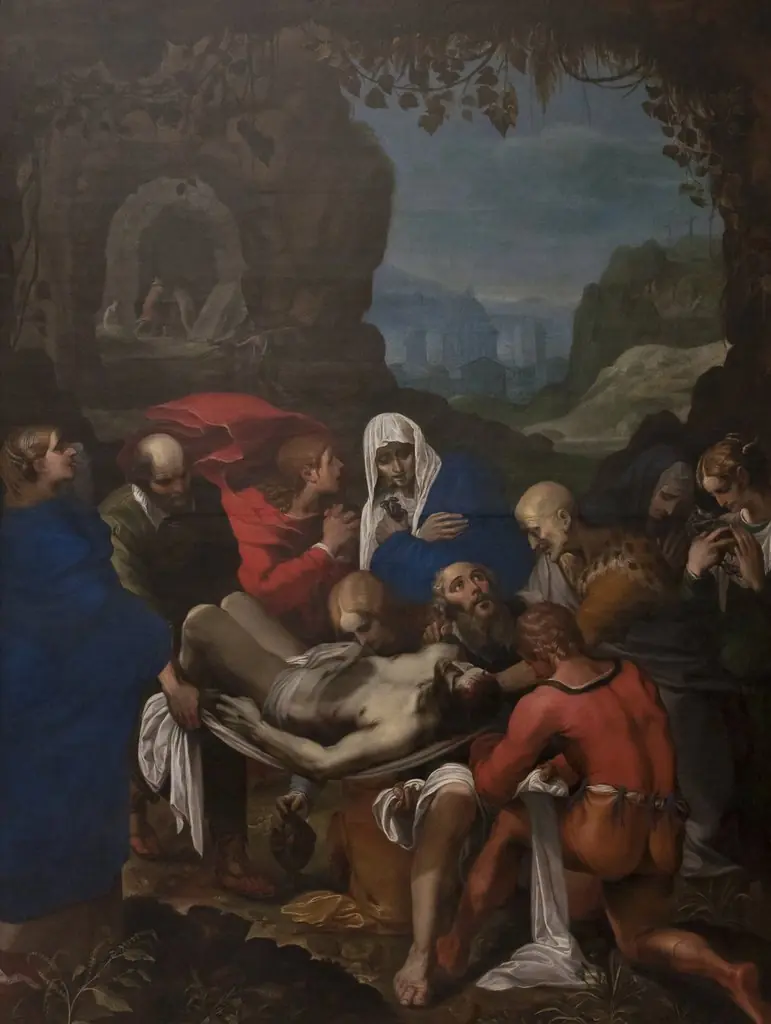 The entombment