Artwork
The Philistines Gouging out Samson's Eyes
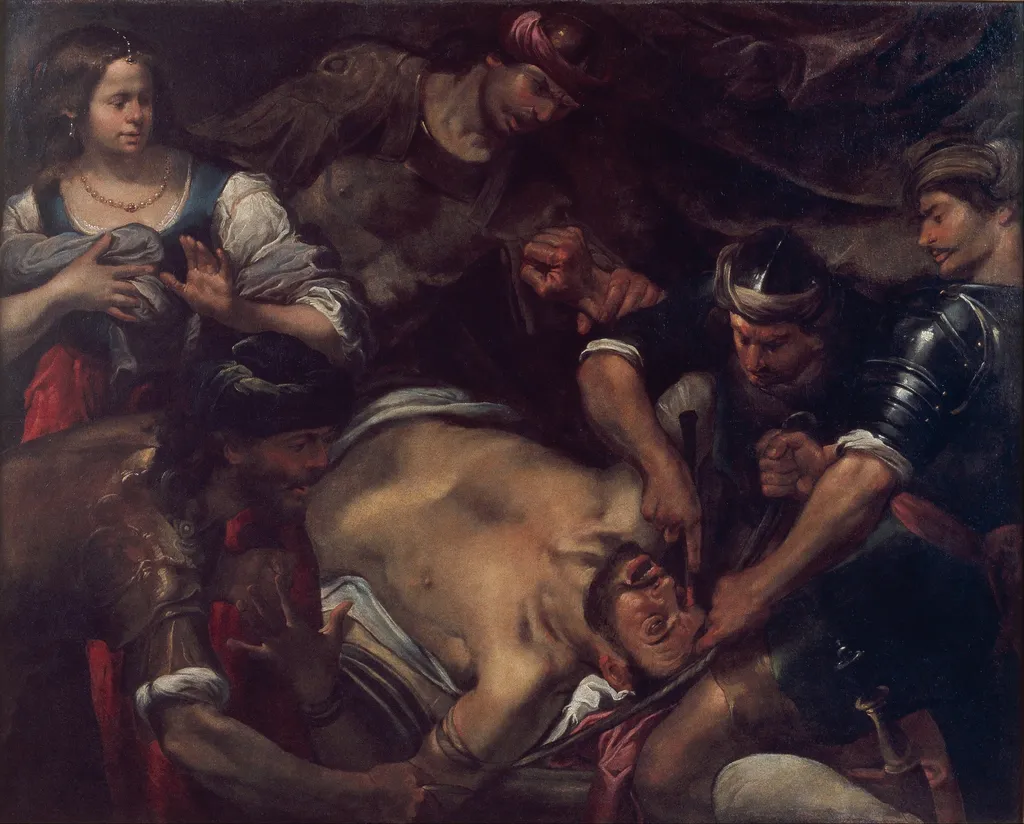
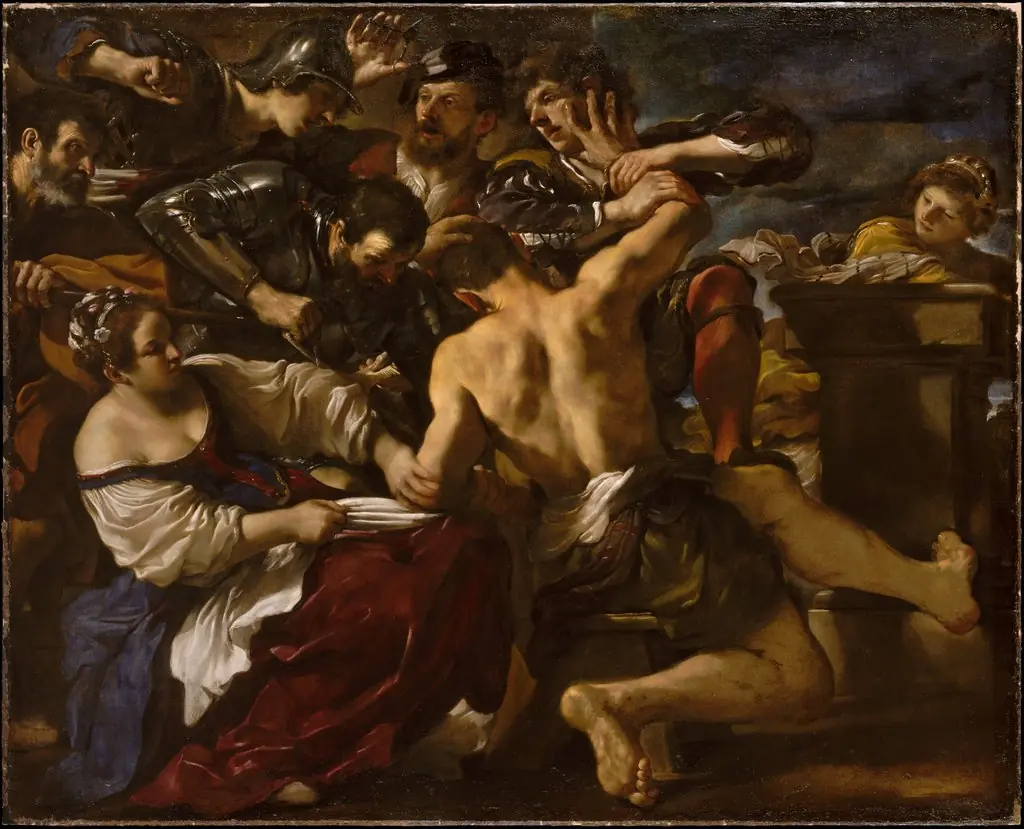
The Philistines Gouging out Samson's Eyes is an oil painting by the Early Baroque Italian artist Gioacchino Assereto. It is held in the collection of the Museu Nacional d'Art de Catalunya.
About this work
Overview
Painted around 1650 by Genoese artist Gioacchino Assereto, this oil-on-canvas work illustrates a violent episode from the Book of Judges.
Painted around 1650 by Genoese artist Gioacchino Assereto, this oil-on-canvas work illustrates a violent episode from the Book of Judges. It captures the moment Samson, having been betrayed by Delilah, is blinded by Philistine captors. The painting is part of the collection at the Museu Nacional d'Art de Catalunya, where it stands as a representative example of early Baroque narrative painting in Ligurian circles.
Subject & Meaning
The scene depicts Samson’s downfall after his strength is stolen through deception. Surrounded by armed Philistines, he is immobilized as one assailant uses a sharp instrument to remove his eyes. The absence of Delilah in the frame shifts focus to the brutality of the act, emphasizing themes of betrayal, divine retribution, and the fragility of human power when separated from spiritual strength.
Technique & Style
Assereto employs strong chiaroscuro to heighten the drama, contrasting deep shadows with pools of light on the figures’ straining limbs and faces. The palette is rich but restrained, dominated by earth tones and muted reds. Brushwork is precise yet urgent, capturing the physical tension of the moment through twisted postures and furrowed brows, characteristic of Genoese Baroque naturalism.
History & Provenance
The painting entered the Museu Nacional d'Art de Catalunya’s collection in the early 20th century, likely through acquisitions of Spanish and Italian works from private collections. Its presence in Catalonia reflects broader 19th-century European interest in Baroque religious narratives. No earlier documentation of its ownership is widely recorded, but its condition suggests it remained in private hands until institutional acquisition.
Context
Created during a period when Genoese painters responded to Caravaggio’s influence, Assereto’s work aligns with a regional trend toward emotionally charged biblical scenes. The emphasis on physical realism and psychological intensity reflects Counter-Reformation demands for vivid, morally unambiguous imagery, intended to move viewers through direct emotional engagement rather than idealized beauty.
Legacy
While not widely reproduced, the painting remains a significant example of Genoese Baroque historiography. It contributes to understanding how Italian artists outside Rome and Venice interpreted biblical violence with psychological depth. Its preservation in Barcelona underscores the transregional circulation of early modern religious art beyond its place of origin.
Own this work as a print
Artist & collection
Artist
Gioacchino Assereto (1600 – 28 June 1649) was an Italian painter of the early Baroque period and one of the most prominent history painters active in Genoa in the first half of the 17th century.

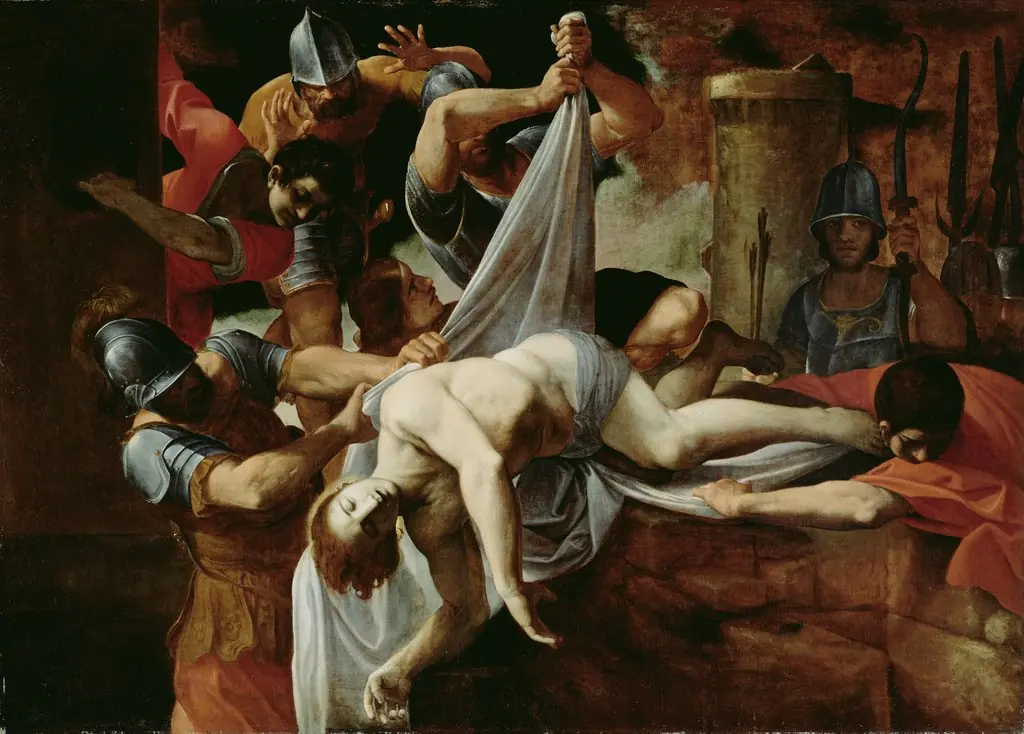 St. Sebastian Thrown into the Cloaca Maxima
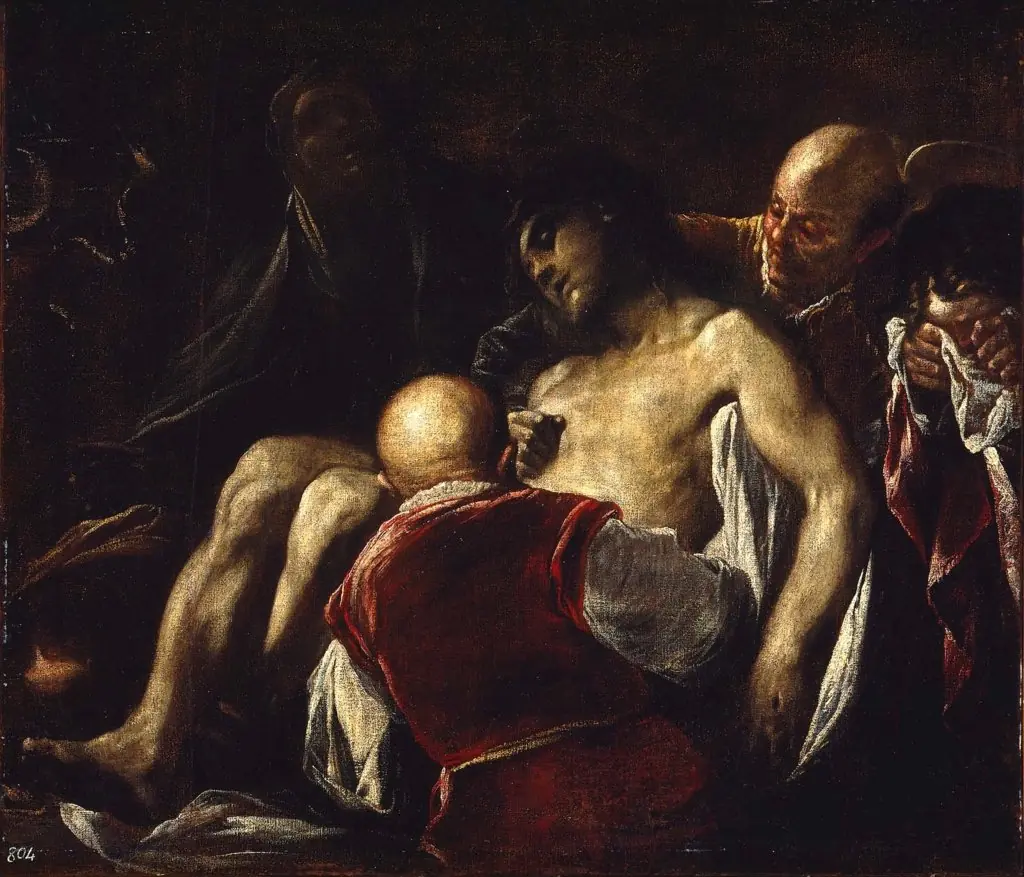 The Entombment of Christ
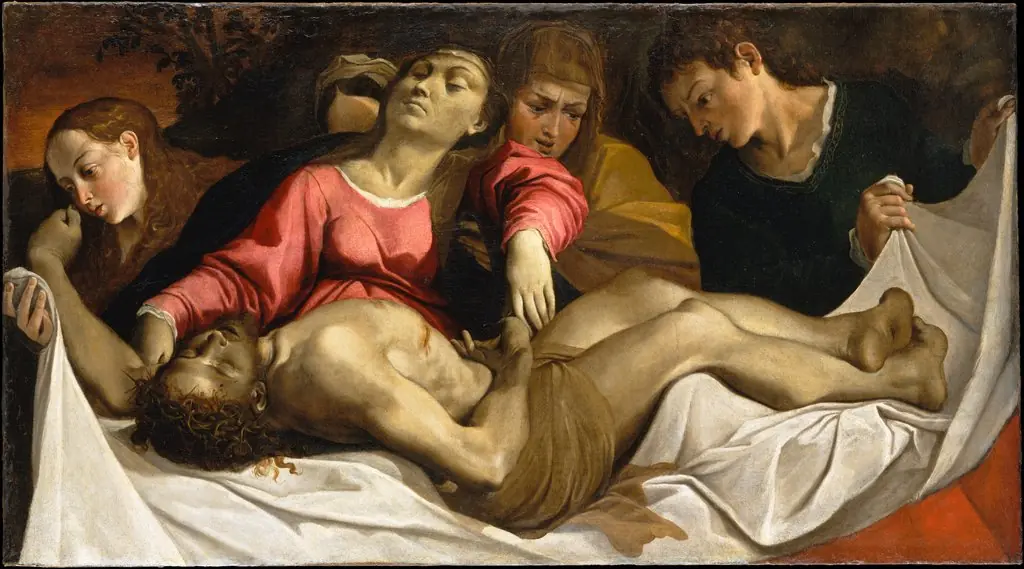 The Lamentation
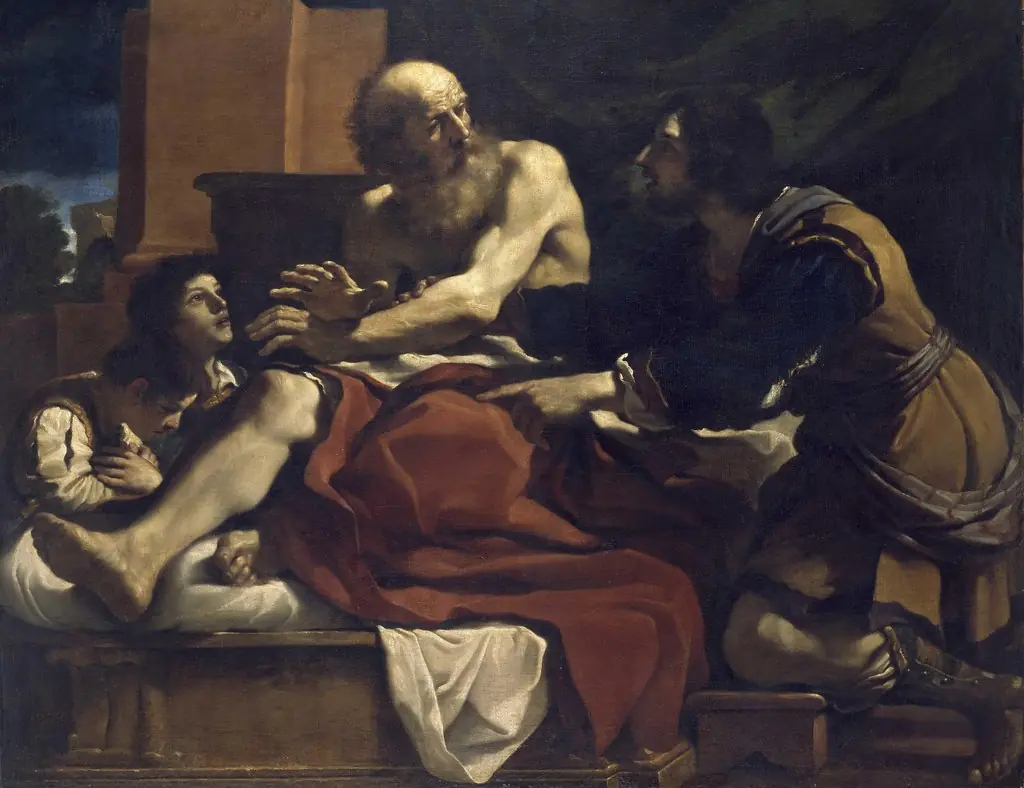 Jacob Blessing the Sons of Joseph
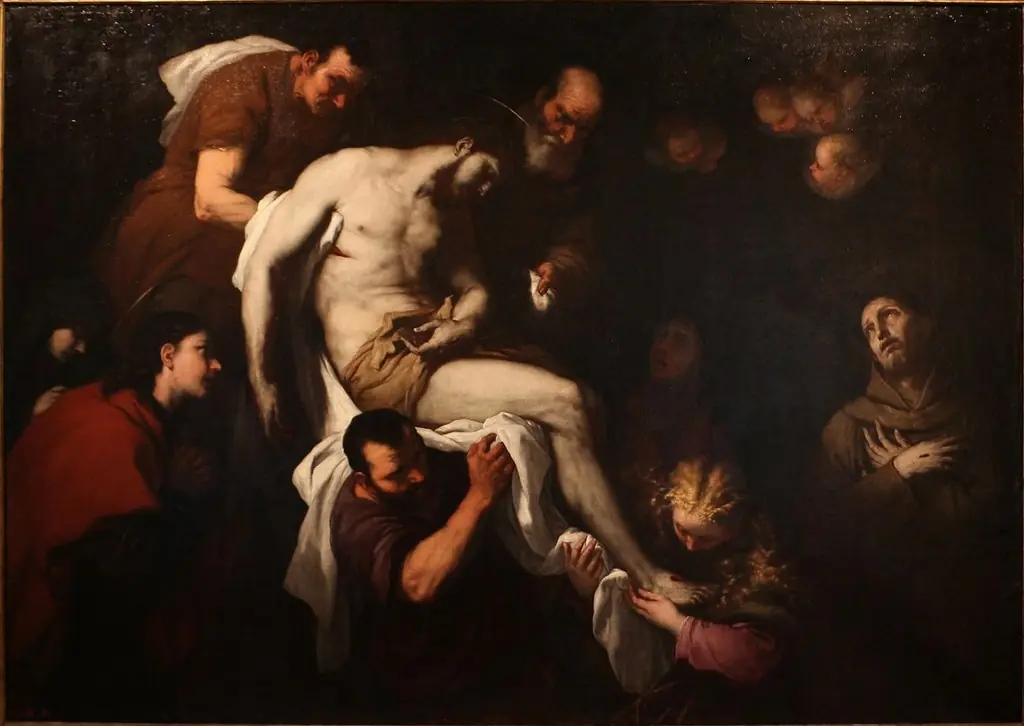 Vision of Saint Francis
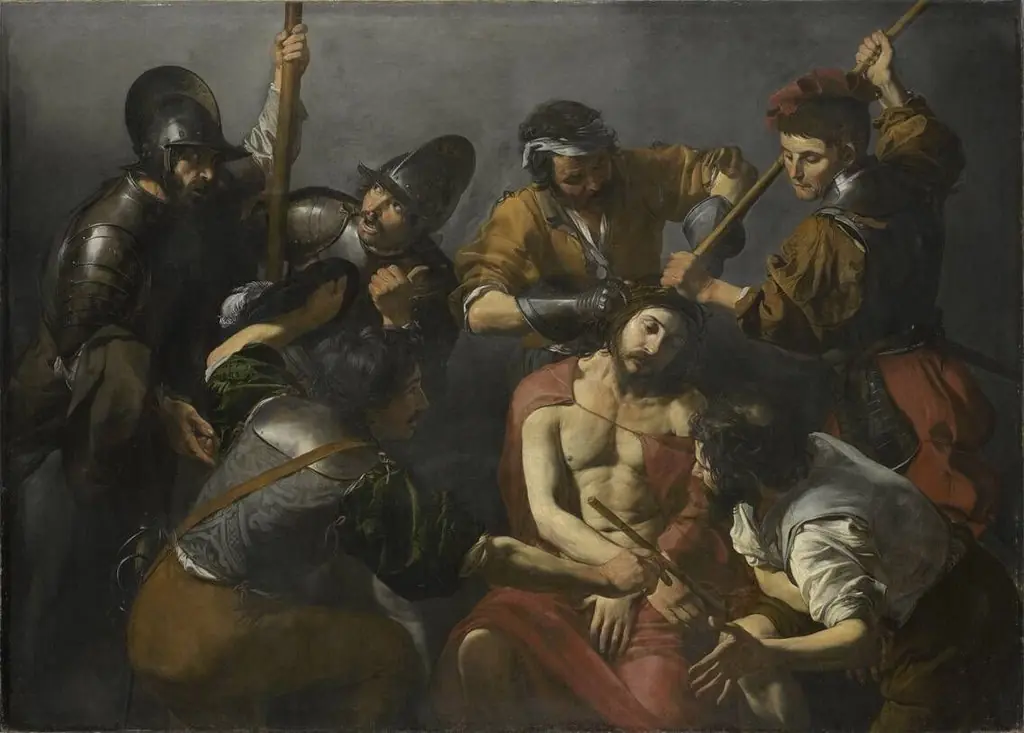 Dornenkrönung Christi
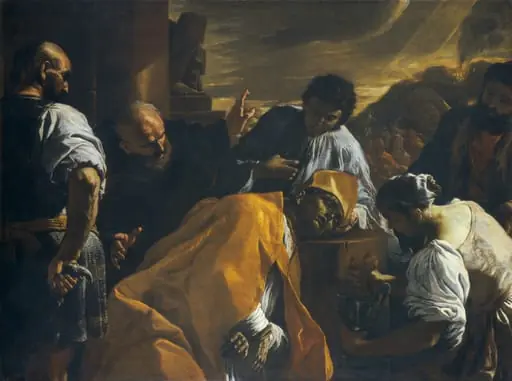 The Martyrdom of Saint Gennaro
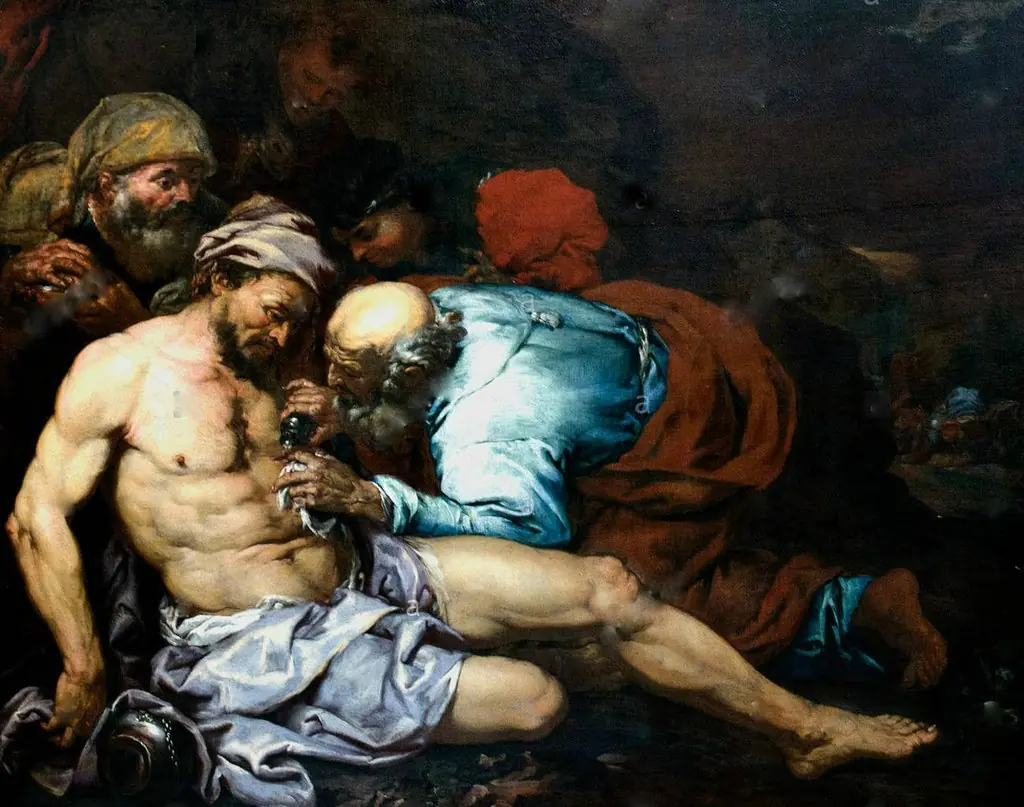 The Good Samaritan
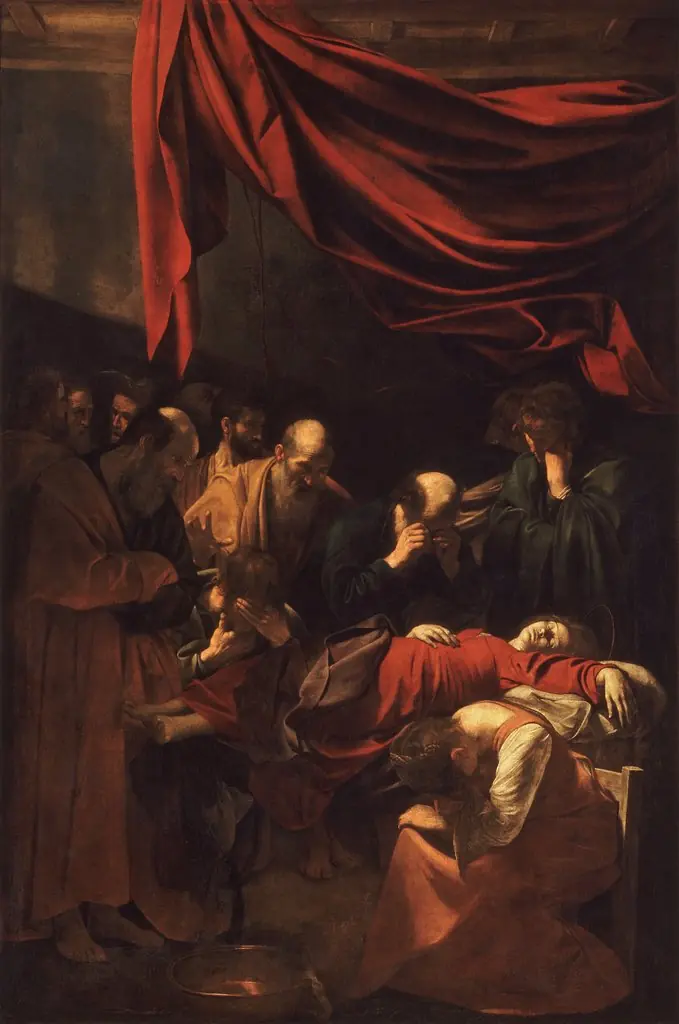 Death of the Virgin
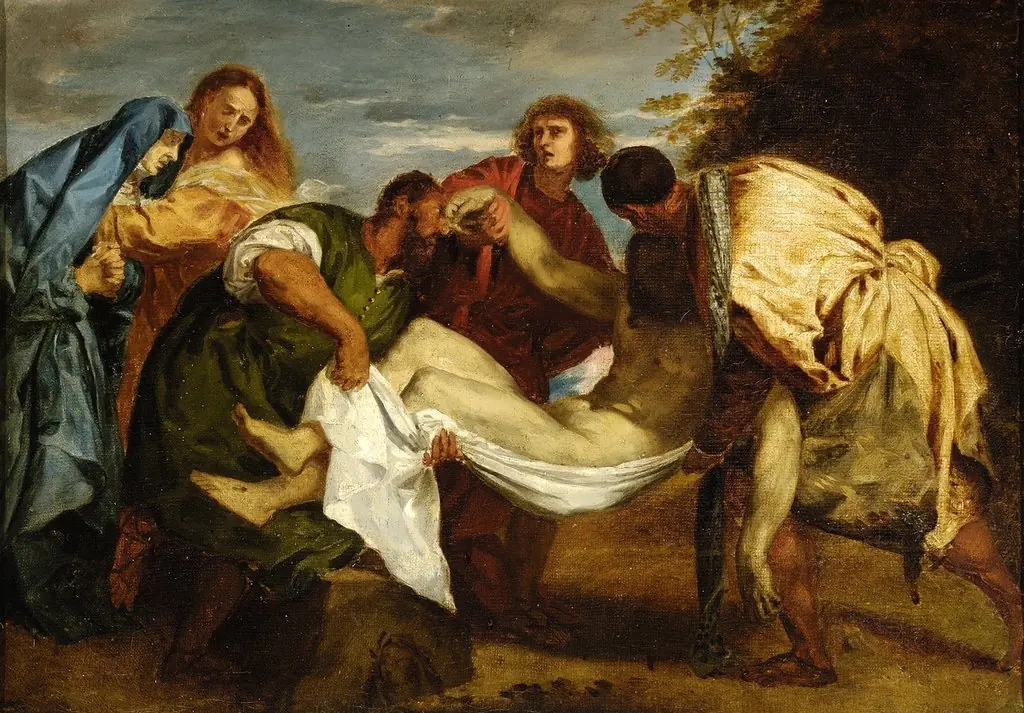 The Entombment
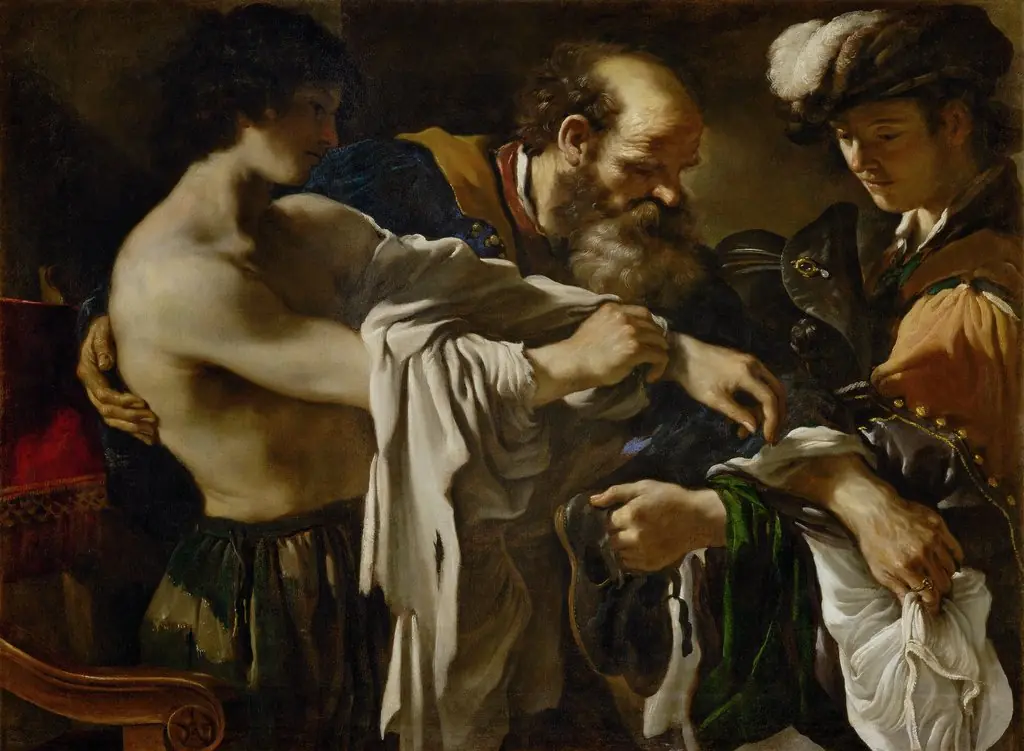 The Return of the Prodigal Son
 Samson Captured by the Philistines