Artwork
Ein Astrologe weissagt Rudolf von Habsburg
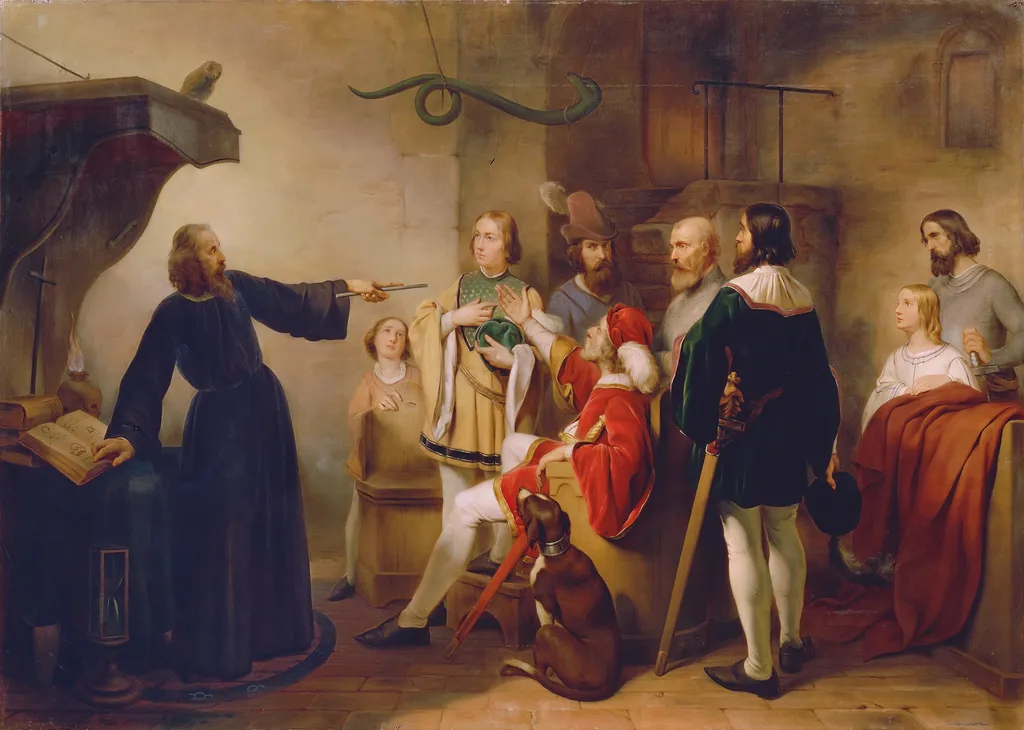
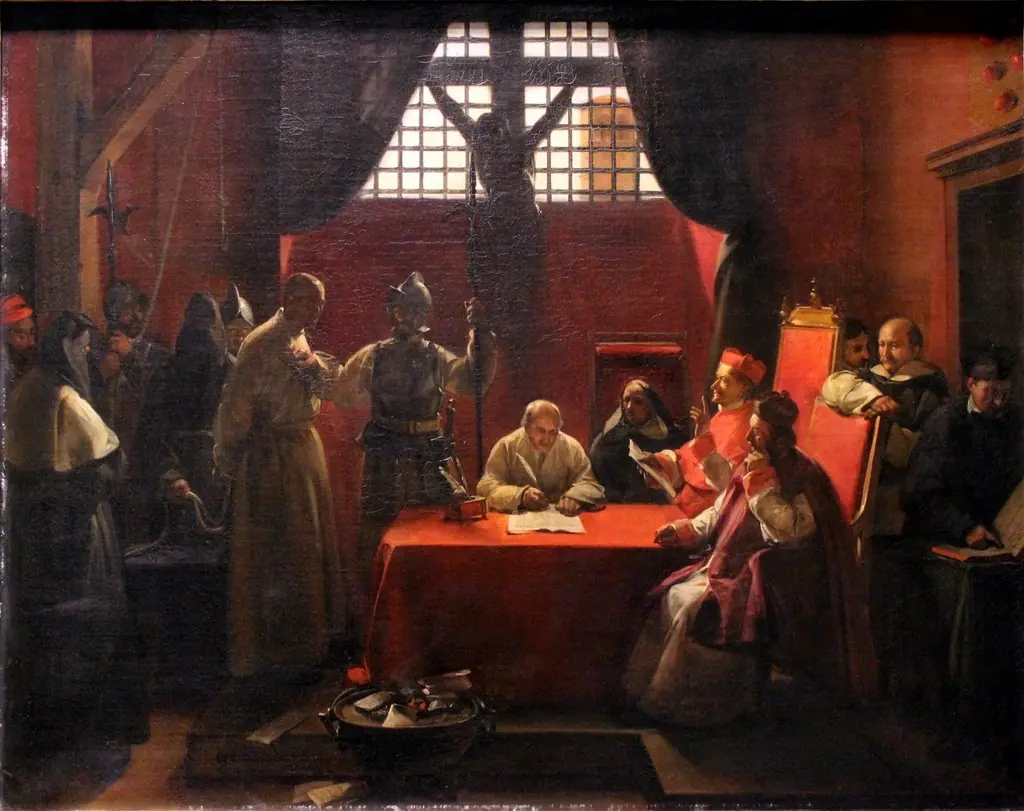
Ein Astrologe weissagt Rudolf von Habsburg is an oil painting by Carl Johann Nepomuk Hemerlein. It is held in the collection of the Kunsthistorisches Museum.
About this work
Overview
This oil painting by Carl Johann Nepomuk Hemerlein portrays an astrologer delivering a prophecy to a gathering of figures, likely members of the Habsburg court.
This oil painting by Carl Johann Nepomuk Hemerlein portrays an astrologer delivering a prophecy to a gathering of figures, likely members of the Habsburg court. The scene unfolds in a dimly lit interior, with a fireplace casting warm glows against deep shadows. The composition centers on the astrologer’s gesture, drawing all eyes toward him. The work is held in the collection of the Kunsthistorisches Museum in Vienna.
Subject & Meaning
The central figure, identified as an astrologer, is shown interpreting celestial signs for Rudolf von Habsburg and his attendants. His raised hand and focused gaze suggest the transmission of a significant forecast, possibly concerning fate or political destiny. Surrounding figures react with solemn attention, reinforcing the gravity of the moment. The presence of a sword and books implies a fusion of martial power and scholarly knowledge.
Technique & Style
Hemerlein employs chiaroscuro to model forms and direct visual focus, using sharp contrasts between light and shadow to emphasize the astrologer’s figure and gestures. The textures of fabric, wood, and metal are rendered with careful attention, while the ambient glow from the fireplace adds warmth to the otherwise somber setting. The brushwork is precise, supporting a narrative tone over decorative flourish.
History & Provenance
Painted in the early 19th century, the work entered the Kunsthistorisches Museum’s collection as part of its broader effort to document historical and courtly scenes. Its attribution to Hemerlein, a lesser-known Austrian painter, reflects the period’s interest in reviving historical narratives through academic realism. The painting has remained in the museum’s holdings since its acquisition.
Context
During the early 1800s, European artists frequently turned to historical and courtly subjects to explore themes of authority, knowledge, and destiny. This painting aligns with a broader trend of romanticizing medieval and early modern figures, particularly those linked to dynastic power. The astrologer’s role reflects lingering beliefs in celestial influence over earthly affairs, even as scientific rationalism gained ground.
Legacy
Though not widely exhibited outside Austria, the painting serves as a quiet example of 19th-century historical genre painting in the Habsburg territories. It preserves a visual interpretation of how courtly audiences once perceived astrological authority. Its preservation in a major museum underscores its value as a document of cultural attitudes toward knowledge and power in the early modern imagination.
Artist & collection

 Adolf, Duke of Schleswig-Holstein, Declines the Offer to Accede to the Danish Throne. Copy after C. W. Eckersberg
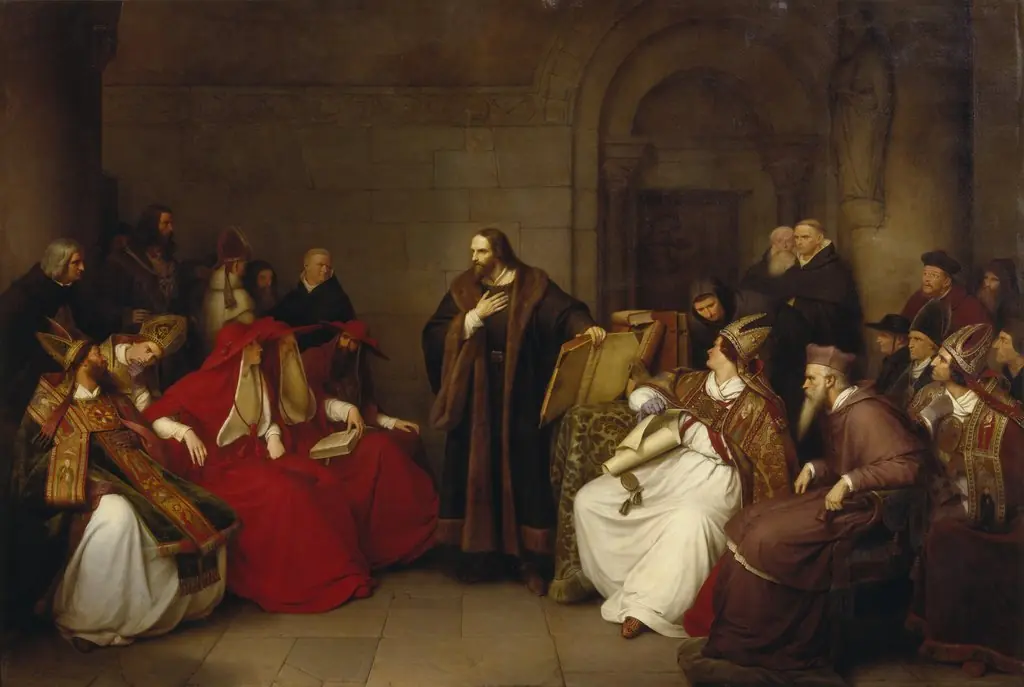 Jan Hus at Constance
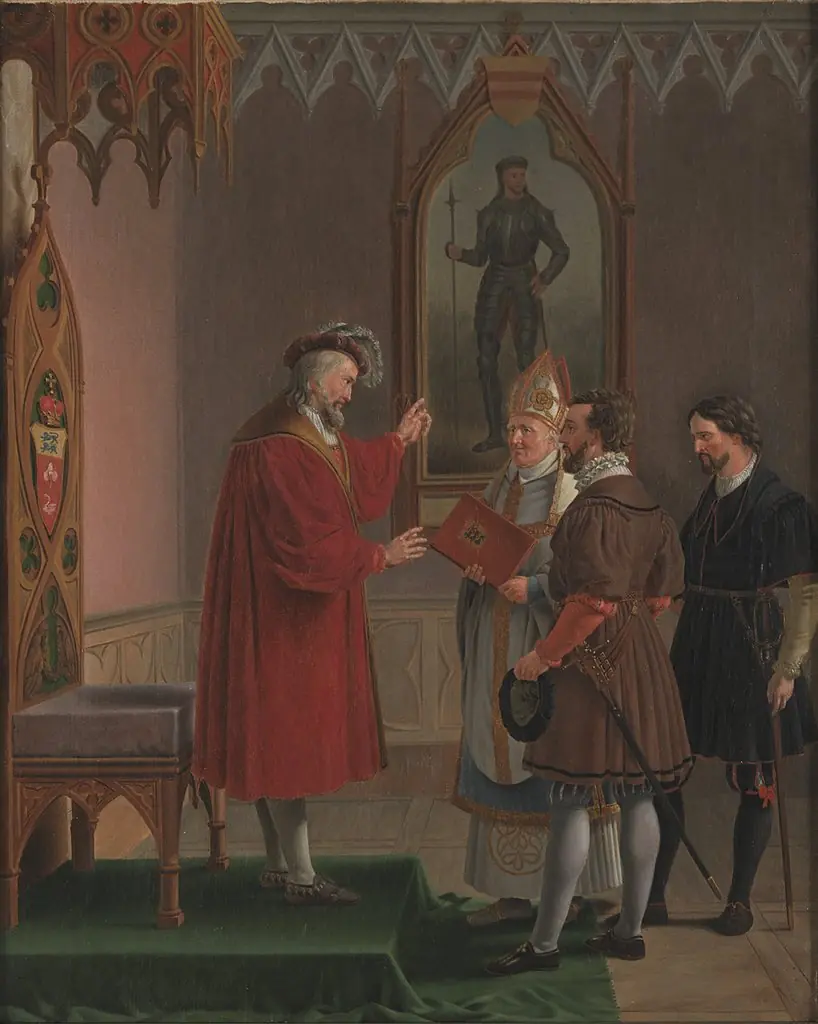 Adolf, Duke of Schleswig-Holstein, Declines the Offer to Accede to the Danish Throne. Copy after C. W. Eckersberg
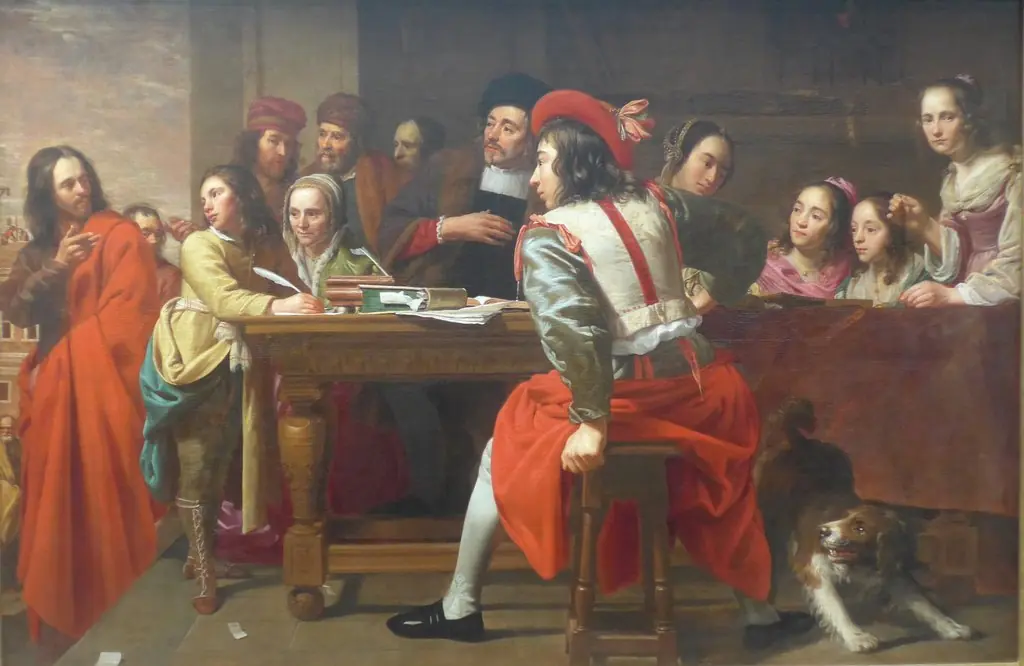 The calling of Matthew
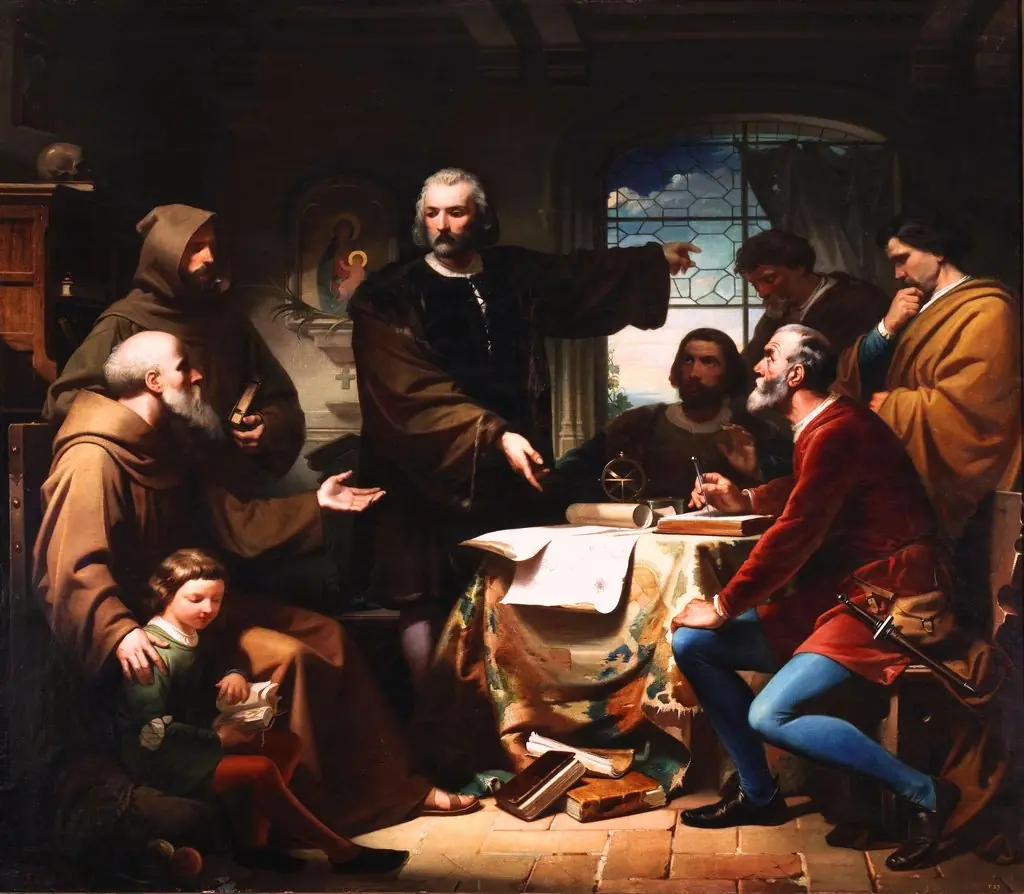 Christopher Columbus in the Convent of La Rábida
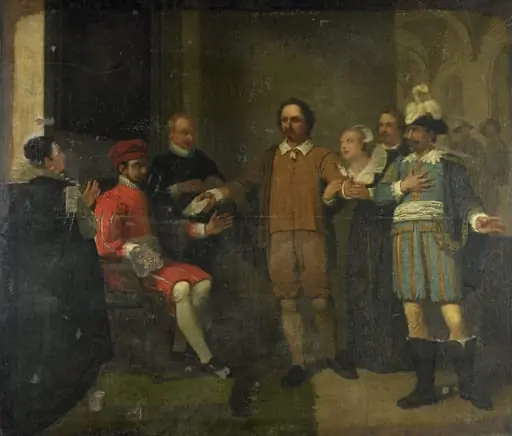 Jacob Simonsz de Rijk getting the Spanish Governor-General Requesens to Release Marnix van Sint Aldegonde, 1575
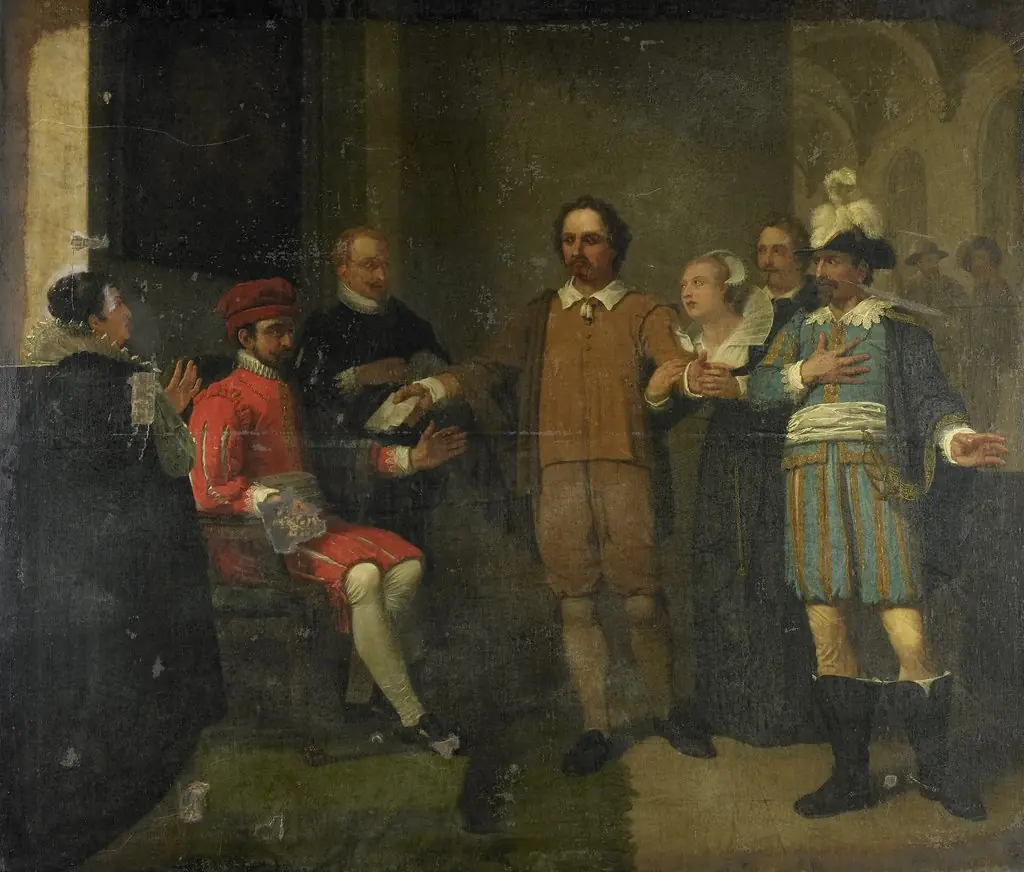 Jacob Simonsz de Rijk Secures from Spanish Governor-General Requesens the Release of Marnix van Sint Aldegonde
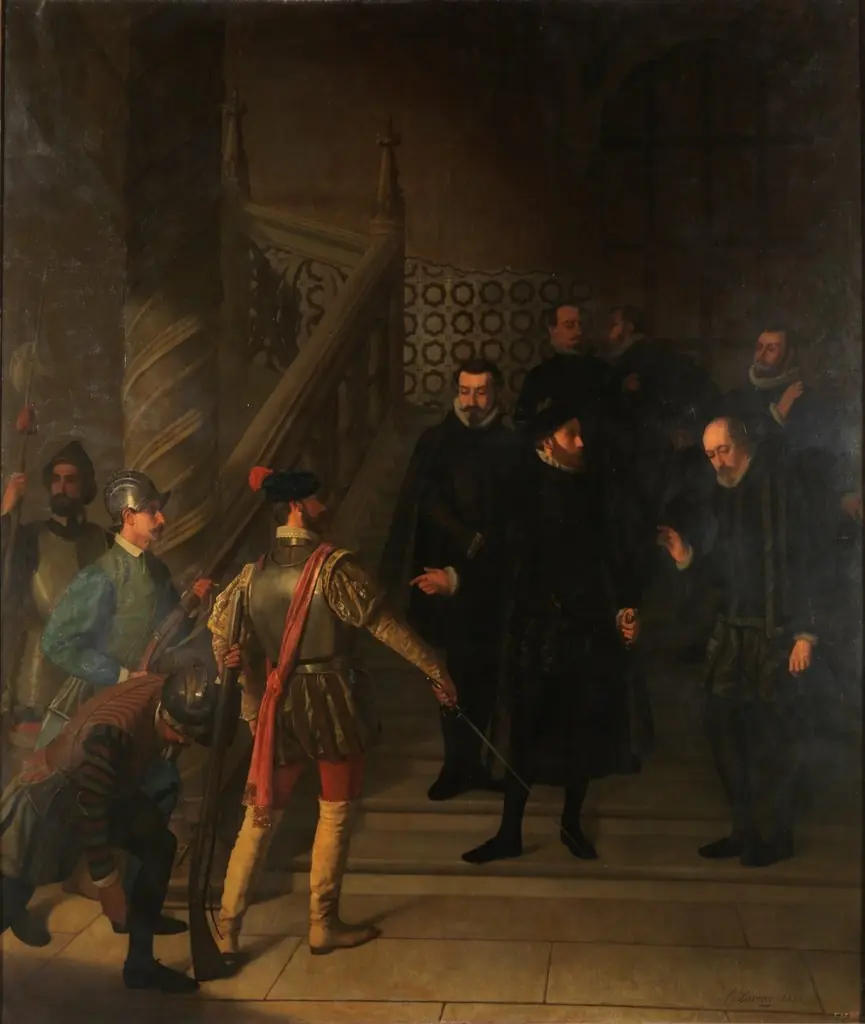 La prisión de Lanuza
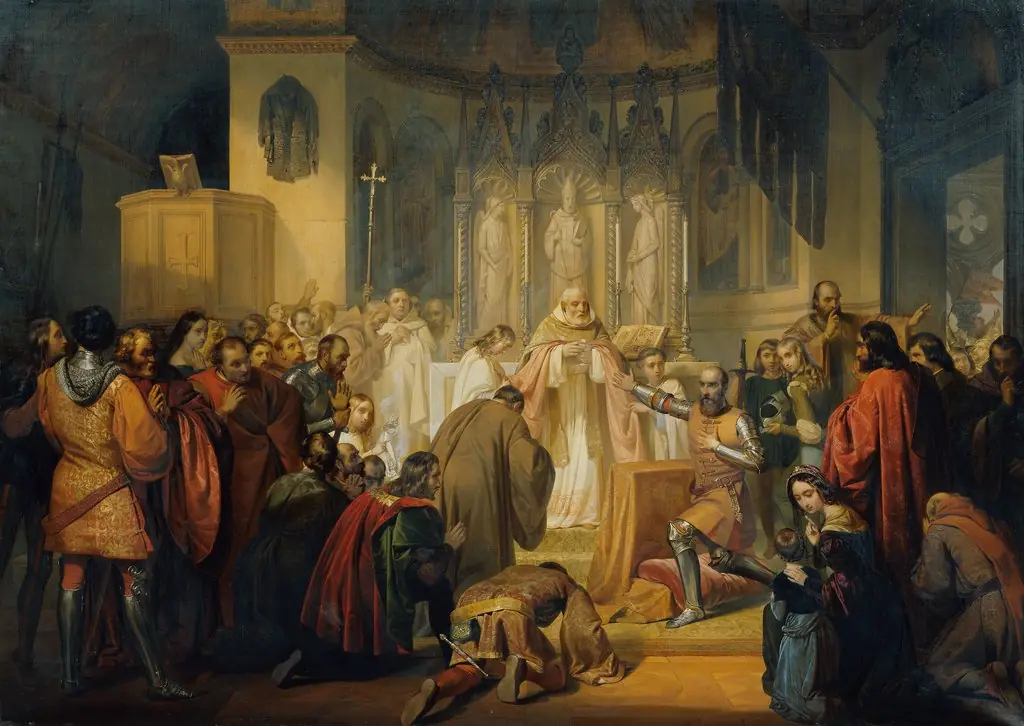 Vittore Pisani receives Holy Communion before taking command of an expedition against the Genoese
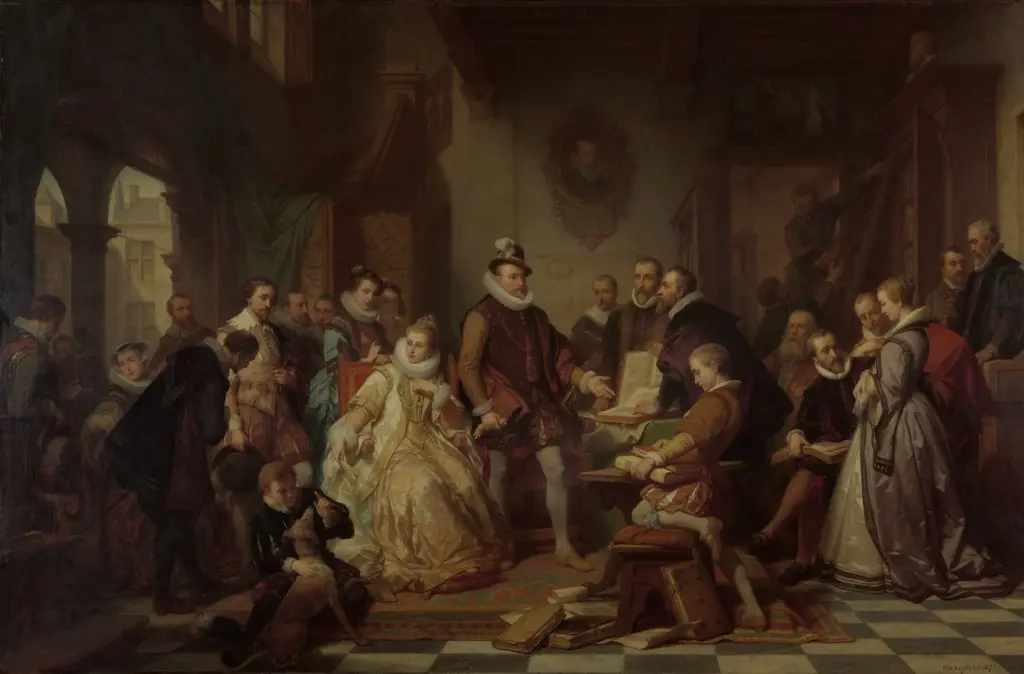 The Archdukes Albert and Isabella Visit the Printer Plantin
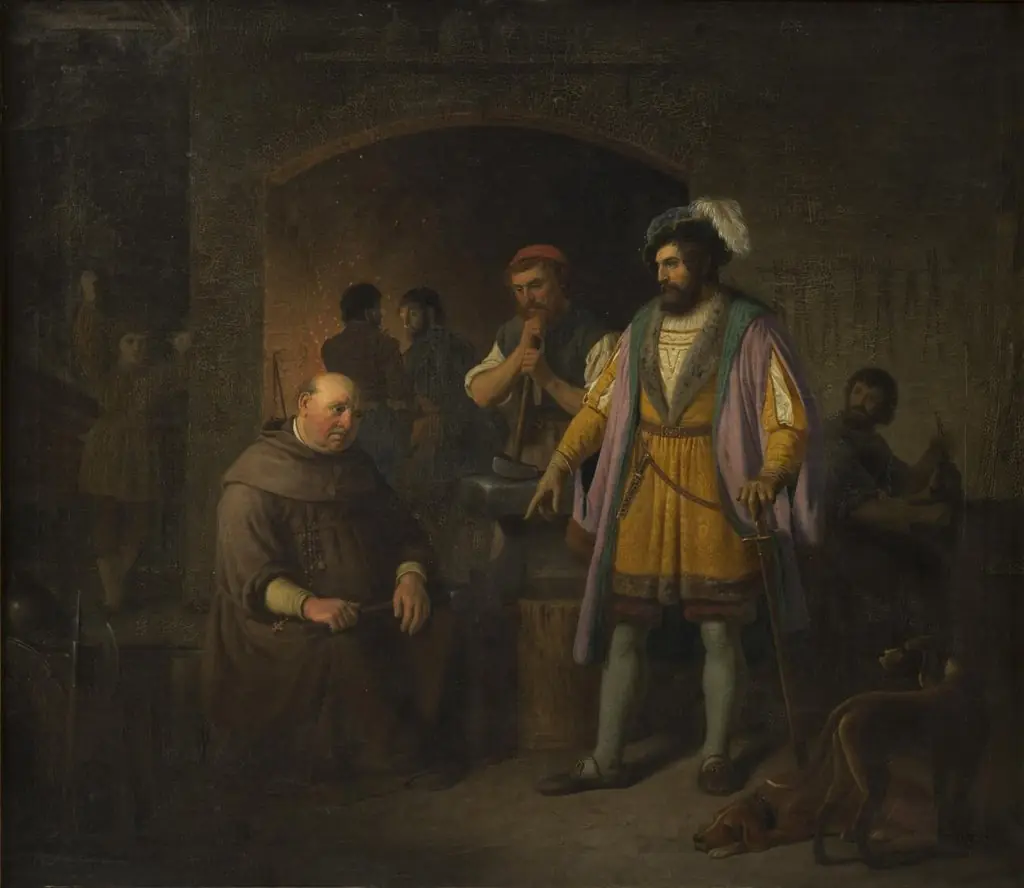 Jens Holgersen Ulfstand kurerer abbeden til Bækkeskov for hans fedme ved at tvinge ham til at arbejde i sin smedie
 The Examination of Savonarola