Artwork
Christopher Columbus in the Convent of La Rábida
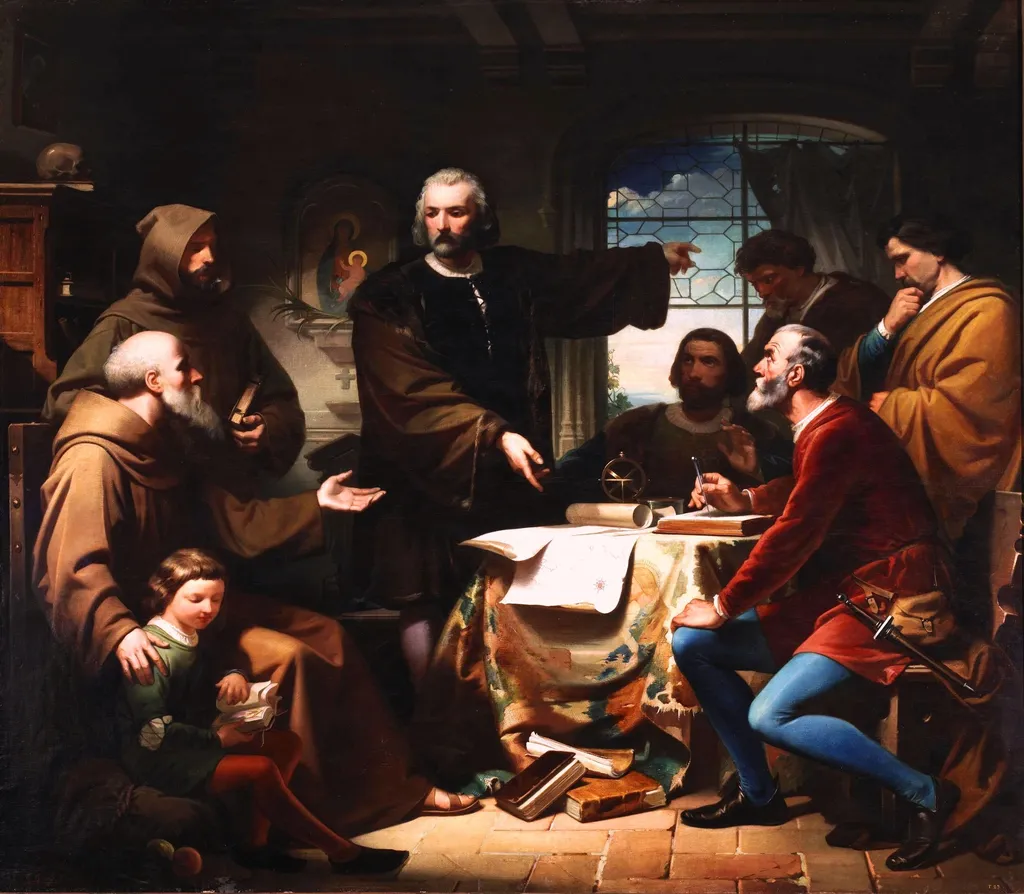
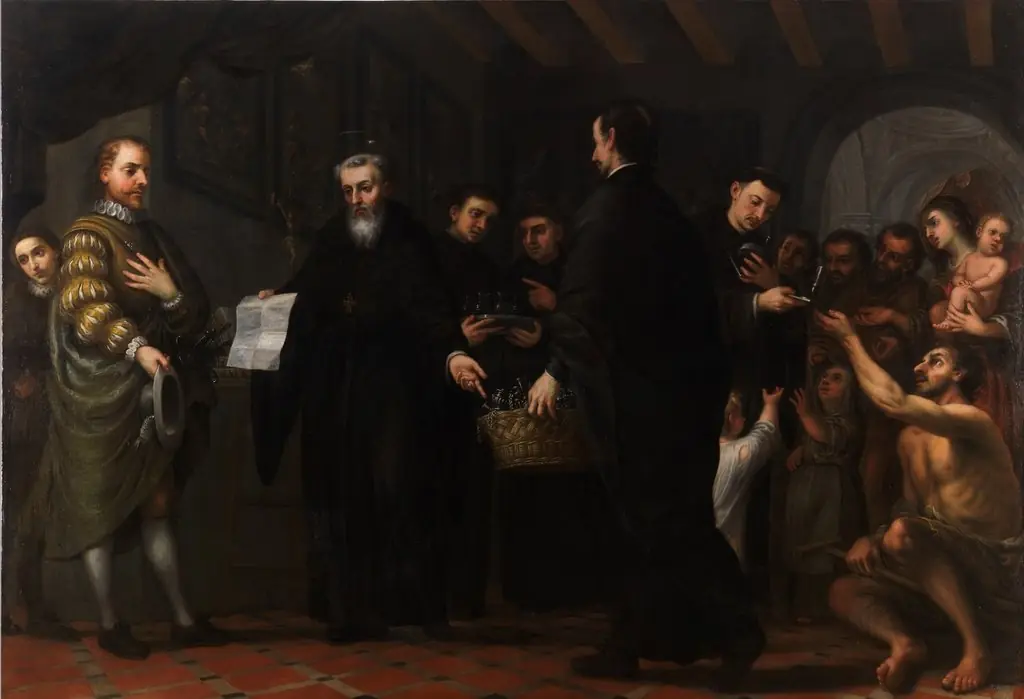
Christopher Columbus in the Convent of La Rábida is an oil painting by Eduardo Cano. It dates from 1856 and is held in the collection of the Museo del Prado.
About this work
Overview
Eduardo Cano, a 19th-century Spanish painter associated with Romantic historicism, created this oil painting in 1856. It illustrates a moment from Christopher Columbus’s life tied to the Franciscan monastery of La Rábida. The work was completed as part of a broader interest in national historical narratives and is now part of the permanent collection at the Museo del Prado in Madrid.
Subject & Meaning
The scene captures Columbus in quiet deliberation with a group of Franciscan friars and local figures, likely seeking support for his proposed voyage.
The scene captures Columbus in quiet deliberation with a group of Franciscan friars and local figures, likely seeking support for his proposed voyage. His gesture suggests persuasion or explanation, while the presence of navigational tools and documents implies careful planning. The composition emphasizes intellectual exchange over grandeur, portraying a pivotal moment of quiet resolve before historic action.
Technique & Style
Cano employed oil paint to render subtle contrasts of light and shadow, focusing attention on the central figure through a single beam entering from a distant window. The figures are rendered with careful attention to costume and expression, reflecting Romantic-era tendencies toward emotional realism. The dim interior enhances the intimacy of the moment, avoiding theatricality in favor of restrained drama.
History & Provenance
Painted in 1856, the work entered the collection of the Museo del Prado shortly after its completion. It reflects mid-19th-century Spain’s interest in reclaiming national heroes through visual art. No significant alterations or transfers are documented; it has remained in state custody since its acquisition, preserving its original condition and context.
Context
During the 1850s, Spain sought to reinforce its imperial legacy through public art. Cano’s depiction aligns with a trend of portraying historical figures in moments of moral or intellectual weight, rather than battle or triumph. The choice of La Rábida—a site associated with early support for Columbus—underscores the role of religious institutions in exploration narratives of the time.
Legacy
The painting remains a representative example of Spanish Romantic historiography in visual form. While not widely exhibited outside Spain, it contributes to the museum’s collection of 19th-century narrative painting. Its quiet tone distinguishes it from more bombastic portrayals of Columbus, offering a contemplative counterpoint to dominant heroic imagery.
Own this work as a print
Artist & collection
Artist
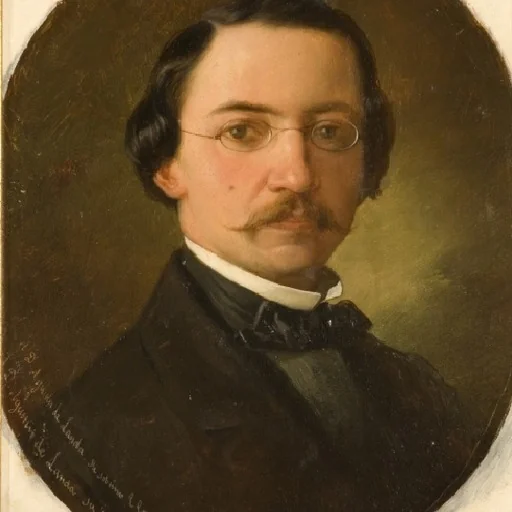
Eduardo Cano de la Peña (1823, Madrid - 4 April 1897, Seville) was a Spanish painter in the Romantic style; specializing in historical scenes.

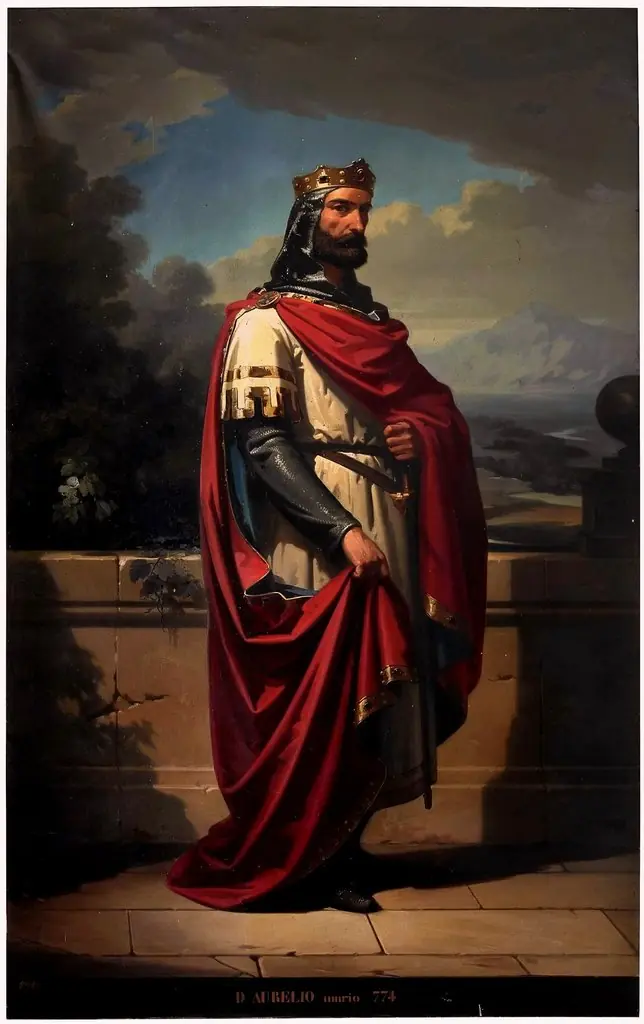 Aurelio
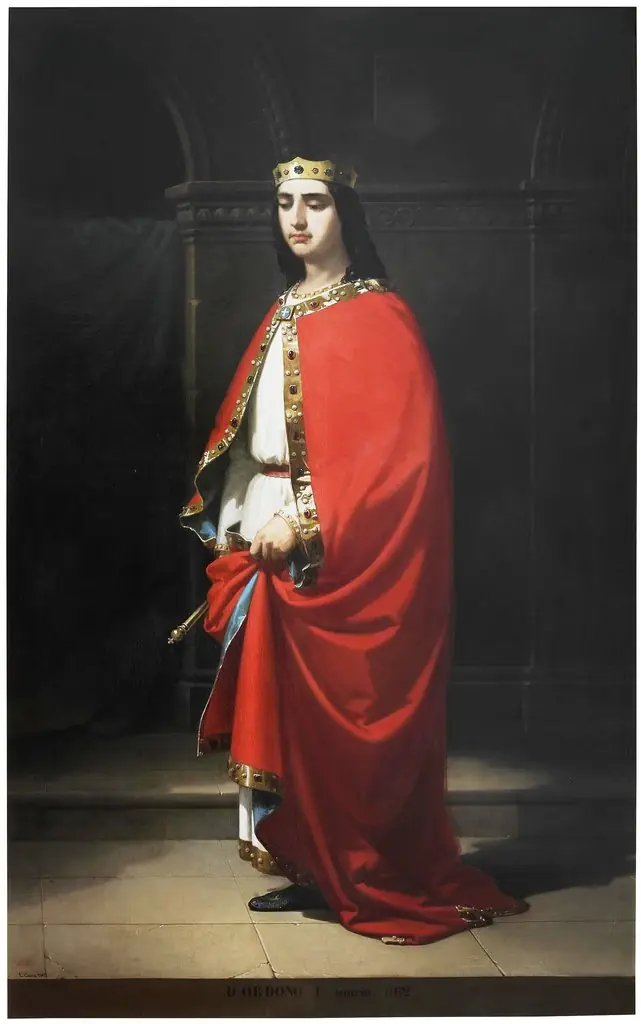 Ordoño I
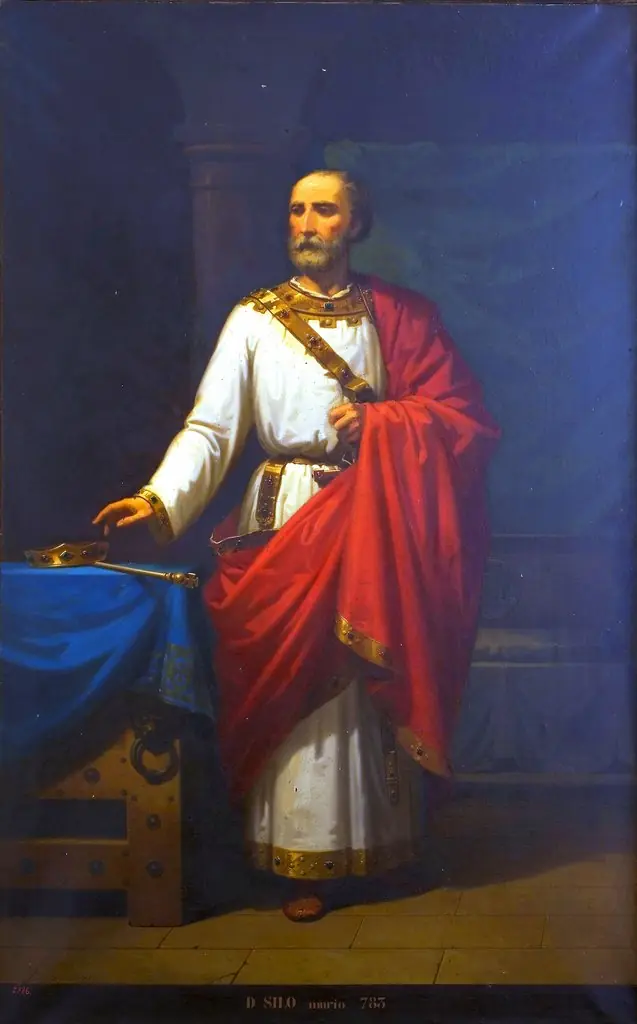 Silo
Silo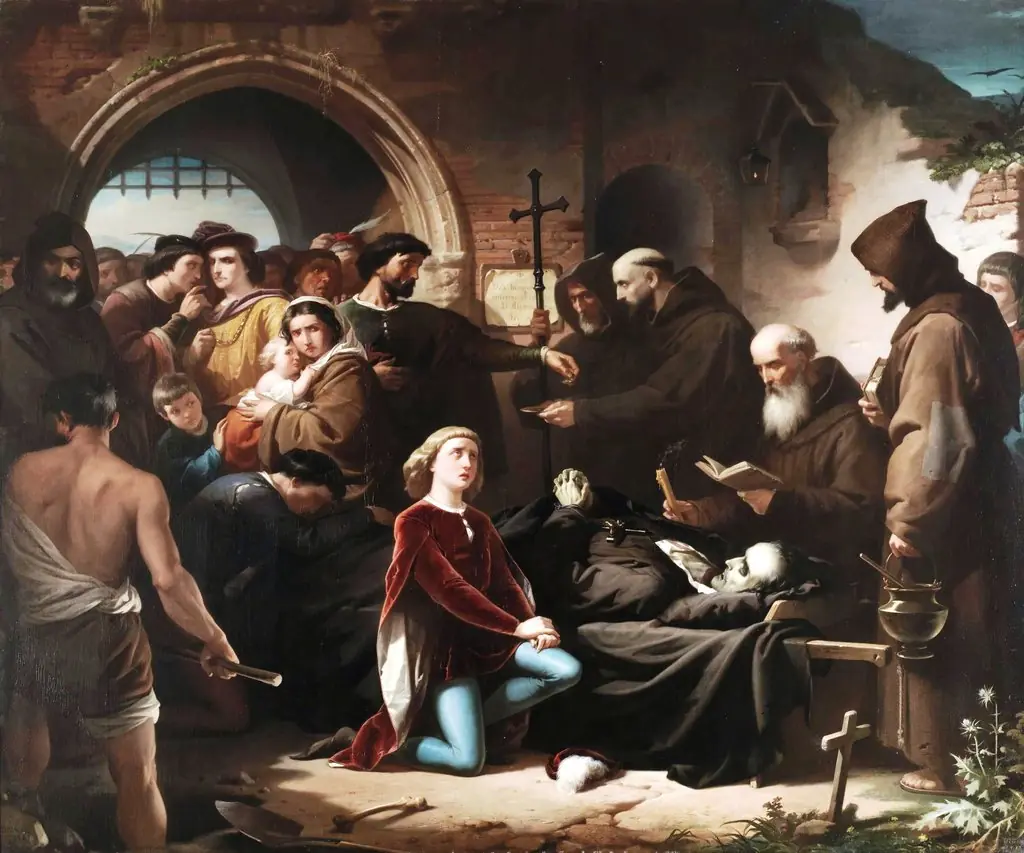 Don Álvaro de Luna condestable y favorito del rey D. Juan II de Castilla decapitado públicamente en la Plaza Mayor de Valladolid el 2 de junio de 1453 es enterrado de limosna en el cementerio de los ajusticiados extramuros de dicha ciudad
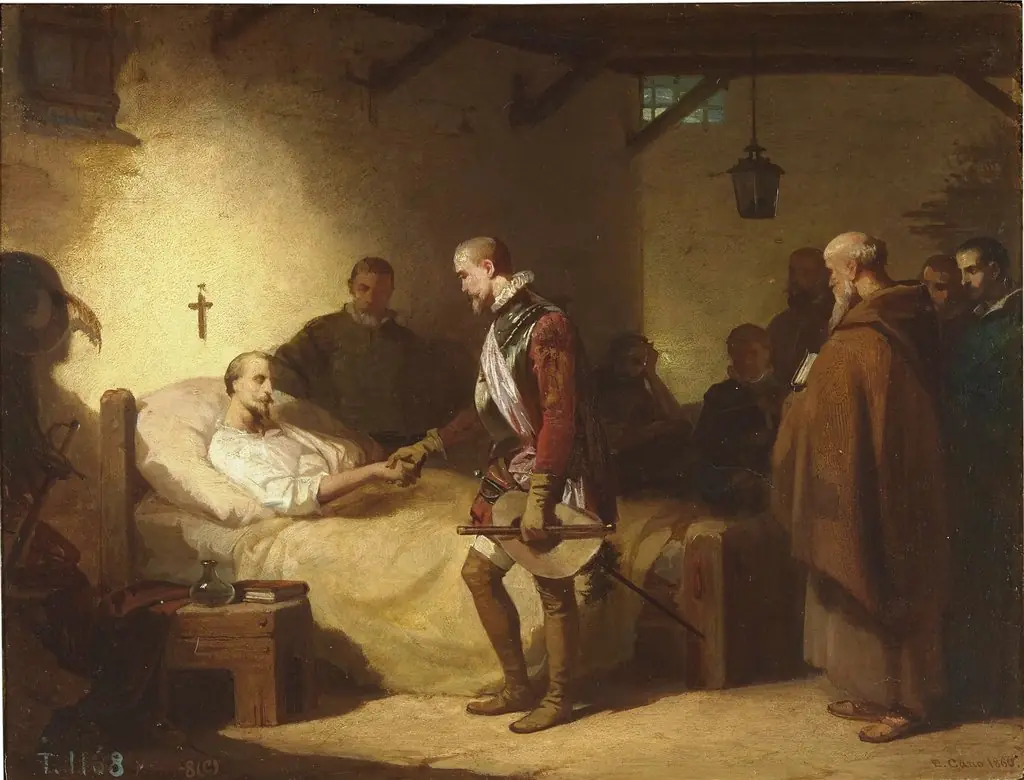 Cervantes y don Juan de Austria
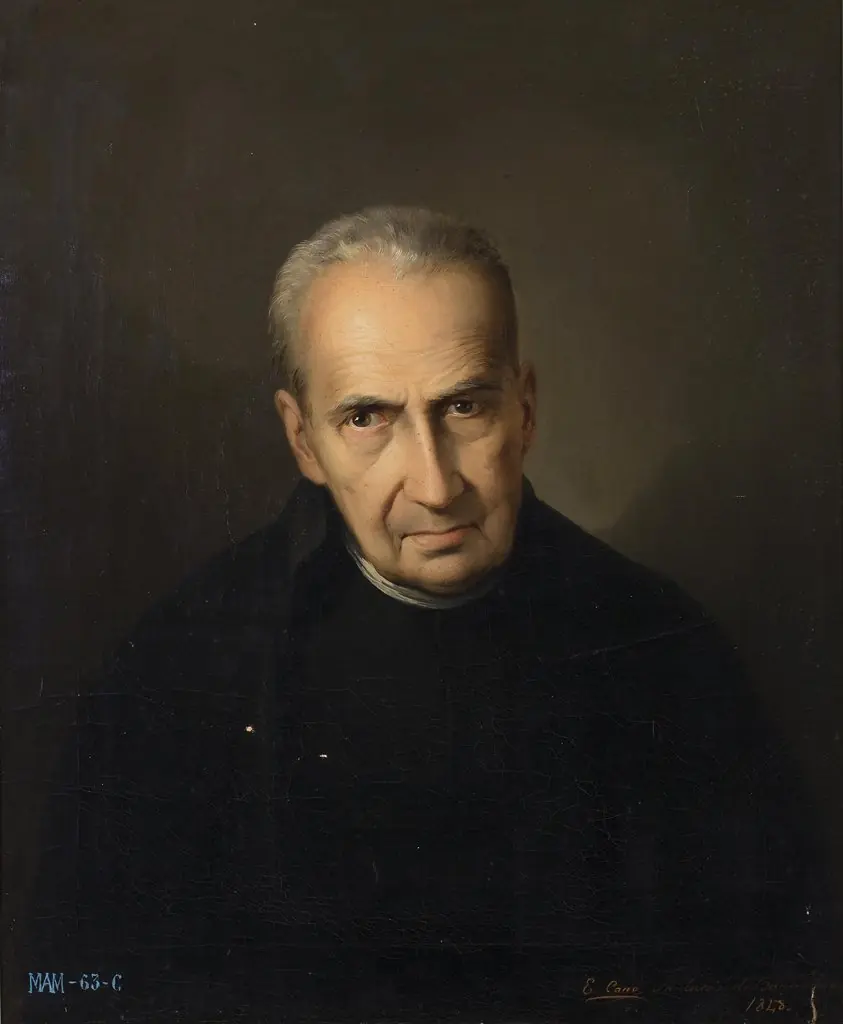 Rafael Colón y Borrego
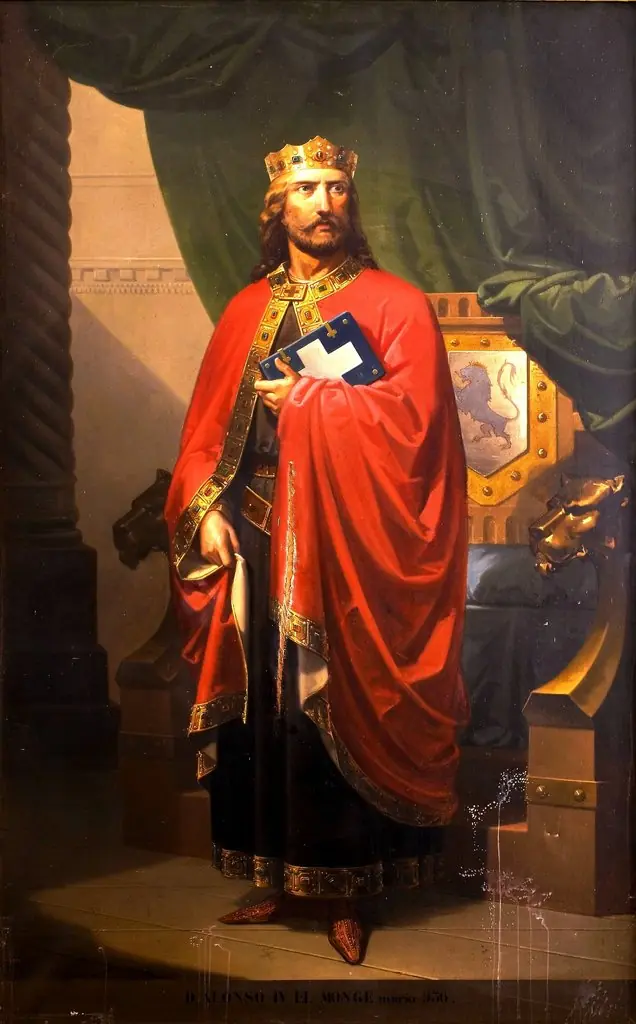 Alfonso IV el Monje, rey de León
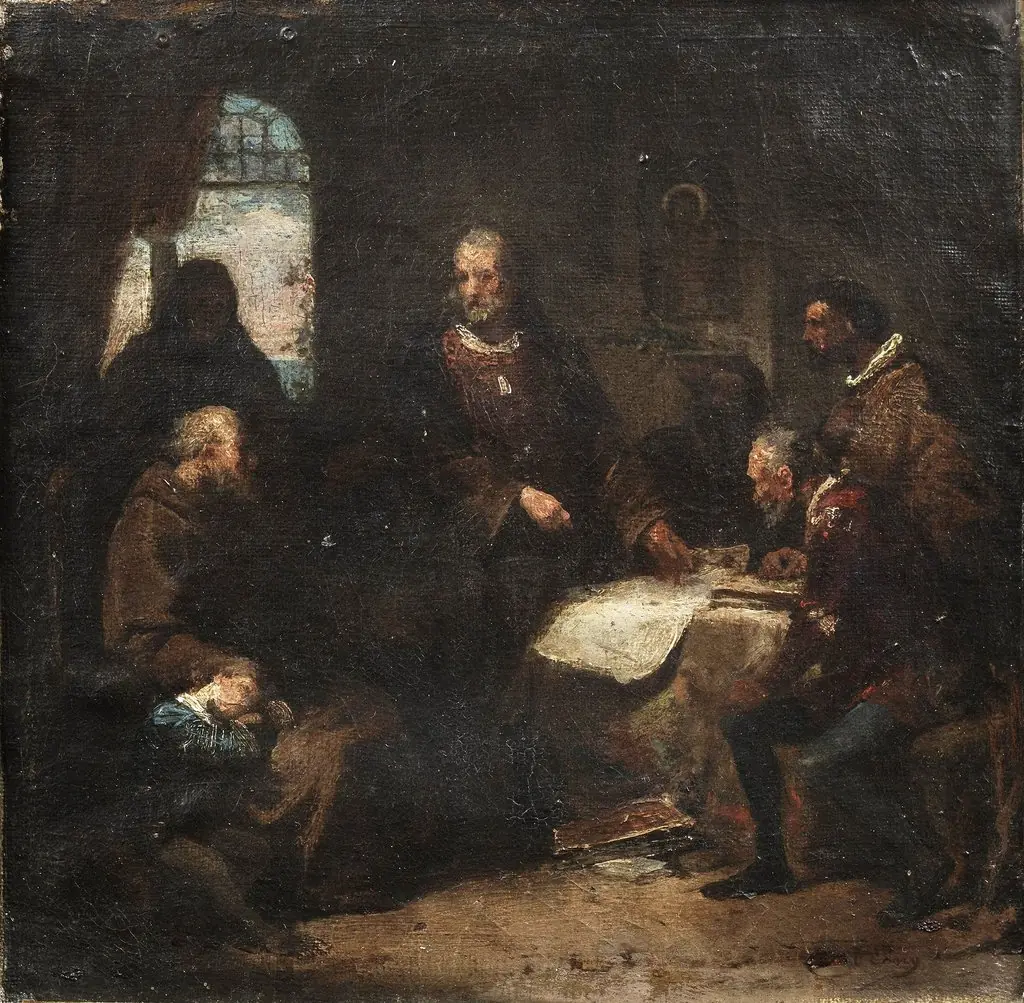 Cristóbal Colón en el convento de la Rábida (boceto)
 San Francisco ante el sultán de Egipto Malec-el-Kamal
 Jens Holgersen Ulfstand kurerer abbeden til Bækkeskov for hans fedme ved at tvinge ham til at arbejde i sin smedie
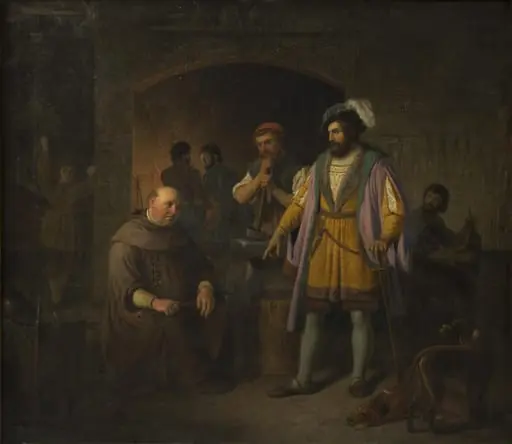 Jens Holgersen Ulfstand kurerer abbeden til Bækkeskov for hans fedme ved at tvinge ham til at arbejde i sin smedie
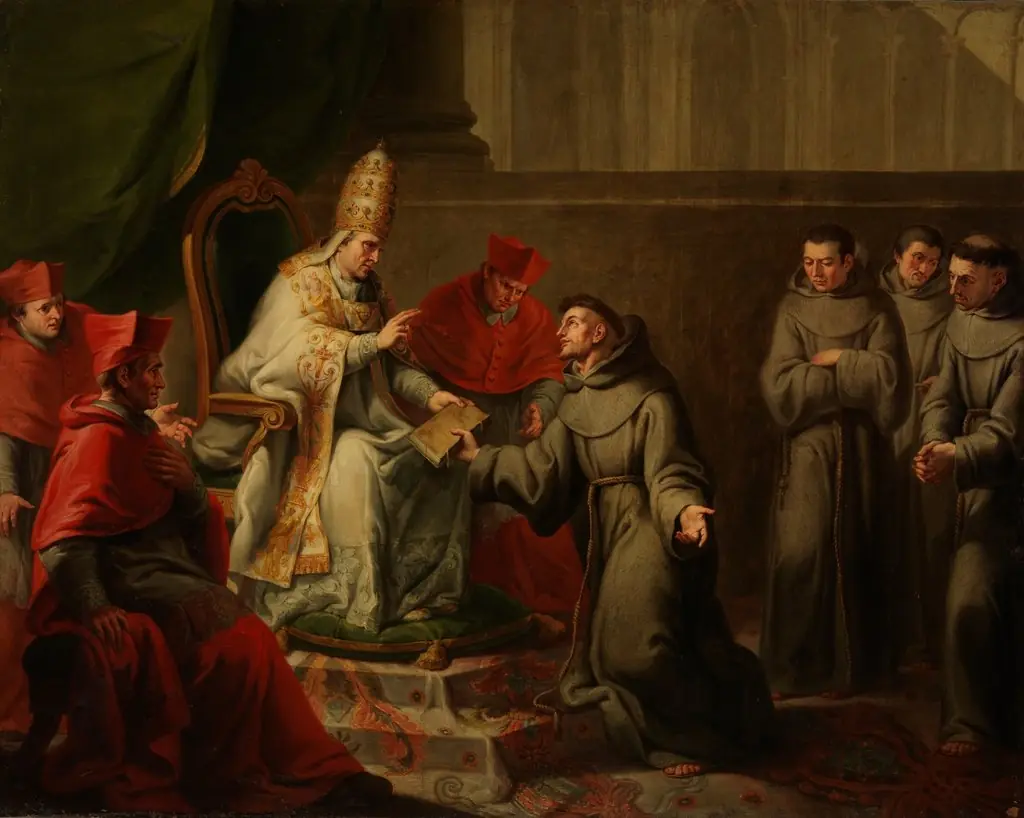 Aprobación de la regla franciscana por el papa Inocencio III
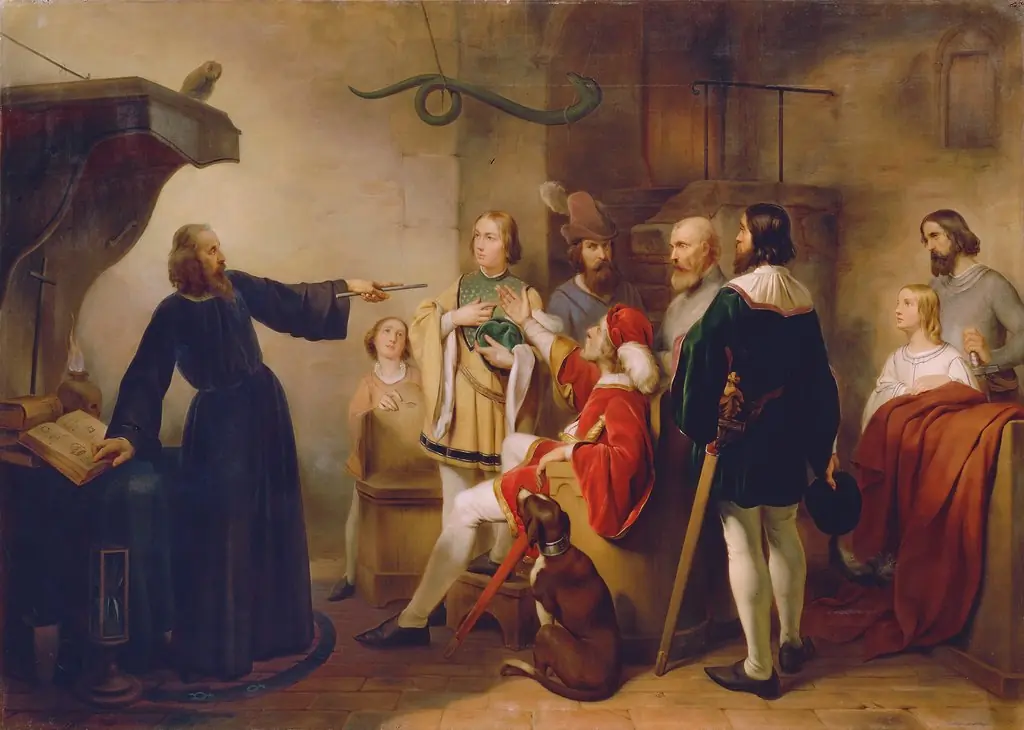 Ein Astrologe weissagt Rudolf von Habsburg
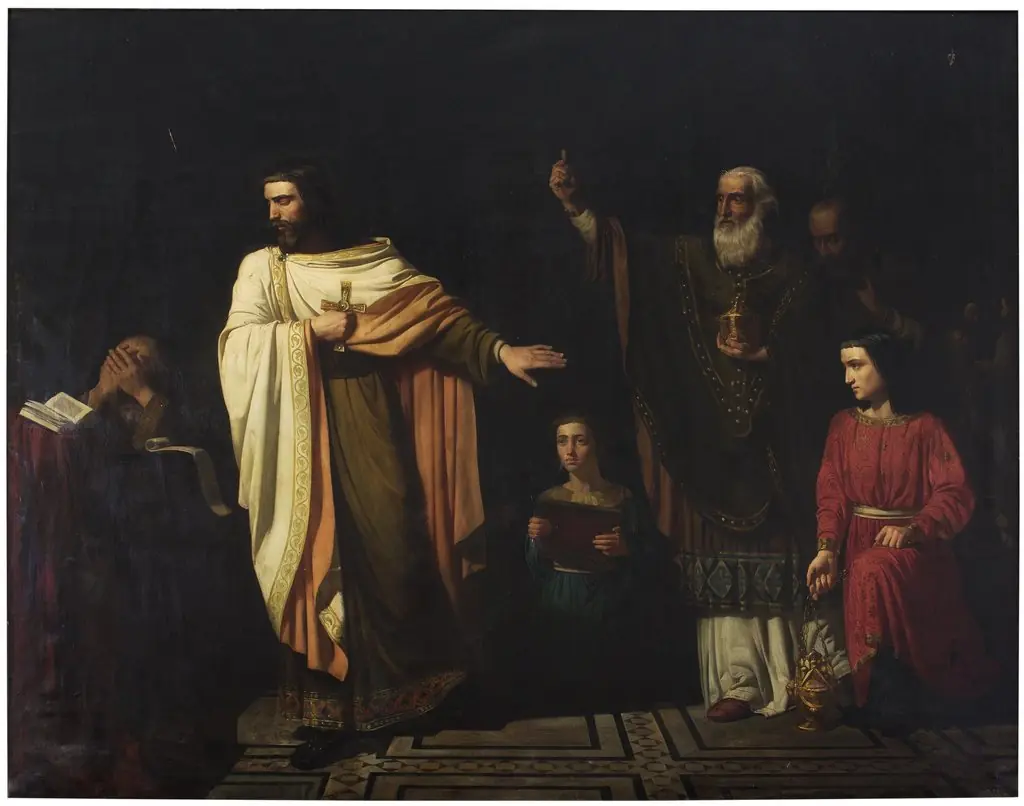 San Hermenegildo en la prisión
 The Last Moments of Count Egmont (Count Egmont Before His Death)
 Scene from the life of Gilbert of Schoonbeke
 The Battle of Mount Isel 1809
 Torcuato Tasso se retira al convento de San Onofre en el Janículo
 San Agustín repartiendo los bienes de los ricos entre los pobres