Artwork
A Lady Seen in Profile, Holding a Fan
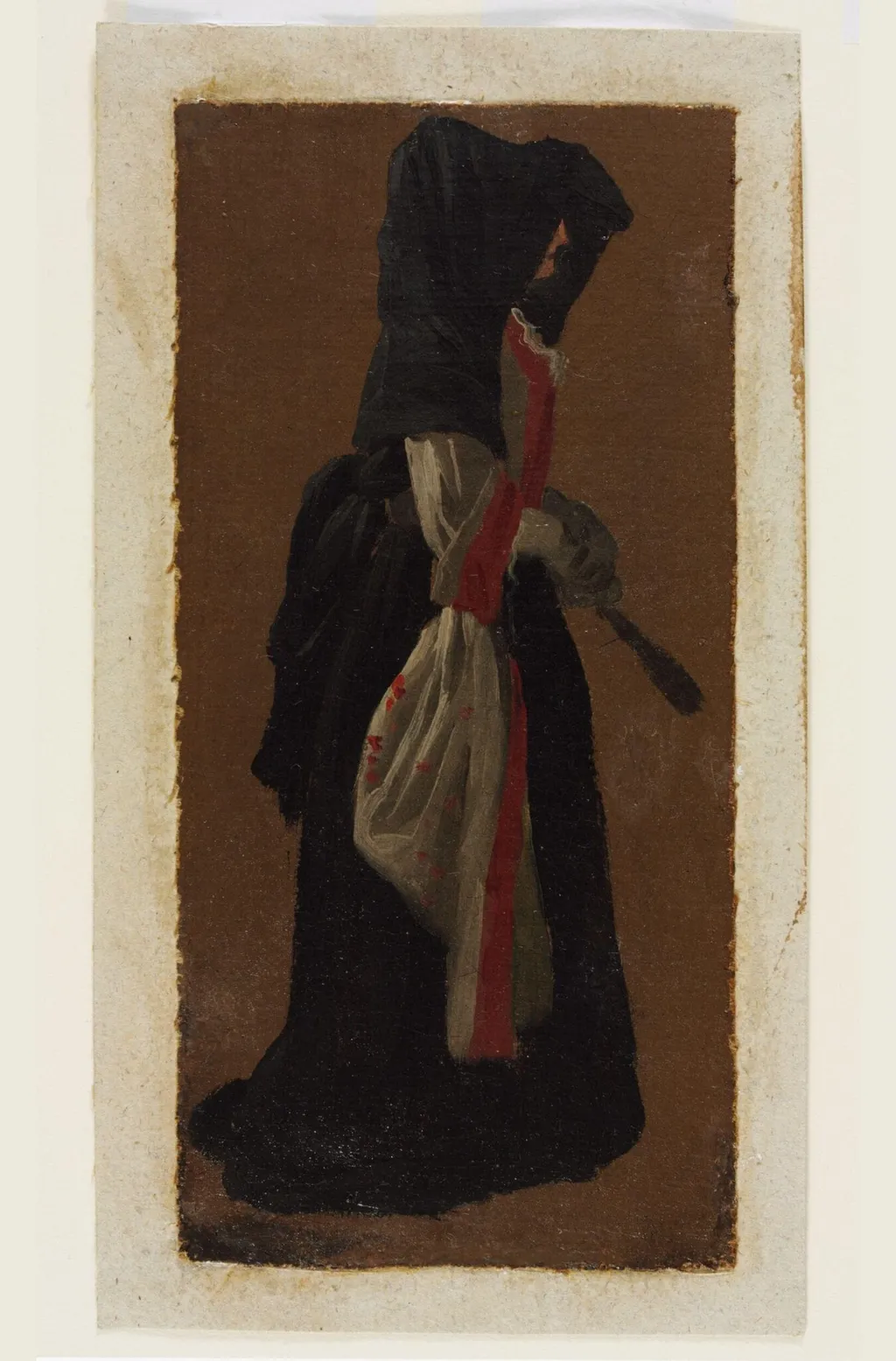
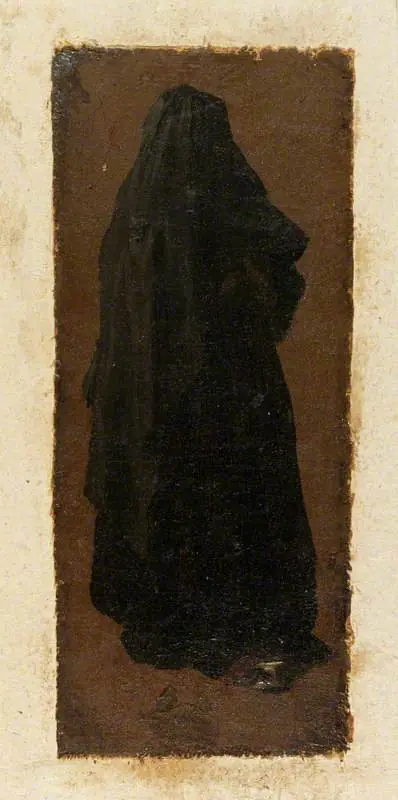
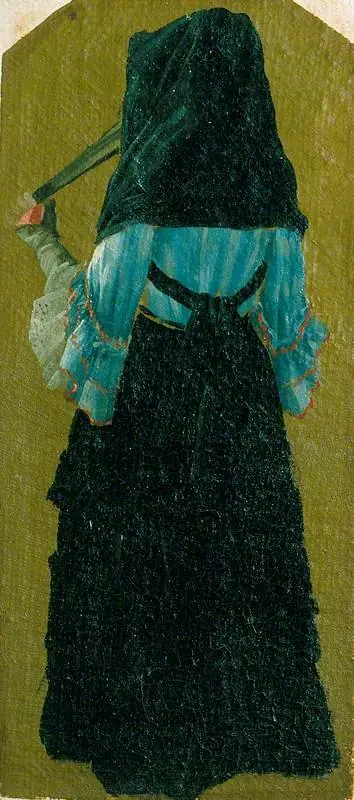
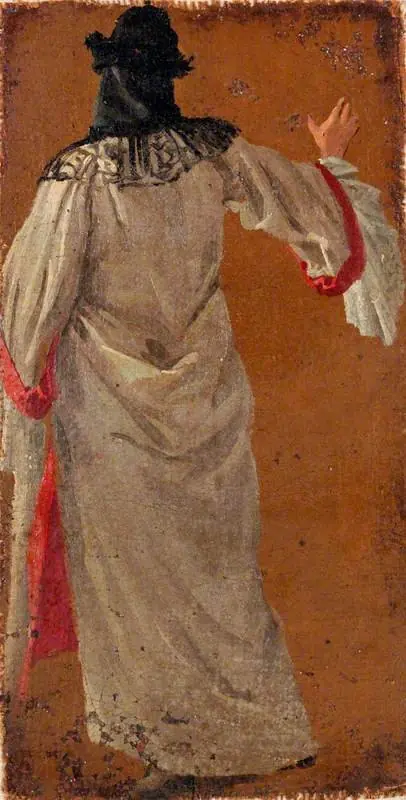
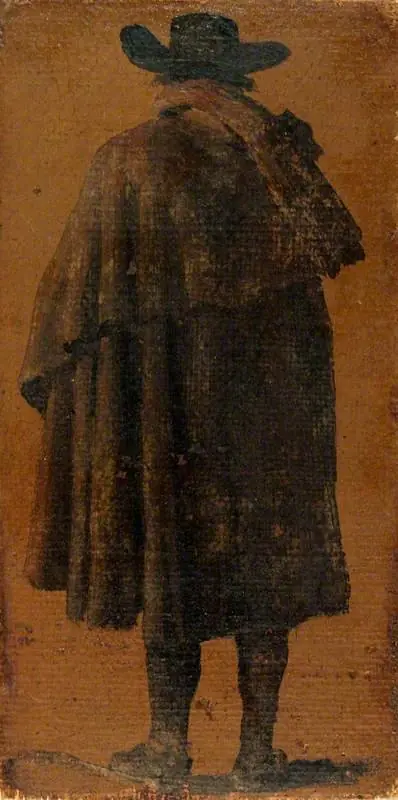
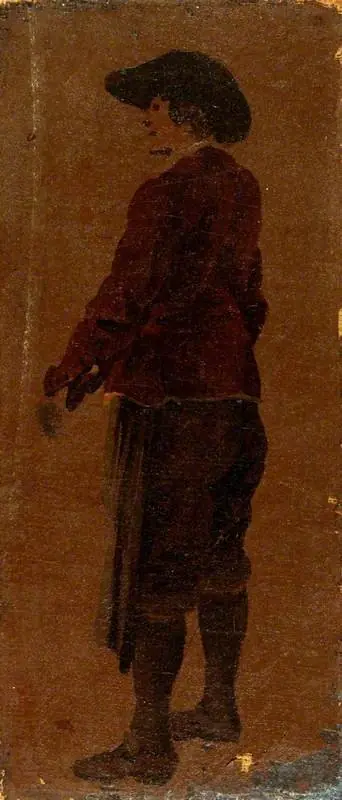
A Lady Seen in Profile, Holding a Fan is an oil painting by the Baroque artist Luca Carlevarijs. It dates from 1700 and is held in the collection of the Victoria and Albert Museum. This oil sketch depicts a woman in profile, dressed in a pink and white gown beneath a black hooded mantle, holding a fan.
About this work
Overview
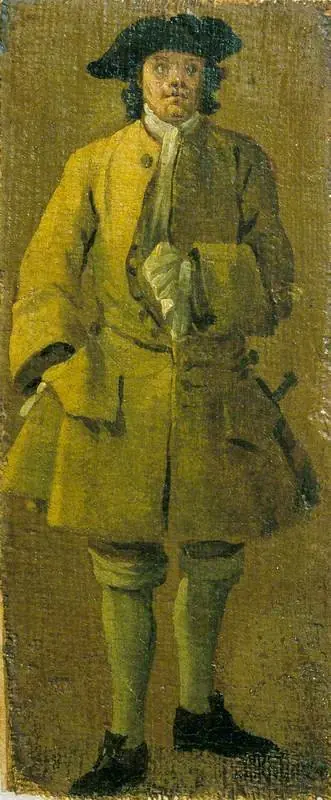
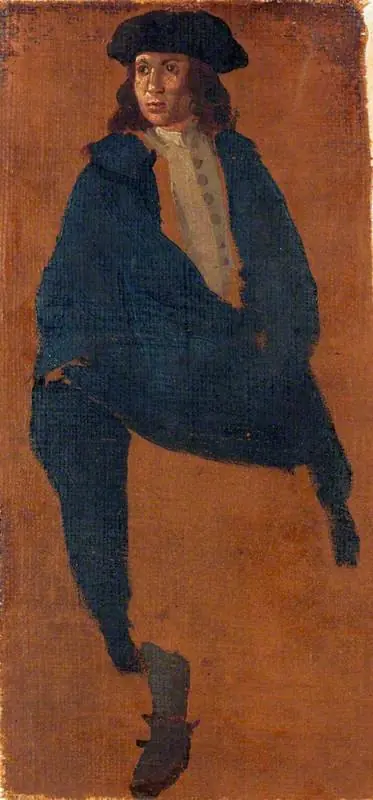
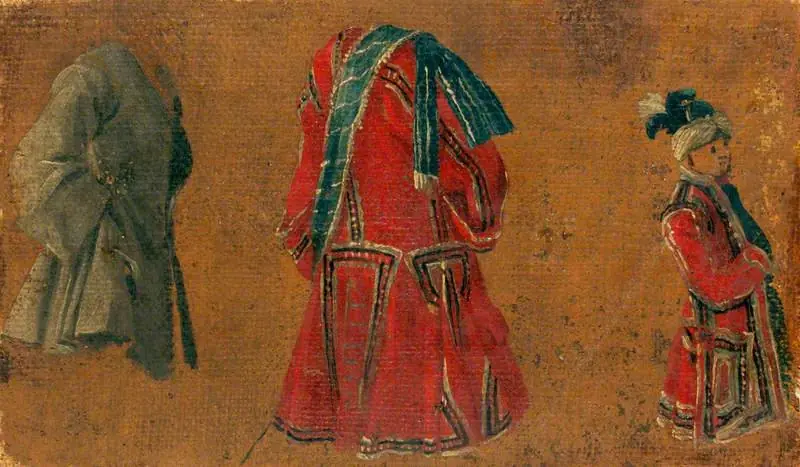
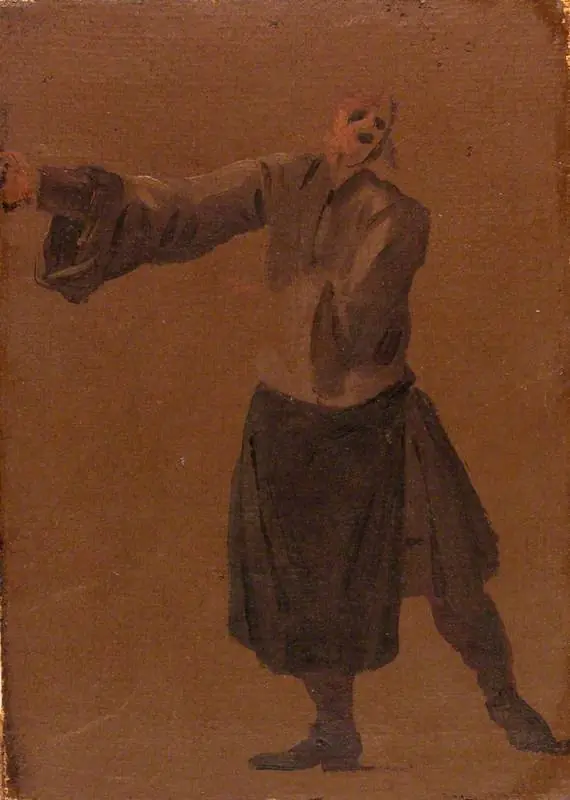
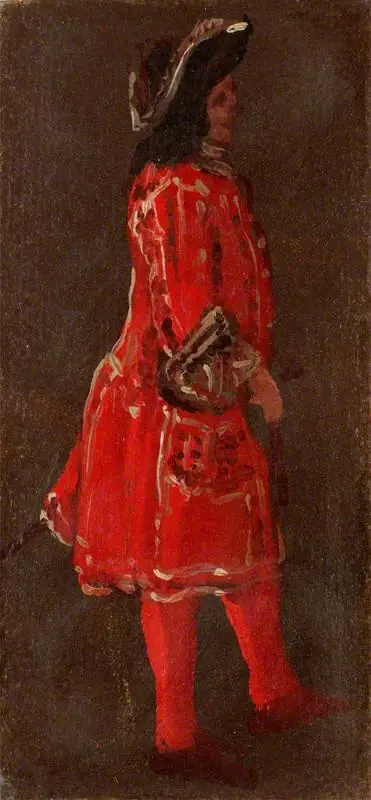
It belongs to a series of fifty-three informal studies by Luca Carlevarijs, created as preparatory observations rather than finished works.
This oil sketch depicts a woman in profile, dressed in a pink and white gown beneath a black hooded mantle, holding a fan. It belongs to a series of fifty-three informal studies by Luca Carlevarijs, created as preparatory observations rather than finished works. These pieces reflect his practice of capturing fleeting moments of Venetian life, later adapted into larger compositions. The brushwork is loose and immediate, suggesting direct observation from life.
Subject & Meaning
The figure represents an ordinary Venetian woman, likely a member of the city’s middle or upper class, captured in a quiet, unposed moment. Her attire and accessory suggest social standing and decorum, while the fan implies both utility and social gesture. Though not tied to a known finished painting, her likeness reappears in another context, indicating Carlevarijs reused figures across works. The sketch emphasizes presence over narrative, valuing authenticity over idealization.
Technique & Style
Carlevarijs employed rapid, textured brushstrokes to suggest fabric, form, and light without detailed rendering. The palette is restrained yet vivid, with the pink and white dress contrasting against the dark mantle. This method, known as macchiette, involved daubs of color to capture movement and character quickly. The technique prioritized spontaneity and observation, bridging drawn sketches and fully realized oil paintings in his larger urban scenes.
History & Provenance
The sketch is one of a bound album of studies compiled by Carlevarijs during the early 1700s, likely used as reference material for his commissioned vedute. While most of these sketches remained private, a few figures were later incorporated into finished works. One such example is a woman in similar dress appearing in The Entry of the French Ambassador Henri-Charles Arnauld, now in the Rijksmuseum. The album’s survival offers rare insight into his working process.
Context
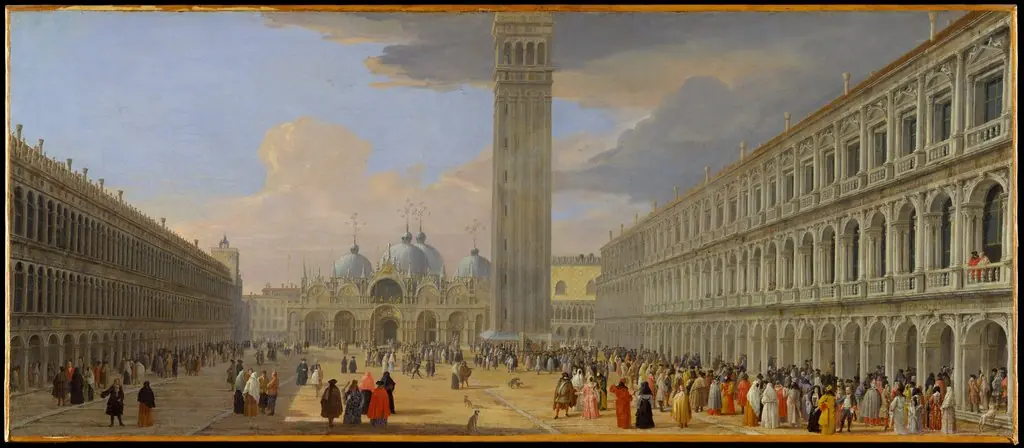
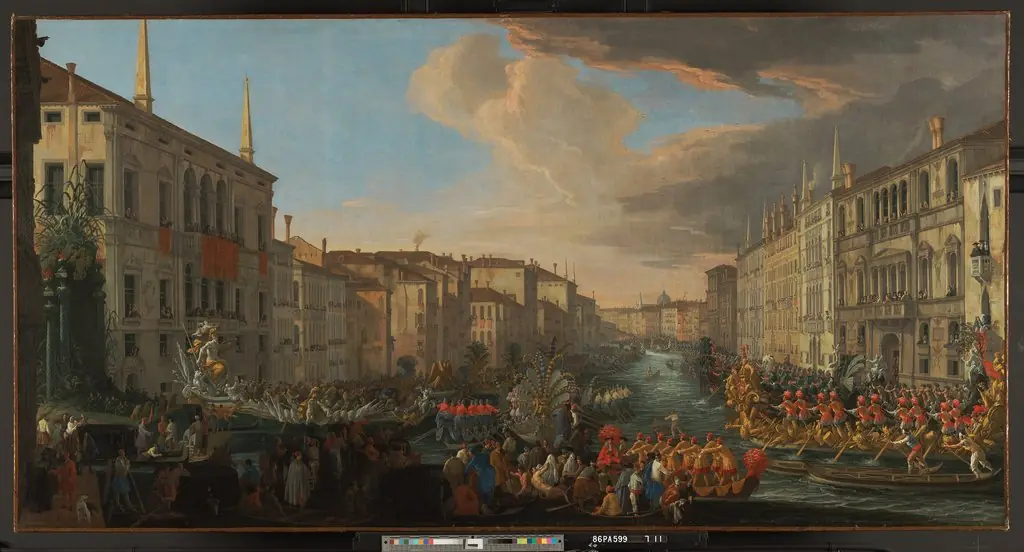
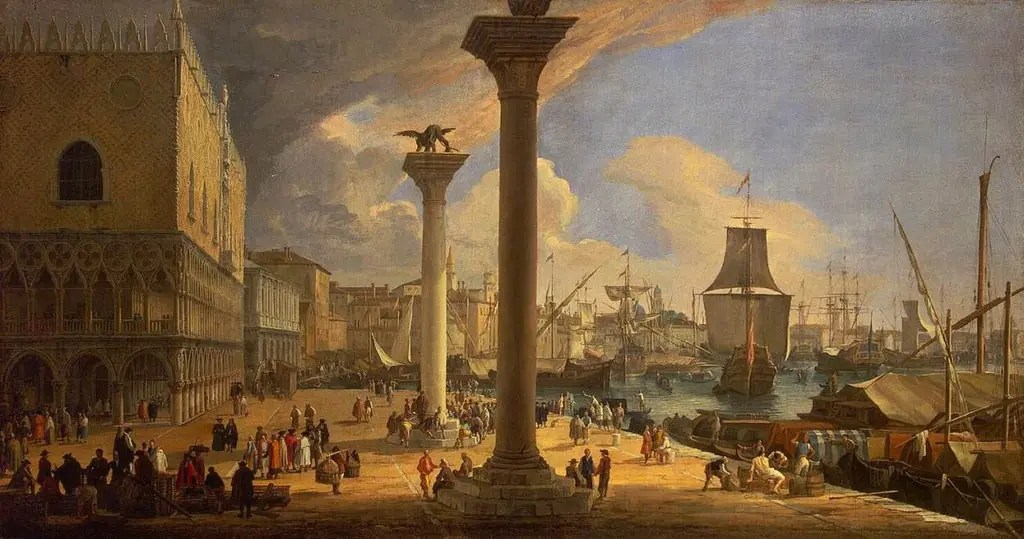
Carlevarijs worked in Venice during a period when urban views were gaining artistic and commercial traction. His macchiette were part of a broader shift toward documenting everyday life with observational accuracy. These studies laid groundwork for later veduta painters like Canaletto and Guardi, who expanded the genre into grand, detailed cityscapes. Carlevarijs’s sketches represent the foundational stage of this evolution—raw, personal, and grounded in real experience.
Legacy
Though overshadowed by later Venetian view painters, Carlevarijs’s preparatory sketches remain significant for their insight into artistic methodology. The macchiette demonstrate how observation informed composition in eighteenth-century Venice. Their survival allows scholars to trace the transition from spontaneous study to formal painting, revealing the labor behind seemingly effortless cityscapes. These works affirm his role as a quiet innovator in the development of veduta as a genre.
Artist & collection
Artist
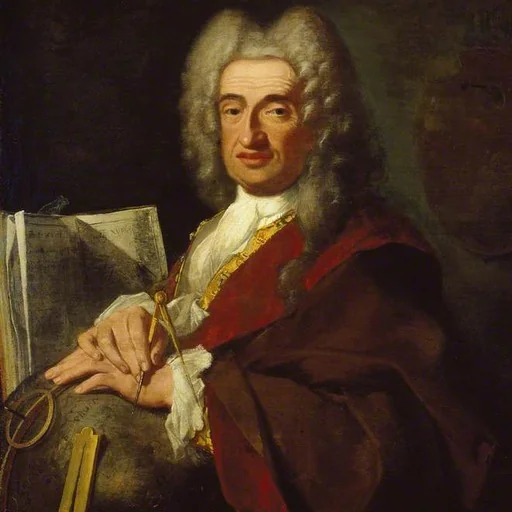
Luca Carlevarijs or Carlevaris (20 January 1663 – 12 February 1730) was an Italian painter and engraver working mainly in Venice.