Artwork
Death of Saint Joseph
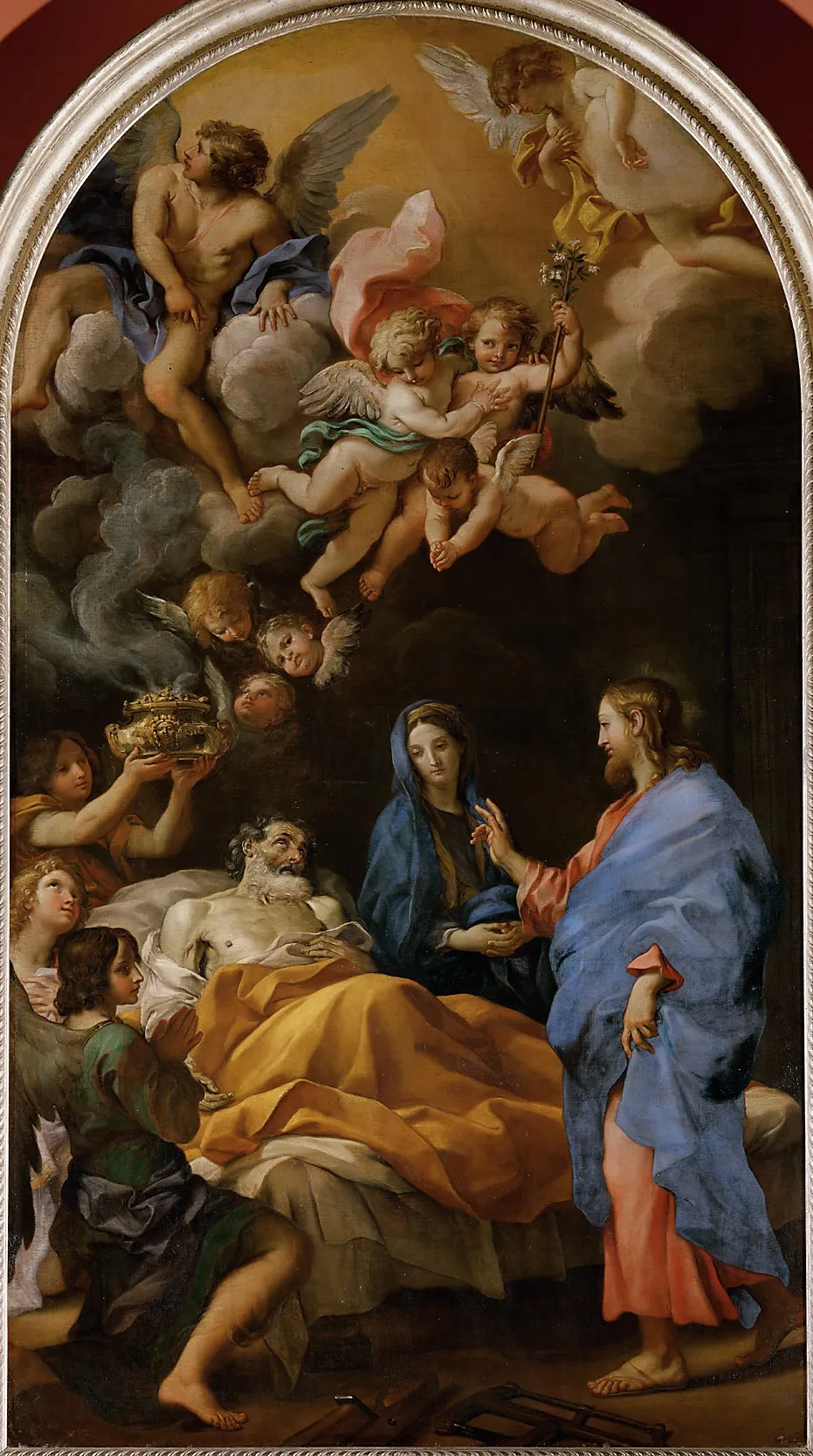
Death of Saint Joseph is an unspecified painting by the Early Baroque Italian artist Carlo Maratta. It dates from 1688 and is held in the collection of the Kunsthistorisches Museum.
About this work
Overview
Carlo Maratta painted *Death of Saint Joseph* in 1688 on canvas, reflecting his position as a leading Roman artist of the late Baroque era.
Carlo Maratta painted *Death of Saint Joseph* in 1688 on canvas, reflecting his position as a leading Roman artist of the late Baroque era. His work was commissioned by ecclesiastical patrons and aligned with the Church’s emphasis on devotional imagery. The painting is now part of the Kunsthistorisches Museum’s collection in Vienna, where it remains a representative example of Roman classicizing painting from the period.
Subject & Meaning
The scene captures Saint Joseph’s passing, a moment of quiet sanctity emphasized by the presence of witnesses and celestial figures. His reclining form, draped in yellow, is the emotional center, surrounded by mourners whose gestures convey grief and reverence. Above, angels and cherubs suggest divine presence, reinforcing Joseph’s role as protector of the Holy Family and a model of pious death in Catholic devotion.
Technique & Style
Maratta employed a restrained palette of blues, whites, and golds to create harmony and spatial depth. Figures are rendered with balanced proportions and controlled movement, reflecting his adherence to classical ideals. The composition directs the viewer’s gaze toward the dying saint, using light and gesture to heighten emotional gravity without theatrical excess, distinguishing his approach from more dynamic Baroque contemporaries.
History & Provenance
Commissioned during Maratta’s peak influence in Rome, the painting likely originated as an altarpiece or private devotional work. It entered the Habsburg collection in the 18th century, possibly through diplomatic or ecclesiastical channels, and was later cataloged in the Kunsthistorisches Museum’s holdings. Its preservation reflects its continued recognition as a significant work of Roman religious art.
Context
In late 17th-century Rome, depictions of Saint Joseph’s death gained popularity as devotion to the earthly father of Christ expanded following his official recognition as patron of the universal Church. Maratta’s interpretation aligns with Counter-Reformation ideals, promoting contemplative piety through orderly, emotionally tempered scenes that contrasted with the more dramatic styles of northern Europe.
Legacy
Maratta’s *Death of Saint Joseph* exemplifies the transition from high Baroque dynamism toward a more restrained, classical aesthetic that influenced 18th-century academic painting. While less celebrated today than his frescoes or portraits, the work remains a key reference for understanding how religious themes were visually codified in Rome’s artistic circles during the late Baroque period.
Artist & collection
Artist
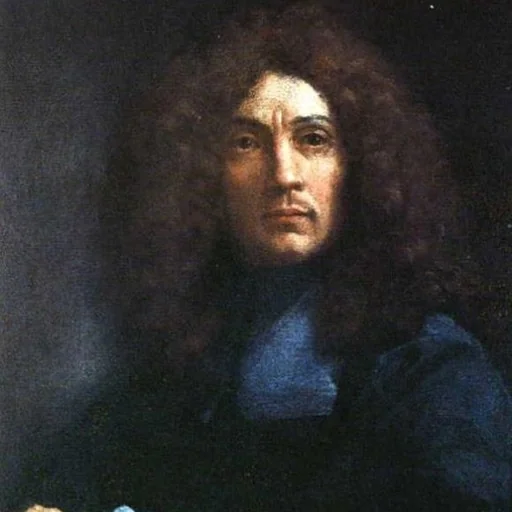
Carlo Maratta or Maratti (18 May 1625 – 15 December 1713) was an Italian Baroque painter and draughtsman, active principally in Rome where he was the leading painter in the second half of the 17th century.

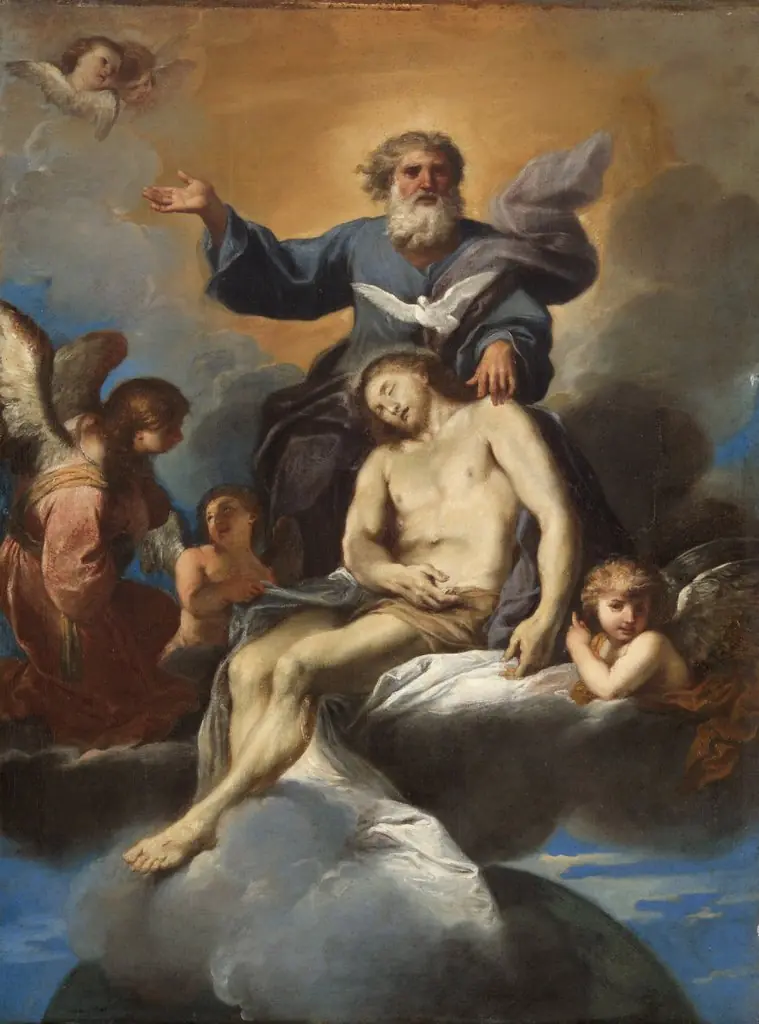 The Holy Trinity
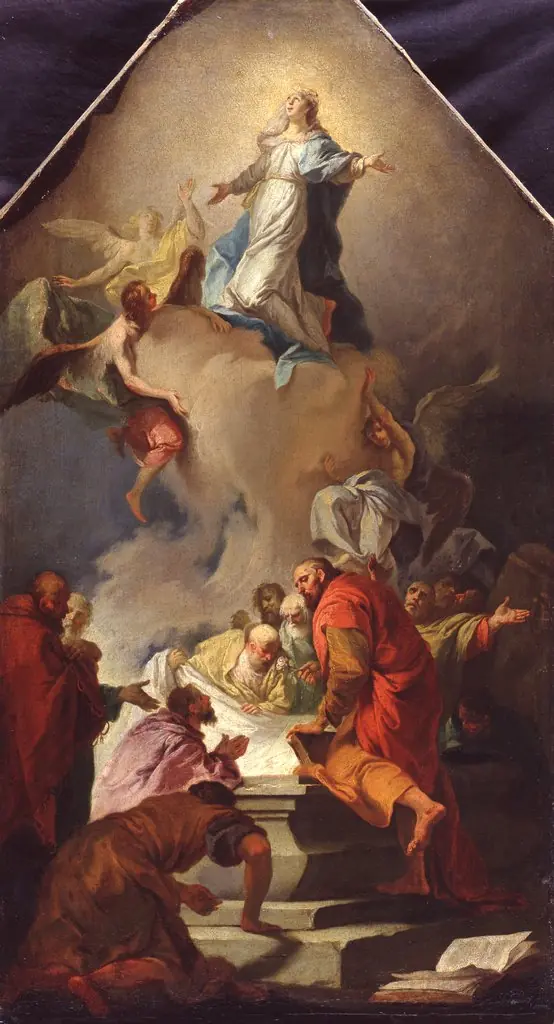 The Assumption of Mary
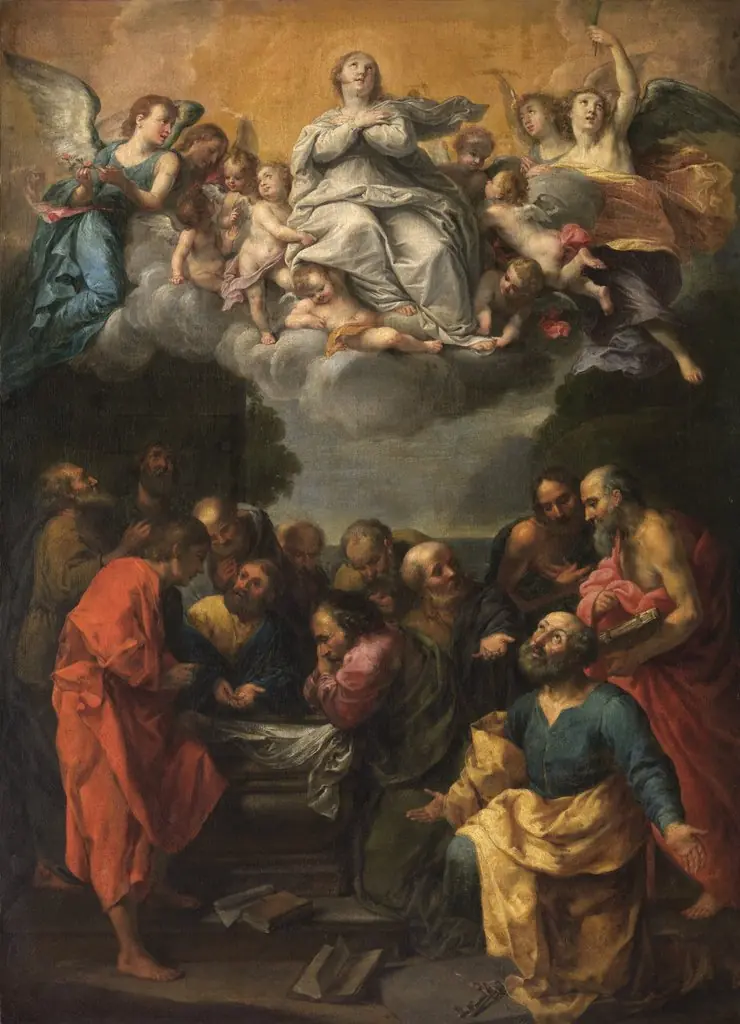 The Assumption of Mary
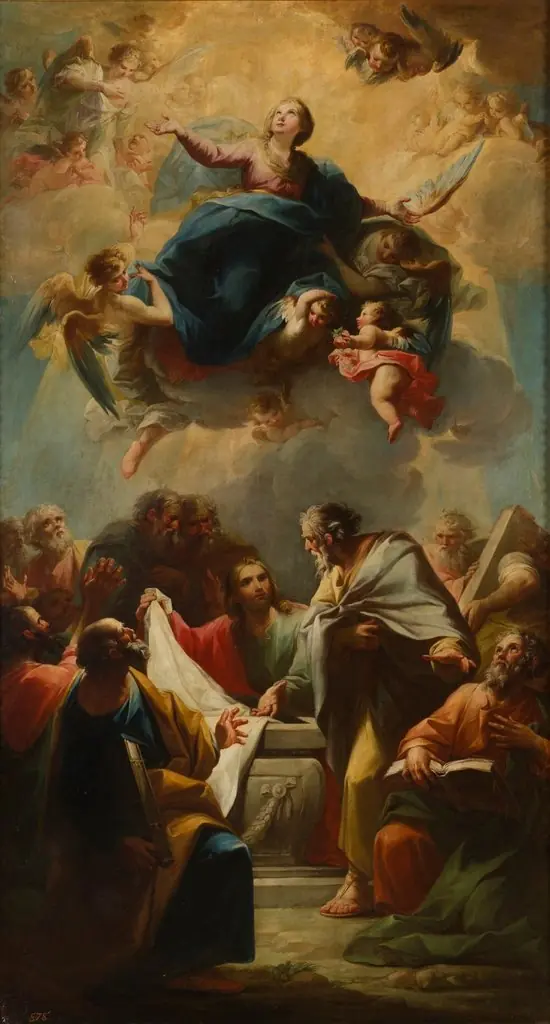 The Assumption of the Virgin
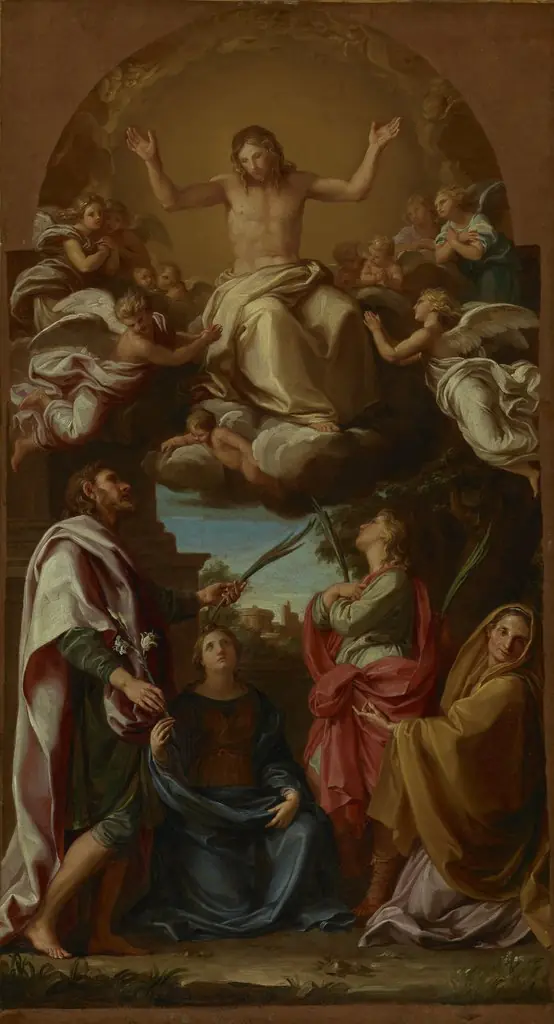 Christ in Glory with Saints Celsus, Julian, Marcionilla and Basilissa
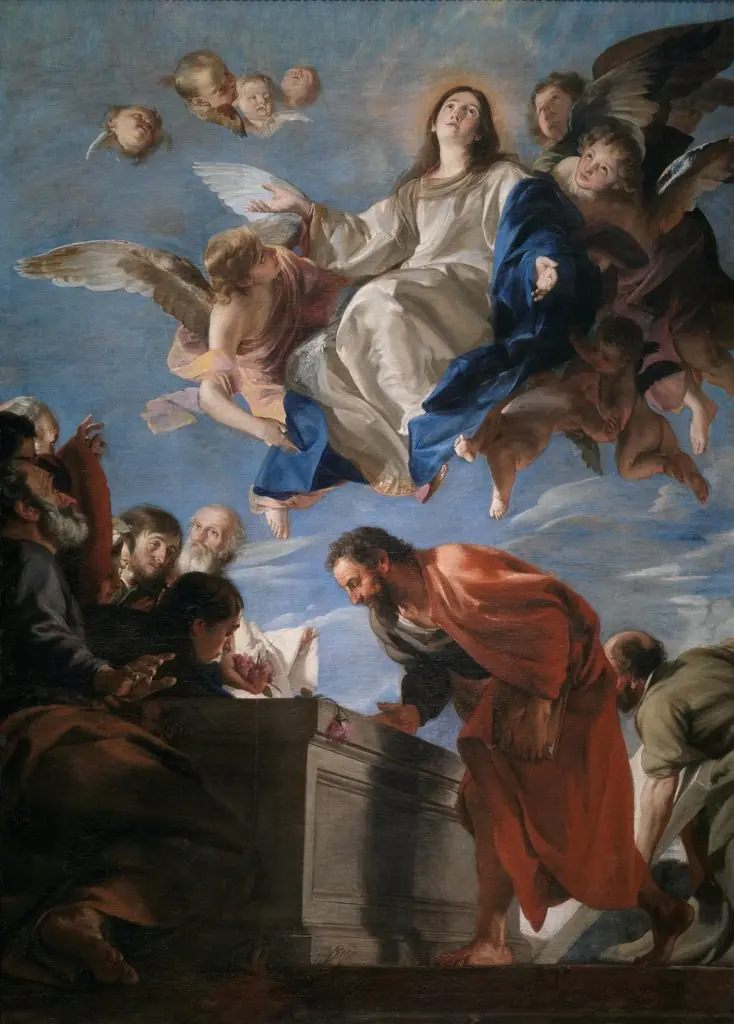 The Assumption of the Virgin
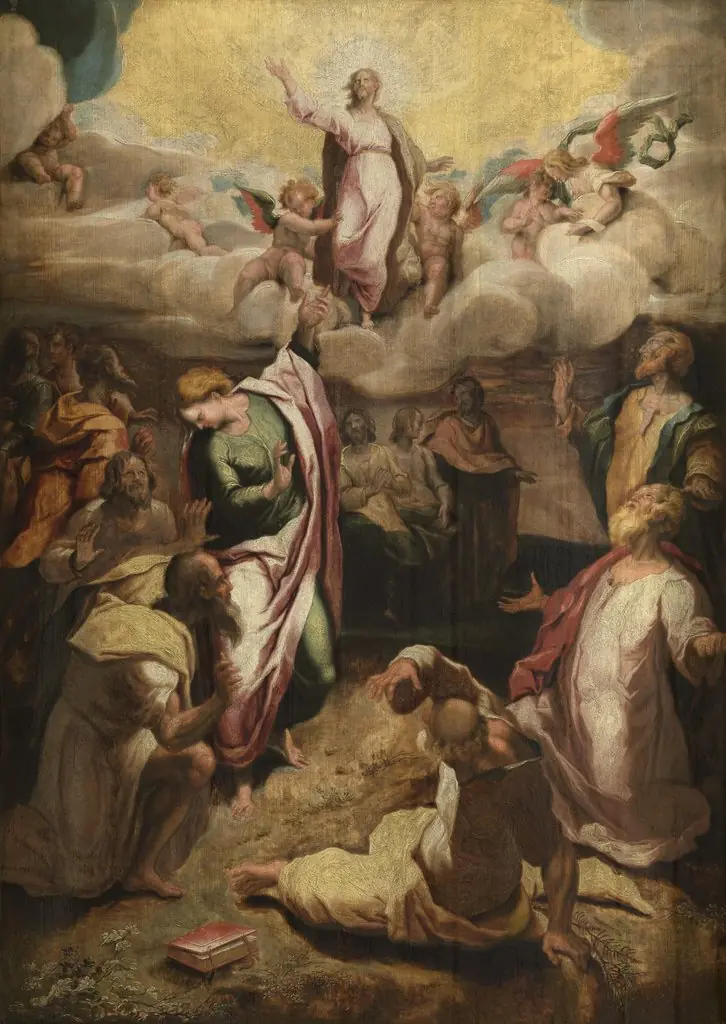 Resurrection of Christ
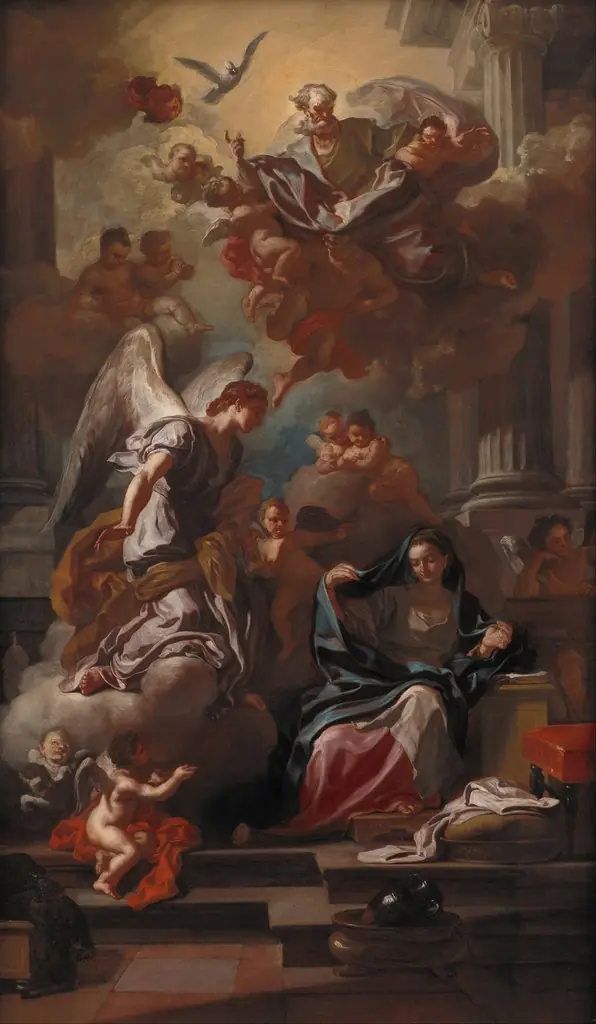 The Annunciation
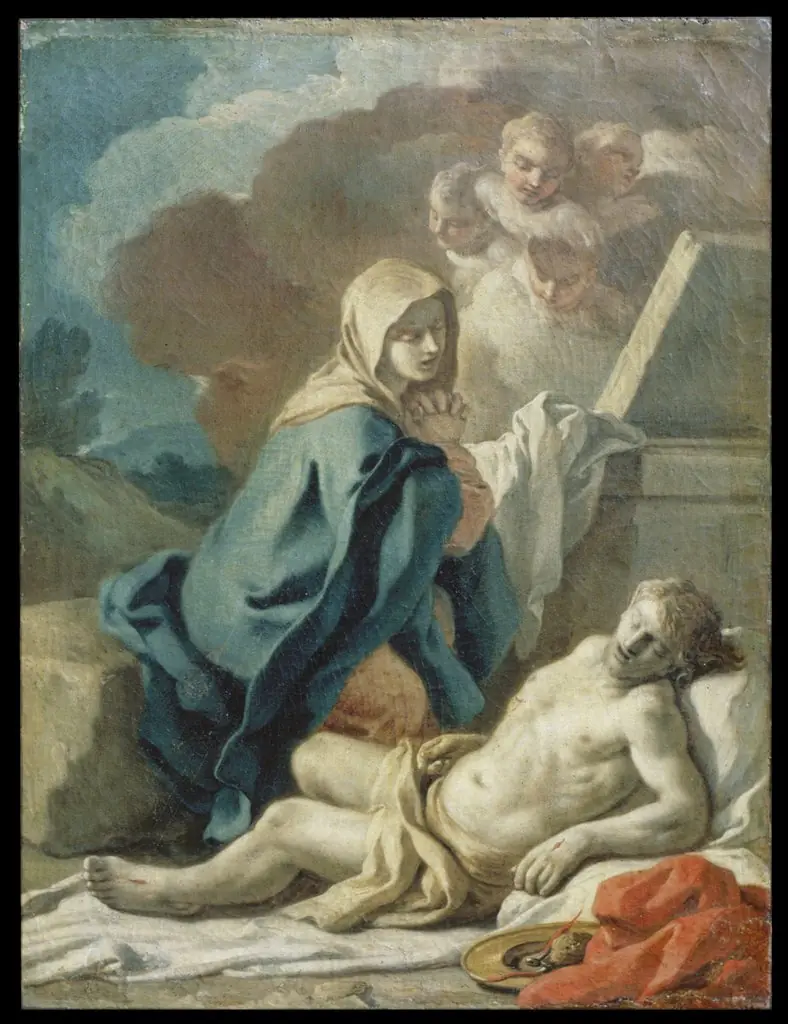 Pietà
Pietà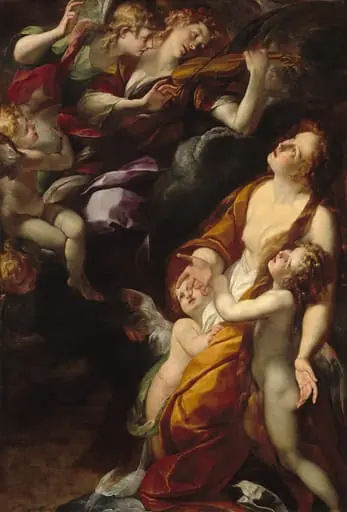 The Ecstasy of the Magdalen
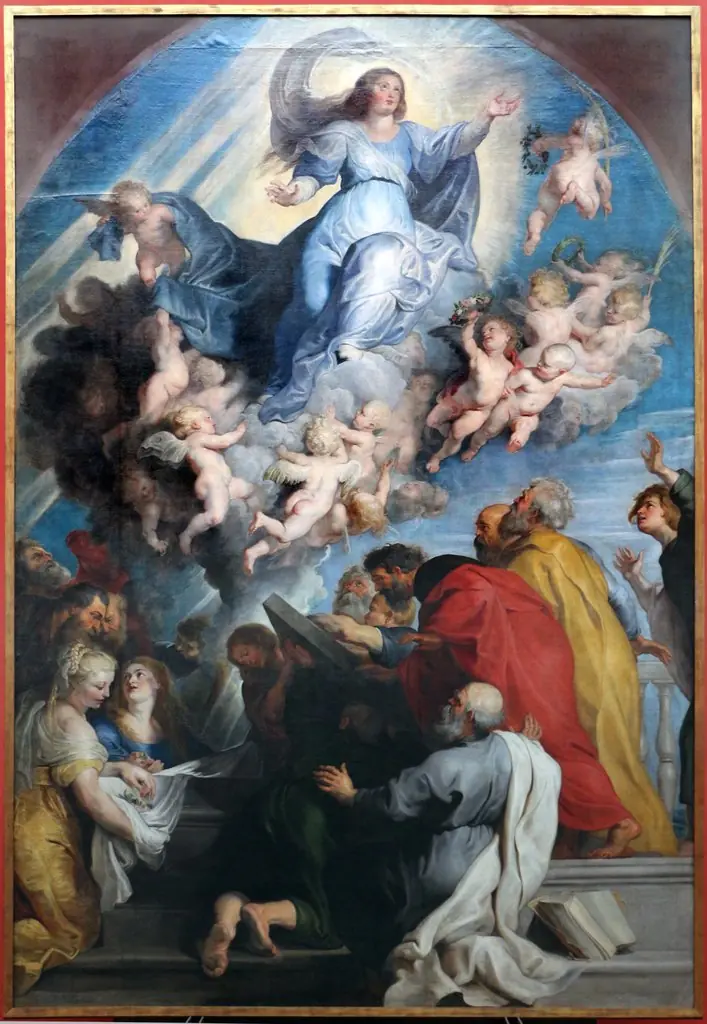 The assumption of the Virgin
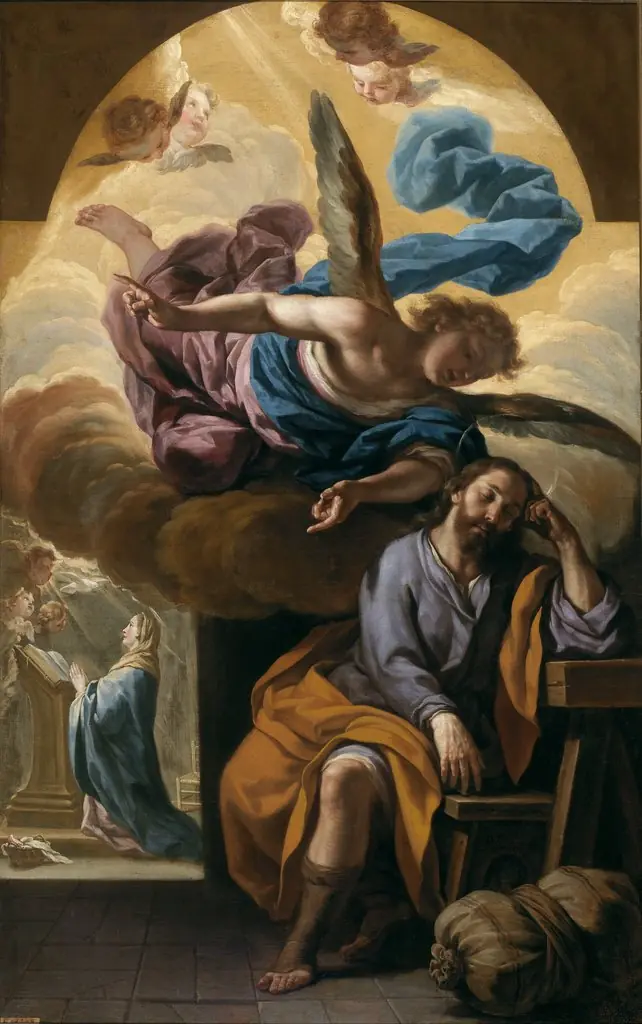 Saint Joseph’s Dream