Artwork
The Martyrdom of the Ten Thousand
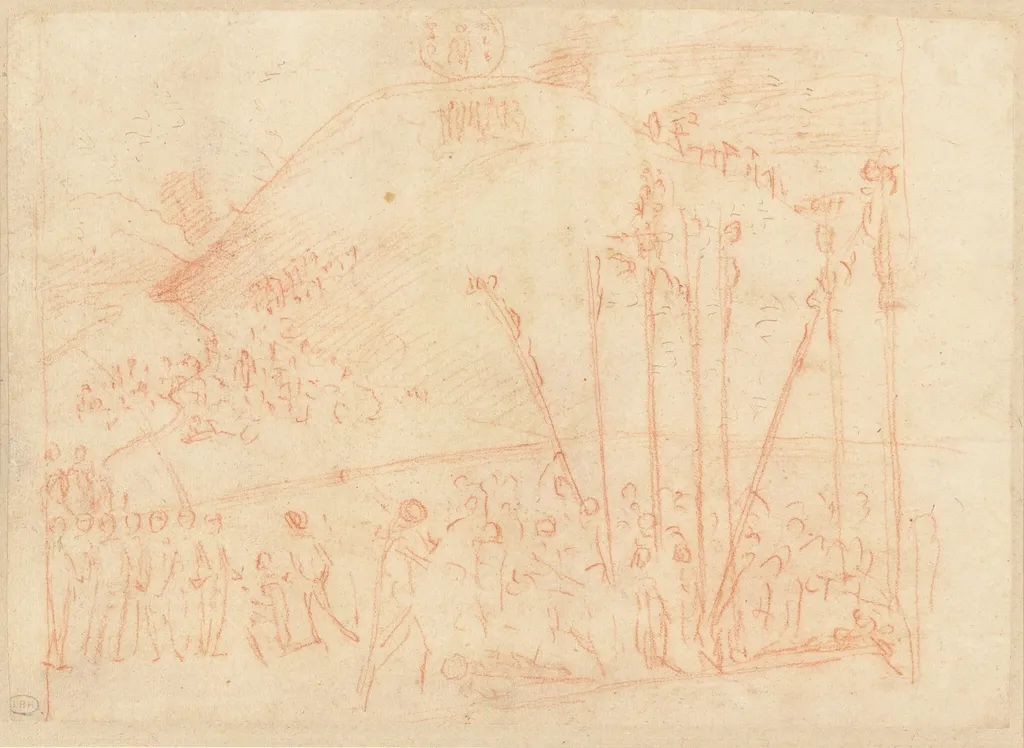
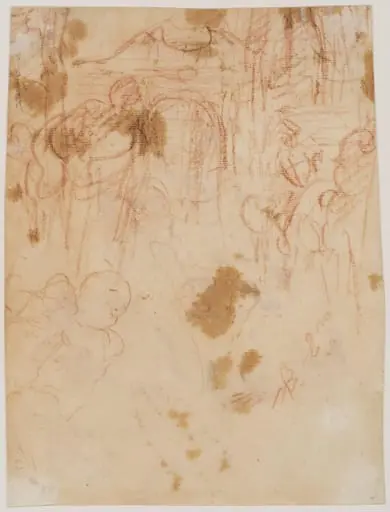
The Martyrdom of the Ten Thousand is a chalk drawing by the Renaissance artist Vittore Carpaccio. It dates from 1514 and is held in the collection of the National Gallery of Art.
About this work
Overview
Created around 1514, *The Martyrdom of the Ten Thousand* is a red chalk drawing on laid paper by Vittore Carpaccio, supplemented with short pen strokes. It showcases a chaotic martyrdom scene, likely inspired by the legend of the Ten Thousand Christian soldiers.
Subject & Meaning
The drawing depicts a tumultuous scene of martyrdom, with figures in various poses around a monumental structure. The subject references the legendary execution of Christian soldiers, reflecting Carpaccio's exploration of themes related to death.
Technique & Style
Executed in red chalk with accents of short pen strokes, the work demonstrates Carpaccio's skill in dynamic composition and emotional expression. While not a prime example of sfumato, the piece highlights his ability to capture movement and drama.
History & Provenance
Conceived as a study for a larger, unspecified work, *The Martyrdom* exemplifies Carpaccio's preparatory process. Influences from his mentors and contemporaries, including Gentile Bellini and Antonello da Messina, are evident in its architectural detail and expressive qualities.
Context
Emerging from the early Italian Renaissance, this drawing reflects Carpaccio's Venetian background and the broader artistic trends of the time, including the impact of Early Netherlandish painting on Italian artists.
Legacy
As a study, *The Martyrdom of the Ten Thousand* provides insight into Carpaccio's creative process and his approach to depicting dramatic, emotionally charged scenes, contributing to the understanding of his oeuvre and early Renaissance artistic practices.
Artist & collection
Artist
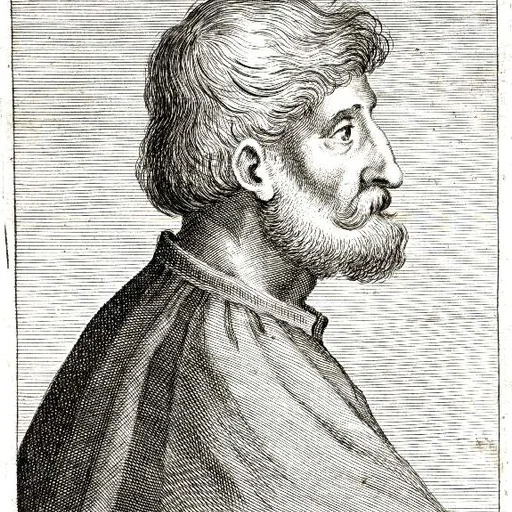
Vittore Carpaccio (UK: kar-PATCH-ee-oh, US: -PAHTCH-, Italian: ; c. 1460/65 – c. 1525) was an Italian painter of the Venetian school who studied under Gentile Bellini. Carpaccio was largely influenced by the style of…

 Recto: Rinaldo and Armida; verso: Study for a gateway
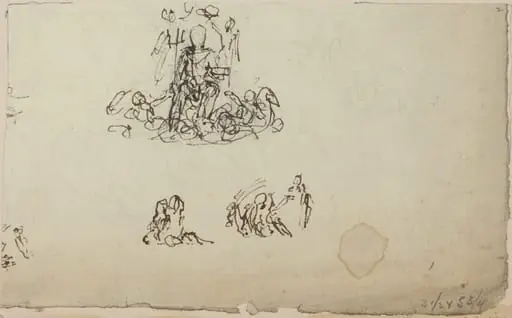 Study of Neptune and Sea Creatures (?)
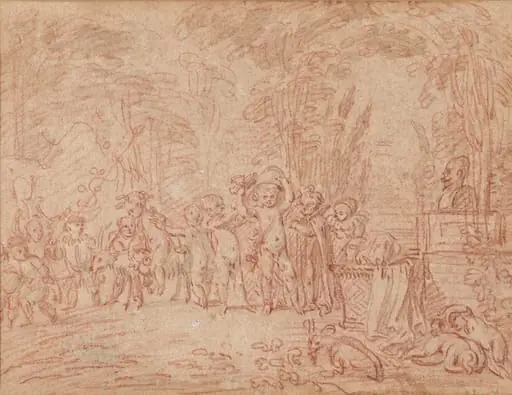 Children Parodying a Triumph of Bacchus
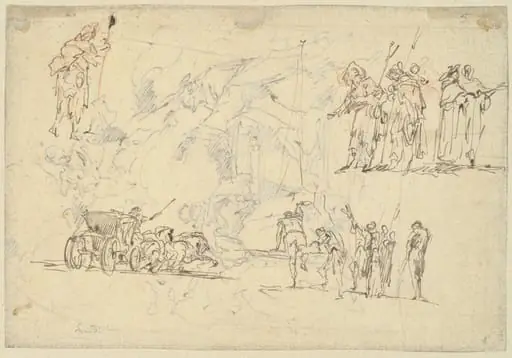 Figure Studies and a Horse-Drawn Carriage (recto)
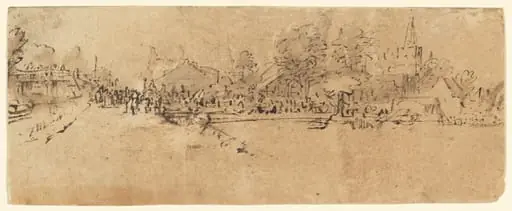 View of Diemen
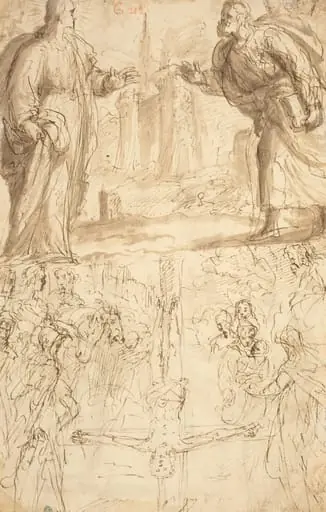 Crucifixion of Saint Peter
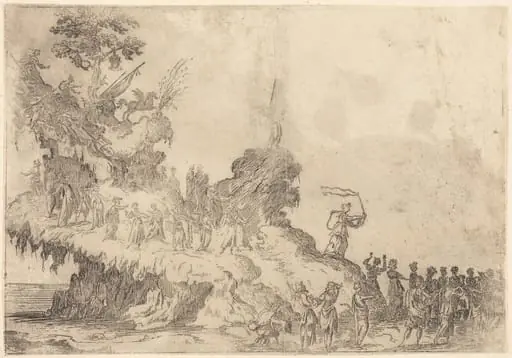 The Float of Mount Parnassus
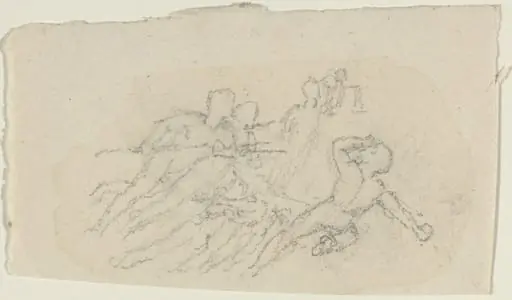 Group of Figures
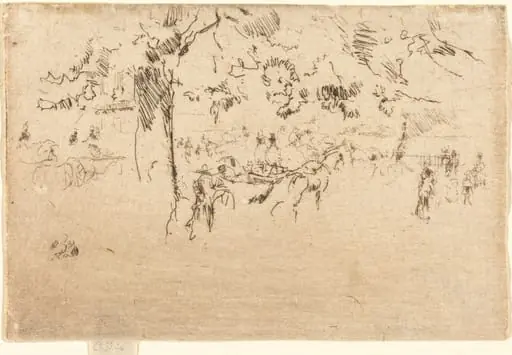 Saint James's Park
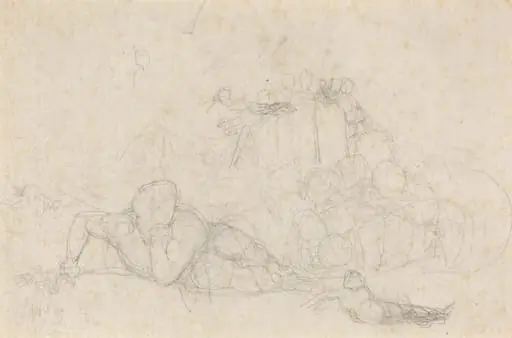 Sheet of Studies
 Sacrifice of Abraham
 A Bishop Blessing a King