Artwork
Pan Taming Eros
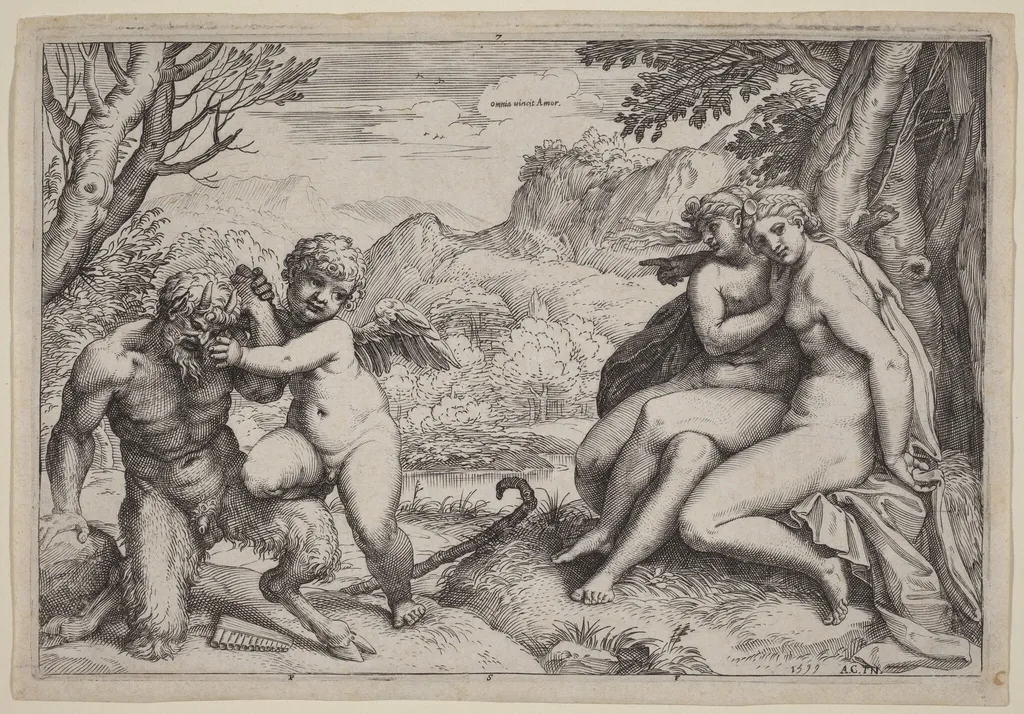
Pan Taming Eros is an ink print by the Renaissance artist Agostino Carracci. It dates from 1599 and is held in the collection of the National Gallery of Art.
About this work
Overview
The print exemplifies the academy’s commitment to technical precision and narrative clarity in reproductive printmaking.
Agostino Carracci created this 1599 engraving as part of a broader movement in Bologna to renew Italian art through direct observation and classical inspiration. Alongside his brother Annibale and cousin Ludovico, he helped establish the Accademia degli Incamminati, which rejected the artificiality of Mannerism in favor of balanced composition and lifelike form. The print exemplifies the academy’s commitment to technical precision and narrative clarity in reproductive printmaking.
Subject & Meaning
The scene illustrates a mythological moment in which Pan, the rustic god of the wild, restrains Eros, the god of desire. Eros lies entangled in vines, his bow discarded, while Pan watches with calm authority. A third figure, likely a companion to Eros, holds arrows nearby, suggesting the suspension of love’s power. The imagery conveys a tension between untamed nature and controlled passion, reflecting Renaissance interest in moral and emotional balance within classical narratives.
Technique & Style
Carracci employed fine, controlled lines carved into a copper plate to render texture and volume. The engraving’s delicate hatching defines musculature, foliage, and the intricate tangle of vines, while the absence of tone emphasizes linear clarity. The figures are rendered with anatomical accuracy and subtle gestures, demonstrating Carracci’s training in drawing from life. The composition is tightly organized, guiding the viewer’s eye through the interplay of bodies and natural elements.
History & Provenance
Produced in Bologna during the height of the Accademia degli Incamminati’s influence, the print circulated among collectors and artists as a model of classical revival. It was likely made for dissemination rather than private commission, aligning with the academy’s goal of elevating printmaking as a serious art form. Its survival in multiple institutional collections suggests early recognition of its technical and thematic significance within the Bolognese artistic network.
Context
In late 16th-century Italy, artists sought to move beyond the stylized elegance of Mannerism by returning to the naturalism of antiquity and Renaissance masters like Raphael. Carracci’s work responded to this shift, using mythological subjects not for ornamentation but as vehicles for psychological and physical realism. The engraving reflects broader intellectual currents that valued classical learning, humanist ideals, and the study of the natural world as foundations for artistic practice.
Legacy
Carracci’s engraving contributed to the legitimization of printmaking as a medium capable of conveying complex narratives with technical rigor. It influenced later generations of Bolognese artists and helped establish a model for combining classical subject matter with observed naturalism. Though less celebrated than his paintings, this work remains a key example of how print culture advanced artistic reform in early modern Italy.
Artist & collection
Artist
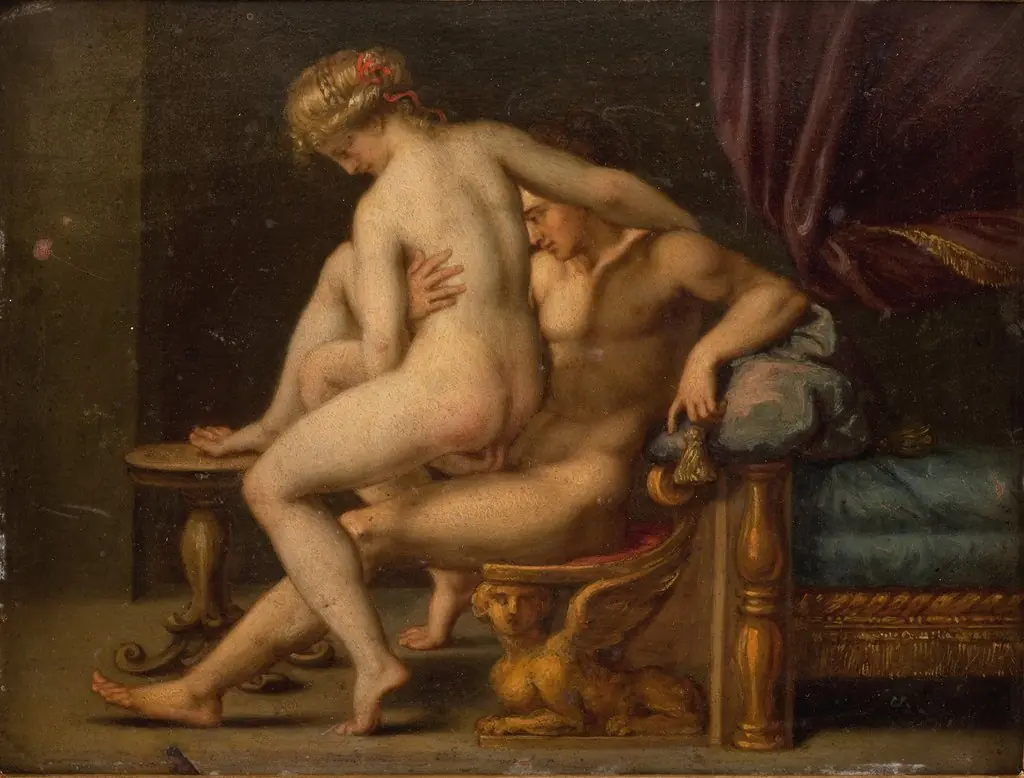
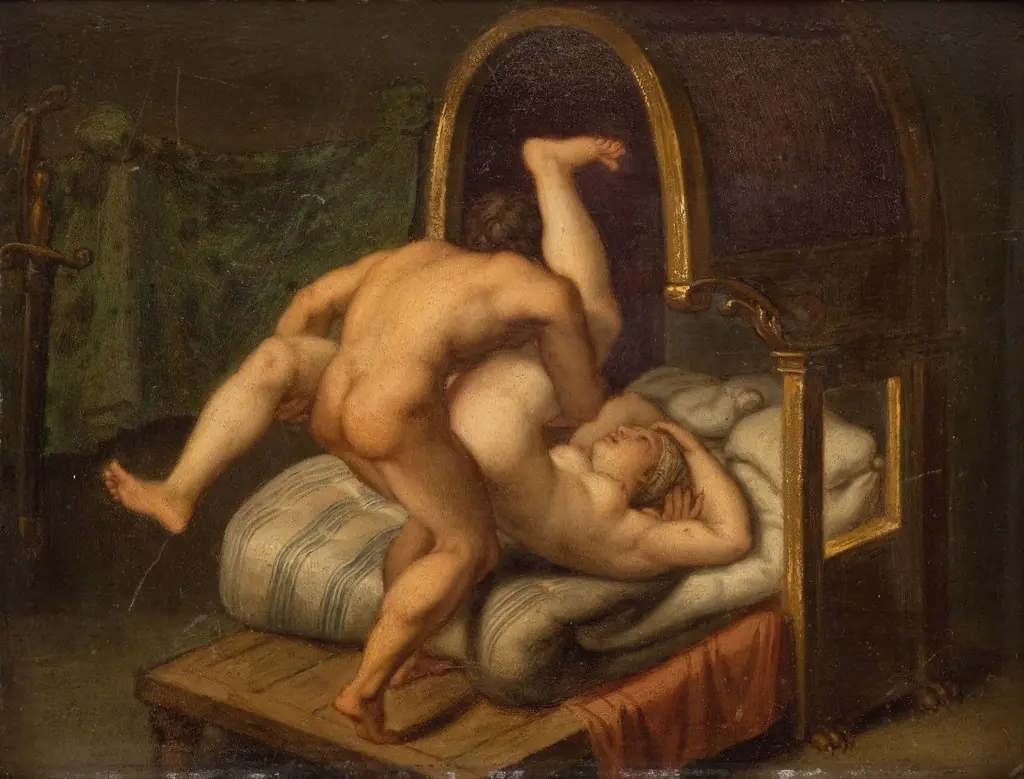
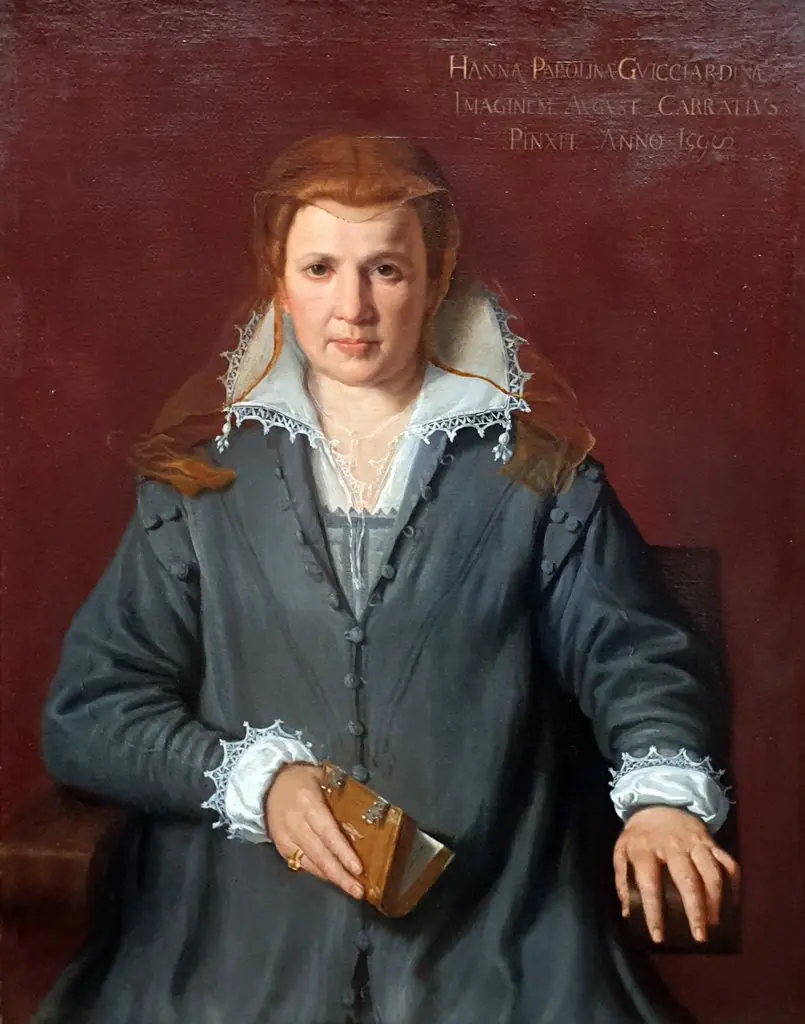
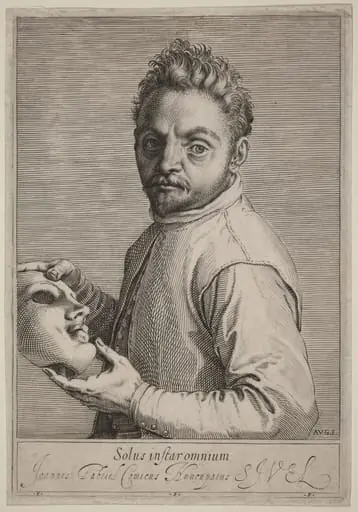
Agostino Carracci ( kə-RAH-chee, UK also kə-RATCH-ee, Italian: ; also Caracci; 16 August 1557 – 22 March 1602) was an Italian painter, printmaker, tapestry designer, and art teacher.

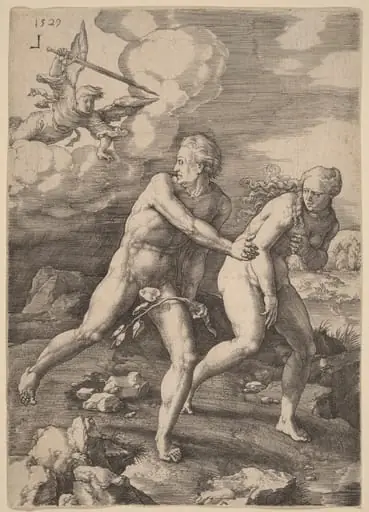 The Explusion from Paradise
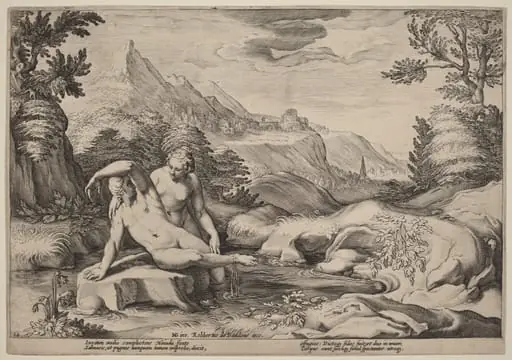 Salmacis and Hermaphroditus
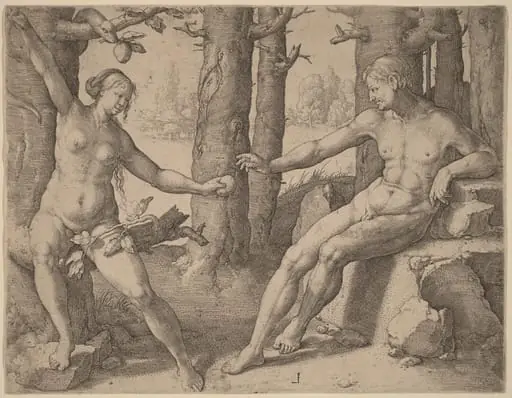 The Fall of Man
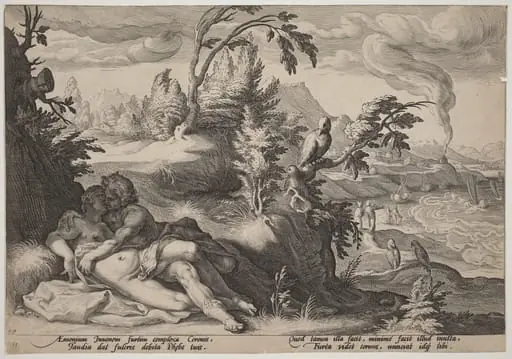 Apollo and Coronis
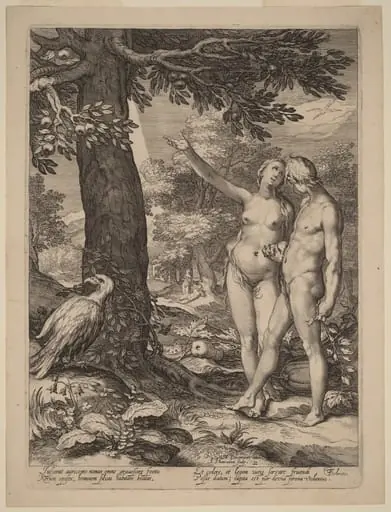 Adam and Eve before the Tree of Knowledge
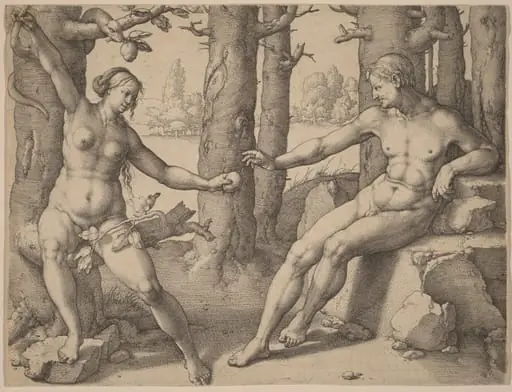 The Fall of Man
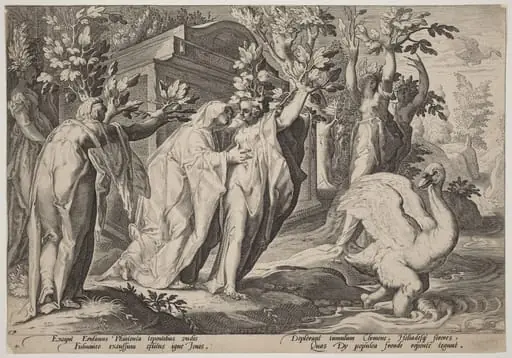 Phaeton's Sisters Changed into Poplars, and Cygnus into a Swan
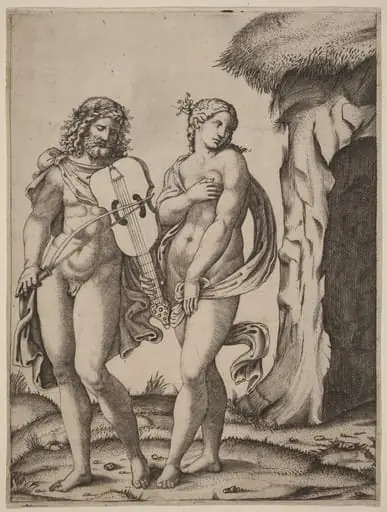 Orpheus and Eurydice
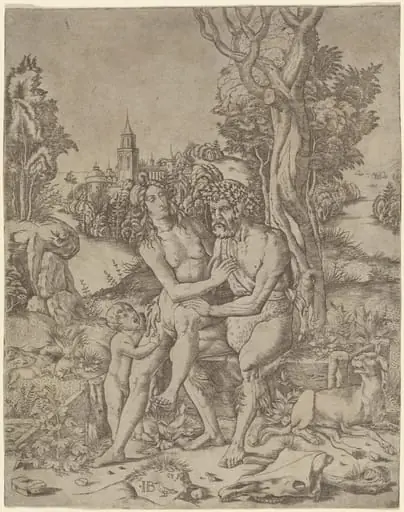 Faun Family
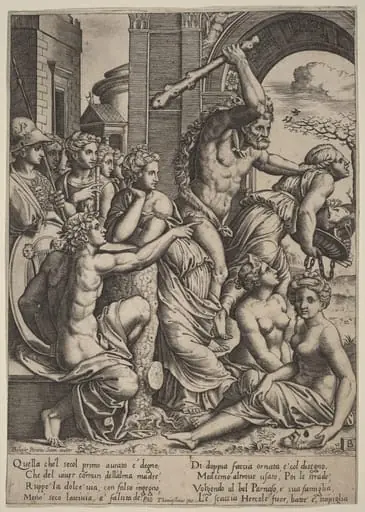 Envy Driven from the Temple of the Muses
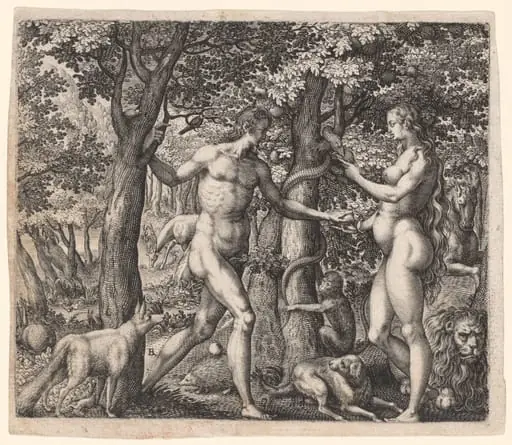 Adam and Eve
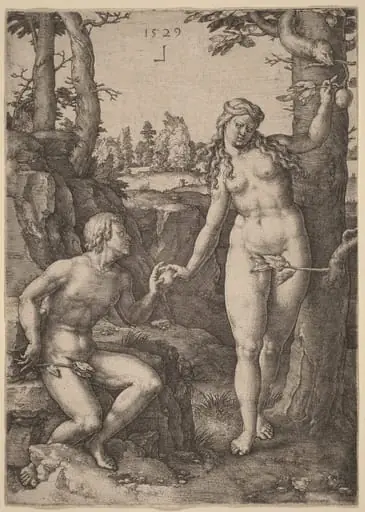 The Fall of Man