Artwork
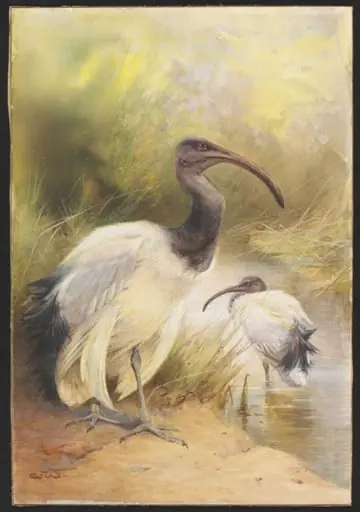
A pair of White Pelicans
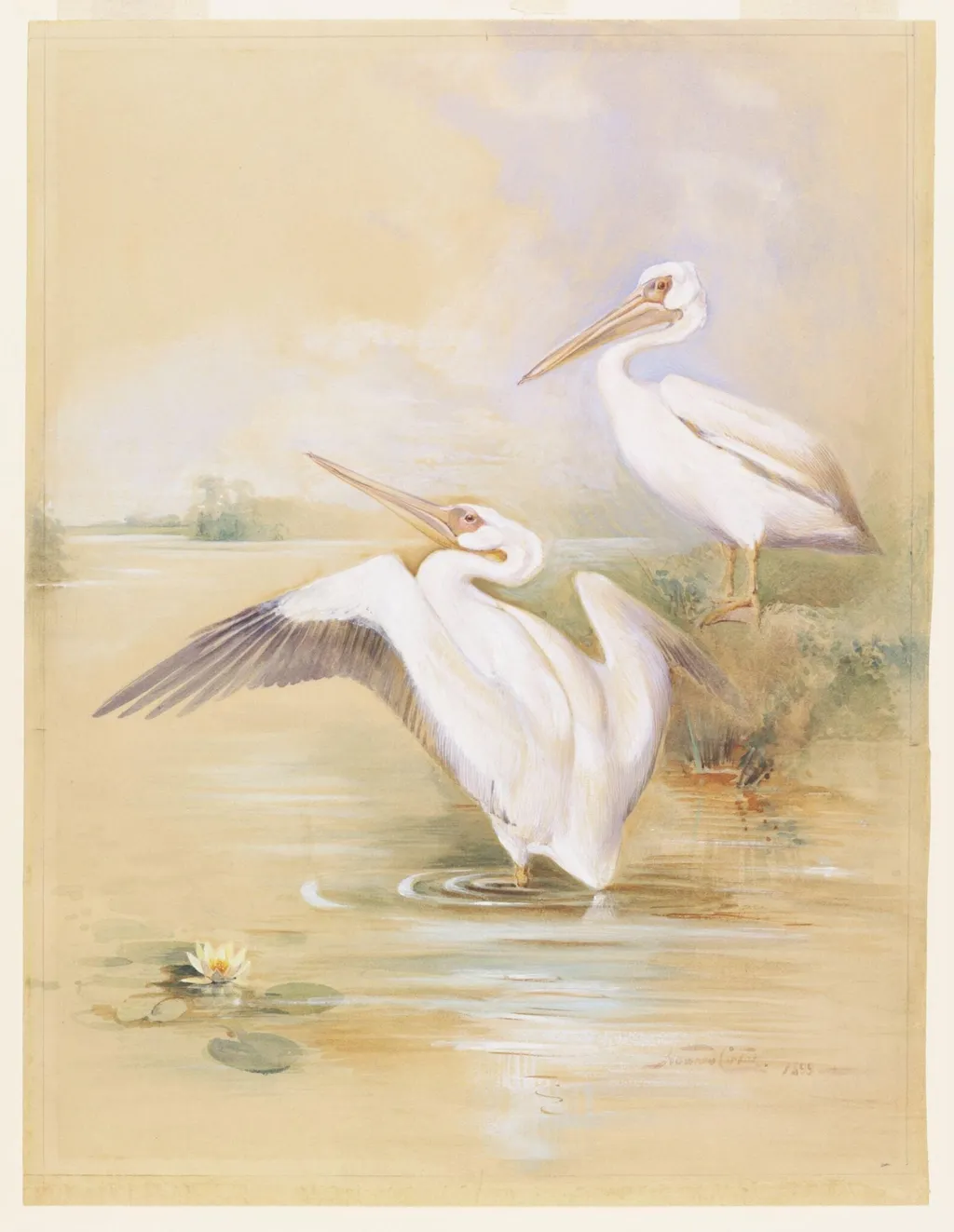
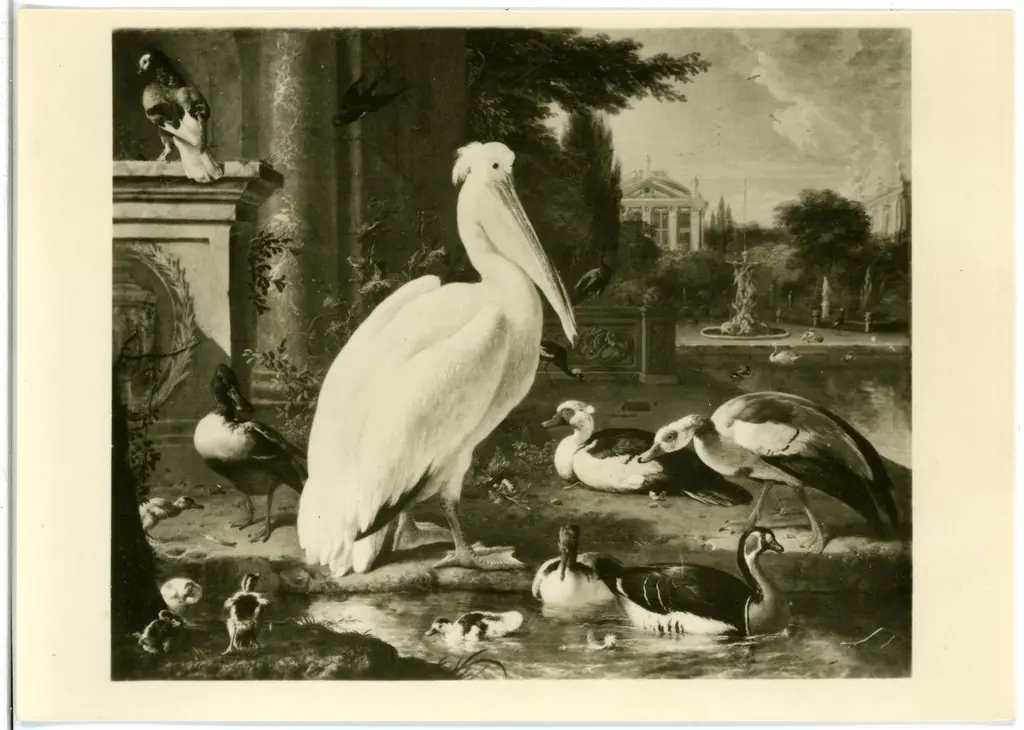
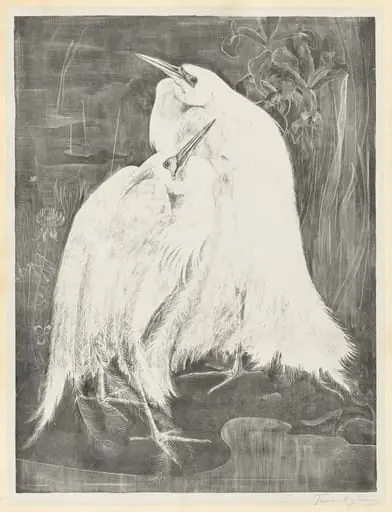
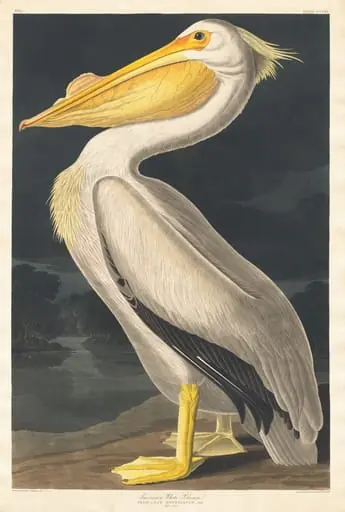
A pair of White Pelicans is a watercolor work on paper by the Impressionist artist Howard Carter. It dates from 1899 and is held in the collection of the Victoria and Albert Museum.
About this work
The work blends Impressionism and Realism, two movements that shaped 19th-century art.
Howard Carter painted *A Pair of White Pelicans* in 1899. It’s a watercolor, showing two birds standing side by side. The work blends Impressionism and Realism, two movements that shaped 19th-century art.
Before his famous Egypt digs, Carter made a living selling bird paintings. Pelicans were a popular subject in Egypt. His father taught him to draw animals, so birds came naturally.
Look up Edward Lear next.
Overview
Created in 1899, this watercolour by Howard Carter depicts two white pelicans standing side by side, rendered with careful attention to form and light. Before his archaeological fame, Carter supported himself through art, producing bird studies for tourists and collectors. The work reflects his early training under his father, a noted animal painter, and his engagement with the natural world of Egypt during his years of excavation.
Subject & Meaning
The pelican, a common sight along the Nile, was a frequent subject for artists and travelers in 19th-century Egypt. Carter’s depiction focuses on the birds’ quiet presence, emphasizing their stillness and anatomical accuracy. Unlike ornamental or whimsical treatments, his approach is observational, aligning with the scientific interest in local fauna that accompanied colonial-era exploration and documentation.
Technique & Style
Carter employed watercolour with a blend of loose, impressionistic washes and precise linear detail, capturing both the texture of feathers and the play of light on wet surfaces. His technique shows the influence of 19th-century naturalist illustration, balancing realism with atmospheric softness. The composition is simple yet deliberate, framing the birds against an empty background to heighten their presence.
History & Provenance
Painted during Carter’s early years in Egypt, when he worked for the Egypt Exploration Fund, this watercolour was likely made to supplement his income. It belongs to a series of bird studies he produced between 1892 and 1903, before shifting full-time to archaeology. The work’s survival offers rare insight into his pre-Tutankhamun career and the commercial art market catering to European visitors.
Context
Birds, especially pelicans, were a popular theme among Western travelers to Egypt, drawn by their abundance and exoticism. Artists like Edward Lear had already established the pelican as a subject of both scientific and literary interest. Carter’s work fits within this tradition, though his approach is more restrained—focused on observation rather than narrative or whimsy.
Legacy
Though overshadowed by his later archaeological achievements, Carter’s bird paintings remain a quiet testament to his artistic discipline and early career. They illustrate the intersection of science, travel, and art in 19th-century Egyptology. These works help contextualize his meticulous eye for detail, a trait that later defined his excavation methods and documentation practices.
Artist & collection
Artist
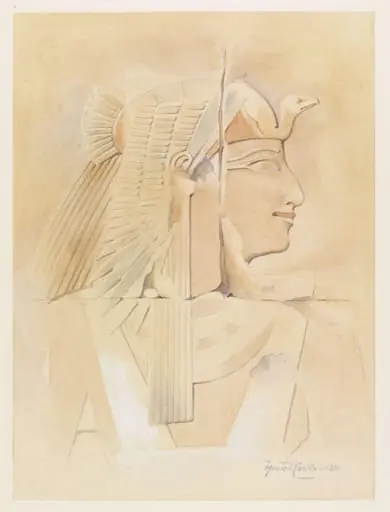
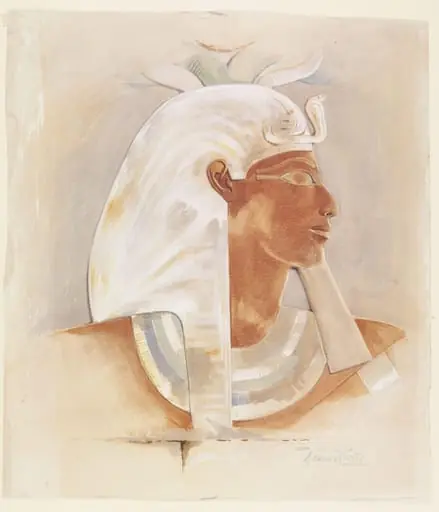
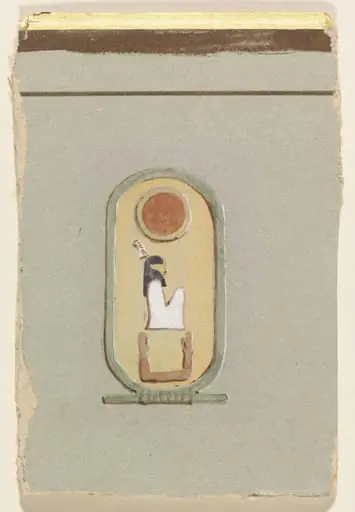
Howard Carter’s watercolours capture the sun-bleached walls of Deir al-Bahri, copying 3,500-year-old painted reliefs of queens and royal symbols.