Artwork
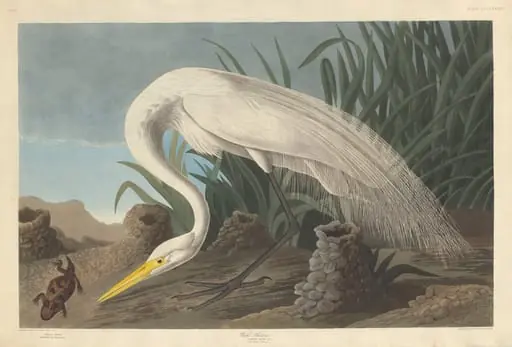
Snowy Heron, or White Egret
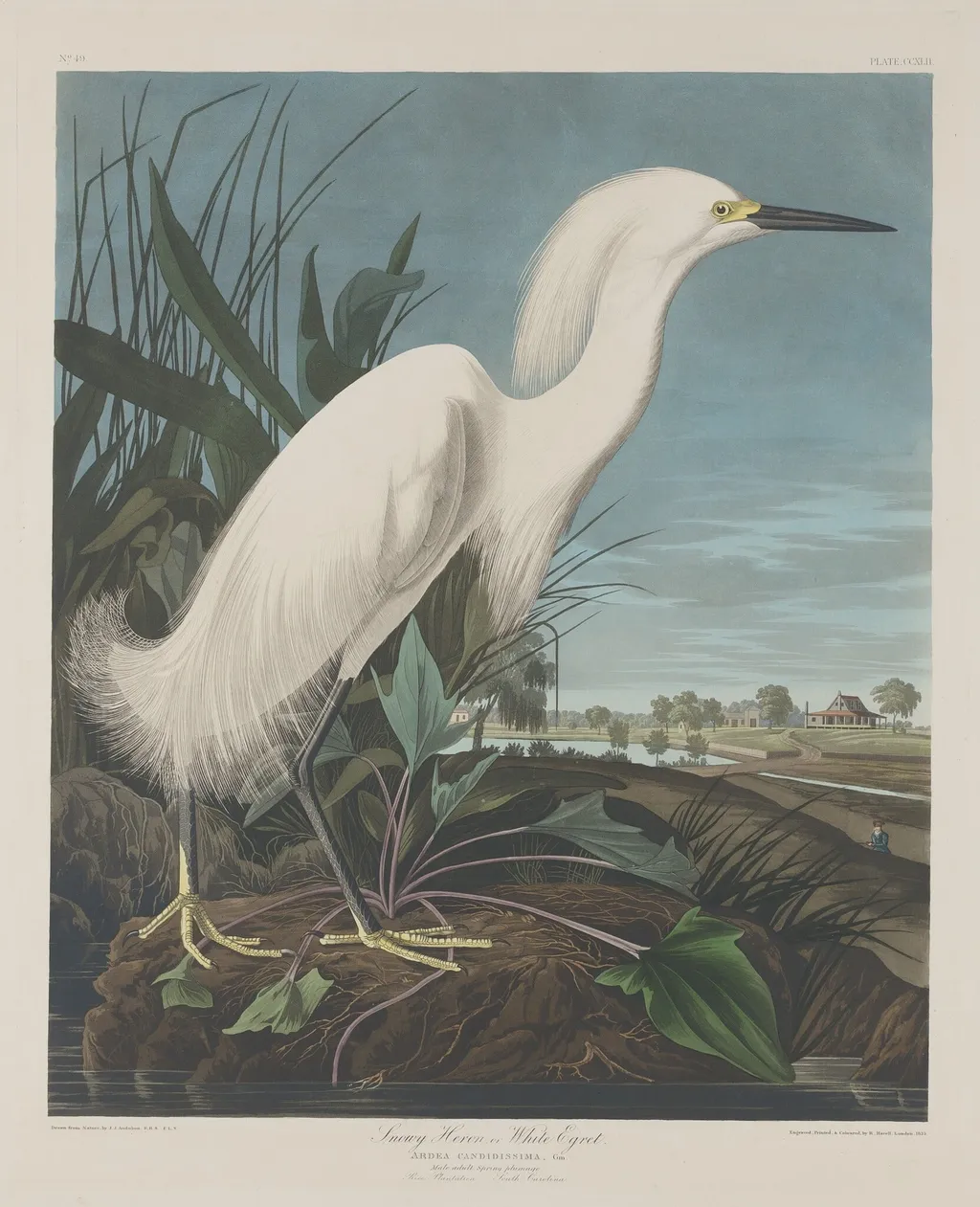
Snowy Heron, or White Egret is an ink print by the Romanticist artist Robert Havell Jr.. It dates from 1835 and is held in the collection of the National Gallery of Art.
About this work
Overview
Executed on Whatman wove paper, the work belongs to a series of ornithological prints produced during the mid-19th century.
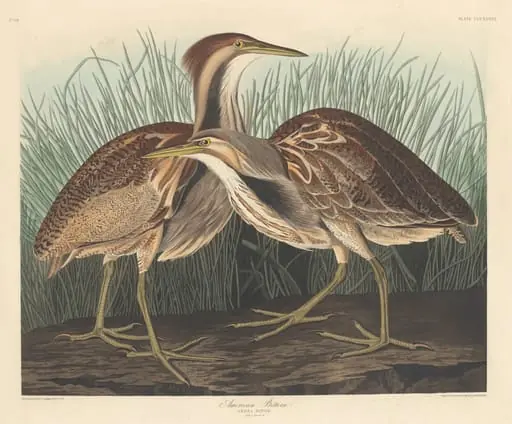
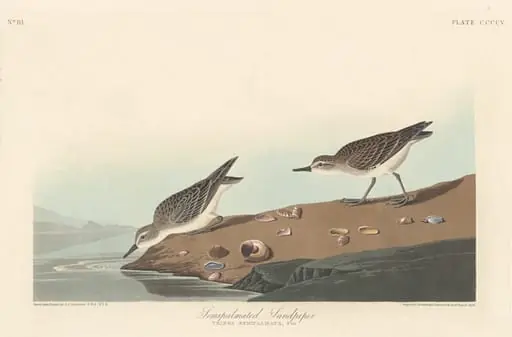
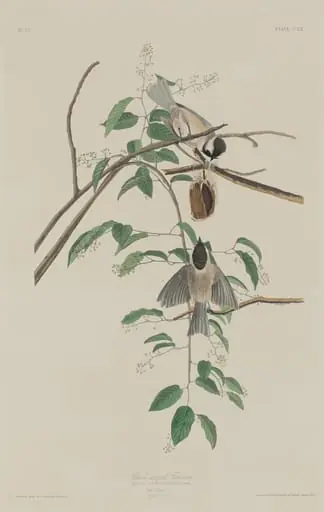
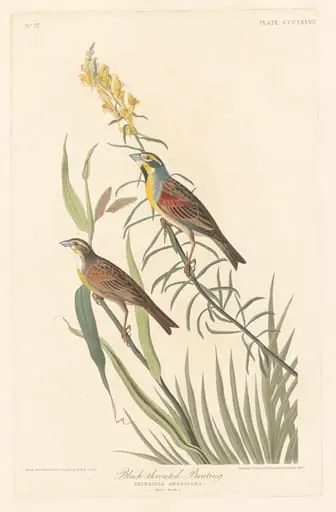
Created in 1835 by Robert Havell Jr., this hand-colored engraving and aquatint depicts a snowy egret on a rocky outcrop. Executed on Whatman wove paper, the work belongs to a series of ornithological prints produced during the mid-19th century. Havell, part of a family of English printmakers, specialized in translating natural subjects into finely detailed printed images using tonal techniques that mimicked watercolor effects.
Subject & Meaning
The subject is a snowy egret, a wading bird known for its pure white plumage and elegant posture. Rendered mid-stride on a stone, the bird’s head turns alertly to the right, suggesting awareness of its surroundings. The composition emphasizes stillness and solitude, aligning with 19th-century ideals of nature as a quiet, contemplative force. No human figures are present, yet a distant house hints at the proximity of civilization to wild habitats.
Technique & Style
Havell employed aquatint to achieve subtle gradations of tone, particularly in the bird’s feathers and the atmospheric background. Hand-coloring enhanced the naturalism of the white plumage, using delicate washes of gray and cream to suggest texture and light. The lush vegetation and distant landscape were rendered with fine line engraving, creating depth without overwhelming the central figure. The result is a harmonious balance between precision and softness.
History & Provenance
Robert Havell Jr. was the principal engraver for John James Audubon’s *Birds of America*, and this print likely emerged from the same circle of scientific illustration. Though not part of that larger work, it shares its commitment to accuracy and aesthetic refinement. The print was produced in London, where Havell maintained a studio and collaborated with naturalists. Its survival in good condition reflects its value to collectors of natural history imagery.
Context
Produced during the height of Romanticism, the image reflects a cultural fascination with nature’s tranquility and detail. Scientific exploration of the natural world was intensifying, and prints like this served both educational and aesthetic purposes. While European audiences admired exotic species, Havell’s focus on a North American bird indicates the growing transatlantic interest in American wildlife, even as colonial perspectives shaped its representation.
Legacy
Havell’s work helped establish a standard for natural history printmaking in Britain and beyond. His integration of scientific observation with artistic technique influenced later illustrators of birds and wildlife. Though overshadowed by Audubon’s monumental project, prints like this one remain important for their technical mastery and quiet dignity, offering a refined alternative to more dramatic depictions of nature.
Artist & collection

Artist
The Havell family of Reading, Berkshire, England, included a number of notable engravers, etchers and painters, as well as writers, publishers, educators, and musicians.