Artwork
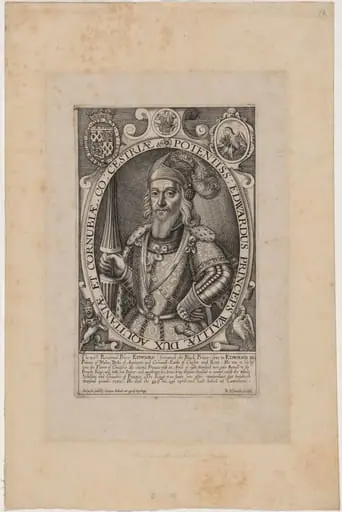
Edward, the Black Prince at the Age of 49
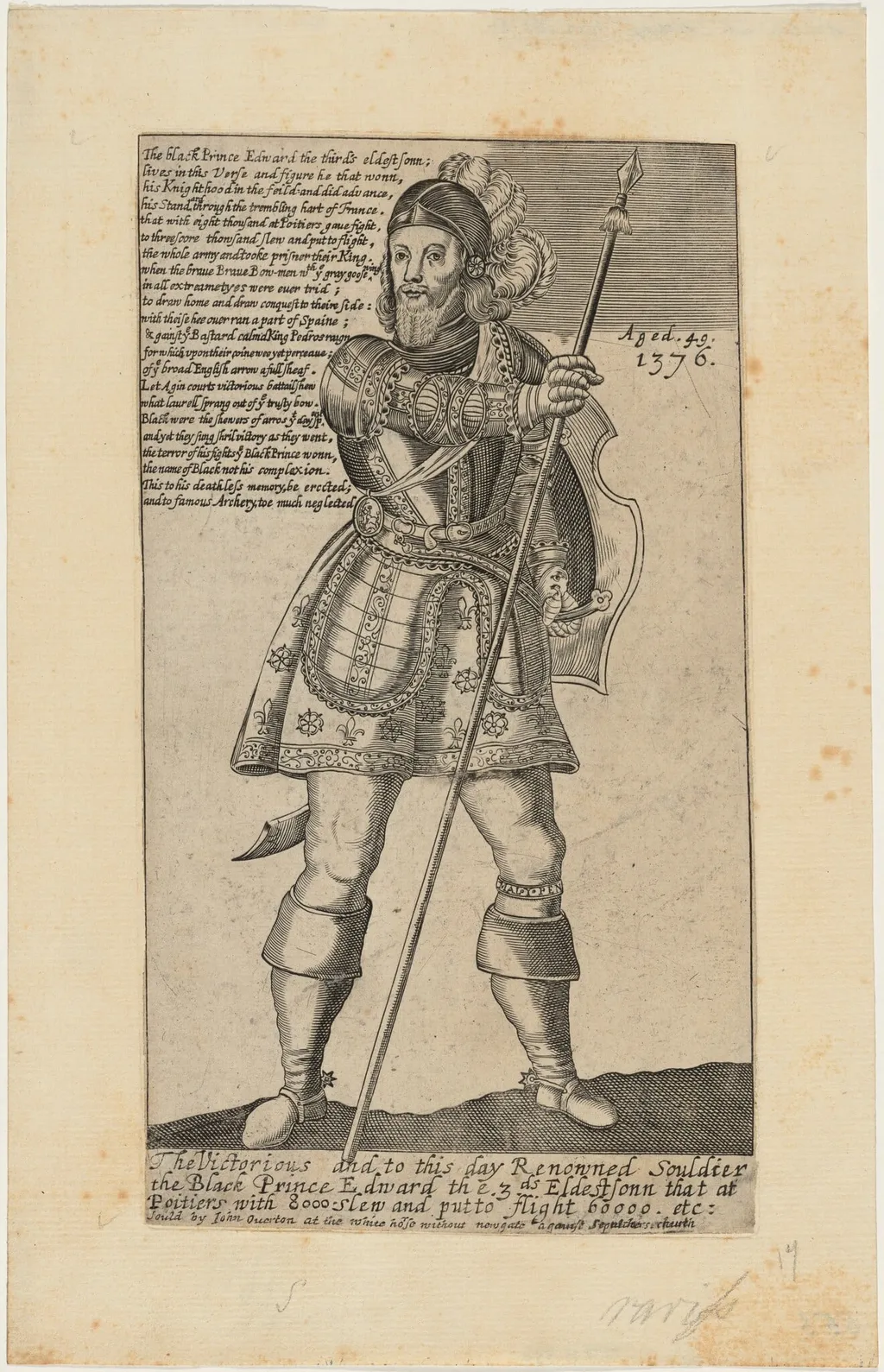
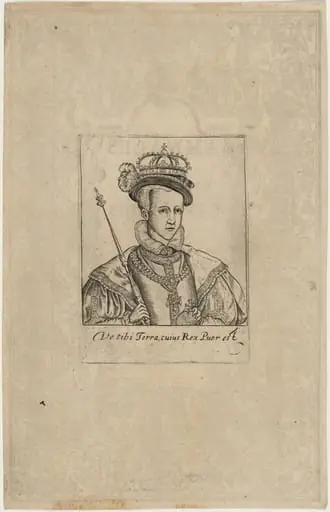
Edward, the Black Prince at the Age of 49 is an ink print by the Renaissance artist Thomas Cecil. It dates from 1621 and is held in the collection of the National Gallery of Art.
About this work
Overview
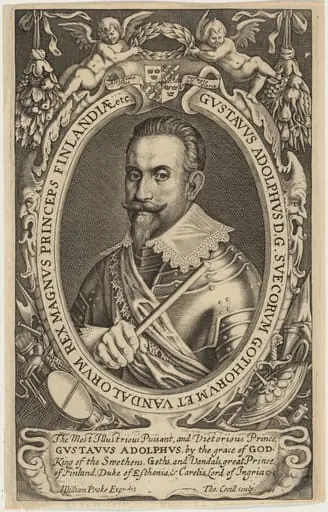
This 1621 engraving by Thomas Cecil depicts Edward, the Black Prince, at age 49, though he died in 1376. The portrait is a posthumous representation, likely based on earlier images or textual descriptions rather than direct observation. It was produced during a period of renewed interest in medieval English heroes, serving more as a symbolic commemoration than a historical record.
Subject & Meaning
The figure is presented as a noble warrior, clad in detailed plate armor, bearing a spear and shield. His stern expression, long curly hair, and beard evoke traditional ideals of chivalric authority. The plain background focuses attention on the figure, reinforcing his status as a legendary figure of English military heritage rather than a specific historical moment.
Technique & Style
Cecil employed fine-line engraving with cross-hatching to render the texture of armor and the depth of shadow.
Cecil employed fine-line engraving with cross-hatching to render the texture of armor and the depth of shadow. Delicate etched patterns on the breastplate suggest craftsmanship without literal replication. The facial features are rendered with precise contours, emphasizing realism within the conventions of 17th-century portraiture, where historical accuracy was secondary to dignified representation.
History & Provenance
Created in 1621, the engraving emerged during the Jacobean era, when Tudor and Stuart patrons cultivated connections to medieval royalty to legitimize contemporary rule. It was likely produced for private collectors or as part of a series on English monarchs. No early ownership records are widely documented, but its survival suggests it circulated among antiquarian circles.
Context
In early 17th-century England, interest in medieval figures like the Black Prince surged amid political debates over monarchy and national identity. Engravings of historical heroes were used to reinforce ideals of leadership and martial virtue. This image aligns with broader trends in print culture that reimagined the past through the lens of contemporary values and aesthetics.
Legacy
Though not widely reproduced, the engraving remains a rare example of early 17th-century efforts to visually reconstruct medieval English nobility. It reflects the period’s fascination with lineage and historical continuity. Today, it serves as a document of how posthumous figures were memorialized through print, before the advent of photography or standardized portraiture.
Artist & collection

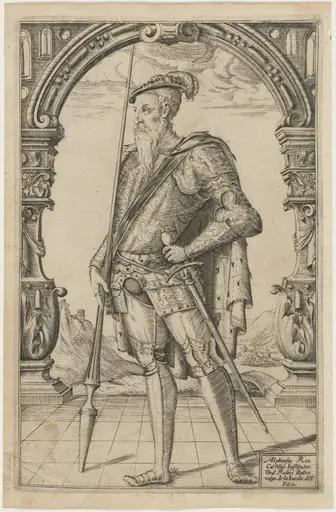 Alphonso, King of Castile
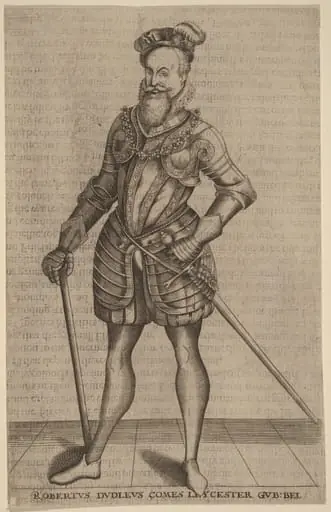 Robert Dudley, Earl of Leicester
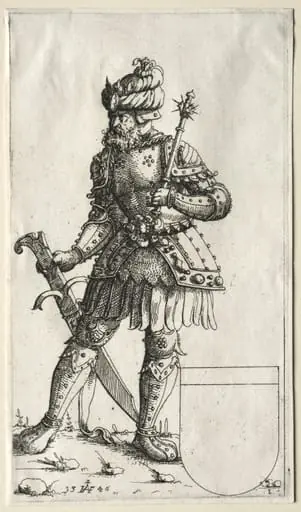 Sigismund II, King of Poland
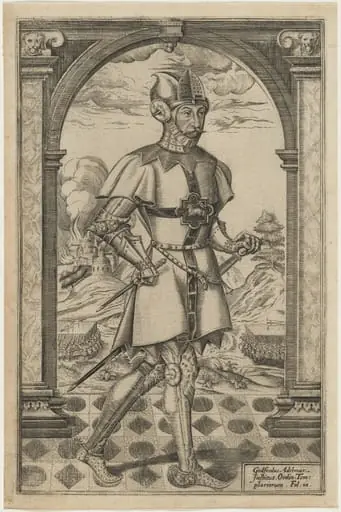 Godfredus Aldemarus Alexandrino (Godfrey Adelmar)
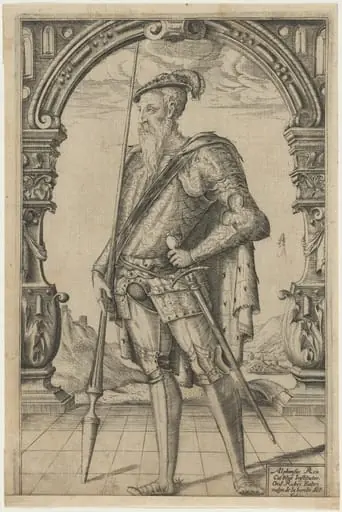 Alphonso, King of Castile
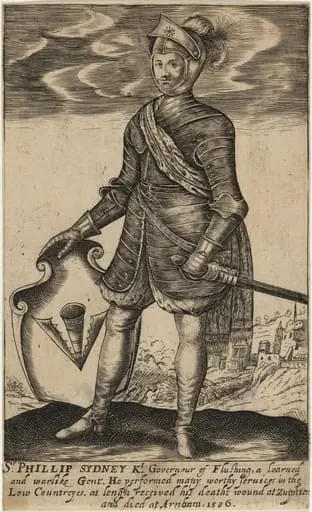 Sir Philip Sidney
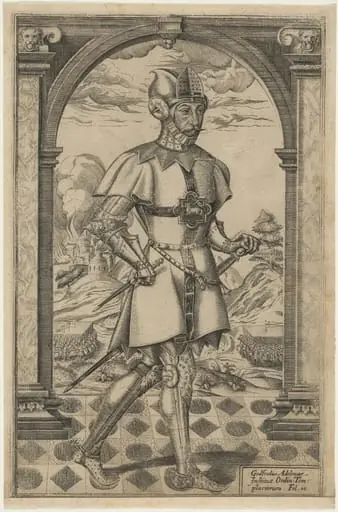 Godfrey Adelmar, Founder of the Knights Templar
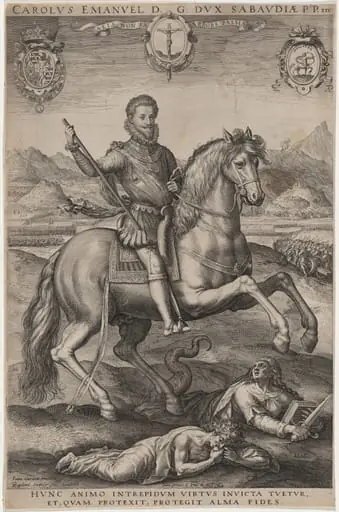 Charles Emmanuel, Prince of Piedmont
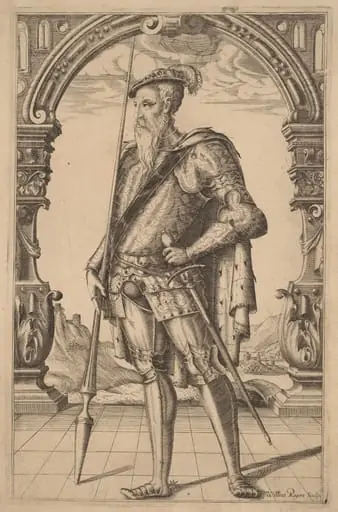 Alfonso X, King of Castile
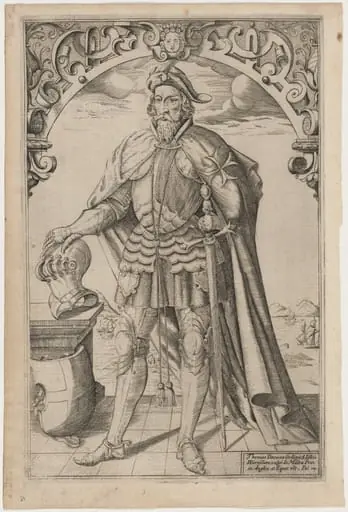 Sir Thomas Docwra, Knight of Malta
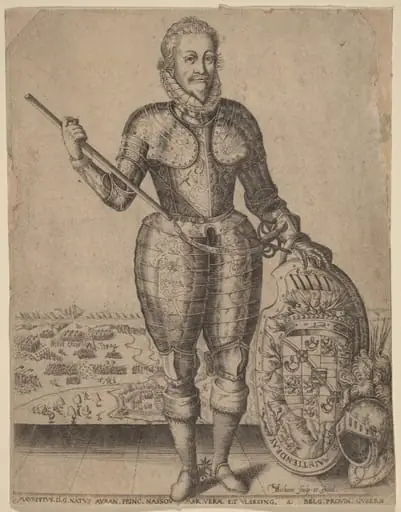 Maurice of Nassau, Prince of Orange
 Edward, the Black Prince