Artwork
Alphonso, King of Castile
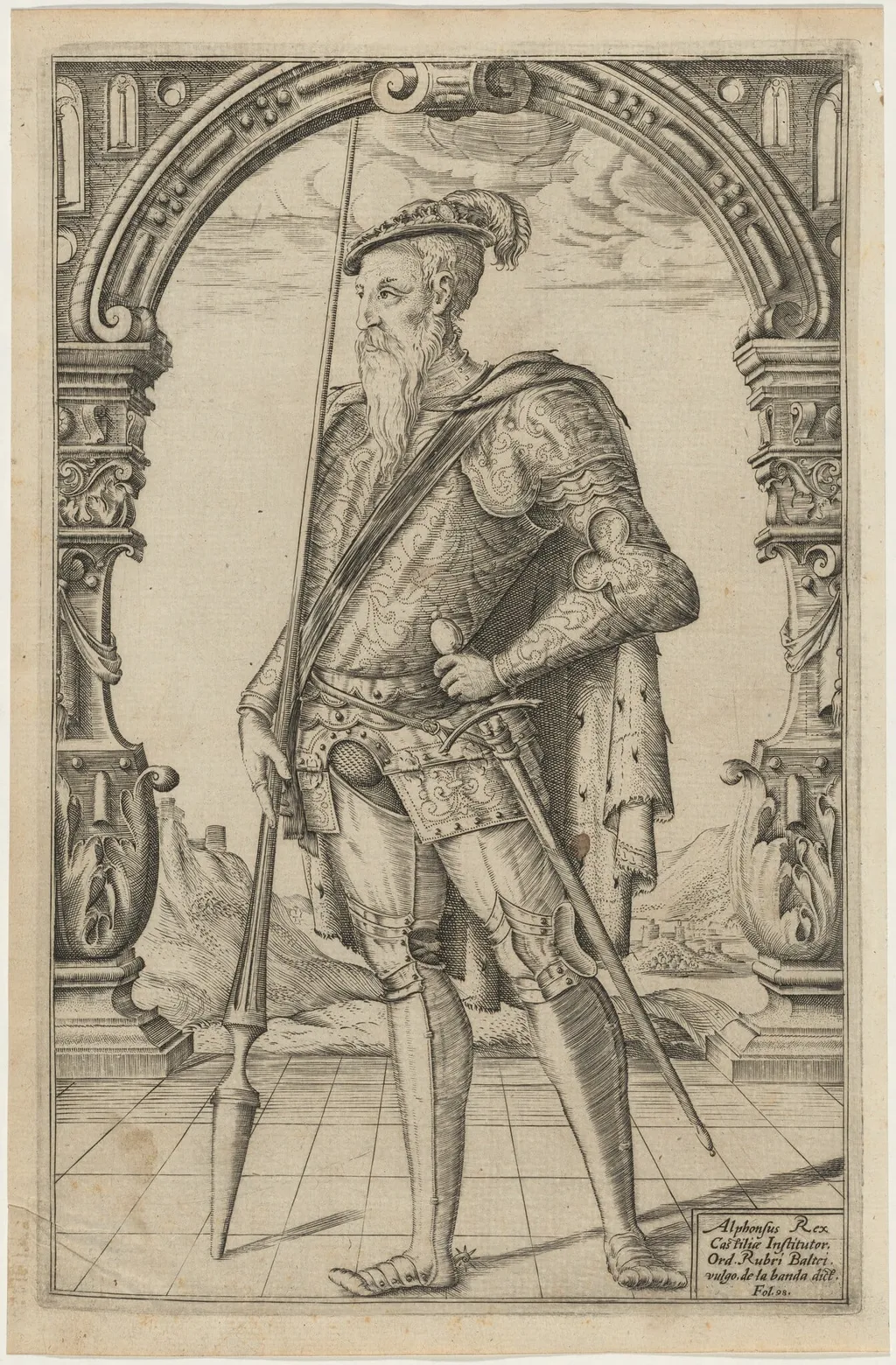
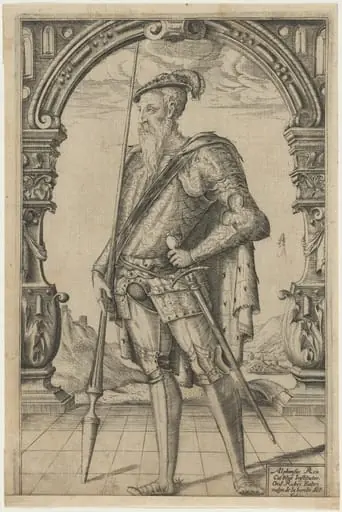
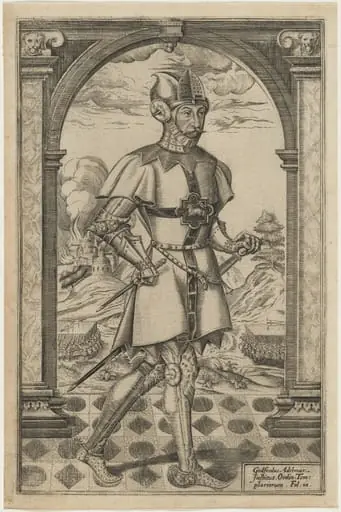
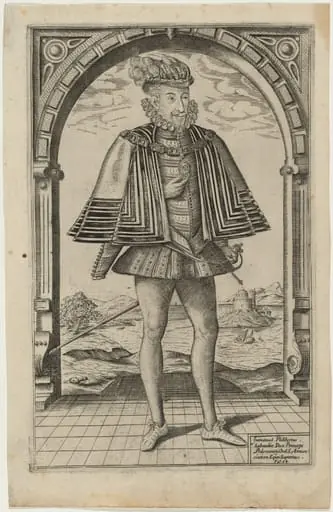
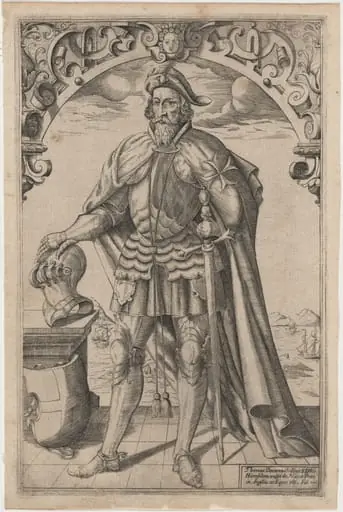
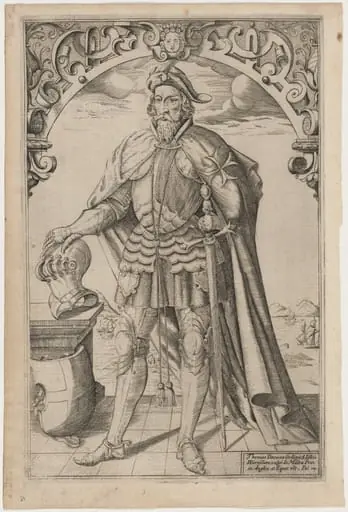
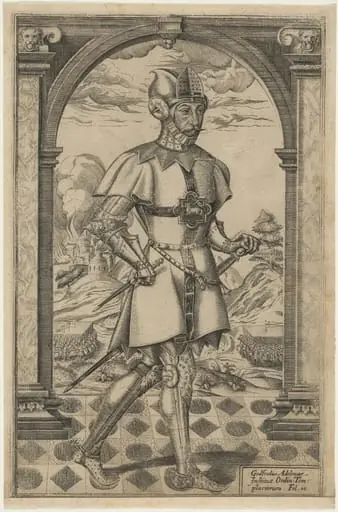
Alphonso, King of Castile is an ink print by the Renaissance artist William Rogers. It dates from 1629 and is held in the collection of the National Gallery of Art.
About this work
Overview
It reflects the early 17th-century English interest in continental European royalty, often circulated as portraits for scholarly or aristocratic audiences.
Created in 1629 by English engraver William Rogers, this print depicts Alphonso, King of Castile, rendered in the intaglio technique. The image is a single-sheet engraving, not a painting, and was produced by incising lines into a copper plate. It reflects the early 17th-century English interest in continental European royalty, often circulated as portraits for scholarly or aristocratic audiences.
Subject & Meaning
The figure is identified as Alphonso X of Castile, a 13th-century monarch known for legal and cultural reforms. Rogers portrays him with a solemn, contemplative gaze and attire styled to suggest historical antiquity, though not necessarily accurate to his era. The image functions as a symbolic representation of royal authority and learned kingship, aligning with Renaissance ideals of the philosopher-king.
Technique & Style
Rogers employed fine, controlled lines to model the king’s facial features and textured garments, characteristic of English engraving of the period. The plate was inked and pressed onto paper, producing a detailed monochrome image. Shading is achieved through cross-hatching rather than tone, emphasizing clarity and precision over atmospheric effect, typical of reproductive printmaking at the time.
History & Provenance
The engraving was produced in London during a period when printed portraits of foreign monarchs were in demand among collectors. No early ownership records are widely documented, but similar works by Rogers were distributed through print sellers. It likely circulated in academic or courtly circles, serving as a visual reference rather than a devotional or political statement.
Context
In early 17th-century England, engraving was a primary medium for disseminating images of historical and contemporary figures. Rogers, active in London, specialized in portraits and biblical scenes. This work reflects broader European trends in using print to connect contemporary audiences with medieval rulers, often blending historical fact with idealized representation.
Legacy
Though not widely reproduced or studied today, the engraving remains an example of early modern English print culture’s engagement with continental history. It illustrates how printmakers contributed to the visual memory of medieval figures, shaping perceptions of royalty through controlled, repeatable imagery long before photography.
Artist & collection