Artwork
Title Page for Sylva Sylvarum, Francis Bacon
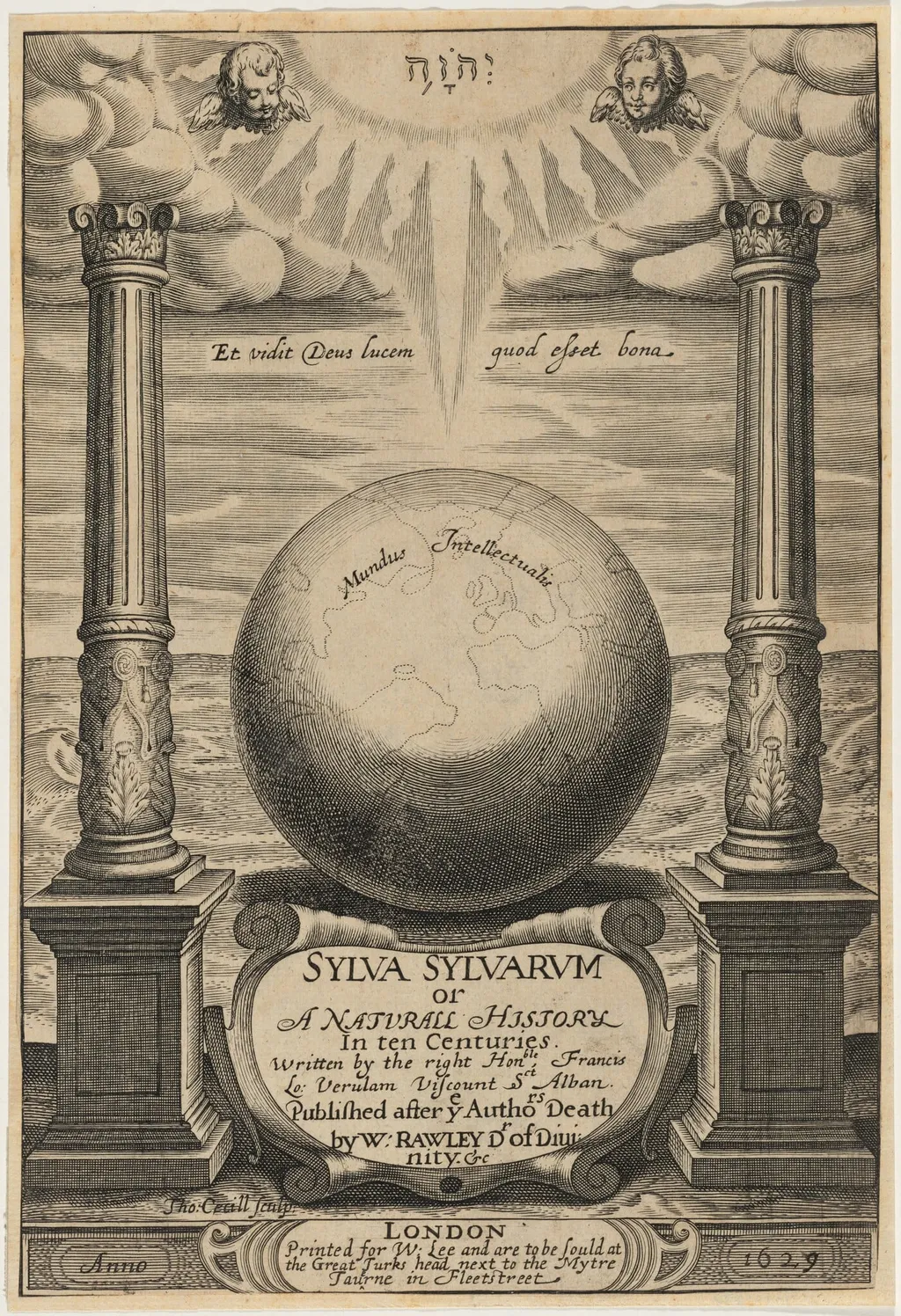
Title Page for Sylva Sylvarum, Francis Bacon is an ink print by the Baroque artist Thomas Cecil. It dates from 1629 and is held in the collection of the National Gallery of Art.
About this work
Below them, a globe sits between the columns, with the words *Mundus Intellectualis* (Intellectual World) written on it.
This image is a black-and-white engraving of a book’s title page. At the top, two cherubs float above columns, holding up a cloudy sky. Below them, a globe sits between the columns, with the words *Mundus Intellectualis* (Intellectual World) written on it. The text at the bottom reads *Sylva Sylvarum, or A Natural History*, with the author’s name and publisher details.
The globe and Latin phrases hint at ideas about nature and knowledge. This was published in 1629, making it from an early time when books like this were rare.
Next, look up engraving to see how artists carved these detailed images into metal.
Overview
The title page of *Sylva Sylvarum* is an engraved frontispiece produced in 1629 by the English printmaker Thomas Cecil. It serves as the introductory leaf for Francis Bacon’s natural‑history compilation, presenting the work’s title, author, and publishing information in a decorative format typical of early seventeenth‑century scholarly volumes.
Subject & Meaning
The composition features two winged figures, often identified as cherubs, suspended above a pair of classical columns that support a cloud‑filled sky. Beneath them a terrestrial globe bears the Latin inscription *Mundus Intellectualis*—“Intellectual World”—suggesting a universal scope of knowledge that the text intends to explore.
Technique & Style
Cecil employed copper engraving, a labor‑intensive process in which lines are incised into a metal plate with a burin. The fine hatching and cross‑hatching create tonal variation, while the crisp lettering and ornamental motifs reflect the baroque taste for allegorical and architectural elements in printed frontispieces.
History & Provenance
Issued in 1629, the engraving accompanied the first edition of Bacon’s *Sylva Sylvarum, or A Natural History*, published in London. The work was printed by the stationer William Barrow, and surviving copies of the original edition retain Cecil’s title page, confirming his role as the designated engraver for the project.
Context
During the early Stuart period, the production of elaborate title pages signaled a book’s scholarly ambition and appealed to a readership eager for systematic investigations of nature. Bacon’s compilation, organized as brief experimental observations, aligned with contemporary efforts to codify empirical knowledge, and the frontispiece visually reinforces that intellectual agenda.
Legacy
While the frontispiece itself is not widely reproduced, it exemplifies the collaborative relationship between authors, printers, and engravers in the early modern book trade. The image remains a reference point for scholars studying the visual culture of scientific publishing in the seventeenth century.
Artist & collection

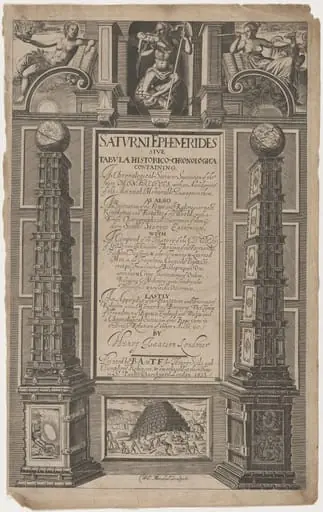 Title Page to Saturne Ephemerides by Henry Isaacson
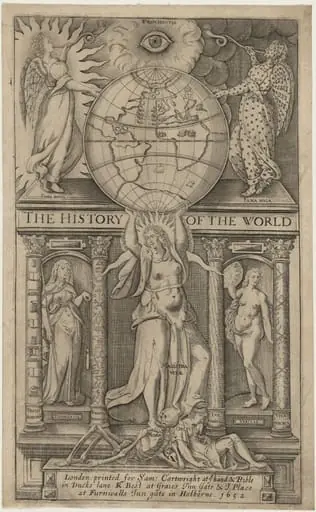 Title Page to Sir Walter Raleigh, History of the World
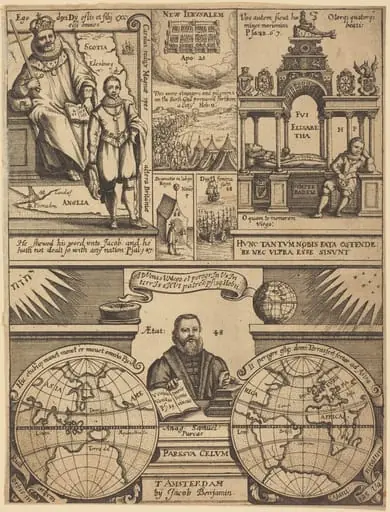 Frontispiece
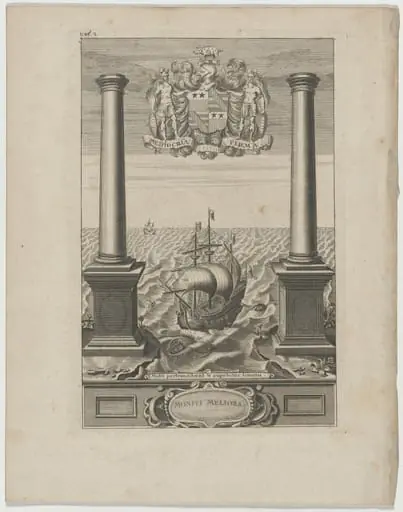 Coat of Arms, Moniti Meliora
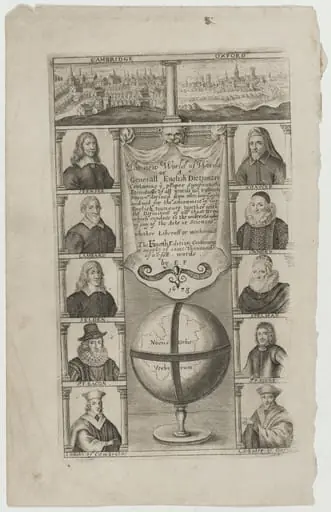 Title Page to The New World of Words or A General English Dictionary
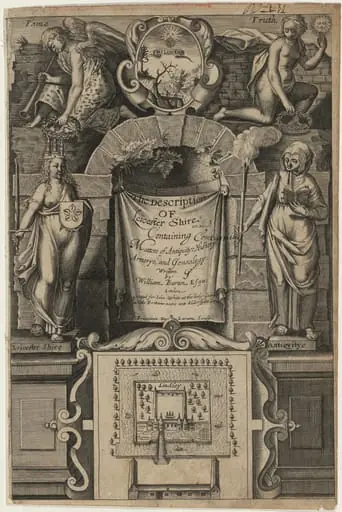 Frontispiece to William Burton, Description of Leicestershire
 Printer's Device for Jan van Keerbergen: Vignette for Biblia Cum Glossa Ordinaria
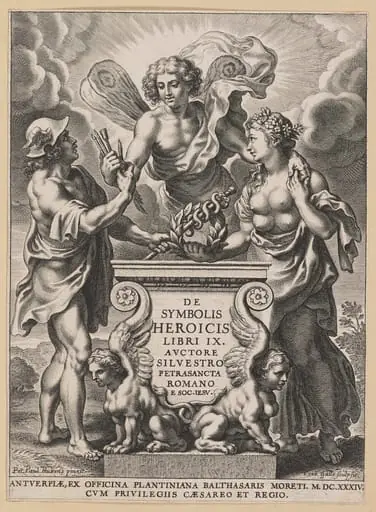 Title Page for Silvester Pietrasanta, De Symbolis Heroicis
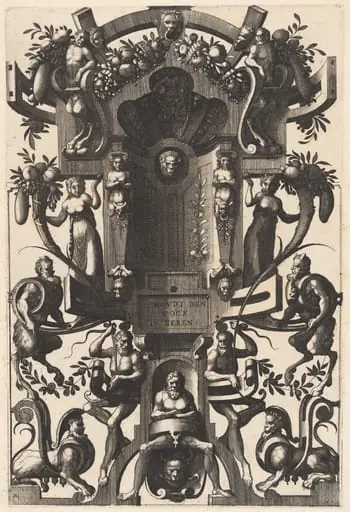 Grotesque with Strapwork in the Form of a Cartouche
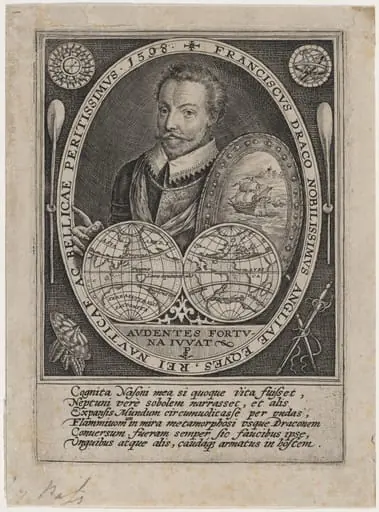 Francis Drake
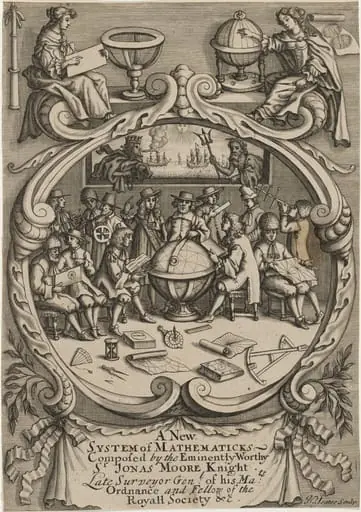 Title Page to A New System of Mathematicks, Composed by Sir Jonas Moore, Knight